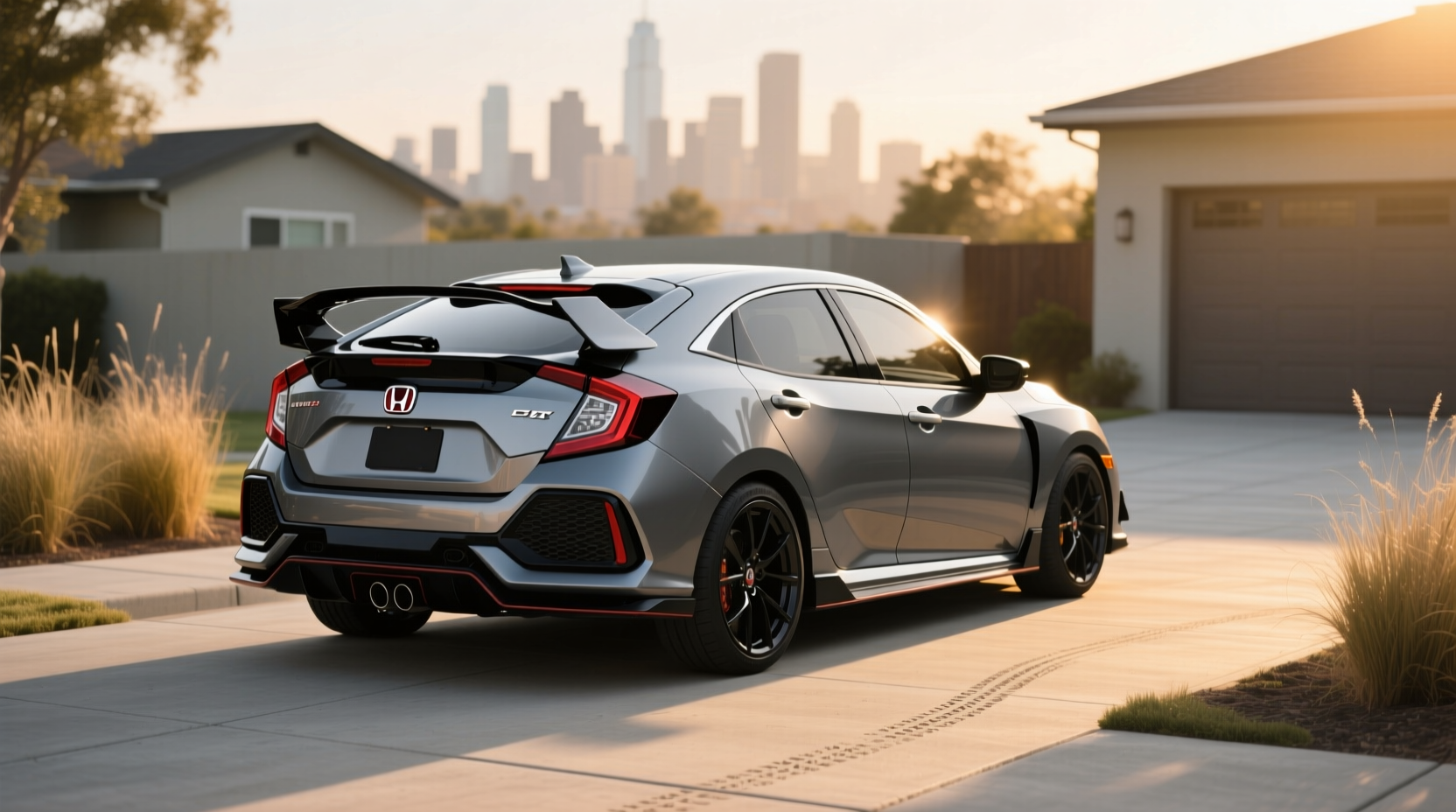
Choosing the right spoiler for Honda Civic hatchback can enhance both aesthetics and aerodynamic performance, but selecting the correct one requires understanding key compatibility factors such as model year, body style, material, and mounting method. Whether you're upgrading a 2016–2021 FK7 or a newer 2022–2025 FL5 generation, spoilers vary significantly in design and fitment. Aftermarket options from manufacturers like PRO Design, Maxton, and YOFER offer distinct styles—ranging from OEM-style lip spoilers to aggressive Type R-inspired wings—each impacting appearance, airflow, and even fuel efficiency slightly. This guide breaks down everything you need to know before buying, including common fitment mistakes, material trade-offs (ABS plastic vs. carbon fiber), installation complexity, and how to avoid costly returns due to incorrect sizing.
Understanding Honda Civic Hatchback Generations and Spoiler Compatibility
One of the most critical factors when purchasing a spoiler is ensuring it matches your specific Civic hatchback generation. The two primary hatchback variants in recent years are the 10th-generation FK7 (2016–2021) and the 11th-generation FL5 (2022–present). These models have different trunk lid shapes, rear window angles, and mounting points, making cross-compatibility rare.
The FK7 Civic hatchback was available with turbocharged engines and came in Sport, EX, and Type R trims. Factory-equipped models, especially the Si and Type R, often included integrated rear spoilers or wing mounts. Aftermarket spoilers for this generation typically mimic the OEM look or offer JDM-inspired designs with pedestal-mounted wings. In contrast, the FL5 generation features a sleeker, more angular trunk design, requiring uniquely shaped spoilers that follow the contour of the tailgate.
🔧 TIP: Always verify your Civic’s model code (found on the driver’s side door jamb or VIN decoder) before ordering. A spoiler listed for “Honda Civic Hatchback 2019” may only fit FK7 models and not the newer FL5, leading to poor alignment or gaps.
Types of Spoilers for Honda Civic Hatchback
Spoilers come in several forms, each serving different aesthetic and functional purposes. Understanding these types helps align expectations with real-world results.
Lip Spoilers (Trunk Lid Spoilers)
✨ Description: These are low-profile attachments mounted along the edge of the trunk lid. They add subtle visual aggression without altering the car’s original silhouette dramatically.
✅ Pros: Aerodynamically efficient at reducing lift, easy to install, relatively inexpensive, maintains factory clean lines.
❌ Cons: Minimal impact on downforce; primarily cosmetic.
🛒 Common materials: ABS plastic, polyurethane, or painted fiberglass. Often sold unpainted for custom color matching.
Wing Spoilers (Pedestal or High-Mount Wings)
✨ Description: Elevated above the trunk via pedestals, these mimic track-focused setups seen on race versions like the Civic Type R.
✅ Pros: Provides measurable downforce at highway speeds, strong visual statement, popular among enthusiasts.
❌ Cons: Can obstruct rear visibility, increases wind noise, more complex installation involving drilling.
🏭 Most high-end wings are made from carbon fiber or lightweight composites like Duraflex, balancing strength and weight.
Rear Window Visor Spoilers (Roof-Mounted)
✨ Description: Installed at the top of the rear windshield, these are less common and often confused with roof spoilers.
✅ Pros: Unique styling, doesn’t interfere with trunk opening.
❌ Cons: Limited aerodynamic benefit, potential water pooling if seals fail.
📍 Found mostly on JDM or European-market Civics; rare in North America.
Material Choices: What’s Best for Durability and Performance?
The material of a spoiler affects its longevity, appearance, and resistance to environmental damage. Here's a breakdown of the most common options:
| Material | Durability | Weight | Cost Range | Best For |
|---|---|---|---|---|
| ABS Plastic | Moderate | Medium | $80–$150 | Budget-friendly lip spoilers |
| Polyurethane (Urethane) | High (flexible) | Medium | $120–$200 | Impact-resistant body kits |
| Fiberglass | Low–Moderate | Heavy | $100–$180 | Custom paint jobs |
| Carbon Fiber (Real) | Very High | Light | $400–$1,200 | Performance builds |
| Duraflex / Hybrid Composite | High | Light | $250–$600 | All-around durability |
⚙️ Note: Be cautious of “carbon-look” spoilers made from vinyl-wrapped ABS plastic. While cheaper, they lack the structural benefits of real carbon fiber and may degrade under UV exposure.
Fitment and Installation: Will It Really Bolt On?
Many product listings claim “direct bolt-on fitment,” but actual installation varies widely. Some spoilers attach using pre-drilled holes and existing screws, while others require drilling into the trunk lid—a permanent modification.
🔧 Installation Scenarios:
- OEM-Replacement Lip Spoilers: Usually remove the factory spoiler and reuse mounting points. No drilling needed.
- Aftermarket Wings: Often require drilling for pedestal mounts. Use silicone sealant to prevent water ingress.
- Adhesive-Mounted Spoilers: Use industrial tape (e.g., 3M VHB). Suitable for lightweight units but risky in extreme temperatures.
❗ Warning: Drilling compromises the factory finish and may void paint warranties. If unsure, consult a professional installer.
📌 Verify whether the spoiler includes hardware (screws, gaskets, sealant). Missing components are a common reason for negative reviews on marketplaces.
Painted vs. Unpainted: Which Should You Choose?
Most spoilers are sold unpainted (unpainted black primer) to allow for custom paint matching. However, this means additional cost and time for professional painting.
✅ Unpainted Advantages:
- Exact color match to your vehicle (including factory metallic or pearl finishes).
- Seamless integration with original bodywork.
❌ Drawbacks:
- Requires $150–$300 in paint labor.
- Risk of overspray or mismatch if done poorly.
🛒 Pre-painted options exist but are usually limited to basic colors like white, black, or red. They rarely match OEM formulations exactly, leading to visible discrepancies over time.
🎨 Recommendation: Opt for unpainted if you want a factory-quality finish. Choose pre-painted only for temporary or budget-conscious projects.
Aerodynamics: Do Spoilers Actually Improve Performance?
While many buy spoilers for style, some expect real aerodynamic gains. The truth is nuanced.
In controlled tests, a properly designed rear spoiler on a Honda Civic hatchback can reduce rear lift by up to 15% at speeds over 60 mph, improving high-speed stability1. However, most aftermarket units are styled after performance parts rather than engineered for measurable gains.
📉 Factors affecting real-world performance:
- Angle of Attack: Adjustable wings perform better when optimized for speed.
- Mounting Height: Wings too close to the surface lose effectiveness.
- Vehicles Speed: Benefits are negligible below 50 mph.
⚡ Bottom line: For daily driving, the improvement is minimal. The primary benefit remains visual enhancement.
Where to Buy a Spoiler for Honda Civic Hatchback
Purchasing options include online retailers, specialty shops, and global marketplaces. Each has pros and cons.
🌐 Specialty Tuning Stores (e.g., PRO Civic, Maxton Design):
- Offer brand-specific fitment guides.
- Higher pricing but better quality control.
- Direct customer support for fitment questions.
🛒 Marketplaces (e.g., eBay, Shopee, Lazada):
- Wide selection and competitive prices.
- Risk of inaccurate descriptions or counterfeit branding.
- Check seller ratings and request model-year confirmation before purchase.
🚚 Shipping Considerations: Large spoilers may incur high shipping fees or customs duties. Carbon fiber parts from overseas often face delays due to import regulations.
Common Mistakes When Buying a Civic Hatchback Spoiler
Avoid these frequent pitfalls to ensure a smooth upgrade:
- Ignoring Model Year Differences: A spoiler for a 2018 FK7 won’t fit a 2023 FL5.
- Assuming All 'Type R Style' Wings Are Compatible: These are often universal fit and require modifications.
- Skipping Paint Matching: A mismatched spoiler stands out negatively.
- Underestimating Installation Complexity: Pedestal wings need precision drilling.
- Overlooking Weight Impact: Heavy fiberglass spoilers can strain trunk hinges over time.
Legal and Safety Considerations
In some regions, modifications to vehicle exteriors are regulated. While rear spoilers are generally permitted, certain criteria apply:
- Protrusion Limits: In the EU and Canada, any addition beyond the rear bumper must not extend more than 10 cm without reflectors.
- Rear Visibility: Spoilers must not block the center brake light or significantly impair driver view.
- Light Integration: Some advanced spoilers include LED brake lights; these must be DOT/SAE compliant in the U.S.
🔍 Check local DMV or transport authority guidelines before installing large wings.
FAQ: Frequently Asked Questions About Honda Civic Hatchback Spoilers
- Can I install a spoiler on my Honda Civic hatchback myself?
- Yes, if it’s a simple lip spoiler with adhesive or screw mounts. Wing installations with drilling are best left to professionals to avoid water leaks or misalignment.
- How much does a genuine Honda spoiler cost?
- Genuine OEM spoilers from dealers range from $200 to $600 depending on model year and trim. Aftermarket alternatives start around $80.
- Does a spoiler improve fuel efficiency?
- Not significantly. While reduced drag *can* help, most spoilers increase frontal area slightly, potentially lowering efficiency at lower speeds.
- Are carbon fiber spoilers worth the extra cost?
- For weight savings and durability, yes—but mainly for track use. For street cars, the visual appeal often outweighs functional gains.
- Will adding a spoiler void my warranty?
- Only if the modification directly causes a failure. Cosmetic changes like spoilers typically don’t affect powertrain warranties unless installed improperly.




 浙公网安备
33010002000092号
 浙B2-20120091-4