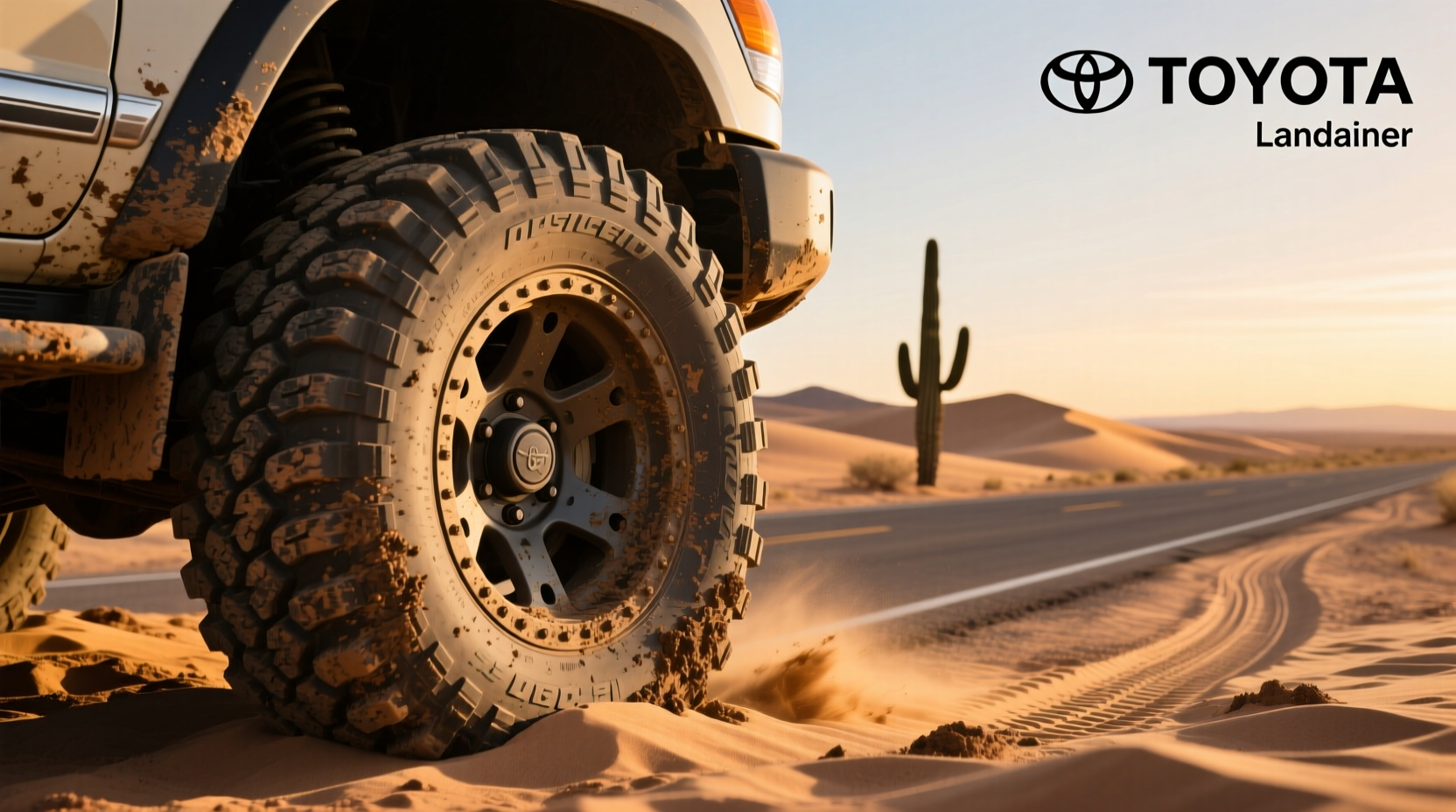
If you're searching for Toyota Land Cruiser wheels, understanding the correct specifications is critical to ensure safety, performance, and aesthetics. Whether you own a classic 70 Series, a rugged 200 Series, or the all-new 250 Series (2024–present), selecting compatible wheels involves more than just diameter and finish. Key factors like bolt pattern (6x139.7mm for most models), center bore (110.1mm), offset (+35 to +55mm depending on model year), and load rating must align with your vehicle’s engineering standards ✅.
This guide breaks down everything you need to know about OEM and aftermarket Toyota Land Cruiser wheels, helping you avoid costly mistakes, clearance issues, or hub-centric incompatibilities. We’ll cover factory specs by generation, popular upgrade paths, wheel materials, finishes, tire integration, and how to verify fitment before buying — whether shopping online or at a local shop 🛠️.
Understanding Toyota Land Cruiser Generations and Wheel Compatibility
The Land Cruiser has evolved across multiple generations, each with distinct wheel requirements. Using incorrect wheels can lead to rubbing, poor handling, or even damage to suspension components. Below is a breakdown of major Land Cruiser series and their standard wheel specifications.
Land Cruiser 70 Series (1984–Present)
The 70 Series remains a favorite among off-road purists and workhorse users due to its rugged solid-axle design. Factory wheels are typically 16” or 17”, with steel rims being standard on base trims.
- Diameter: 16” or 17”
- Width: 6.5J to 8J
- Bolt Pattern: 6x139.7mm
- Center Bore: 110.1mm
- Offset: +15mm to +35mm (varies by market and trim)
- Hub-Centric: Yes
Aftermarket upgrades often include 17” alloy wheels with negative offset (e.g., -12mm) to accommodate wider tires and improve stance without requiring a lift kit 🌍.
Land Cruiser 200 Series (2007–2021)
The 200 Series brought luxury and advanced electronics to the Land Cruiser lineup while maintaining serious off-road capability. It came standard with 18” or optional 20” alloy wheels.
- Diameter: 18” or 20”
- Width: 8”
- Bolt Pattern: 5x150mm (unique among Land Cruisers)
- Center Bore: 110mm
- Offset: +45mm (18”), +30mm (20”)
- Material: Aluminum alloy
⚠️ Note: The 5x150 bolt pattern means wheels from other Land Cruiser models won’t fit directly. Adapters exist but should be used cautiously as they may affect lug nut torque and stress distribution.
Land Cruiser 300 Series (2021–2023)
The 300 Series introduced a lighter platform and updated styling. Factory offerings included 18” steel, 20” alloys, and limited 22” forged options on higher trims.
- Diameter: 18”, 20”, or 22”
- Width: 8” to 9”
- Bolt Pattern: 6x139.7mm
- Center Bore: 110.1mm
- Offset: +45mm to +55mm
- Finish Options: Satin charcoal, gloss black, machined silver
These models support modern TPMS integration, so replacement wheels must have sensor compatibility or allow retrofitting.
Land Cruiser 250 Series (2024–Present)
The new 250 Series revives the compact SUV form factor, inspired by the FJ Cruiser. It shares underpinnings with the Tundra and Sequoia, influencing wheel design.
- Diameter: 17” or 18”
- Width: 8.5J
- Bolt Pattern: 6x139.7mm
- Center Bore: 110.1mm
- Offset: +20mm to +25mm
- Stock Tire Size: 265/70R17 or 265/65R18
Despite smaller diameter, these wheels are designed for aggressive off-road use with reinforced bead seats and stronger sidewalls ⚙️.
OEM vs Aftermarket Wheels: Pros, Cons, and Considerations
When upgrading or replacing Land Cruiser wheels, owners face a key decision: stick with OEM or go aftermarket.
| Factor | OEM Wheels | Aftermarket Wheels |
|---|---|---|
| Fitment Guarantee | ✅ Exact match for make/model/year | Varies; requires research |
| TPMS Compatibility | Designed for sensors | May require adapter or reprogramming |
| Price Range | $250–$650 per wheel | $180–$1,500+ per wheel |
| Warranty | Factory-backed (if new) | Limited, brand-dependent |
| Availability | Limited to production years | Wide selection across sizes/styles |
| Resale Value Impact | Maintains value | Depends on quality and taste |
Benefits of OEM Wheels
- Precision Engineering: Designed specifically for your Land Cruiser’s weight, suspension, and braking system.
- No Clearance Issues: Guaranteed to clear calipers and inner fenders.
- Easier Resale: Buyers prefer stock configurations, especially for low-mileage vehicles.
Advantages of Aftermarket Wheels
- Style Customization: Matte black, bronze, two-tone, deep lip designs not offered by Toyota.
- Weight Reduction: Forged aluminum or magnesium wheels reduce unsprung mass, improving ride and fuel economy.
- Larger Sizes: Access to 22” or wider widths for lifted builds.
- Cost Flexibility: Budget-friendly cast alloys available alongside premium forged options.
Key Specifications to Check Before Buying Any Wheel
To avoid compatibility problems, always verify the following five parameters before purchasing Toyota Land Cruiser wheels:
1. Bolt Pattern (PCD)
This refers to the number of lugs and the diameter of the circle they form. Most Land Cruisers use 6x139.7mm, except the 200 Series (5x150mm). Measure carefully if using older or imported models.
2. Center Bore
The hole in the center of the wheel that fits over the axle hub. The standard size is 110.1mm. If aftermarkets have a larger bore, hub-centric rings are required to prevent vibration.
3. Offset (ET)
Measured in millimeters, this determines how far the wheel sits inside or outside the fender well. Too positive = tucked in; too negative = protruding. Stock offsets range from +35mm to +55mm depending on model. Going beyond ±15mm of stock usually requires fender modification.
4. Load Rating
Each wheel must support at least 1,500 lbs (680 kg) to handle the full GVWR of a loaded Land Cruiser. Look for JWL or VIA certification marks.
5. Hub-Centric vs Lug-Centric Design
OEM wheels are hub-centric — centered by the bore, not the lugs. Aftermarket wheels may be lug-centric, which increases stress on studs. Always use hub adapters if needed.
Popular Finishes and Materials for Toyota Land Cruiser Wheels
Aesthetic preferences play a big role in wheel selection. Common options include:
- Matte Black: Durable, hides brake dust, popular for off-road builds 🔧.
- Satin Charcoal: Factory option on recent models; subtle yet modern.
- Bronze/Gold: Adds visual contrast, often seen on overland rigs.
- Machined Face: Combines polished accents with dark backgrounds.
- Two-Tone: Typically black with machined lips, gives a sportier look.
Materials matter too:
- Cast Aluminum: Affordable, widely available, heavier than forged.
- Forged Alloy: Stronger, lighter, more expensive — ideal for heavy-duty use.
- Steel: Standard on base 70 Series; durable but prone to rust.
Tire Integration: Matching Wheels with Tires
Wheels don’t function in isolation. Tire size, profile, and construction impact overall diameter, speedometer accuracy, and clearance.
For example, mounting 35-inch tires on 17” wheels requires proper backspacing to avoid fender rub during articulation. A common setup for off-roaders is:
- Wheel: 17x8.5”, -12mm offset
- Tire: 35x12.50R17
- Result: Minimal trimming needed with mild lift (2–3 inches)
Always calculate total outer diameter when changing combos. Even a 3% increase can strain differentials and reduce fuel efficiency ⚡.
Where to Buy Toyota Land Cruiser Wheels
You can source wheels through several channels:
- Dealerships: Best for OEM wheels with warranty and fitment assurance 📍.
- Online Retailers: Sites like Element Wheels, OriginalWheels.com, or TrailBuilt Off-Road offer curated selections with detailed filters.
- Auction Platforms: Used OEM wheels available on eBay or Pick-a-Part; inspect for cracks and true balance.
- Specialty Shops: Companies like Chelsea Truck Company or Forza Performance Group offer custom-fit forged wheels.
🛒 Tip: When buying used, ask for a runout test result to confirm the wheel isn’t warped.
Common Mistakes to Avoid When Upgrading Wheels
Many owners regret upgrades due to overlooked details. Here are frequent errors:
- Ignoring Brake Clearance: Larger calipers (like those on Heritage Editions) may not fit behind certain spokes.
- Using Non-Hub-Centric Rings: Skipping them causes vibrations at highway speeds.
- Choosing Extreme Offsets: Excessive negative offset wears out ball joints faster.
- Overlooking TPMS: New wheels without sensor holes disable dash warnings.
- Buying Based on Looks Only: Some aggressive designs sacrifice strength or add unnecessary weight.
Maintenance Tips for Longevity
Proper care extends wheel life, especially in corrosive environments:
- Clean regularly with pH-neutral soap 🧼.
- Inspect lug nuts every 1,000 miles after installation.
- Re-torque to spec (typically 89–103 lb-ft).
- Store spare wheels vertically in dry conditions.
- Apply ceramic coating to matte finishes to resist staining.
Final Thoughts: Making the Right Choice for Your Needs
Selecting the right Toyota Land Cruiser wheels depends on your driving style, terrain, and aesthetic goals. Daily drivers benefit from OEM reliability, while adventurers might prefer lightweight forged alloys with aggressive offsets. Always prioritize safety, compatibility, and long-term durability over trends.
Before finalizing any purchase, cross-check fitment using tools like the fifteen52 fitment guide1 or consult forums like IH8MUD for real-world feedback.
Frequently Asked Questions
- Can I put 200 Series wheels on a 300 Series Land Cruiser?
- No. The 200 Series uses a 5x150 bolt pattern, while the 300 Series uses 6x139.7mm. They are not interchangeable without adapters, which are not recommended due to safety risks.
- What is the standard lug nut torque for Toyota Land Cruiser wheels?
- Most models require 89–103 lb-ft (120–140 Nm). Always refer to your owner’s manual for exact values by year and trim.
- Are aftermarket wheels safe for overlanding?
- Yes, if they meet JWL/VIA standards, have proper load ratings, and are correctly installed. Forged wheels are preferred for heavy loads and rough terrain.
- Do I need hub-centric rings for aftermarket wheels?
- If the aftermarket wheel’s center bore is larger than 110.1mm, yes. Hub-centric rings ensure smooth rotation and prevent vibrations.
- Can I run smaller diameter wheels on my 250 Series for better off-road performance?
- Yes. The 2024–2025 250 Series supports 17” wheels from factory. Downsizing allows for taller sidewalls, improving articulation and impact absorption off-road.




 浙公网安备
33010002000092号
 浙B2-20120091-4