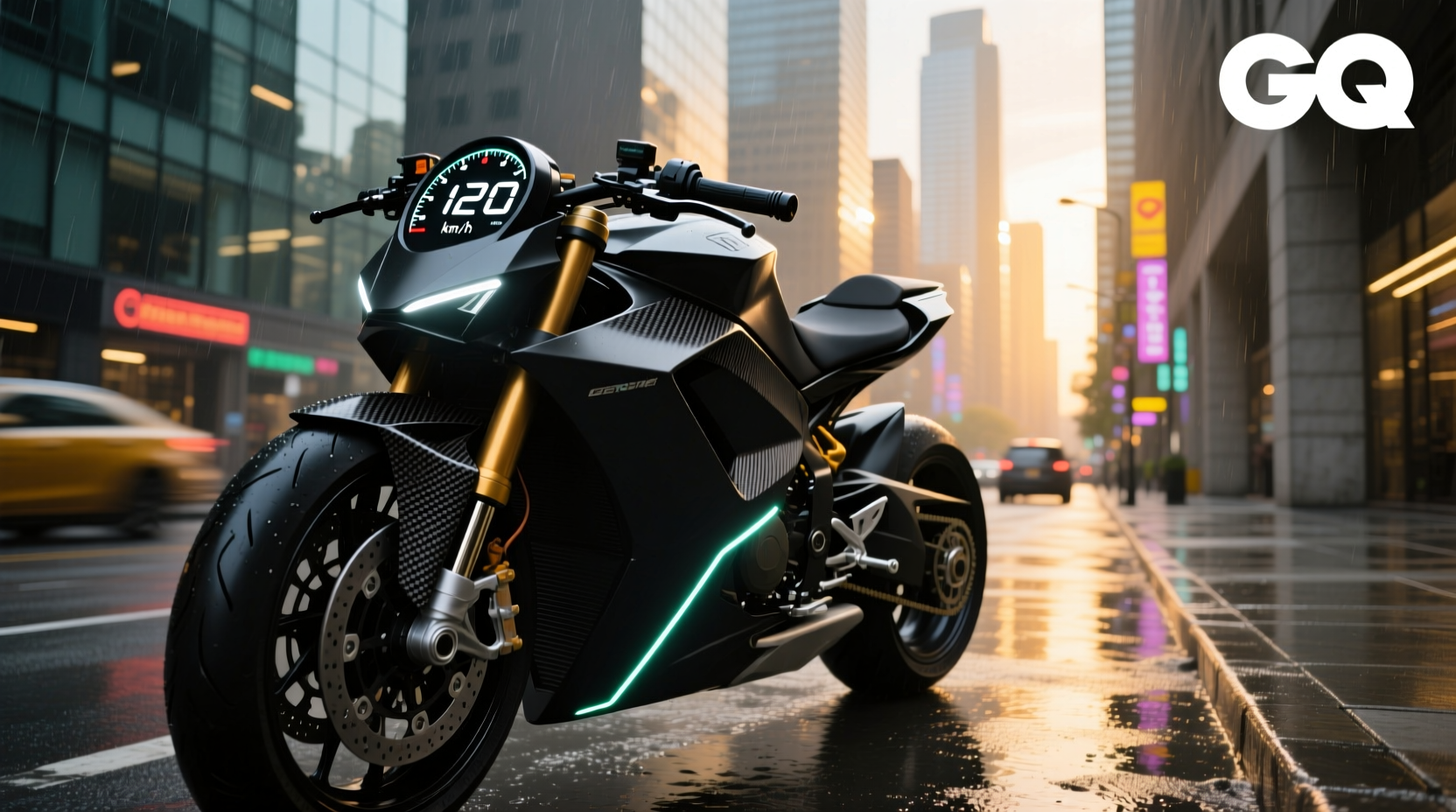
If you're upgrading your motorcycle's instrumentation, a universal digital speedometer for motorcycle offers flexibility, modern readability, and enhanced functionality over stock analog gauges. These aftermarket displays are designed to fit a wide range of bikes—especially custom builds, older models, or electric motorcycles—where factory dashboards may be outdated or missing. Unlike OEM units tied to specific ECUs, universal digital speedometers use standardized inputs like GPS signals or magnetic sensors to display speed, RPM, odometer, and more. This guide breaks down everything you need to know before buying and installing one: compatibility factors, wiring basics, calibration steps, and real-world performance trade-offs.
What Is a Universal Digital Speedometer?
A universal digital speedometer is an aftermarket instrument cluster that replaces or supplements a motorcycle’s original gauge. It's called “universal” because it’s not limited to one make or model—it can be adapted to most motorcycles with proper setup. These units typically feature an LCD or LED display showing speed (mph/kmh), engine RPM, trip distance, total mileage (odometer), fuel level, clock, and sometimes even turn signals or gear indicators ✅.
Unlike factory-installed speedometers that rely on the bike’s CAN bus network or mechanical cables, universal versions often use external sensors or GPS data to calculate speed and distance. This makes them ideal for choppers, scramblers, café racers, or EV conversions where integrating with proprietary systems isn't feasible 🔧.
How Does a Universal Digital Speedometer Work?
There are two primary methods used by universal digital speedometers to measure speed:
- GPS-Based Speed Sensing: The unit receives location data via a built-in or external GPS antenna. By calculating changes in position over time, it determines current speed and updates the odometer accordingly. This method requires clear sky visibility but eliminates the need for physical sensors on wheels or transmissions 🌐.
- Magnetic Sensor (Hall Effect) System: A small sensor mounted near the wheel or transmission detects rotation as magnets pass by. Each pulse corresponds to a known distance traveled, allowing the speedometer to compute speed and log mileage. This setup works offline but requires precise installation and calibration ⚙️.
Most universal digital speedometers support both options, giving users flexibility depending on their build constraints. Some advanced models also accept input from existing vehicle speed sensors (VSS) if available.
Key Features to Look For
When evaluating a universal digital speedometer, several technical and usability factors determine long-term satisfaction. Here’s what matters most:
1. Voltage Compatibility (Crucial for Electric Bikes)
Motorcycle electrical systems vary widely—especially among electric bikes. While traditional gas-powered bikes run on 12V DC, many e-motorcycles operate at higher voltages: 48V, 60V, or even 72V. Always verify that the speedometer supports your system voltage. Using a 12V unit on a 60V circuit will destroy it instantly ❗.
Check product specifications for input voltage range. Units labeled “universal” should list compatible voltages explicitly. For example: “DC 9–90V” indicates broad compatibility across platforms.
2. Display Type and Readability
LCD screens are common due to low power draw and good daylight visibility. OLEDs offer better contrast but may degrade faster under direct sunlight. Look for anti-glare coatings and adjustable backlighting for night riding ✨.
Font size and layout matter too. A cluttered interface with tiny digits hurts readability at highway speeds. Opt for clean designs with large central speed readouts and intuitive menu navigation.
3. Programmable Settings
A quality universal digital speedometer allows customization:
- Unit switching between mph and km/h
- Tire circumference calibration (to correct speed/odometer errors)
- Cylinder count setting (for accurate tachometer signal interpretation)
- Fuel gauge calibration (if using analog sender)
- Auto dimming or manual brightness control
Some models come with smartphone apps or Bluetooth pairing for easier configuration 📱.
4. Waterproofing and Build Quality
Motorcycles face rain, dust, and vibration. Ensure the unit has at least IP65 rating (dust-tight and protected against water jets). Higher ratings like IP67 mean temporary submersion resistance—ideal for off-road or adventure bikes 🌍.
Housing material (ABS plastic vs. aluminum alloy) affects durability and heat dissipation. Metal casings generally last longer in extreme conditions.
5. Mounting Options and Size
Common sizes include 52mm, 60mm, and 80mm diameter. Measure your handlebar or nacelle space before purchasing. Many units include rubber grommets and brackets for secure mounting without damaging surfaces 📍.
Consider viewing angle. A swiveling bezel or flexible stalk mount helps position the display optimally.
Installation Guide: Step-by-Step Process
Installing a universal digital speedometer doesn’t require dealership-level tools, but attention to wiring details is critical. Below is a general procedure applicable to most units:
- Power Down the Bike: Disconnect the battery to avoid short circuits during installation ⚡.
- Mount the Unit: Secure the speedometer using included hardware. Avoid placing it where vibrations or direct sun exposure could impair function.
- Connect Power Wires:
- Red wire → +12V (or matching system voltage) constant power
- Black wire → Ground (chassis or negative terminal)
- White or yellow wire → Switched ignition power (optional for backlight activation)
- Install Speed Sensor (if not GPS-based):
- Attach magnet(s) to spoke or drive sprocket
- Position Hall effect sensor within 2–5mm gap
- Route wires securely away from moving parts
- Connect Additional Sensors (as needed):
- Tachometer signal from ignition coil or ECU tap
- Fuel sender wire (usually variable resistor type)
- Turn signal inputs (for integrated indicators)
- Power On and Calibrate: Turn ignition on and follow on-screen prompts to set tire size, units, and other parameters ⏱️.
Refer to the manufacturer’s manual for pinout diagrams and signal requirements. Miswiring can damage the unit or cause erratic behavior.
| Feature | GPS-Based Unit | Sensor-Based Unit |
|---|---|---|
| Signal Source | Satellite positioning | Magnetic pickup |
| Setup Complexity | Low (plug-and-play) | Medium (sensor alignment needed) |
| Tunnel/Urban Canyon Performance | Poor (signal loss) | Unaffected |
| Odometer Accuracy | High (with good signal) | Depends on tire calibration |
| Wiring Needs | Minimal (power + GPS antenna) | More (sensor + power + ground) |
Common Problems and Troubleshooting Tips
Even well-designed universal digital speedometers can encounter issues. Knowing how to diagnose them saves time and frustration.
Speed Reading Inaccurate or Jumping
This usually stems from incorrect tire circumference settings or poor sensor alignment. Recheck calibration values in the menu. If using a magnetic sensor, ensure consistent gap between magnet and sensor. Dirt buildup or wobbling wheels can also trigger false pulses.
No Signal or Blank Display
Verify all connections:
- Is the ground wire making solid contact?
- Is voltage within acceptable range?
- Are fuses intact?
Odometer Not Advancing
Some units disable odometer logging until initial setup is complete. Complete the startup wizard first. Also, confirm that motion detection is working—try pushing the bike forward slowly while monitoring the display.
Interference with Other Electronics
Poorly shielded wiring can induce noise in radio or ECU signals. Keep speedometer cables separated from high-voltage ignition wires. Use ferrite cores if interference occurs.
Differences Between Analog and Digital Upgrades
Swapping an analog gauge for a digital one isn’t just cosmetic—it changes how information is delivered and interpreted.
Analog speedometers use a spinning cable connected to the front wheel or transmission. They’re mechanically robust but prone to wear and less precise. Digital versions offer sharper accuracy, programmability, and integration potential with other systems like GPS navigation or Bluetooth alerts.
However, analog gauges don’t depend on software or firmware updates. They rarely crash or freeze—something digital units can do under electrical stress. Consider reliability vs. functionality when choosing.
Electric Motorcycle Considerations
Many searchers looking for “universal digital speedometer motorcycle” are actually modifying e-bikes or electric scooters. These vehicles pose unique challenges:
- Voltage Mismatch: As noted earlier, standard 12V speedometers won’t survive on 48V+ systems.
- Lack of Mechanical Outputs: No gearbox or driveshaft means no easy place to mount a VSS sensor.
- No Tachometer Signal: Electric motors don’t produce spark plug pulses, so traditional RPM measurement fails.
For electric builds, GPS-based speedometers are often the best choice. They eliminate sensor dependency and provide accurate speed and distance tracking regardless of drivetrain type. Some advanced units accept motor controller feedback (via UART or CAN) to display motor RPM or battery voltage.
Can You Use a Phone as a Motorcycle Speedometer?
Yes—but with caveats. Smartphone apps like Speedometer HUD or UCCNC can display speed using internal GPS. However, phones aren’t designed for continuous outdoor use:
- Battery drains quickly when GPS is active
- Screens become unreadable in bright sunlight
- Mounting solutions vary in stability
- No native integration with bike functions (lights, engine status)
A dedicated universal digital speedometer consumes less power, withstands weather, and integrates better with vehicle systems. Phones are fine for occasional use, but not reliable as primary instrumentation 📵.
Where to Buy and What to Watch For
Universal digital speedometers are widely available through online marketplaces and specialty shops. When sourcing, pay attention to:
- Product Descriptions: Avoid vague terms like “fits most bikes.” Look for exact specs: voltage range, display dimensions, supported sensor types.
- Customer Reviews: Focus on feedback about longevity and real-world accuracy—not just first impressions.
- Return Policy: Test immediately upon arrival. Defective units or incompatible models should be returnable.
- Supplier Reputation: Prefer sellers with responsive support and documentation access.
Be cautious of extremely cheap units (<$20). They may lack proper filtering circuits, leading to flickering displays or premature failure.
Final Checklist Before Purchase
To avoid buyer’s remorse, ask yourself these questions:
- ✅ Does it support my bike’s voltage? (e.g., 48V, 60V, 72V)
- ✅ Is it GPS-based or sensor-based—and which suits my build?
- ✅ Can I calibrate tire size and units (mph/kmh)?
- ✅ Is the display readable in direct sunlight?
- ✅ Does it include necessary sensors and harnesses?
- ✅ Is waterproofing sufficient for my riding conditions?
- ✅ Are programming instructions available in English?
Answering these honestly ensures you select a unit that performs reliably over time.
Frequently Asked Questions
- Can I install a universal digital speedometer myself?
- Yes, most riders with basic electrical knowledge can install one. You’ll need wire strippers, connectors, and a multimeter. Follow the wiring diagram carefully and double-check polarity before powering up.
- Do universal digital speedometers work on all motorcycles?
- They’re compatible with most bikes, but success depends on correct voltage, sensor availability, and physical fit. Older or heavily customized bikes benefit most; newer bikes with CAN bus systems may lose some integration features.
- Why is my digital speedometer showing wrong speed?
- Inaccurate readings usually result from improper tire size calibration or misaligned magnetic sensors. Recalibrate using the setup menu and verify sensor placement. GPS units may lag briefly after startup.
- Do I need a separate speed sensor?
- If the unit isn’t GPS-enabled, yes. Magnetic sensors are required to detect wheel rotation. Some kits include them; others sell separately. Check the package contents before assuming inclusion.
- Can a digital speedometer replace my analog gauge completely?
- Yes, provided it displays all needed info (speed, RPM, fuel, lights). You may need to reroute indicator wires to the new unit. Retain original warning lamps if the digital display doesn’t replicate them.




 浙公网安备
33010002000092号
 浙B2-20120091-4