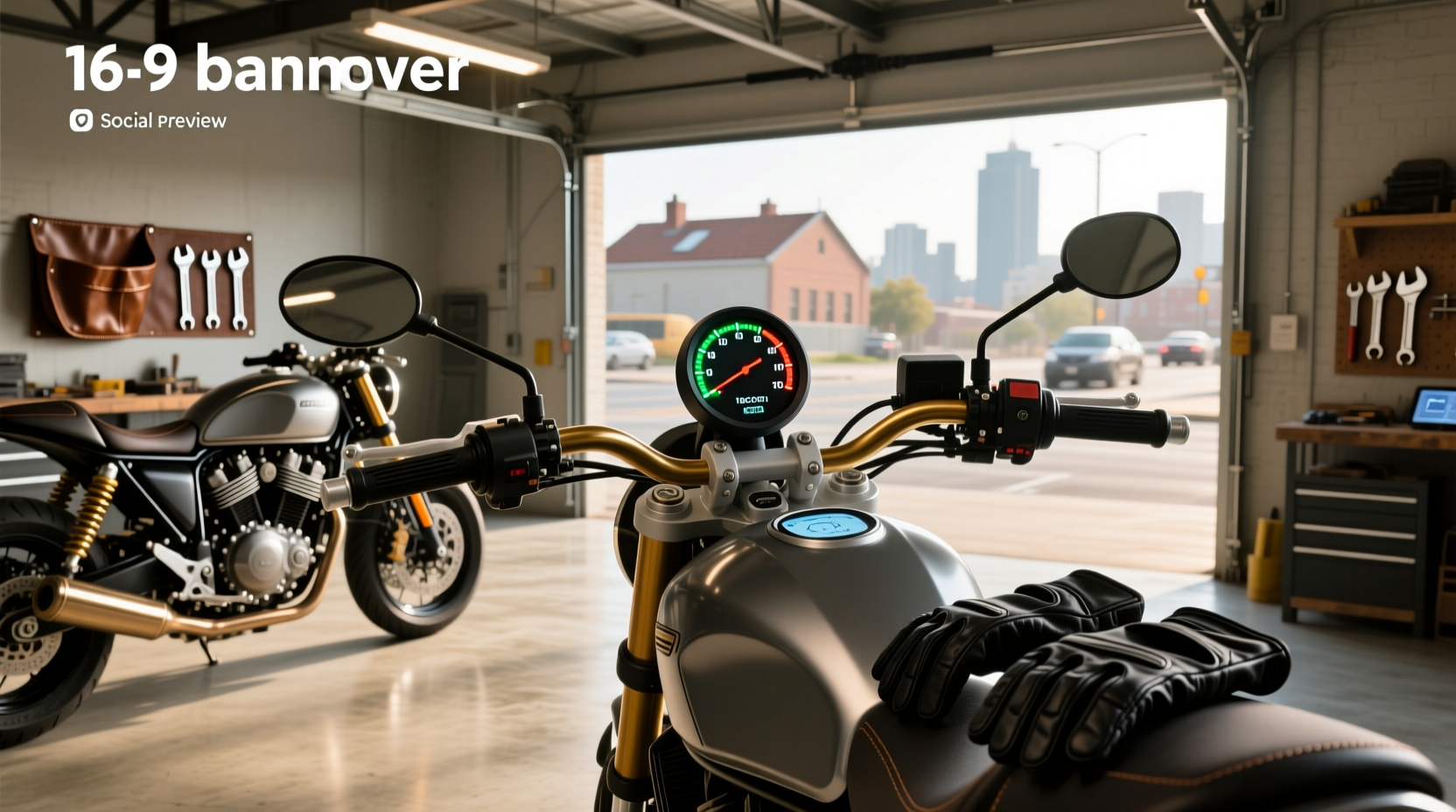
If you're searching for a tacómetro digital para moto universal, you're likely looking to upgrade your bike’s instrumentation with a reliable, plug-and-play solution that works across multiple models. A universal digital tachometer measures engine RPM (revolutions per minute), often includes odometer, trip meter, speed, and even hour meters for maintenance tracking—offering riders better control and insight into their motorcycle's performance. Unlike OEM-specific gauges, universal units are designed to fit most motorcycles, making them ideal for custom builds, older models lacking digital displays, or riders upgrading from analog dials.
This guide breaks down everything you need to know before buying and installing a universal digital tachometer: how they work, what makes one compatible with your bike, key features to look for, installation challenges, and common pitfalls to avoid. Whether you’re building a café racer, restoring a vintage model, or simply replacing a broken gauge, this article will help you make an informed decision based on real-world usability—not marketing hype.
What Is a Universal Digital Tachometer for Motorcycles?
A universal digital tachometer for motorcycles is an aftermarket instrument that displays engine speed in revolutions per minute (RPM) using electronic sensors and a digital LCD or LED screen. The term “universal” means it’s engineered to work with various engine types and ignition systems, typically supporting both 2-stroke and 4-stroke engines found in scooters, cruisers, sport bikes, and off-road machines.
These devices connect directly to the motorcycle’s ignition system—usually the spark plug wire or ECU signal output—and convert electrical pulses into readable RPM values. Many modern versions also integrate additional functions such as:
- 🕒 Hour meter (tracks engine runtime)
- 📊 Odometer and trip meter
- 🛣️ Speed display (when connected to speed sensor)
- ⛽ Fuel level monitoring (with optional sender)
- 🔔 Maintenance reminders
Because they don’t require proprietary communication protocols like CAN bus, these tachometers can be installed on older motorcycles without factory electronics.
Why Riders Install Universal Digital Tachometers
There are several reasons why motorcyclists choose to add or replace their stock tachometer with a universal digital unit:
🔧 For Custom Builds and Café Racers
Many custom motorcycle projects remove bulky stock instrument clusters for a minimalist look. A compact digital tachometer universal para moto fits neatly into small fairings or handlebar mounts while still providing critical engine data.
🛠️ Replacing Failed Stock Instruments
Older motorcycles may suffer from failing analog gauges or non-functional digital panels. Instead of sourcing expensive OEM replacements, riders opt for affordable universal alternatives that offer improved readability and added features.
📈 Performance Monitoring
Riders who modify their engines benefit from precise RPM feedback, especially when tuning carburetors, adjusting cam timing, or optimizing shift points. A clear digital readout helps prevent over-revving and improves throttle control.
📅 Maintenance Tracking
Some digital tachometers include built-in hour meters, which log total engine run time. This is particularly useful for small-engine applications (like generators or ATVs), but also valuable for motorcycles used in rental fleets or high-mileage touring where oil changes are scheduled by hours rather than miles.
How Does a Digital Tachometer Work on a Motorcycle?
Understanding how a tacómetro digital para motocicleta functions is essential for proper installation and troubleshooting. At its core, a tachometer counts the number of electrical pulses generated by the ignition system during each engine revolution.
In a 4-stroke engine, one combustion cycle occurs every two crankshaft revolutions, meaning the spark plug fires once every two rotations. Therefore, the number of sparks per minute correlates directly to engine RPM. The formula used internally by most tachometers is:
| Engine Type | Ignition Pulses per Revolution | RPM Calculation Factor |
|---|---|---|
| 4-Stroke Single Cylinder | 0.5 | x2 |
| 4-Stroke Twin Cylinder (Even Fire) | 1.0 | x1 |
| 2-Stroke Single Cylinder | 1.0 | x1 |
The tachometer uses this factor to scale the incoming pulse frequency into an accurate RPM reading. Most universal models allow users to select the correct ignition type via DIP switches or menu settings.
Key Features to Consider When Buying
Not all universal digital tachometers for motorcycles are created equal. Here are the most important features to evaluate before purchasing:
✅ Compatibility with Your Ignition System
Ensure the tachometer supports your engine’s firing pattern. Look for models labeled as compatible with:
- 12V DC systems (standard on most motorcycles)
- Inductive pickup (clamps around spark plug wire)
- ECU signal input (for fuel-injected bikes)
- Adjustable pulse counting (for multi-cylinder engines)
Some units only support single-cylinder engines unless manually configured.
📏 Display Type and Readability
LCD screens are common due to low power consumption, but some premium models use bright LED or OLED displays for better visibility in sunlight. Check for:
- Auto-dimming or adjustable brightness
- Water resistance rating (IP65 or higher recommended)
- Color options (red, blue, green backlighting affects night visibility)
⚙️ Additional Functions
Modern multifunction tachometers go beyond RPM. Useful extras include:
- Odometer/trip meter memory (retains value after power-off)
- User-settable shift lights
- Voltage monitoring (to detect charging issues)
- Programmable alarms
Be cautious: more features increase complexity and potential failure points.
🔌 Wiring and Installation Simplicity
A true universal tachometer should come with clear wiring diagrams and standard connectors. Essential wires usually include:
- Battery (+12V)
- Ground
- Ignition switch power
- Sensor input (from coil or ECU)
- Illumination wire (for dash lighting sync)
Look for models with color-coded cables and waterproof connectors to reduce errors.
Installation Guide: Step-by-Step Process
Installing a tacómetro digital universal requires basic electrical knowledge. Follow these steps carefully:
- Disconnect the battery – Always start by removing the negative terminal to prevent shorts.
- Mount the tachometer – Use included brackets or adhesive mounts in a visible location near the handlebars or headlight nacelle.
- Connect the sensor – Wrap the inductive pickup around the spark plug wire (not touching metal parts). Alternatively, connect to the negative terminal of the ignition coil or ECU tach output if available.
- Wire power connections – Connect red wire to switched 12V, black to ground, and white/yellow to illumination circuit if needed. \li> Configure settings – Set cylinder count and stroke type using onboard buttons or DIP switches.
- Test operation – Reconnect battery, start engine, and verify RPM rises with throttle.
⚠️ Common mistake: connecting the sensor to the wrong wire (e.g., positive coil terminal) can damage the unit. Always consult your bike’s service manual for correct signal source.
Troubleshooting Common Issues
Even well-installed tachometers can malfunction. Here are frequent problems and solutions:
❌ No Reading or Fluctuating RPM
- Cause: Weak ignition signal or interference
- Solution: Move sensor away from other wires; ensure tight clamp on plug wire
❌ Backlight Not Working
- Cause: Missing connection to dashboard lighting circuit
- Solution: Connect illumination wire to tail light or instrument cluster feed
❌ Incorrect RPM Display
- Cause: Wrong cylinder/stroke setting
- Solution: Recalibrate according to manufacturer instructions
❌ Unit Powers On But Freezes
- Cause: Voltage instability or grounding issue
- Solution: Test battery and regulator output; clean ground point
Are All Universal Tachometers Truly Interchangeable?
Despite being marketed as “universal,” not every tacómetro digital para moto universal will work seamlessly on all bikes. Key limitations include:
- Ignition system differences: CDI vs. EFI systems produce different signal types. Some tachometers only accept analog pulses, not digital square waves.
- Multi-cylinder synchronization: V-twins or inline-fours may require specific calibration to avoid erratic readings.
- Physical fitment: While electrically compatible, some units may be too large for tight spaces.
Always verify compatibility with your motorcycle make, model, and year before purchase. If unsure, contact the manufacturer with your bike’s specs.
Where to Buy and What to Expect Price-Wise
Universal digital tachometers are widely available through online marketplaces and specialty retailers. Pricing varies significantly based on brand, features, and build quality.
| Price Range | Features Included | Typical Use Case |
|---|---|---|
| $15–$30 | Basic RPM + hour meter, simple LCD | Scooters, small-displacement bikes |
| $30–$60 | Odometer, trip meter, adjustable backlight | Custom builds, daily riders |
| $60–$100+ | Multifunction display, waterproof housing, programmable alerts | Adventure bikes, performance builds |
While budget options exist, cheaper units may lack durability or accurate calibration. Look for products with user reviews highlighting long-term reliability.




 浙公网安备
33010002000092号
 浙B2-20120091-4