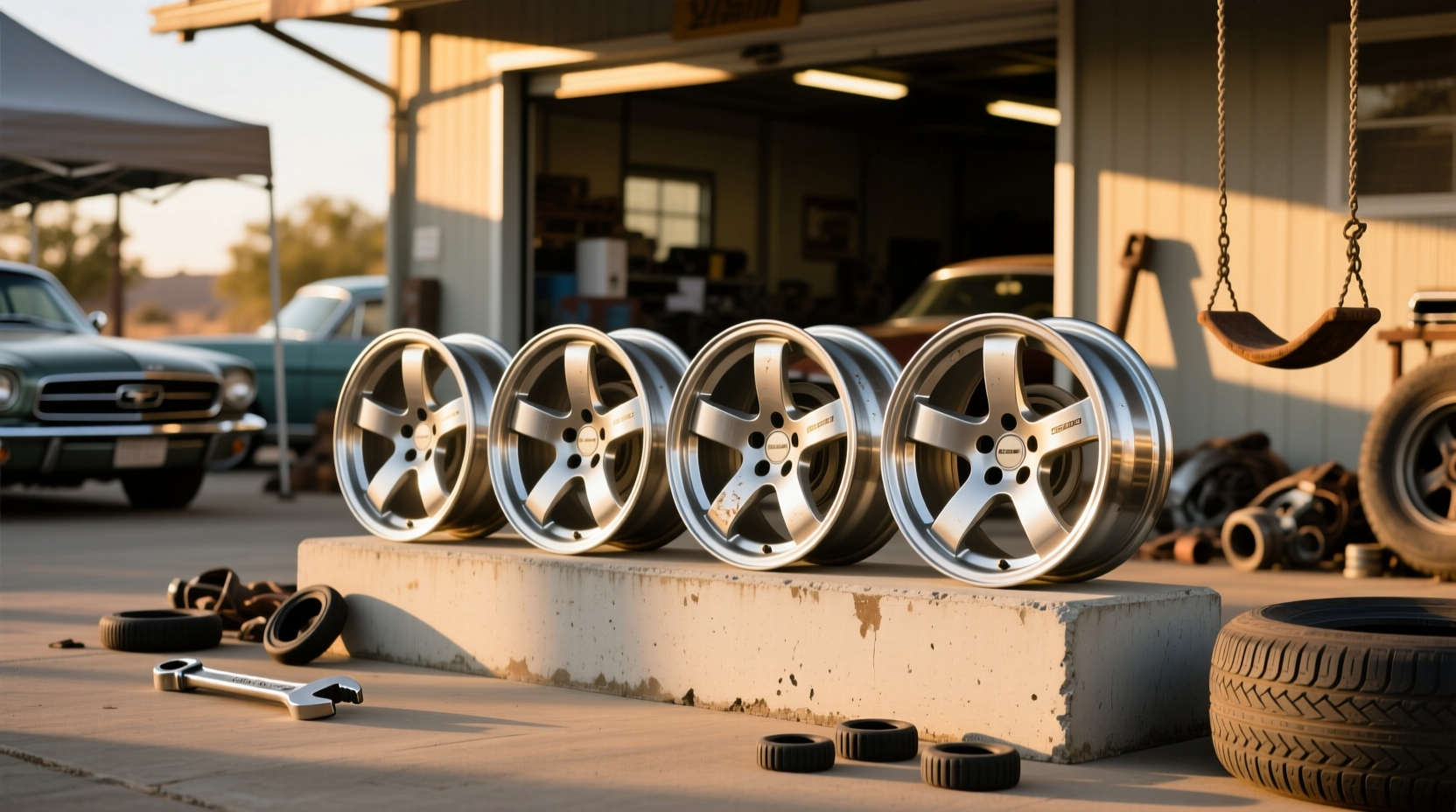
Shopping for a used alloy wheel for sale can save you hundreds of dollars compared to buying new, but it comes with risks if you don’t know what to look for. The key to a smart purchase lies in understanding wheel specifications—like bolt pattern, offset, diameter, and finish—while carefully inspecting for structural damage, curb rash, or previous repairs. Many drivers search for terms like 'used alloy wheel for sale near me' or 'affordable used rims for car' to cut costs on replacements or upgrades, especially after seasonal tire changes or minor accidents. This guide breaks down everything you need to evaluate before buying used alloy wheels, helping you avoid unsafe parts, poor fits, or hidden defects that could compromise performance and safety.
Why Drivers Consider Used Alloy Wheels
Alloy wheels enhance both aesthetics and vehicle performance, but OEM or aftermarket sets can cost $800–$2,500 depending on size and brand. For budget-conscious owners, searching for used alloy wheels for sale makes financial sense. Common reasons include:
- Cost savings: Used wheels often sell for 30%–60% less than new ones.
- Replacement needs: One damaged rim doesn't require replacing an entire set.
- Seasonal swaps: Some drivers use dedicated wheels for winter tires to preserve their primary set.
- Customization testing: Trying a new style or fitment without full investment.
However, unlike buying new from a manufacturer-backed supplier, purchasing used introduces uncertainty around history, authenticity, and long-term reliability.
Key Specifications to Verify Before Purchase
Not all wheels fit all vehicles. Mismatched specs lead to improper handling, vibration, or even mechanical failure. Always confirm these five core parameters match your vehicle’s requirements:
1. Bolt Pattern (Lug Pattern)
This refers to the number of lug holes and the diameter of the circle they form (e.g., 5x114.3mm). A mismatch prevents mounting. Common patterns include:
- 5x112 – Found on many Audis, BMWs, and Mercedes-Benz models
- 5x114.3 – Standard on Hondas, Fords, and Toyotas
- 6x139.7 – Typical for larger trucks and SUVs like the Toyota Tundra
📏 Use a bolt pattern gauge or measure manually using a ruler or caliper for accuracy.
2. Wheel Diameter and Width
Diameter (e.g., 17-inch, 18-inch) must align with your tire size. Width affects stance and tire compatibility. Most listings categorize by size ranges such as:
- Under 15 inches – Rare; mostly older compacts
- 15–17 inches – Common for sedans and compact SUVs
- 17–18 inches – Popular mid-size crossover fitment
- 18–20 inches – Luxury and performance vehicles
- Over 20 inches – High-end trucks and sports cars
Always cross-check with your owner’s manual or a trusted fitment database before assuming compatibility.
3. Offset (ET Value)
Offset determines how far the wheel sits inward or outward from the hub mounting surface. Measured in millimeters (e.g., ET+35), incorrect offset causes rubbing against suspension or fenders. Too low (negative) pushes the wheel out; too high tucks it in excessively.
🔧 Tip: Even a 10mm difference can create clearance issues, especially with wide-body kits or lowered suspensions.
4. Center Bore (Hub Bore)
This is the hole in the center that centers the wheel on the axle hub. Ideally, it should perfectly match your vehicle’s hub diameter (e.g., 57.1mm for VW Group cars). If slightly larger, hub-centric rings can adapt it—but never install without them, as lug-centric mounting increases stress and vibration risk.
5. Finish and Coating Type
Common finishes include:
- Silver/Polished: Shiny metal surface; prone to corrosion if clear coat fails
- Matte Black: Modern look; harder to repair curb damage evenly
- Machined Face: Partially polished grooves; shows scratches easily
- Gloss Black: Reflective coating; chips reveal silver base underneath
- Bronze/Gold: Specialty color; may affect resale value
Finish impacts not just appearance but also maintenance needs and durability.
Where to Find Used Alloy Wheels
Several channels offer used alloy wheels for sale, each with trade-offs in trust, selection, and price:
🛒 Online Marketplaces (eBay, Facebook Marketplace)
Platforms like eBay list thousands of used wheels with filters for size, bolt pattern, and price. Advantages include broad inventory and buyer protection programs. However, photos may hide damage, and sellers aren’t always knowledgeable about technical specs.
🔍 Pro tip: Ask for real-time photos showing the inner barrel and behind the spokes—common places for cracks or welding repairs.
📍 Local Tire Shops & Wheel Specialists
Some shops keep used or trade-in wheels for resale. These are often inspected and sometimes come with limited warranties. Examples include local businesses rated highly on Google Maps under “used alloy wheel for sale near me.” While prices may be higher than private sales, professional inspection adds peace of mind.
🏭 Salvage Yards and Insurance Auctions
Cars totaled in accidents often have undamaged wheels. Salvage yards sell individual parts, including rims. Insurance auction sites like Copart or IAAI allow public bidding but usually require pickup or freight arrangements. Condition varies widely—inspect thoroughly before purchase.
👥 Forums and Enthusiast Communities
Niche communities (e.g., Reddit’s r/wheels, model-specific forums) host members selling wheels removed during upgrades. These buyers often provide detailed histories and original equipment documentation. Trust builds over time within active groups.
| Source | Pros | Cons | Avg. Price Range (Set of 4) |
|---|---|---|---|
| eBay / Online Retailers | Large selection, shipping available | Risk of misrepresentation | $200–$600 |
| Local Classifieds | No shipping fees, instant access | Limited negotiation power | $150–$400 |
| Tire & Wheel Shops | Inspected, return options | Premium pricing | $300–$800 |
| Salvage Yards | Lowest prices, OEM availability | No returns, variable quality | $100–$350 |
| Enthusiast Groups | Knowledgeable sellers, clean history | Geographic limitations | $250–$700 |
What to Inspect When Buying Used Wheels
Visual appeal isn’t enough. Structural integrity is critical. Here’s a checklist to follow:
✅ Surface Damage Assessment
- Curb Rash: Minor scuffing on the outer lip is common and often repairable. Deep gouges weaken the rim edge.
- Scratches: Light surface marks on face or spoke area are cosmetic. Deep scratches into metal suggest prior impact.
- Paint/Coating Peeling: Indicates exposure to moisture or poor refinishing work.
⚙️ Structural Integrity Checks
- Cracks: Look closely at spoke bases and near lug holes. Hairline fractures grow under stress and can lead to sudden failure.
- Bends/Warps: Place the wheel on a spindle or rotate it slowly while holding a fixed pointer nearby. Any wobble over 1–2mm suggests bending.
- Weld Repairs: Never buy wheels with visible weld patches unless done by certified professionals using proper alloys and heat treatment.
✨ Inner Barrel and Backside Inspection
The inside of the wheel bears stress from mounting and road forces. Check for:
- Rust buildup (especially on aluminum with compromised coating)
- Dents or buckling along the barrel wall
- Previous balancing weight removal signs (excessive scraping)
Pricing: What Should You Pay?
Prices vary significantly based on brand, size, rarity, and condition. As of 2024, average market rates for a set of four used alloy wheels in fair to good condition are:
- 15–17 inch: $150–$350
- 17–18 inch: $250–$500
- 18–20 inch: $400–$700
- Over 20 inch: $600+
OEM wheels from luxury brands (e.g., BMW, Lexus) typically command higher prices due to demand and fitment specificity. Aftermarket brands like Enkei or OZ Racing retain value better than generic labels.
Red Flags to Avoid
Watch out for these warning signs that indicate potential problems:
- No return policy: Reputable sellers offer short windows for returns.
- Vague descriptions: Phrases like “used rims” without bolt pattern or size details suggest lack of expertise.
- Too-good-to-be-true pricing: Extremely low prices may mean stolen goods or non-functional parts.
- Missing center caps or valves: Not a dealbreaker, but could signal incomplete sets or neglect.
- Refinished wheels: Powder-coated or repainted rims may hide prior damage.
Can You Install Used Wheels Immediately?
Even if the wheels appear sound, several steps ensure safe operation:
- Mounting: Have a professional mount tires to avoid bead damage.
- Balance: All wheels should be dynamically balanced to prevent vibration.
- Alignment: After installation, get a wheel alignment to maintain even tire wear.
- Test Drive: Drive cautiously at low speeds first, checking for vibrations or noises.
⚠️ Never drive aggressively until you’re confident the wheels are secure and true.
Regional Differences and Seasonal Trends
Demand for used alloy wheels fluctuates by region and season. In northern U.S. states, drivers often sell summer wheels in fall to fund winter setups. Conversely, southern regions see steady year-round interest due to climate stability.
Searches like “used alloy wheel for sale near Texas” or “California used rims” reflect localized supply. Urban areas generally offer more choices, while rural buyers may rely on online shipping—adding $50–$150 in freight costs.
Common Misconceptions About Used Wheels
Several myths persist among buyers:
- Myth: All used wheels are risky.
Reality: Well-maintained wheels from low-mileage vehicles are often as reliable as new. - Myth: Size is the only thing that matters.
Reality: Fitment involves multiple interdependent specs beyond diameter. - Myth: Refurbished = new condition.
Reality: Refurbishment covers up flaws but doesn’t restore structural strength lost to damage.
When Not to Buy Used Alloy Wheels
Despite potential savings, there are situations where buying used is unwise:
- You need exact OEM specifications for warranty or insurance compliance.
- The wheel has any sign of prior impact damage, even if repaired.
- You lack access to a qualified installer for verification.
- The vehicle is used for towing, racing, or heavy-duty applications where failure risks are unacceptable.
Final Tips for a Smart Purchase
To maximize value and minimize risk when searching for used alloy wheels for sale:
- Know your vehicle’s exact fitment specs before browsing.
- Request multiple high-resolution photos from different angles.
- Ask about the origin: Were they removed during an upgrade? From a wrecked car?
- Prefer local pickup so you can inspect in person.
- Use a torque wrench during installation to avoid over-tightening lugs.
Frequently Asked Questions
Here are answers to common follow-up questions about purchasing used alloy wheels:
Can I mix used and new alloy wheels on the same car?
No. Mixing wheel ages or conditions can lead to uneven weight distribution, imbalance, and unpredictable handling. Always replace all four together or keep matched pairs per axle.
Are cracked alloy wheels repairable?
Some small cracks in aluminum wheels can be professionally TIG-welded, but structural integrity is never fully restored. Repaired wheels should not be used on driven axles or high-speed applications.
Do used alloy wheels come with TPMS sensors?
Rarely. Most used wheels are sold bare. You’ll need to transfer your existing TPMS valves or purchase new ones, which must be programmed to your vehicle.
How do I verify if a used wheel is compatible with my car?
Cross-reference the bolt pattern, offset, center bore, and diameter with your vehicle’s factory specs using online tools like WheelSize.app or TireRack’s fitment guide.
Is it safe to buy used alloy wheels online?
Yes—if the seller provides detailed photos, accurate measurements, and a return option. Avoid purchases without clear policies or verifiable contact information.




 浙公网安备
33010002000092号
 浙B2-20120091-4