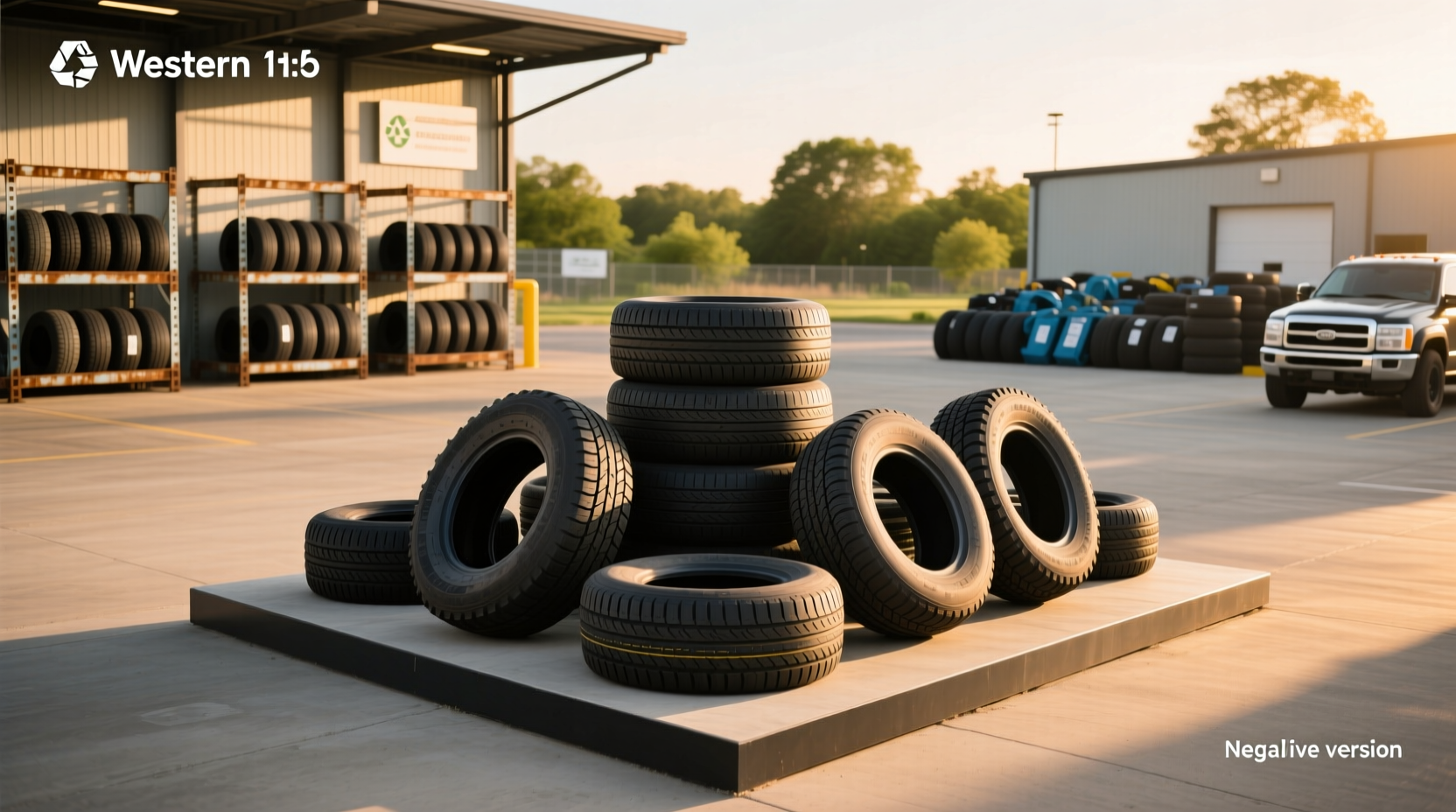
If you're searching for a used tires website that offers affordable yet safe options, you're not alone. Thousands of drivers turn to online platforms each year to save hundreds on tire replacements. But while buying used tires can cut costs by up to 50%, the decision comes with real risks—especially if you don't know what to look for. The key is understanding how to evaluate tread depth, tire age, structural integrity, and seller credibility before making a purchase. This guide breaks down everything you need to know when shopping for used tires online, including red flags to avoid, inspection techniques, and how to compare listings across different platforms.
Why People Buy Used Tires Online
For many car owners, replacing all four tires at once is a major expense. New all-season tires can cost anywhere from $600 to over $1,200 installed, depending on vehicle type and brand. That’s why more consumers are turning to used tires websites as a budget-friendly alternative. According to industry estimates, buyers can save between 30% and 50% by purchasing quality used tires instead of new ones 1.
Common reasons people explore used tire options include:
- Financial constraints: Sudden tire failure or wear can catch drivers off guard, especially those without emergency funds.
- Lease return vehicles: Some drivers replace worn tires with used sets just before returning leased cars to avoid excessive wear fees.
- Secondary vehicles: For trucks, trailers, or seasonal cars, full-price new tires may not make economic sense.
- Off-road or work use: Vehicles used in construction or rural settings often get damaged tires quickly, making lower-cost replacements appealing.
Are Used Tires Safe? Understanding the Risks
The safety of used tires depends entirely on their condition and history. Unlike new tires, which come with manufacturer warranties and known production dates, used tires have an unknown past. They could have been driven underinflated, overloaded, or repaired improperly—all factors that compromise structural integrity.
Key safety concerns include:
- Aging rubber: Tires degrade over time, even with low mileage. Most manufacturers recommend replacement after six years, regardless of tread depth 2.
- Hidden damage: Internal belt separation or sidewall bubbles may not be visible without close inspection.
- Poor repairs: A tire patched only from the inside (without a plug) is unsafe for highway use and violates most repair standards.
- Tread wear indicators: Once tread depth reaches 2/32", the tire is legally worn out and should not be sold or used.
How to Evaluate a Used Tire Before Buying
When shopping on a used tires website, photos and descriptions are your primary tools. Here's what to check:
✅ Tread Depth
New tires start with about 10/32" to 11/32" of tread. A good rule of thumb is that tires with less than 4/32" offer significantly reduced wet traction. Use a tread depth gauge or penny test (insert penny head-first into groove; if Lincoln’s head is fully visible, tread is below 2/32").
✅ Tire Age (DOT Code)
Check the DOT number on the sidewall. The last four digits indicate week and year of manufacture. For example, "2123" means the 21st week of 2023. Avoid tires older than six years, and never install tires over ten years old—even if they look fine.
✅ Visual Inspection Points
Look for these signs of wear or damage in product images:
- Cracking (dry rot): Small cracks in sidewalls or between treads suggest aging or UV exposure.
- Uneven wear: Can indicate alignment issues or internal damage. \li> Bulges or blisters: Signal broken internal belts—immediate hazard.
- Nail holes or previous repairs: Acceptable only if properly plugged and patched from inside.
- Exposed cords or steel belts: Unsafe for any use.
✅ Brand and Model Consistency
Stick to reputable brands like Michelin, Bridgestone, Goodyear, or Continental. These tend to have better build quality and longer lifespans. Also, ensure the tire size matches your vehicle’s specifications exactly (e.g., P215/65R16).
| Evaluation Factor | Safe Range | Risk Level |
|---|---|---|
| Tread Depth | ≥ 4/32" | Low (if uniform) |
| Tire Age | < 6 years | Moderate to High if older |
| Dry Rot Cracks | None visible | High if present |
| Repair Type | Plug + Patch | Unsafe if patch-only |
| Sidewall Bubbles | None allowed | Critical risk |
Best Practices When Using a Used Tires Website
Not all online sellers provide the same level of transparency or quality control. Follow these steps to minimize risk:
🔍 Verify Seller Reputation
Search for reviews on Google, BBB, or forums like Reddit’s r/MechanicAdvice. Look for consistent feedback about honesty, accuracy of listings, and responsiveness to issues.
📸 Request Additional Photos
Reputable sellers will allow you to request high-resolution images of both sidewalls, tread surfaces, and DOT codes. Be wary of stock photos or blurry images.
🚚 Ask About Return Policy
Some online vendors offer short return windows (e.g., 14 days). Confirm whether shipping is refundable and who covers return costs.
⚙️ Check for Quality Inspections
Top-tier used tire websites perform multi-point inspections. Look for mentions of “3-stage inspection” or “pressure testing.” If no process is described, assume none was done.
📌 Compare Prices Realistically
If a deal seems too good to be true, it probably is. Extremely low prices often reflect poor condition, hidden damage, or illegal imports. Average price ranges:
- Economy car tires (e.g., 185/65R15): $40–$70 each
- SUV/Light truck (e.g., 235/70R16): $60–$90 each
- Performance tires (e.g., 245/40R18): $80–$120 each
Where to Buy Used Tires Online: Platform Comparison
Several types of platforms sell used tires. Each has pros and cons:
eBay Motors
One of the largest marketplaces for used auto parts. Offers buyer protection and local pickup options. However, condition descriptions vary widely by seller. Always filter by “Returns Accepted” and check seller ratings.
Specialty Used Tire Websites
Websites like United Tires, Champtires, or GoUsedTires focus exclusively on tires. Many offer free shipping and limited warranties. However, independent reviews sometimes report inconsistent quality control, such as tires with improper repairs 3.
Local Tire Shops with Online Listings
Many brick-and-mortar shops now list inventory online (e.g., Broadway Tire & Auto, Rob’s Guaranteed Used Tires). Advantages include in-person inspection and installation services. Use Google Maps to find “used tires near me” and verify shop ratings.
Lease Return Resellers
Some companies specialize in tires removed from leased vehicles. These often have low mileage but may show uneven wear due to lack of rotation. Ask for maintenance records if possible.
Regional Differences in Used Tire Laws
Regulations governing the sale of used tires vary by state. For example:
- California: Requires tread depth ≥ 2/32" and bans recapped tires on front axles.
- New York: Mandates disclosure of any prior repairs.
- Texas: Allows sale of used tires with no minimum tread depth, provided they’re labeled accurately.
Common Misconceptions About Used Tires
Several myths persist about used tires. Let’s clarify them:
❌ "All used tires are dangerous"
False. Well-maintained tires with adequate tread and no structural damage can be perfectly safe for limited use.
❌ "If it looks good, it’s safe"
Appearance doesn’t reveal internal damage. Belt separation or moisture intrusion can occur beneath the surface.
❌ "Used tires can last as long as new ones"
Unlikely. Even with remaining tread, aged rubber loses elasticity and heat resistance, increasing blowout risk.
❌ "Selling used tires online is unregulated"
Partially false. While federal oversight is limited, sellers must comply with FTC truth-in-advertising rules and state safety laws.
When NOT to Buy Used Tires
Certain situations make used tires a poor choice:
- Primary daily driver: Especially in rainy or snowy climates where grip is critical.
- Long-distance commuters: Risk of failure increases with highway speed and duration.
- Families or passengers: Safety margins should be maximized.
- Unknown tire history: If the seller can’t provide origin or usage details.
- No warranty or return option: Leaves you stuck with defective products.
Tips for Installing and Maintaining Used Tires
If you decide to proceed, follow these best practices:
- Have them professionally inspected: A trusted mechanic can spot issues missed in photos.
- Balance and align: Used tires often develop irregular wear patterns needing correction.
- Rotate regularly: Every 5,000–7,500 miles to extend life.
- Monitor pressure monthly: Older tires are more sensitive to underinflation.
- Set a replacement timeline: Plan to replace within 1–2 years, even if tread remains.
Alternatives to Buying Used Tires
If safety concerns outweigh savings, consider these options:
- Certified refurbished tires: Rare in the U.S., but some companies re-tread commercial tires to standards.
- Budget new tires: Brands like Sumitomo, Delinte, or Westlake offer decent performance at lower prices.
- Payment plans: Some shops partner with financing services (e.g., Affirm) to spread out costs.
- Trade-in programs: Check if retailers offer discounts for turning in old tires.
Final Checklist Before Buying on a Used Tires Website
Before clicking “buy,” ask yourself:
- Is the tread depth ≥ 4/32"?
- Is the tire less than 6 years old (based on DOT code)?
- Are there no bulges, cracks, or exposed steel?
- Has it been properly repaired (plug + patch), if needed?
- Does the seller offer returns or warranty?
- Have I checked third-party reviews of the vendor?
- Is this tire size correct for my vehicle?
Frequently Asked Questions (FAQ)
Can I trust online used tire websites?
Some are trustworthy, but due diligence is essential. Look for detailed photos, clear return policies, and third-party reviews before buying.
How much do used tires typically cost?
Prices range from $40 to $120 per tire, depending on size, brand, and condition. Larger or performance tires cost more.
What is the 3% tire rule?
There is no official “3% tire rule.” Some confuse this with tread depth recommendations. The legal minimum is 2/32", but safety experts advise replacing at 4/32" for wet weather safety.
Do Discount Tire or similar chains sell used tires?
Yes, some locations of Discount Tire and regional shops like Broadway Tire & Auto offer inspected used tires with warranties.
Is it legal to sell used tires online in the U.S.?
Yes, but sellers must comply with state-specific safety and labeling laws. Tires must meet minimum tread depth and structural integrity standards where applicable.




 浙公网安备
33010002000092号
 浙B2-20120091-4