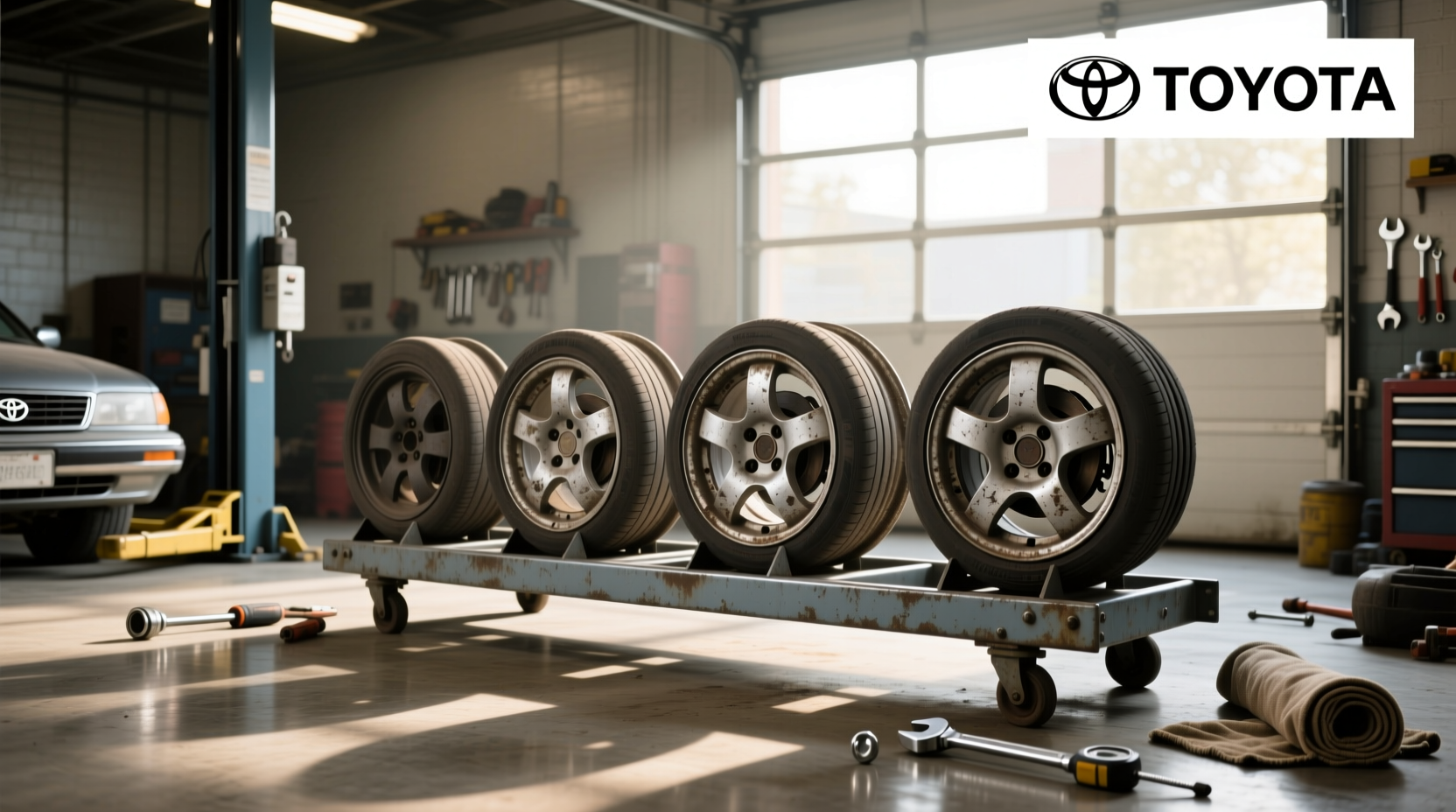
When searching for used Toyota Corolla wheels, the key is finding a set that matches your model year’s specifications while offering long-term durability and value. Many buyers overlook critical factors like bolt pattern (5x100), offset (typically +45 to +55), and wheel diameter—leading to costly installation issues or unsafe driving conditions. This guide breaks down everything you need to know before buying used wheels for your Corolla, including compatibility across model years from 2009 to 2025, alloy vs. steel differences, and how to inspect for hidden damage that could compromise safety.
Why Compatibility Matters When Buying Used Toyota Corolla Wheels
One of the most common mistakes when purchasing used wheels is assuming all Corolla rims are interchangeable. While many models share similar specs, even small deviations in lug pattern, center bore, or offset can result in improper fitment, vibration at highway speeds, or premature tire wear.
The standard bolt pattern for most Toyota Corollas from 2009 onward is 5x100 mm, meaning five lug nuts spaced evenly on a 100mm diameter circle. However, some high-performance trims like the GR Corolla use a different setup, so it's essential to verify your specific trim level. The center bore—the hole in the middle of the wheel that fits over the hub—is typically 54.1 mm for Corollas. If a used wheel has a smaller bore, it won’t seat properly; if larger, you’ll need hub-centric rings to ensure alignment ✅.
Offset, measured in millimeters, determines how far the wheel sits inward or outward from the fender line. Most factory Corolla wheels range between +45 and +55 mm. A lower offset pushes the wheel outward, which may cause rubbing against suspension components or fenders, especially if the car has been lowered ⚠️. Always cross-check these three metrics—bolt pattern, center bore, and offset—before making a purchase.
Toyota Corolla Wheel Sizes by Model Year
Wheel size varies significantly depending on the generation and trim of your Corolla. Knowing your exact model year helps narrow down compatible options and avoid mismatched sets.
| Model Years | Common Wheel Sizes | Trim Levels | OEM Part Numbers |
|---|---|---|---|
| 2009–2013 | 15", 16" | L, LE, S | PT758-02160, PT946-02210-02 |
| 2014–2018 | 16", 17" | LE, SE, XLE | 75208, 75235 |
| 2019–2022 | 16", 17", 18" | L, SE, XSE, Hatchback | 75236, 4261102M90 |
| 2023–2025 | 17", 18" | XSE, SE, GR Corolla | 4261112E10, STLTT043U45 |
For example, base trims like the L or LE often come with 15-inch or 16-inch steel wheels wrapped in full covers, while sportier versions such as the SE or XSE feature 17-inch or 18-inch alloy rims. The GR Corolla, introduced in 2023, uses unique 18-inch forged wheels designed for performance handling, which are not directly interchangeable with standard models ❗.
If you're upgrading from a 16-inch to an 18-inch setup, confirm that your brake calipers clear the new wheels and that your tires maintain a similar overall diameter to prevent speedometer inaccuracies 📊.
Alloy vs. Steel Wheels: Pros and Cons for Used Buyers
When browsing used Toyota Corolla wheels, you'll encounter two main types: alloy and steel. Each has advantages and drawbacks based on budget, climate, and intended use.
Alloy Wheels
- Pros: Lighter weight improves fuel efficiency and handling; better heat dissipation for brakes; modern aesthetic appeal ✨
- Cons: More prone to cracking under impact; higher cost; finishes like machined or gloss black can chip easily
Used alloy wheels are popular among owners looking to enhance appearance without buying new. However, inspect them carefully for curb rash, cracks near the spokes, or bent edges. Even minor bends can lead to imbalance and vibrations at higher speeds 🔧.
Steel Wheels
- Pros: Durable in harsh weather; cheaper to replace; ideal for winter tires; less likely to crack from potholes
- Cons: Heavier, reducing acceleration and braking response; prone to rust if paint is damaged; less visually appealing
Many drivers keep a separate set of steel wheels with snow tires for winter driving. Since they’re built for function over form, finding used steel rims in good condition is usually easier and more affordable than alloys.
How to Inspect Used Toyota Corolla Wheels Before Purchase
Buying used wheels requires more scrutiny than new ones. Here’s a step-by-step checklist to help identify potential issues:
- Visual Inspection: Look for deep scratches, cracks, or warping. Pay close attention to the inner barrel and behind the spokes where damage may be hidden 🧐.
- Runout Test: Place the wheel on a balancer or spin it slowly. If the outer edge wobbles side-to-side (lateral runout) or up-and-down (radial runout), it’s likely bent.
- Lug Hole Condition: Check for elongated or stripped holes—signs of overtightening. These can prevent secure mounting and create dangerous looseness.
- Center Bore Integrity: Ensure the hub seating area isn’t dented or deformed, as this affects balance and safety.
- TPMS Valve Stems: If buying wheels with tires, confirm the tire pressure sensors are included and functional. Replacing them adds extra cost.
Avoid wheels with repaired cracks or welded patches—they may fail under stress. Also, check whether the wheels include center caps and lug nuts, as missing parts can delay installation.
Where to Buy Used Toyota Corolla Wheels Safely
There are several places to find used Corolla wheels, each with trade-offs in price, convenience, and reliability.
eBay Motors
eBay offers a wide selection of used OEM and aftermarket wheels with buyer protection policies. Sellers often provide detailed photos and measurements. Use filters for “OEM,” “hub-centric,” and “tested for cracks” to improve quality screening. Be cautious of sellers with low ratings or vague descriptions.
Local Junkyards & Salvage Yards
Scrap yards like Pick-n-Pull allow hands-on inspection before purchase. You can verify fitment and condition firsthand, potentially saving hundreds compared to retail prices. Call ahead to confirm availability based on VIN or model year.
Online Marketplaces (Facebook Marketplace, Craigslist)
These platforms offer local deals with no shipping fees. Meet in daylight at public locations and bring tools to test-mount one wheel if possible. Beware of scams involving stolen vehicles or misrepresented conditions.
Dedicated Wheel Retailers
Some online stores specialize in OEM wheels and list detailed fitment data. Sites like Detroit Wheel and Tire or Fitment Industries carry used and refurbished Corolla rims with warranties and return policies. While slightly pricier, they reduce risk.
Cost Comparison: New vs. Used Toyota Corolla Wheels
New OEM Toyota Corolla wheels range from $150 to $350 each, depending on design and model year. A full set could cost over $1,200 before installation. In contrast, used OEM wheels typically sell for $60 to $180 per wheel, cutting costs by 40–60%.
Aftermarket alloys may offer stylistic upgrades but vary in quality. Low-cost replicas might lack proper load ratings or corrosion resistance. Stick to reputable brands like Apex, Enkei, or Vossen if considering non-OEM options.
Factor in additional expenses: tire mounting ($15–$25 per wheel), balancing, valve stem replacement, and disposal fees for old tires. Some shops offer package deals that reduce labor costs.
Can You Mix and Match Used Wheels?
While technically possible, mixing different wheel designs, offsets, or sizes on the same vehicle is strongly discouraged. Mismatched wheels can cause uneven handling, traction control errors, and accelerated drivetrain wear.
If replacing only one damaged wheel, try to source an identical match in finish and spec. Minor color fading is acceptable, but structural differences aren't worth the risk.
Seasonal Use and Wheel Rotation Tips
Many Corolla owners use dedicated wheel and tire sets for summer and winter driving. This extends tread life and avoids repeated mounting/dismounting. Store off-season wheels in a cool, dry place vertically to prevent flat-spotting.
Rotate your wheels every 6,000–8,000 miles to promote even tire wear. Front-wheel-drive Corollas experience faster front tire degradation due to power delivery and steering forces.
Common Misconceptions About Used Toyota Corolla Wheels
- Misconception: All Corolla wheels from the past decade fit any model.
Reality: While many share 5x100 bolt patterns, offset and diameter differences exist between sedans and hatchbacks. - Misconception: Larger wheels always improve performance.
Reality: Oversized wheels increase unsprung weight, hurt ride comfort, and raise fuel consumption unless paired with appropriate suspension tuning. - Misconception: Refurbished wheels are unreliable.
Reality: Professionally refinished wheels with proper welding and powder coating can last as long as new ones—if done correctly.
Frequently Asked Questions (FAQs)
- Can I put 17-inch wheels on a Toyota Corolla that came with 16-inch?
- Yes, provided the bolt pattern (5x100), offset (+45 to +55), and tire diameter are compatible. Verify clearance with your brake system and fenders before installation.
- What years of Toyota Corolla wheels are interchangeable?
- Wheels from 2014–2018 Corollas are generally interchangeable within the same body style. Always confirm center bore (54.1mm) and offset. Avoid using GR Corolla wheels on standard models due to performance-specific design.
- Are used OEM wheels safer than aftermarket ones?
- OEM wheels are engineered specifically for your vehicle’s load and dynamics, making them inherently reliable if undamaged. Aftermarket wheels vary in quality—choose those with JWL/VIA certification for safety assurance.
- How do I know if a used wheel is bent?
- Spin the wheel slowly and watch for lateral or radial movement. Even 1–2mm of wobble indicates a bend. Professional shops use dial indicators for precise measurement.
- Do used wheels come with TPMS sensors?
- Sometimes, but not always. Confirm with the seller. If not included, you’ll need to transfer sensors from your old wheels or purchase replacements (~$50–$100 each).




 浙公网安备
33010002000092号
 浙B2-20120091-4