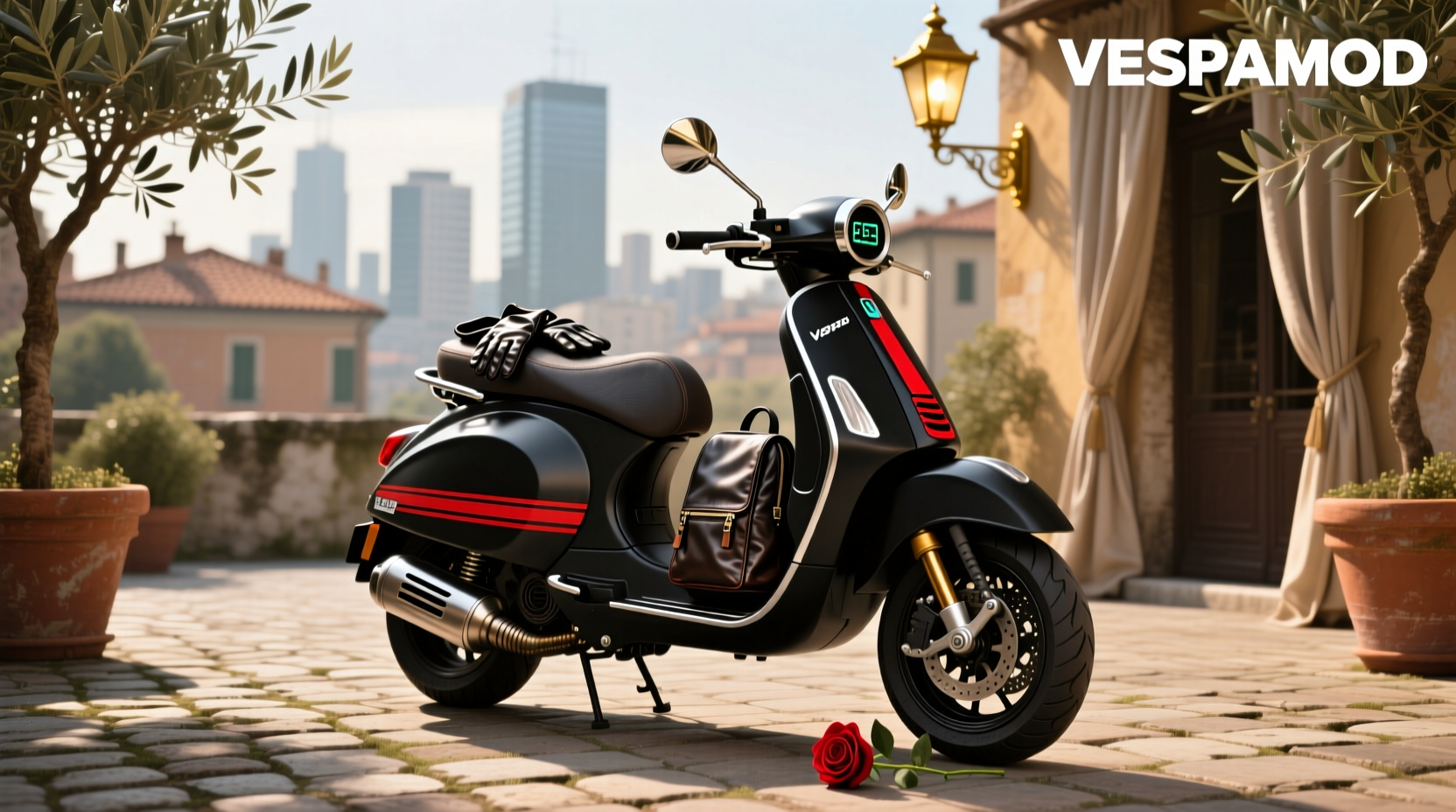
Upgrading your Vespa with modified rims can significantly enhance both aesthetics and performance—but only if done correctly. Whether you're customizing a vintage PX model or improving handling on a modern Sprint, choosing the right aftermarket wheel requires understanding fitment, material differences, and potential trade-offs. This guide breaks down everything Vespa owners need to know before modifying their scooter’s wheels, including compatibility across models like the Primavera, GTS, and PX series, plus insights into forged vs. cast alloys, tubeless conversions, and where modifications may require professional adjustments.
Why Modify Vespa Rims?
Many Vespa enthusiasts turn to modified Vespa rims not just for visual appeal but also to improve ride quality, tire selection options, and long-term durability. Factory wheels, while reliable, are often designed for balance rather than sportiness or personalization. Aftermarket or modified rims offer several advantages:
- Better grip and stability through wider rim profiles that support larger tires
- Improved braking performance, especially when upgrading from drum to disc setups
- Enhanced curb appeal with two-tone finishes, CNC-machined designs, or lightweight forged construction
- Weight reduction via aluminum alloy rims, which can improve acceleration and suspension response
However, these benefits come with important considerations around fitment, cost, and legality in some regions—especially when altering original equipment beyond manufacturer specifications.
Common Vespa Models and Rim Compatibility
Not all Vespa scooters accept the same rims. The key is matching bolt pattern, hub diameter, offset, and brake type. Below is a breakdown of popular models and compatible rim types:
| Vespa Model | Stock Rim Size | Compatible Aftermarket Options | Notes |
|---|---|---|---|
| Vespa PX / PK / Rally | 3.50 x 8" steel | Split-rim steel, SIP Series, FA Italia | Fits most classic 2-stroke models; ABS-free design |
| Vespa Sprint / Primavera | 3.0 x 12" alloy | Forged MOS, BGM, CNC 1O1 Factory | Tubeless-ready; verify clearance with fenders |
| Vespa GTS / GTV / GT60 | Front: 3.0 x 12", Rear: 3.5 x 12" | SIP Pordoi, Original Vespa Sprint rims | Non-ABS front rims only; ABS models may need modification |
| Vespa LML / T5 | 3.50 x 8" | Universal split-rim sets | Interchangeable with PX in many cases |
Always confirm whether your model has an ABS system, as this affects rear hub compatibility. For example, some aftermarket rims listed as fitting “all GTS models” explicitly state they must be modified for ABS-equipped versions 1. Ignoring this detail could lead to improper brake alignment or failure to mount.
Types of Modified Vespa Rims
There are three primary categories of modified rims available: cast alloy, forged alloy, and upgraded steel. Each has distinct characteristics affecting weight, strength, price, and maintenance needs.
Cast Alloy Rims ✨
Casted alloy rims are made by pouring molten aluminum into molds. They’re lighter than stock steel wheels and offer improved heat dissipation and corrosion resistance.
- Pros: Affordable (typically $70–$150), wide availability, good finish options
- Cons: Heavier than forged, more brittle under impact
- Best for: Daily riders seeking cosmetic upgrades without major performance gains
Popular brands include SIP Scootershop and BGM Pro. These are commonly found on eBay and specialty shops like Scooterwest.
Forged Alloy Rims ⚙️
Forged rims are formed under high pressure, resulting in denser metal grain structure and superior strength-to-weight ratio.
- Pros: Up to 30% lighter than cast, greater durability, better handling feedback
- Cons: Expensive ($600–$900+ for full set), limited color/design choices
- Best for: Performance-focused builds or track use
MOS Motor Taiwan produces a well-known line of forged rims compatible with Sprint 150 and Primavera models. Users report noticeable improvements in steering responsiveness and reduced unsprung weight 2.
Steel Rims (Upgraded Split-Rim) 🔧
Classic Vespa models originally came with split steel rims. Modern replacements maintain authenticity while offering refinements like smoother bead seats and zinc plating.
- Pros: Authentic restoration look, easy tube replacement, lower cost ($40–$80)
- Cons: Heavy, prone to rust if not maintained
- Best for: Vintage restorations or budget-conscious modifications
FA Italia and Piaggio OEM replicas are widely used in Europe and North America.
Key Considerations Before Modifying Your Vespa's Wheels
Before purchasing any modified rim, evaluate the following factors to ensure safety, compliance, and value.
1. Tubeless vs. Tubed Tires 🛞
Most modern Vespas (GTS, Sprint, Primavera) use tubeless tires mounted on sealed alloy rims. Older models (PX, T5) rely on inner tubes within split steel rims. Mixing systems without proper conversion can cause air leaks or blowouts.
- If switching from tubed to tubeless, verify the new rim is rated for tubeless use and seals properly.
- Some alloy rims marketed as “tubeless” still benefit from sealant application during installation.
- Never install a tube in a non-tubeless rim—even temporarily—as it risks explosive deflation.
2. Bolt Pattern and Hub Bore Matching 🔍
Vespa rims typically use a 4-bolt pattern with a center bore of approximately 75mm. However, slight variations exist between eras and manufacturers.
- Measure your current hub diameter before ordering.
- Use hub-centric rings if necessary to eliminate wobble.
- Avoid lug-centric adapters unless specifically engineered for scooters—they increase vibration risk.
3. Offset and Fender Clearance 📏
Wider rims or different offsets can rub against fenders or suspension components, especially during turns.
- Check clearance at full lock and under load.
- Some owners modify fender liners or trim plastic guards slightly—though this may affect warranty or inspection eligibility.
- Rear rims generally have tighter space constraints due to engine proximity.
4. Brake System Compatibility ⚠️
The rear hub integrates the brake drum or disc assembly. Swapping rims means ensuring compatibility with your existing brakes.
- Drum brake hubs require exact internal diameter matching.
- Disc brake rotors must align precisely with calipers—check rotor thickness and bolt circle.
- ABS-equipped models demand OEM-spec spacing to prevent sensor interference.
Installation Tips for Modified Vespa Rims 🛠️
While experienced mechanics might handle rim swaps themselves, certain steps require special tools or knowledge.
Required Tools
- Torque wrench (recommended: 18–22 Nm for wheel bolts)
- Rim clamps or tire levers (for tubed models)
- Bead seater or compressor (for tubeless mounting)
- Brake alignment gauge (if changing rotor position)
Step-by-Step Mounting Process
- Lift and secure the scooter using a stand.
- Remove old wheel and inspect bearings/hub for wear.
- Clean hub surface and apply anti-seize compound to axle threads.
- Mount new rim, hand-tighten bolts, then torque evenly in star pattern.
- Inflate tire gradually while checking for bead seating (listen for snaps).
- Reconnect speed sensor or ABS ring if applicable.
- Test ride at low speed first, checking for vibrations or noises.
For detailed visual guidance, consider referencing instructional videos from reputable channels like Vespa Motorsport on YouTube, which demonstrate real-world installations 3.
Where to Buy Reliable Modified Vespa Rims
Purchasing modified rims involves balancing price, authenticity, and shipping logistics. Here are trusted sources based on user reviews and market presence:
- SIP Scootershop: Offers extensive catalog of OEM-style and performance rims; ships globally; strong technical documentation.
- Scooterwest: U.S.-based retailer with fast delivery; carries branded parts including BGM and Vespa-original accessories.
- Falan Parts: Official European retailer; stocks premium CNC-forged sets; ideal for collectors or show builds.
- eBay Sellers (e.g., aespares, motofunshop): Competitive pricing but verify seller ratings and return policies carefully.
Avoid third-party marketplaces that promote unbranded clones without material certifications. Look for product listings that specify alloy grade (e.g., 6061-T6 aluminum) and manufacturing method (forged vs. cast).
Cost Range and Value Assessment 💰
Modified Vespa rims vary dramatically in price depending on material, brand, and rarity.
| Type | Avg. Price (Front or Rear) | Full Set Estimate |
|---|---|---|
| Steel Split Rim (Vintage) | $40–$75 | $80–$150 |
| Cast Alloy (SIP/BGM) | $80–$150 | $160–$300 |
| Forged Alloy (MOS/CNC) | $350–$450 | $700–$900+ |
| OEM Original (Vespa.com) | $180–$200 | $360–$400 |
When assessing value, consider total cost of ownership: forged rims may save money long-term by reducing tire wear and improving fuel efficiency due to lower rotational mass.
Legal and Safety Implications of Wheel Modifications
In many countries, modifying vehicle wheels falls under roadworthiness regulations. While aesthetic changes are usually permitted, structural alterations may require certification.
- In the EU, any change affecting safety systems (like ABS) must comply with ECE standards.
- In the U.S., DOT does not regulate scooters as strictly as motorcycles, but state inspections may reject non-OEM wheels lacking proper labeling.
- Insurance providers may deny claims if an accident is linked to unapproved modifications.
To stay compliant:
- Keep original wheels in case reversion is needed.
- Document all part numbers and receipts.
- Consult local DMV or transport authority guidelines before installing non-standard components.
Debunking Common Myths About Vespa Rim Modifications
Several misconceptions persist in the Vespa community about what modified rims can achieve.
Myth 1: "Larger Rims Always Improve Handling" ❌
False. Larger diameter or width increases unsprung weight and can degrade suspension response if not balanced with spring rates and damping.
Myth 2: "All Alloy Rims Are Tubeless" ❌
No. Some alloy rims retain inner tubes, especially those designed as direct replacements for older models.
Myth 3: "Forged Rims Never Crack" ❌
While stronger, forged rims can still fail under extreme stress or poor installation. Regular inspection remains essential.
Final Recommendations: Should You Modify Your Vespa Rims?
Modifying your Vespa’s rims can be a rewarding upgrade—if approached thoughtfully. Ask yourself:
- Is the goal aesthetic enhancement or actual performance improvement?
- Do I understand the compatibility requirements for my specific model year?
- Am I prepared to invest time and possibly professional labor into correct installation?
For casual riders, OEM-style cast alloy rims from reputable suppliers offer the best balance. Enthusiasts pursuing higher performance should explore forged options but expect higher costs and stricter maintenance demands.
Frequently Asked Questions (FAQs)
- Can I put bigger rims on my Vespa Sprint?
- Yes, but only within limits. Most Sprint models can accommodate up to 12-inch rims safely. Going larger requires frame modifications and likely voids warranties or fails safety inspections.
- Are forged Vespa rims worth the cost?
- They’re worth it if you prioritize weight savings and durability for frequent riding or spirited driving. For daily commuting, high-quality cast rims often suffice.
- Do modified rims affect speedometer accuracy?
- Yes, if overall tire diameter changes significantly. A 5% increase can throw off readings by several mph. Recalibration or digital correction may be needed.
- Can I install tubeless tires on my old PX with modified rims?
- Yes, but only if you install a certified tubeless-compatible rim and ensure perfect sealing. Many opt for hybrid setups using tubeless rims with tubes for reliability.
- Where can I find original-style replacement rims for vintage Vespas?
- Suppliers like SIP Scootershop, Scooterworks USA, and FA Italia specialize in authentic reproduction rims for classic models including PX, VBB, and GL.




 浙公网安备
33010002000092号
 浙B2-20120091-4