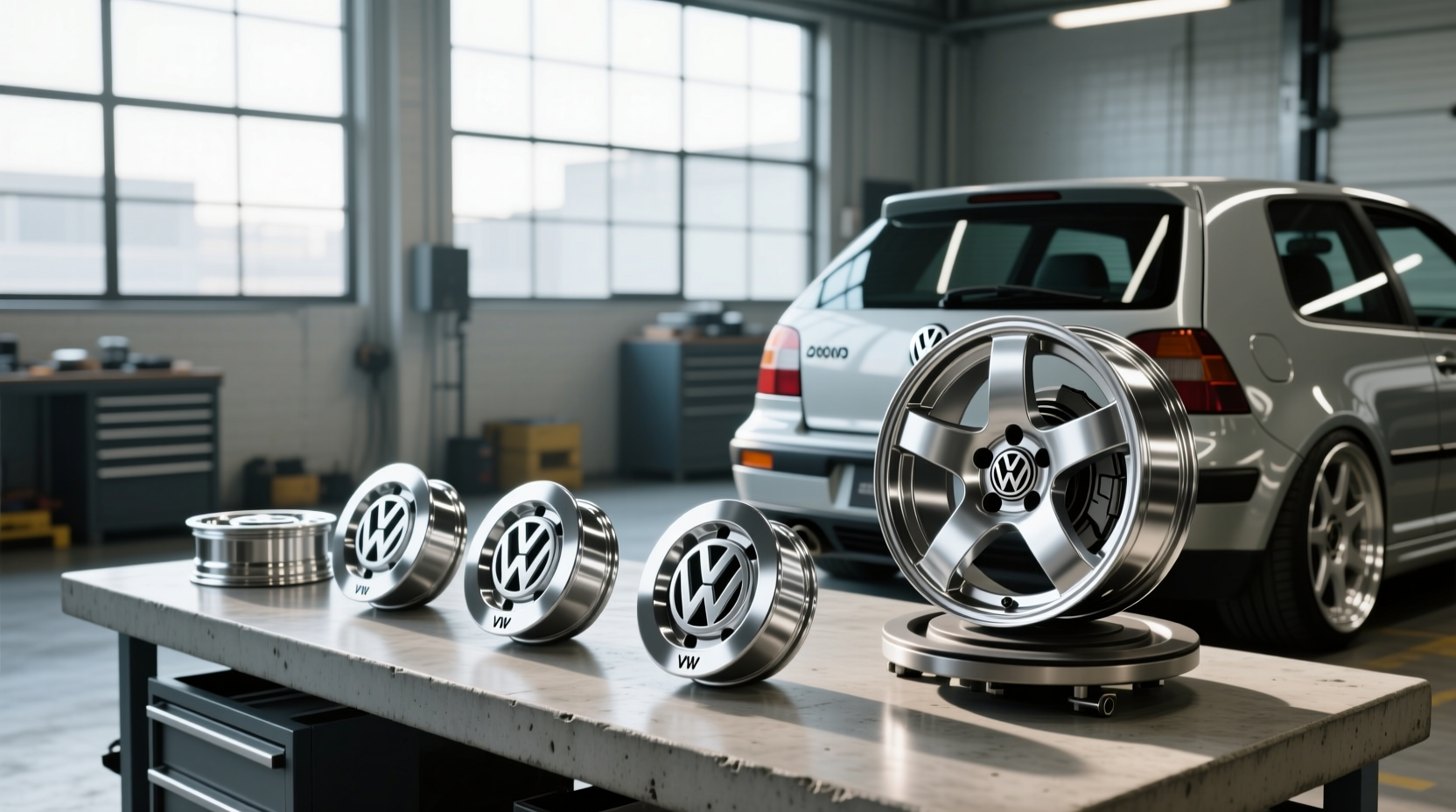
When searching for VW center caps for steel wheels, the most critical factor is ensuring proper fitment based on your Volkswagen model, wheel type, and hub bore size. Most OEM steel wheel center caps use a 65mm or 80mm mounting diameter, with many post-2010 models using the 65mm standard found on alloys. Understanding whether your vehicle came with self-leveling dynamic caps, flat stamped caps, or optional chrome-trimmed versions will guide your replacement or upgrade path—especially if maintaining factory appearance or resale value matters to you ✅.
Why Proper VW Center Caps Matter for Steel Wheels
Steel wheels are commonly used on base trims, winter setups, or commercial vehicles like the Volkswagen Transporter or Crafter 🚚. While durable and cost-effective, they often come with simpler center cap designs than alloy wheels. The center cap serves both aesthetic and functional roles: it protects the lug nuts from dirt and moisture, prevents corrosion, and maintains a clean OEM look. Missing or damaged caps can lead to premature wear on wheel hardware and detract from the vehicle’s overall presentation, especially in regions where seasonal tire changes are routine ⚙️.
For owners managing multiple sets of wheels (e.g., summer alloys and winter steels), matching or correctly identifying the appropriate center cap ensures consistency across rotations. Misfitting caps may pop off while driving, which poses a minor safety risk and creates unnecessary maintenance hassles ⚠️.
Common Types of VW Center Caps for Steel Wheels
Volkswagen has used several center cap designs over the years, particularly differing between older models and newer ones with dynamic logos. Here's a breakdown of the main types relevant to steel wheels:
1. Flat OEM Steel Wheel Caps (Pre-2010 and Base Models)
These are typically made of black plastic with a molded-in VW logo, designed to snap into a recessed center bore on standard steel wheels. They’re inexpensive, widely available, and secured via spring clips that compress during installation 🔧. Found on older Golfs, Jettas, Passats, and Transporters, these caps usually have an 80mm outer diameter and fit into a correspondingly sized hub hole.
2. Dynamic Self-Leveling Caps (Post-2010 Models)
Introduced around 2010 and more common on higher trims—even those equipped with steel wheels—these feature a mechanism that keeps the VW logo upright regardless of wheel rotation ✨. While primarily associated with alloy wheels, certain configurations (like the N028 part number) are compatible with specific steel wheel variants, particularly on models such as the Golf 7, Jetta GLI, or Tiguan SEL.
Important note: Not all steel wheels support dynamic caps. These require precise center bore depth and retention clip alignment. Installing them incorrectly can result in vibration or detachment at speed ❗.
3. Chrome and Aftermarket Options
Some owners prefer upgrading their steel wheels with chrome or brushed metal center caps for improved curb appeal. These are often marketed under terms like “universal fit” or “replacement BRM-style caps” and may include spring-loaded fasteners for 80mm holes. However, compatibility isn’t guaranteed just because the diameter matches—the depth of the wheel’s center well and clip tension must also align 📏.
| Type | Material | Diameter | Retention Method | Common Models |
|---|---|---|---|---|
| Flat OEM Black Cap | Plastic | 80mm | Snap-in clip | Golf 4–6, Jetta 4–5, Passat B6–B7 |
| OEM 65mm Snap Cap | Plastic/Chrome Trim | 65mm | Snap-fit | Golf 7+, Tiguan, Atlas |
| Dynamic Self-Leveling | Plastic with internal weight | 65mm | Spring-loaded clip | Select Golf 7–8, Jetta GLI, Arteon |
| Universal Chrome Cap | Metal/Plastic Composite | 80mm | Spring clip | Aftermarket fitment |
How to Measure Your VW Steel Wheel Center Bore
The first step in selecting the right center cap is measuring the wheel’s center bore accurately. This is not the lug pattern or overall wheel size—it’s the inner diameter of the circular opening in the middle of the wheel where the cap sits.
- Clean the area: Remove any dirt, rust, or old adhesive residue using a cloth and mild cleaner 🧼.
- Use a digital caliper or ruler: Measure the inside diameter of the bore. Common sizes are 65mm and 80mm.
- Check depth: Some dynamic caps need at least 25–30mm of clearance behind the cap to function properly. Use a depth gauge or small ruler to verify.
- Inspect retention clips: Look for built-in metal springs or grooves that hold the cap. If missing or broken, replacements may require adhesive backing or retrofit clips.
If your steel wheel lacks factory clips, consider using caps with adhesive pads or universal spring inserts. However, these are less secure and may fail under extreme temperatures or road conditions.
OEM vs Aftermarket VW Center Caps: What You Need to Know
When replacing VW center caps for steel wheels, buyers face a choice between genuine OEM parts and third-party alternatives. Each has advantages and trade-offs:
OEM Center Caps (Factory-Sourced)
- Pros: Guaranteed fit and finish, color-matched to original wheels, retain resale value, often include correct part numbers (e.g., 3B7 601 171 for some Mk5/Mk6 models).
- Cons: Higher cost (typically $15–$25 per cap), limited availability for older models, sometimes only sold through dealerships.
Aftermarket / Universal Caps
- Pros: Lower price point, wider variety of styles (chrome, carbon fiber look, colored), easier to source in bulk.
- Cons: Risk of poor fitment, inconsistent quality control, potential to fall off due to weak clips or incorrect dimensions.
A key consideration: OEM caps often carry a part number stamped on the back. For example, N 028 071 213 D refers to the dynamic cap used on select 2020–2026 models 1. Using this number when ordering ensures accuracy.
Step-by-Step: How to Replace VW Center Caps on Steel Wheels
Replacing center caps is a straightforward process requiring minimal tools ⏱️:
- Prepare the wheel: Park on a level surface and engage the parking brake. If removing a stuck cap, work on one wheel at a time.
- Remove the old cap: Insert a flat-blade screwdriver (preferably wrapped in tape to avoid scratching) between the cap and wheel. Gently pry outward until the clips release 🔧. Work slowly around the edge to avoid breaking tabs.
- Clean the bore: Wipe out debris and inspect for damaged clips. Replace bent or missing clips if possible.
- Align the new cap: Match the orientation (especially for dynamic caps with logos). Press evenly around the edges until you hear a snap.
- Test fit: Spin the wheel by hand to ensure no wobble or looseness. Recheck after driving 10–15 miles.
Tip: Avoid hammering or forcing the cap. If resistance occurs, double-check diameter and clip alignment before proceeding.
Can I Use Alloy Wheel Caps on Steel Wheels?
This is a frequent question among DIY owners looking to upgrade aesthetics. The answer depends entirely on dimensional compatibility.
Many modern VW alloy wheels use a 65mm center bore with a shallow retention groove. Some steel wheels—particularly newer TDI or base models—also use this same specification. In such cases, yes, the same cap (e.g., the black 65mm OEM cap with chrome ring) will fit both wheel types.
However, older steel wheels with 80mm bores cannot accept 65mm caps without an adapter ring. Conversely, installing an 80mm cap on a 65mm bore results in excessive play and eventual loss of the cap while driving.
Always confirm your exact model year and trim. For instance, a 2015 Jetta S with steel wheels might take the same cap as a 2015 Golf SE with alloys—if both share the 65mm design.
Where to Buy Genuine VW Center Caps for Steel Wheels
Genuine parts can be sourced through several channels:
- Dealership Parts Departments: Most reliable for current models; can order by VIN for perfect match.
- Online OEM Retailers: Websites like VW Parts USA, VW Accessories Shop, or CIP1 offer genuine or licensed reproductions with model-specific filters 🌐.
- Specialty Import Parts Suppliers: Companies focusing on European or VW-specific components often stock hard-to-find caps for older models.
When purchasing online, always verify whether the listing specifies “for steel wheels” or includes photos showing the correct clip style. Descriptions saying “fits most VWs” are red flags for potential mismatch.
Common Issues and Troubleshooting
Even with correct sizing, users report problems. Here are typical concerns and solutions:
Problem: Center Cap Pops Off While Driving
Causes: Incorrect diameter, worn/damaged clips, improper installation, or exposure to ice/salt buildup.
Solution: Re-measure bore size, inspect clip integrity, and consider using OEM-grade replacements. In harsh climates, check caps monthly during winter.
Problem: Cap Won’t Snap Into Place
Causes: Debris in bore, misaligned clips, or slightly oversized cap.
Solution: Clean thoroughly, lubricate edges lightly with silicone spray, and press firmly with even pressure. Do not use force tools.
Problem: Logo Rotates or Tilts (Dynamic Caps)
Causes: Internal counterweight mechanism damaged or installed upside down.
Solution: Ensure correct orientation during installation. If already broken, replace with new dynamic unit or revert to static cap.
Regional Differences and Model Year Changes
Center cap specifications vary by market and production year. For example:
- In Europe, many diesel-powered Golfs and Polos use robust 80mm steel wheel caps with deep wells.
- In North America, starting around 2012, VW shifted toward standardized 65mm caps across trims, even on steel wheels, to reduce inventory complexity.
- In colder regions, dealers often pre-install winter tires on steel wheels with matching OEM caps to maintain brand consistency.
If importing a vehicle or buying caps internationally, confirm local specs. A cap labeled “Volkswagen Polo 2018” in Chile may differ slightly from its U.S. counterpart due to regional parts bin differences 2.
Maintenance Tips to Extend Center Cap Life
- Inspect caps seasonally, especially after winter driving.
- Clean with mild soap and water; avoid high-pressure washers directly aimed at edges.
- Store spare caps in a cool, dry place away from UV light to prevent warping.
- Carry spares when traveling long distances or off-road.
Frequently Asked Questions (FAQs)
- What size are VW center caps for steel wheels?
- Most VW steel wheels use either 65mm or 80mm center caps. Pre-2010 models typically use 80mm, while many post-2010 models standardized on 65mm. Always measure your wheel’s bore to confirm.
- Are all VW center caps the same?
- No. VW uses different designs based on model, year, and wheel type. Caps vary by diameter, depth, retention method, and styling (flat, dynamic, chrome). Never assume interchangeability without verification.
- How do I replace VW wheel center caps?
- Use a flat-blade screwdriver to gently pry off the old cap. Clean the bore, align the new cap, and press evenly until it snaps in place. Avoid excessive force.
- Can I mix OEM and aftermarket center caps?
- You can, but mismatched materials or thicknesses may create uneven appearance or fit issues. For best results, stick to one type per axle or set.
- Do dynamic center caps work on steel wheels?
- Only if the steel wheel is designed for them. Check your wheel’s center bore depth and clip configuration. Many base-model steel wheels lack the necessary clearance for dynamic mechanisms.




 浙公网安备
33010002000092号
 浙B2-20120091-4