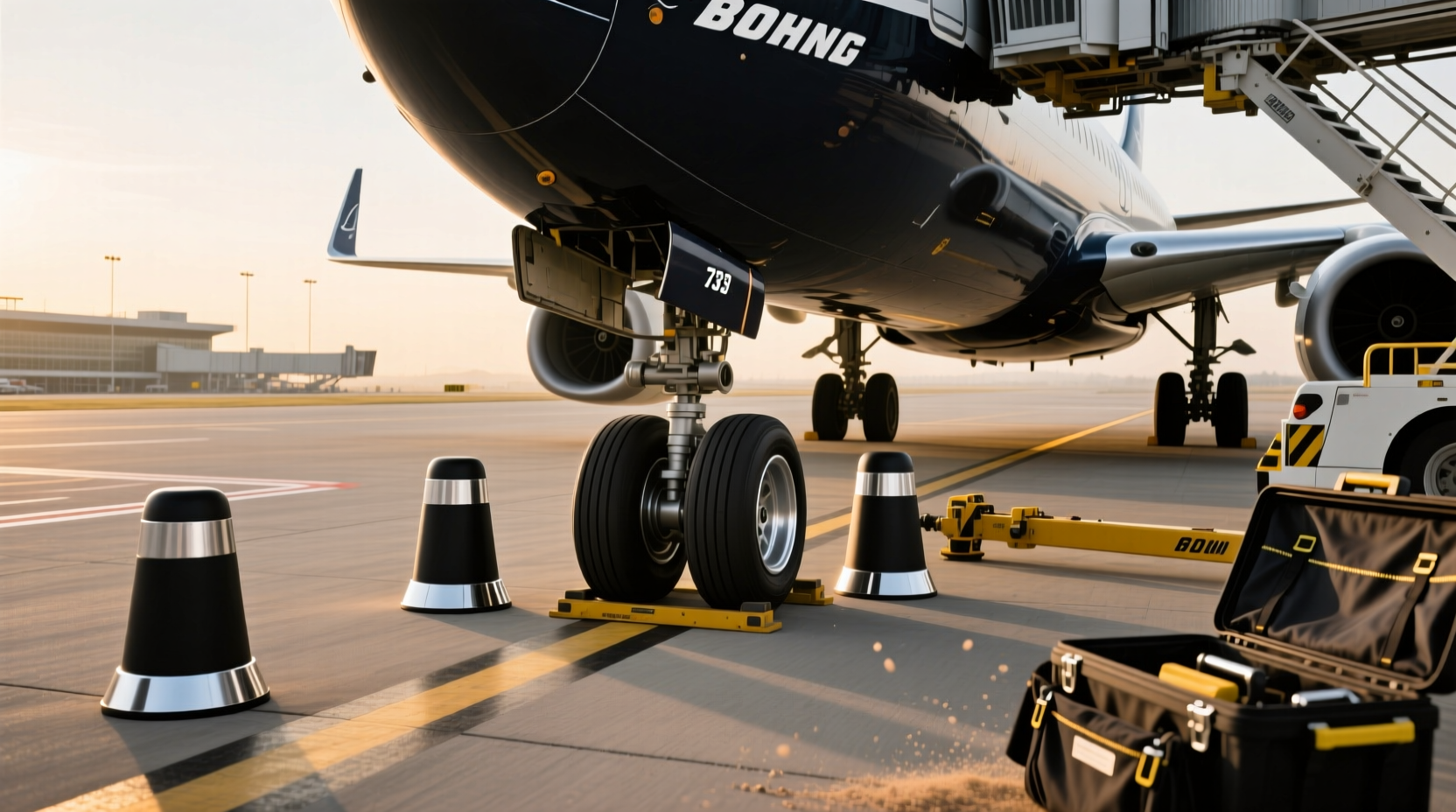
✅ Wheel chocks are essential safety devices used to prevent unintended vehicle movement during parking, loading, maintenance, or transport. Whether you're securing a travel trailer, heavy-duty truck, or light aircraft, using the right wheel chock for your specific application can prevent accidents, equipment damage, and serious injuries. This comprehensive guide breaks down everything you need to know—from types and materials to proper placement and load capacity—so you can make an informed decision based on real-world use cases and safety standards.
What Are Wheel Chocks and Why Are They Important?
🛒 Wheel chocks, also known as tire stops or vehicle wheel blockers, are wedge-shaped devices placed against the tires of a stationary vehicle to prevent rolling. Their primary function is to provide mechanical resistance against motion caused by slope, wind, or operational forces. While often overlooked, improper or absent chocking contributes to thousands of preventable incidents annually in industrial, aviation, and recreational settings.
🔧 In environments like airports, construction sites, and RV parks, OSHA and other regulatory bodies require wheel chocking under certain conditions. For example, when working beneath a lifted vehicle, loading cargo onto a trailer, or parking on an incline, chocks serve as a critical secondary safety measure—even if the parking brake is engaged.
📌 The importance increases with vehicle weight. A fully loaded semi-truck or aircraft can generate immense kinetic energy from even slight movement. Without proper chocking, this poses severe risks to personnel and infrastructure.
Types of Wheel Chocks: Matching Use Case to Design
Not all wheel chocks are created equal. Selecting the wrong type can compromise safety or lead to premature failure. Below are the most common categories based on design and intended use:
1. Solid Rubber Wheel Chocks ✅
🏭 Made from dense rubber compounds, these are among the most widely used due to their durability, grip, and resistance to weather. They work well for cars, trucks, trailers, and small aircraft. High-traction surfaces help them stay in place on wet or icy ground.
⚙️ Pros: Non-marking, UV-resistant, low maintenance
Cons: Can degrade over time if exposed to oil or ozone; heavier than foam alternatives
📍 Best for: Outdoor storage, frequent use, mixed terrain
2. Connected (Tethered) Wheel Chocks ⚡
🔗 These consist of two chocks joined by a durable strap or rope, ensuring both units remain together and reducing the chance of misplacement. Common in aviation and fleet operations where accountability matters.
✈️ Aircraft operators often prefer connected chocks because losing one could delay ground operations. The tether also ensures consistent spacing and alignment during deployment.
🧰 Pros: Prevents loss, improves organization, faster deployment
Cons: Slightly less flexible positioning; tether may wear or snag
📍 Best for: Airports, rental fleets, shared equipment zones
3. Lightweight Foam Chocks 🧼
🧽 Typically made from closed-cell EVA or polyurethane foam, these are designed for portability rather than heavy loads. Often included with RVs or trailers as emergency backups.
⚠️ While convenient, they lack structural integrity under high-force scenarios. Never rely solely on foam chocks for large vehicles or long-term parking.
📍 Best for: Temporary indoor use, lightweight trailers, backup kits
4. Metal or Composite Industrial Chocks 🏗️
🔧 Used in mining, rail, and heavy construction, these are built for extreme conditions. Materials include steel-reinforced polymers or cast metal with anti-slip coatings.
📌 Some models support loads exceeding 50 tons—critical for massive dump trucks or locomotives. These often come with integrated lifting points or RFID tags for tracking.
📍 Best for: Mining sites, rail yards, military applications
5. Retractable or Automatic Chocks ✨
⚙️ Found in automated parking systems or specialized garages, these deploy mechanically when a vehicle stops. Not practical for personal use but increasingly common in urban multi-level parking structures.
Material Comparison: Rubber vs. Plastic vs. Metal
Selecting the right material affects performance, lifespan, and safety. Here's a breakdown:
| Material | Load Capacity | Durability | Weight | Best Use Case |
|---|---|---|---|---|
| Rubber | Medium to High | High (if oil/ozone resistant) | Moderate | General purpose, outdoor |
| Plastic/Polymer | Low to Medium | Moderate (brittle in cold) | Light | Indoor, light vehicles |
| Metal/Composite | Very High | Very High | Heavy | Industrial, mining |
| Foam | Low | Low | Very Light | Emergency, temporary |
🔍 Key Insight: Always match material strength to expected load and environmental exposure. For instance, plastic may crack below freezing, while rubber maintains flexibility down to -40°C in premium grades.
How Many Wheel Chocks Do You Need? It Depends on the Vehicle
👥 A common question is: how many wheel chocks do I need for a travel trailer? The answer varies by configuration, weight, and terrain.
- For passenger vehicles: One chock per axle is usually sufficient (typically two total), placed on the downhill side.
- Travel trailers and RVs: Two chocks—one behind the rear wheels on each side—are standard. However, on slopes greater than 5%, consider double-chocking (both front and back).
- Aircraft: FAA guidelines recommend at least one chock per main landing gear wheel unless the aircraft is tied down. Larger planes may require multiple chocks per wheel set.
- Commercial trucks: OSHA requires chocking during loading/unloading if the grade exceeds 0.5%. Typically, two chocks are used—one per dual-wheel assembly on the drive axle.
📌 Rule of Thumb: Place chocks against wheels that will resist forward and backward motion depending on slope direction. If parked uphill, place chocks behind the wheels; if downhill, place them in front.
Choosing the Right Size and Load Rating
📏 Wheel chocks must be appropriately sized for the tire diameter and vehicle weight. Using undersized chocks can result in them being pushed out or crushed.
📊 General sizing guideline:
- Tire height ≤ 18": Use chocks at least 4" tall
- Tire height 18–30": Use 5"–7" tall chocks
- Tire height > 30": Use 8"+ or industrial-grade models
📈 Load rating should exceed the maximum axle load. For example, a 10,000-lb axle should use chocks rated for at least 12,000 lbs per chock. Never assume a chock is safe just because it looks sturdy—check manufacturer specifications.
Proper Placement Techniques for Maximum Safety
📍 Where and how you place a wheel chock significantly impacts its effectiveness.
- Ensure full contact: The chock must sit flush against the tire tread with no gaps.
- Engage the ground: Press the chock firmly into the surface so it doesn’t shift upon impact.
- Use on stable surfaces: Avoid loose gravel, ice, or snow unless using specialized high-grip models.
- Double-check after placement: Gently kick or push the chock to confirm it’s secure.
🚫 Common Mistakes:
- Placing chocks only on one side of the vehicle
- Using damaged or cracked chocks
- Leaving chocks in place while driving (can cause tire damage)
- Assuming the parking brake eliminates the need for chocks
Special Considerations for Aircraft Wheel Chocks
✈️ Aircraft have unique requirements due to sensitivity to wind, low ground clearance, and strict safety protocols.
🔍 Why aircraft wheel chocks are critical to safe ground operations: Even a light breeze can move a small plane if not properly secured. Unlike cars, aircraft lack dynamic braking systems once shut down.
📌 Features of quality aircraft chocks:
- Lightweight yet strong (often under 5 lbs per pair)
- Non-marring rubber to protect tires and tarmac
- Reflective strips for visibility at night
- Integrated handles or tethers for easy handling
📋 Regulatory Note: In controlled airspace, FAR Part 91 and airport operating certificates often mandate chock usage during refueling, boarding, and maintenance. Failure to comply can result in fines or operational restrictions.
Cost of Wheel Chocks: What to Expect by Type
💰 Price ranges vary widely based on material, size, and certification level.
- Foam or basic plastic: $10–$25 (suitable for light-duty use)
- Rubber chocks (standard): $30–$80 per pair
- Connected rubber aircraft chocks: $60–$150
- Industrial/composite: $100–$300+
🛍️ While shopping, note that higher prices often reflect compliance with ISO, AS, or MIL-STD standards. Look for certifications if using in regulated industries.
DIY vs. Commercial Wheel Chocks: Is It Safe?
🛠️ Some users consider making homemade chocks from wood or scrap materials. While technically possible, this approach carries significant risk.
❗ Wood can split under pressure, especially when wet. Homemade solutions rarely meet load-testing standards and may not provide adequate grip. In professional or insured environments, non-certified chocks may void liability coverage.
✅ Recommendation: Only use tested, commercially manufactured chocks—especially for anything beyond occasional light vehicle use.
Storage, Maintenance, and Inspection
🧼 Regular inspection extends chock life and ensures ongoing safety.
🔎 Check before each use for:
- Cuts, cracks, or deformation
- Worn traction surfaces
- Loose tethers or handles
- Embedded debris (rocks, metal shards)
📦 Store in a dry, shaded area away from solvents or oils. Avoid stacking heavy items on top of rubber chocks to prevent warping.
Common Misconceptions About Wheel Chocks
❌ Myth 1: "The parking brake is enough."
Reality: Brakes can fail or degrade over time. Chocks provide physical redundancy.
❌ Myth 2: "Any block of wood works as a chock."
Reality: Wood lacks standardized strength and can splinter unexpectedly.
❌ Myth 3: "Only needed on hills."
Reality: Unexpected forces (wind, hydraulic release, coupling shocks) can move vehicles even on flat ground.
Regional and Industry-Specific Requirements
🌐 Regulations differ across countries and sectors:
- OSHA (USA): Requires chocking during loading/unloading operations on grades over 0.5%.
- CAA (UK): Mandates chocks for aircraft unless alternative tie-downs are used.
- Australia: Traffic safety standards specify minimum dimensions and visibility features for commercial use 1.
📌 Always verify local rules, especially in cross-border transport or leased equipment scenarios.
When NOT to Use Wheel Chocks
❗ While vital in many situations, there are exceptions:
- On extremely soft or unstable ground where the chock might sink
- During vehicle motion—even slow reversing over a chock can damage tires or suspension
- If the chock shows visible damage or wear beyond repair
In such cases, consider alternative stabilization methods like jack stands (for maintenance) or proper site grading.
Final Tips for Choosing and Using Wheel Chocks Safely
✅ Summarized checklist:
- Match chock size and rating to your vehicle’s weight and tire height
- Use at least two chocks for trailers and larger vehicles
- Inspect regularly and replace when worn
- Store properly to avoid degradation
- Follow industry-specific guidelines when applicable
📌 Remember: No single chock fits all scenarios. Assess your environment, vehicle type, and frequency of use before purchasing.
Frequently Asked Questions (FAQ)
- ❓ How many wheel chocks do I need for a travel trailer?
- You should use at least two wheel chocks—one behind each rear wheel. On uneven ground or slopes, consider placing additional chocks in front of the front wheels for extra security.
- ❓ What is the cost of aircraft wheel chocks?
- Aircraft wheel chocks typically range from $60 to $150 per pair, depending on material, connectivity, and brand. Connected rubber models with reflective strips fall within this range.
- ❓ How much do aircraft wheel chocks weigh?
- Most rubber aircraft wheel chocks weigh between 3 to 6 pounds per pair, designed to be lightweight for easy portability without sacrificing stability.
- ❓ Can I use regular car wheel chocks for an airplane?
- While possible in emergencies, it's not recommended. Aircraft chocks are engineered for lighter weight, better grip on tarmac, and compatibility with ground crew procedures. Use certified aviation-grade chocks whenever possible.
- ❓ Are connected wheel chocks better than individual ones?
- Connected chocks reduce the risk of losing one unit and ensure both are deployed together, improving consistency and safety—especially in professional or high-traffic environments.




 浙公网安备
33010002000092号
 浙B2-20120091-4