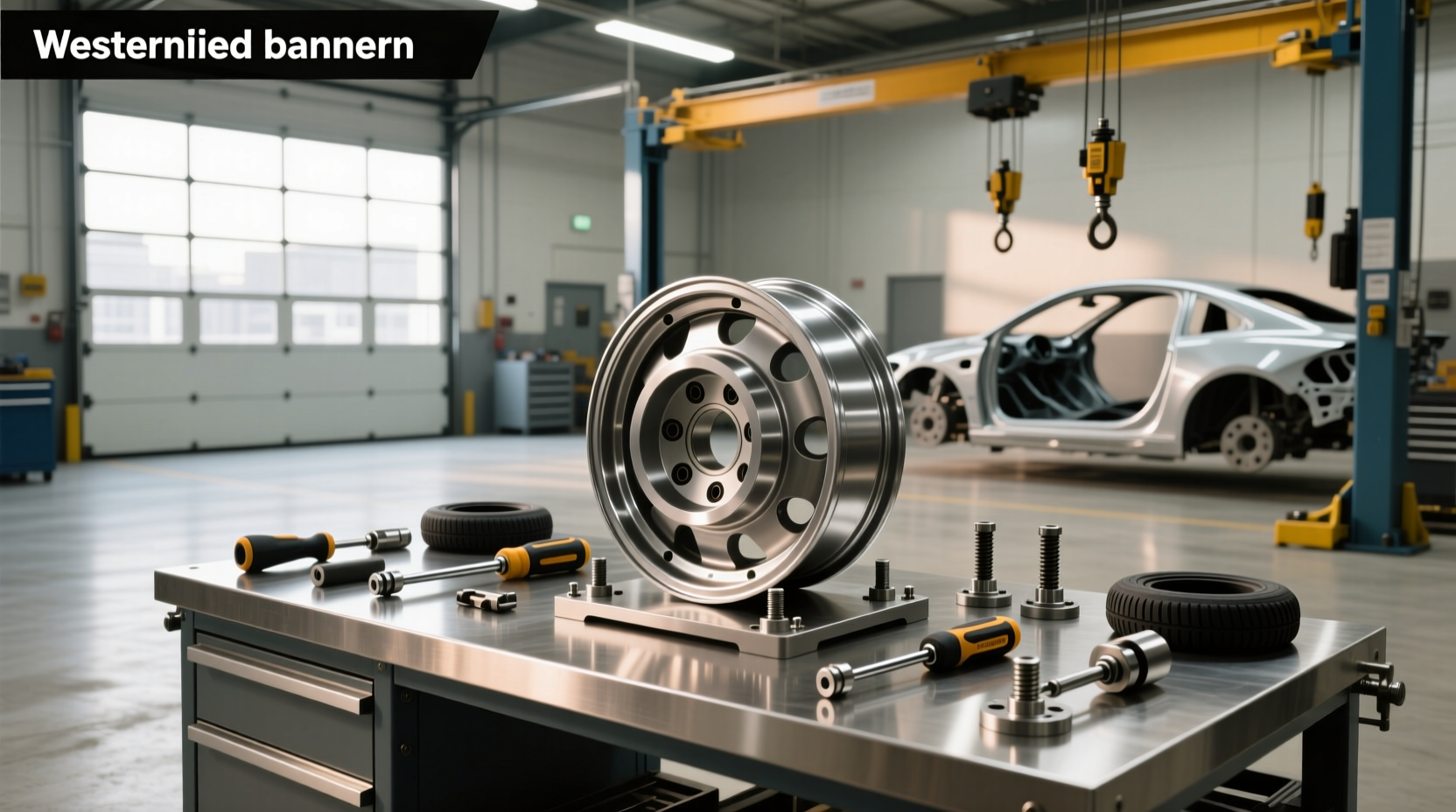
If you're searching for a wheel hub assembly kit, it's likely because you're dealing with noise, vibration, or handling issues in your vehicle. A failing wheel hub bearing can compromise safety and lead to costly repairs if ignored. This comprehensive guide explains everything you need to know about wheel hub assembly kits, including symptoms of failure, compatibility considerations, installation best practices, and how to avoid common mistakes when replacing one. Whether you’re maintaining a Toyota, Lexus, or another popular model, understanding what makes a quality hub assembly matters for ride quality and long-term reliability.
What Is a Wheel Hub Assembly Kit?
A wheel hub assembly kit typically includes the wheel hub, bearings, seals, and sometimes mounting hardware—all pre-assembled into a single unit designed for direct replacement. Unlike older designs that required pressing individual bearings into place, modern hub assemblies are sealed units that simplify installation and improve durability. These components connect the wheel to the suspension system and allow smooth rotation while supporting the vehicle’s weight.
The hub assembly plays a critical role in both safety and comfort. It ensures the wheel spins freely with minimal friction, supports braking systems (especially ABS), and helps maintain proper alignment. When this part fails, it affects steering precision, increases stopping distances, and may even cause wheel detachment in extreme cases.
Common Signs of a Failing Wheel Hub Assembly
Recognizing early warning signs can prevent roadside breakdowns and damage to other drivetrain components. Here are key symptoms to watch for:
- Growling or humming noise from wheels: One of the most telltale signs. The sound often increases with speed and may change when turning.
- Vibration in the steering wheel: Especially at highway speeds, indicating imbalance or looseness due to worn bearings.
- Uneven tire wear: A damaged hub can alter camber angles, leading to cupping or feathering on tires.
- ABS warning light activation: Since many hub assemblies include tone rings for ABS sensors, internal damage can trigger false error codes.
- Play in the wheel: If you can wiggle the tire top-to-bottom when lifted off the ground, the bearing is likely loose.
Ignoring these signals can result in catastrophic failure—such as seized wheels or loss of control—and significantly higher repair bills.
Why Choose a Complete Hub Assembly Over Individual Bearings?
In the past, mechanics would replace only the bearing within the hub using a press. Today, many manufacturers recommend replacing the entire wheel hub and bearing assembly as a unit. There are several reasons why this approach has become standard:
- Simplified installation: No need for specialized tools like bearing presses or pullers. Most kits bolt on directly.
- Better longevity: Pre-lubricated, sealed units are protected from contamination and moisture.
- Improved accuracy: Factory preload settings eliminate guesswork during reassembly.
- Integrated ABS compatibility: Many newer vehicles rely on precise sensor alignment, which is guaranteed with OEM-spec assemblies.
While individual bearings might seem cheaper upfront, labor costs and risk of improper installation often make full hub bearing assembly kits more cost-effective over time.
Compatibility: Matching Your Vehicle’s Make, Model & Year
Not all hub assemblies are interchangeable—even among vehicles from the same brand. For example, a Toyota 5L wheel hub bearing fits certain Hilux, Tacoma, and 4Runner models but not others. Always verify fitment by checking:
- Vehicle year, make, and model
- Front vs. rear axle position
- Drive type (2WD vs. 4WD)
- Brake type (disc vs. drum)
- Number of lug bolts (e.g., 5-lug or 6-lug pattern)
- Presence of ABS or traction control systems
Aftermarket suppliers often list compatible applications, but double-checking against your VIN or service manual is wise. Some kits are labeled “for select Toyota/Lexus models,” so confirm exact coverage before purchase.
Material Quality and Construction Differences
Hub assemblies vary widely in materials and engineering. High-quality units use chrome steel (GCr15) for bearings and 65Mn steel for housings, offering superior hardness and fatigue resistance. Lower-cost versions may use inferior alloys that degrade faster under stress.
Sealing technology also differs. Premium kits feature multi-lip seals that resist water, dirt, and road salt intrusion—critical for longevity in harsh climates. Look for IP67-rated sealing or equivalent standards indicating dust/water resistance.
Pre-greasing is another factor. Reputable brands apply high-temperature, waterproof grease during manufacturing, eliminating the need for field lubrication. Avoid kits requiring additional greasing unless specified by the manufacturer.
Cost Factors: What Should You Expect to Pay?
Pricing for a wheel hub assembly kit ranges from under $50 to over $200 depending on brand, vehicle application, and included features. Here’s a general breakdown:
| Price Range | Typical Features | Best For |
|---|---|---|
| Under $60 | Basic steel construction, limited warranty, no ABS integration | Budget-conscious owners, older non-ABS vehicles |
| $60–$120 | GCr15 bearings, dual-lip seals, pre-greased, ABS-ready | Most passenger cars and SUVs (e.g., Corolla, RAV4, Camry) |
| $120+ | OEM-equivalent specs, extended warranties, precision machining | Luxury models, heavy-duty trucks, off-road applications |
Keep in mind that labor costs for professional installation typically range from $80 to $150 per hub, depending on complexity and location. DIY replacement can save money but requires mechanical skill and torque specifications knowledge.
Top Brands and Performance Comparison
No single brand dominates every market segment, but several consistently receive positive feedback based on durability and fitment accuracy:
- Koyo: Japanese-made bearings known for precision and long service life. Often used in OEM applications.
- Timken: American manufacturer with robust engineering; HA592460 is a popular choice for heavier vehicles.
- TRQ: Offers value-oriented kits with decent lifespan, commonly found on eBay and auto parts sites.
- Dorman: Supplies many aftermarket replacements; some users report mixed longevity results.
- Moog: Known for upgraded components, especially in suspension systems.
When comparing options, prioritize fitment correctness and material specs over brand名气. Independent reviews and forums like those discussing Toyota Hiace wheel hub bearing replacement can offer real-world insights beyond marketing claims.
Installation Tips and Safety Considerations
Replacing a hub assembly isn’t overly complex, but attention to detail is crucial. Follow these steps carefully:
- Lift and secure the vehicle safely using jack stands—never work under a car supported only by a hydraulic jack.
- Remove the wheel, brake caliper, and rotor to access the hub mounting bolts.
- Disconnect the ABS sensor wiring if routed through the knuckle.
- Unbolt the old hub assembly from the steering knuckle (usually three bolts).
- Install the new unit and tighten mounting bolts to factory torque specs (often 80–100 ft-lbs).
- Reconnect ABS lines and reassemble brakes and wheel.
- Torque lug nuts properly in a crisscross pattern—typically 80–100 ft-lbs depending on vehicle.
🔧 Pro Tip: Use thread locker on hub bolts if recommended by the manufacturer to prevent loosening over time. Also, reset any ABS or stability control warnings after installation using a scan tool if needed.
DIY vs. Professional Replacement: Which Is Better?
Deciding whether to do it yourself depends on experience level and available tools. DIY saves labor costs but carries risks:
- Pros of DIY: Cost savings, learning opportunity, flexibility in timing.
- Cons of DIY: Risk of incorrect torque, damaging ABS sensors, voiding warranties if improperly installed.
Professionals have access to calibrated torque wrenches, diagnostic scanners, and alignment equipment. They also stand behind their work with labor warranties. If you're unsure, consider having a shop perform final checks even if you install the part yourself.
How Long Do Wheel Hub Assemblies Last?
Most modern wheel hub bearing assemblies last between 80,000 and 150,000 miles under normal driving conditions. However, lifespan varies based on:
- Road conditions (potholes, gravel roads)
- Driving habits (aggressive cornering, frequent towing)
- Climate (exposure to salt, moisture)
- Quality of the original component
There is no scheduled maintenance interval for hub bearings—they are considered 'lifetime' parts until they fail. Regular inspection during tire rotations can help catch early signs of wear.
Can You Replace Just One Side?
Yes, you can replace just one hub assembly if only one side shows failure. However, if your vehicle has high mileage (over 100,000 miles), the opposite side may be nearing end-of-life. Mechanics often suggest replacing both sides simultaneously to prevent repeating labor costs later.
That said, there's no technical requirement to replace both unless both show signs of wear. Always inspect the remaining hub thoroughly before deciding.
Misconceptions About Wheel Hub Assembly Kits
Several myths persist around hub replacements. Let’s clarify them:
- Myth: All hub assemblies are created equal. Reality: Material quality, sealing, and precision vary significantly between brands.
- Myth: You must replace bearings only when noisy. Reality: Internal damage can occur without audible cues; visual inspection is essential.
- Myth: Aftermarket kits don’t last as long as OEM. Reality: Some aftermarket brands meet or exceed OEM standards at lower prices.
- Myth: Greasable hubs are better. Reality: Sealed units prevent contamination and require less maintenance.
Where to Buy Reliable Wheel Hub Assembly Kits
You’ll find wheel hub assembly kits on various platforms, including eBay, specialty auto parts retailers, and manufacturer-direct websites. Key factors to consider when choosing where to buy:
- Return policy: At least 30 days with free returns reduces risk.
- Warranty length: Look for minimum 1-year coverage; some offer lifetime warranties.
- Shipping cost and speed: Free shipping over $250 is common among reputable dealers.
- Customer reviews: Focus on long-term feedback (6+ months) rather than initial impressions.
Websites like Yotamasters, 1AAuto.com, and Partsgeek.com specialize in Toyota-compatible parts and provide detailed fitment guides. Avoid unknown sellers on global marketplaces unless they clearly state specifications and offer support.
Final Checklist Before Purchase
Before buying a wheel hub assembly kit, ask yourself:
- ✅ Does it match my exact vehicle model and year?
- ✅ Is it designed for front or rear installation?
- ✅ Does it include ABS provisions if my vehicle uses them?
- ✅ Are the materials listed (e.g., GCr15 steel)?
- ✅ Is it pre-greased and sealed?
- ✅ What warranty does it carry?
- ✅ Can I return it if it doesn’t fit?
Answering these questions minimizes the chance of ordering the wrong part and ensures reliable performance after installation.
Frequently Asked Questions
- How can you tell if a wheel hub bearing is bad?
- A failing hub bearing often produces a growling or rumbling noise that gets louder with speed, especially when turning. You may also feel vibration in the steering wheel or notice uneven tire wear. A definitive test involves lifting the vehicle and checking for lateral play in the wheel.
- What brand of wheel bearing does Toyota use?
- Toyota sources wheel bearings from multiple suppliers, including Koyo, NSK, and NTN. Many OEM replacements are manufactured by these companies. Aftermarket alternatives like Timken and Moog are also widely used and compatible.
- How much does it cost to replace a Toyota wheel bearing?
- Parts typically range from $60 to $150 per hub, with labor adding $80 to $150. Total cost usually falls between $150 and $300 per axle side, depending on model and service provider.
- How long do Toyota wheel bearings last?
- Most last between 80,000 and 150,000 miles. Harsh driving conditions or poor road quality can shorten lifespan. There is no set replacement interval—they are replaced only when failure occurs.
- Can I drive with a bad wheel hub assembly?
- Short-term driving may be possible, but it's unsafe. A severely worn bearing can seize or cause wheel detachment. If you suspect failure, have it inspected immediately.




 浙公网安备
33010002000092号
 浙B2-20120091-4