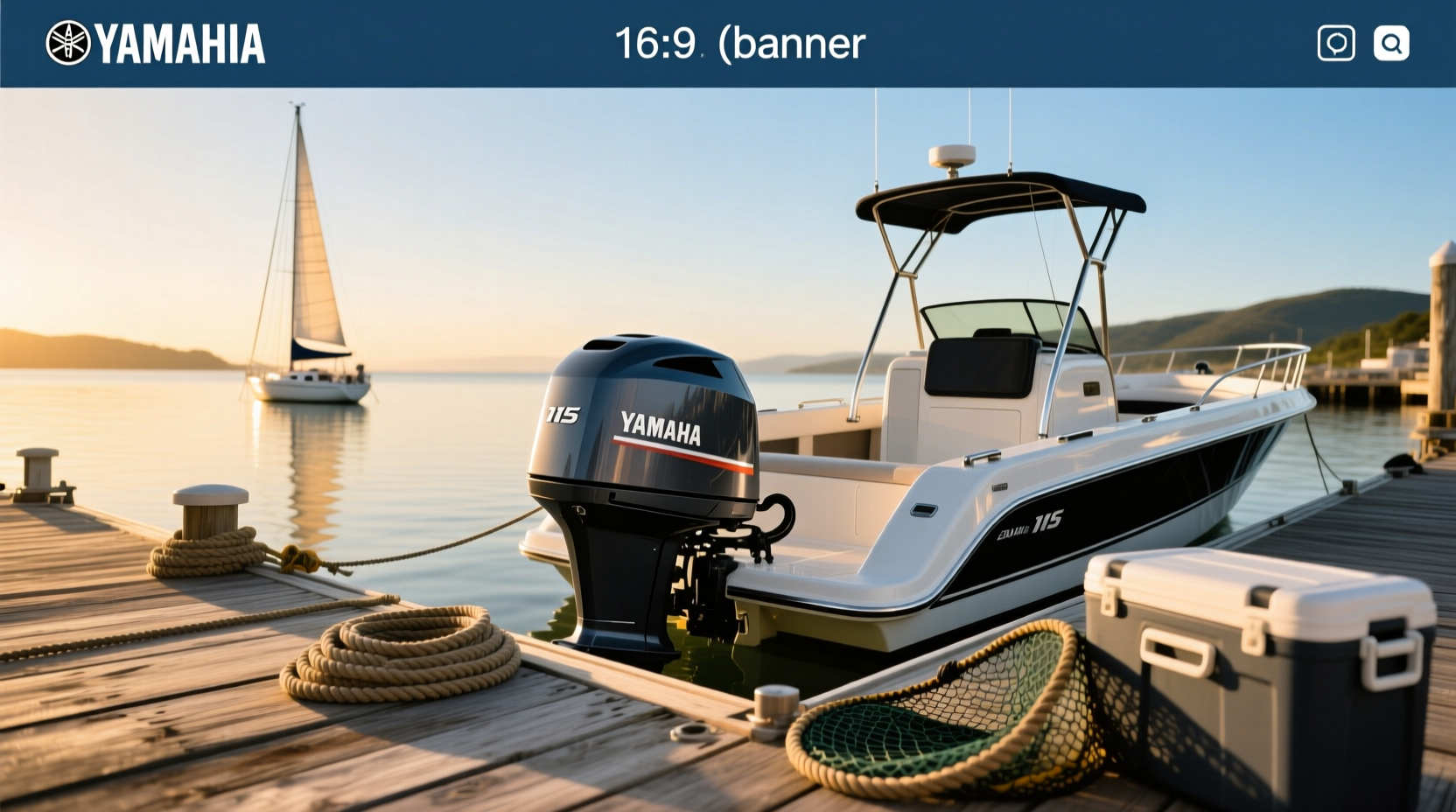
If you're searching for a Yamaha 115 outboard for sale, you're likely looking for a reliable, mid-range motor that balances power, efficiency, and durability for family boating, fishing, or light towing. The Yamaha F115 and VF115 (V-Max SHO) models are among the most popular four-stroke 115-horsepower outboards on the market, known for their lightweight design, fuel economy, and smooth operation across inshore and coastal applications ✅.
This guide breaks down everything you need to know before purchasing a Yamaha 115 outboard—whether new or used—including model differences, price ranges, common concerns, maintenance insights, and how to verify value. We’ll cover real-world performance, where to buy, what to inspect, and how to avoid costly oversights when comparing listings online or at dealerships 🛒.
Understanding the Yamaha 115 Outboard Lineup
Yamaha offers several variants of its 115 horsepower four-stroke outboard, each tailored to different use cases and control preferences. Knowing the distinctions between these models is essential to making an informed decision.
F115 Standard Model – Balanced Performance
The F115 is Yamaha’s standard inline-four, four-stroke outboard with 1.8L displacement. It's designed for boats ranging from 16 to 24 feet, including center consoles, dual consoles, and deck boats. With a dry weight of approximately 377 pounds ⚖️, it's one of the lightest in its class, contributing to better fuel efficiency and easier handling.
- Horsepower: 115 HP @ 5,000–6,000 RPM
- Engine Type: SOHC or DOHC Inline-4, four-stroke
- Weight: ~377 lbs (depending on shaft length)
- Shaft Lengths: 20" (short) and 25" (long) available
- Alternator Output: 35 amps (standard)
- Fuel System: Electronic Fuel Injection (EFI)
- Control Options: Mechanical remote or tiller handle
This model excels in reliability and ease of maintenance, making it ideal for recreational users who want dependable weekend performance without complexity.
VF115 V-Max SHO – Enhanced Torque and Acceleration
The VF115, part of Yamaha’s V-Max SHO (Super High Output) series, delivers improved low-end torque and faster hole shot compared to the standard F115. While both engines produce 115 horsepower, the V-Max SHO variant features tuned intake and exhaust systems, along with optimized engine mapping ⚙️.
- Improved Low-End Power: Better acceleration from idle
- Sportier Throttle Response: Suited for bass boats or performance-oriented vessels
- Same Weight Class: Also around 377 lbs
- Optional Features: Variable Trolling RPM via Command Link® tachometer
While more expensive, the VF115 is often preferred by anglers needing quick planing and responsive maneuvering. However, for general cruising or pontoon use, the standard F115 may offer better value.
LF115 and LF115XB2 – Lightweight & Newer Iterations
Some newer versions like the LF115 emphasize even lighter construction and updated electronics. These models maintain the same core engine but may include minor refinements in vibration reduction and cold-start performance.
The “LB” and “XB” suffixes refer to regional compliance and control configurations:
- LB: Typically denotes U.S.-compliant emissions and controls
- XB: May indicate international or alternate control setup
Always confirm compatibility with your boat’s steering system (cable type, bracket size) before purchase.
Price Range: What to Expect When Shopping
Pricing for a Yamaha 115 outboard varies significantly based on model, condition, age, and seller type. As of 2024–2025, here’s a realistic breakdown 📊:
| Model | Condition | Average Price | Notes |
|---|---|---|---|
| F115 (New) | New | $10,300–$12,200 | MSRP varies by dealer; discounts up to 20% possible |
| VF115 V-Max SHO | New | $12,300–$13,500 | Premium for enhanced performance |
| Scratch & Dent | New, cosmetic damage | $9,800–$11,500 | Available through select dealers like Boat Specialists |
| Used (2018–2022) | Good condition | $6,500–$9,000 | Depends on hours, maintenance history |
| Older Models (Pre-2018) | Used | $4,000–$6,000 | Risk of higher wear; verify service records |
Dealers such as RJ Nautical, Boat Specialists, and regional marine centers often list current inventory with delivery options and financing. Third-party marketplaces may offer lower prices but require extra diligence.
New vs Used: Key Trade-offs
Deciding between a new or used Yamaha 115 involves weighing upfront cost against long-term reliability and warranty protection.
Buying New: Advantages and Considerations
- Full Factory Warranty: Typically 3 years, transferable in some cases ✈️
- Latest Technology: Includes updated EFI, diagnostics, and corrosion resistance
- No Hidden History: No risk of prior misuse or improper storage
- Financing Options: Available through authorized dealers
- Higher Upfront Cost: Minimum $10,300+, not including rigging or installation
New motors also come with predictable break-in procedures and no immediate major servicing needs.
Buying Used: Risks and Rewards
- Lower Initial Cost: Can save $3,000–$5,000 over new
- Depreciation Already Taken: Resale value stabilizes after first few years
- Potential for Undisclosed Issues: Flood damage, saltwater neglect, or poor winterization
- Warranty Likely Expired: Repairs become buyer’s responsibility
When considering a used unit, always request:
- Service records 📋
- Compression test results 🔍
- Proof of freshwater use (if applicable)
- Photos of lower unit and gearcase
- Verification of title or bill of sale
A pre-purchase inspection by a certified technician is strongly recommended.
Common Questions and Misconceptions
Buyers frequently encounter confusion around model naming, reliability claims, and performance expectations. Let’s clarify some frequent points of uncertainty.
Is the Yamaha 115 Two-Stroke or Four-Stroke?
Most current and recent Yamaha 115 outboards are four-stroke engines. Older two-stroke models (pre-2000s) were phased out due to emissions regulations. Any listing advertising a 'two-stroke Yamaha 115' today likely refers to vintage or imported units, which require more maintenance and lack modern fuel efficiency.
What Is the Life Expectancy of a Yamaha 115 Outboard?
With proper care, a Yamaha F115 can last **2,000 to 3,000 hours** or more 1. This equates to 15–20 years of average recreational use. Key factors influencing lifespan include:
- Regular oil changes every 100 hours or annually
- Proper winterization in cold climates ❄️
- Freshwater flushing after saltwater use
- Timely replacement of anodes and water pumps
Are There Bad Years for Yamaha 115 Outboards?
Unlike some brands with specific problematic model years, Yamaha has maintained consistent quality across its F115 line since its introduction in the early 2000s. There are no widely recognized 'bad years' for the F115 platform. However, isolated issues have been reported with:
- Early EFI systems (2005–2010): occasional sensor glitches
- Thermostat failures in high-heat environments
- Water pump impeller degradation if not replaced regularly
These are manageable with routine maintenance and do not indicate systemic design flaws.
Where to Buy a Yamaha 115 Outboard
Your choice of seller impacts price, support, and peace of mind.
Authorized Dealers (Recommended for New Units)
- Boat Specialists, RJ Nautical, Carolina Outboard and Marine
- Offer factory warranties, professional rigging, and delivery 🚚
- May carry scratch-and-dent units at discounts
- Provide access to genuine Yamaha parts and service networks
Online Marketplaces (Use Caution)
- eBay, Facebook Marketplace, Craigslist
- Higher risk of scams or misrepresented condition
- No warranty or return policy unless specified
- Require independent verification before payment
Marine Forums and Local Listings
Communities like r/boating on Reddit often share ownership experiences and warn about red flags 2. While not direct sales channels, they’re valuable for research and referrals.
Installation and Compatibility Checks
Before finalizing a purchase, ensure the motor matches your boat’s requirements.
Transom Height and Shaft Length
- 20" Shaft: Short shaft – for transoms 15"–16" tall
- 25" Shaft: Long shaft – for transoms 20"–21" tall (common on larger center consoles)
Using the wrong shaft length can lead to ventilation, cavitation, or poor handling.
Weight Distribution
At ~377 lbs, the Yamaha 115 is relatively light. Still, verify your transom strength and trim tab compatibility, especially on older fiberglass boats.
Control System Match
If replacing an existing motor, confirm whether your helm uses:
- Mechanical cables (push-pull)
- Electronic controls (Command Link®)
The F115 supports both, but adapters or new controls may be needed.
Maintenance Tips to Maximize Value
Proper upkeep preserves performance and resale value.
100-Hour Service Checklist
A typical 100-hour service includes 3:
- Oil and filter change 🔧
- Spark plug inspection/replacement
- Fuel filter replacement
- Lower unit oil change
- Water pump inspection
- Anode check and replacement
- Throttle and shift cable lubrication
Many owners perform basic services themselves using OEM tools and manuals from sources like eManualOnline.
Winter Storage Best Practices
- Fog the engine cylinders with oil
- Stabilize fuel and run through the system
- Flush with fresh water and drain completely
- Remove battery and store charged
- Cover and elevate off ground if stored outdoors
Red Flags to Watch For
When evaluating a used Yamaha 115, watch for these warning signs:
- Excessive Corrosion: Especially on powerhead or wiring harness
- Smoking at Idle: Could indicate worn seals or rings
- Difficulty Starting: Especially after sitting; may point to fuel or electrical issues
- No Service Records: High-risk indicator
- Low Compression: Below 100 psi per cylinder suggests internal wear
- Leaking Lower Unit Oil: Milky appearance indicates water intrusion
Final Advice: How to Make a Smart Purchase
To get the best value when buying a Yamaha 115 outboard for sale, follow these steps:
- Define Your Use Case: Fishing, cruising, towing? Choose F115 or VF115 accordingly.
- Set a Realistic Budget: Include rigging, controls, and installation (~$1,000–$2,000 extra).
- Compare Multiple Listings: Check dealer inventories and local classifieds.
- Inspect In Person: Never buy sight-unseen without a mechanical check.
- Negotiate Based on Condition: Use compression tests and service logs as leverage.
- Verify Title and Registration: Ensure clean ownership transfer.
Whether you’re upgrading or building a new rig, the Yamaha 115 remains a top-tier choice in its class—offering proven reliability, strong resale, and broad dealer support.
Frequently Asked Questions
- What is the price of a new Yamaha 115 outboard?
- As of 2025, a new Yamaha F115 typically costs between $10,300 and $12,200, while the VF115 V-Max SHO model ranges from $12,300 to $13,500 depending on dealer and configuration.
- What are the common problems with a Yamaha 115 outboard?
- Common issues include thermostat failure, water pump impeller wear, and occasional EFI sensor errors. These are generally preventable with regular maintenance and do not reflect major design flaws.
- What is the life expectancy of a Yamaha 115 outboard motor?
- With proper care, a Yamaha 115 can last 2,000 to 3,000 hours or more. Regular oil changes, winterization, and lower unit servicing are critical to achieving maximum lifespan.
- Is the Yamaha V-Max SHO 115 worth the upgrade?
- The V-Max SHO offers better low-end torque and faster hole shot, making it ideal for performance boats. For general use, the standard F115 provides excellent value without the premium cost.
- Can I install a Yamaha 115 myself?
- While experienced DIYers can mount and rig a Yamaha 115, professional installation is recommended to ensure correct alignment, electrical connections, and warranty compliance.




 浙公网安备
33010002000092号
 浙B2-20120091-4