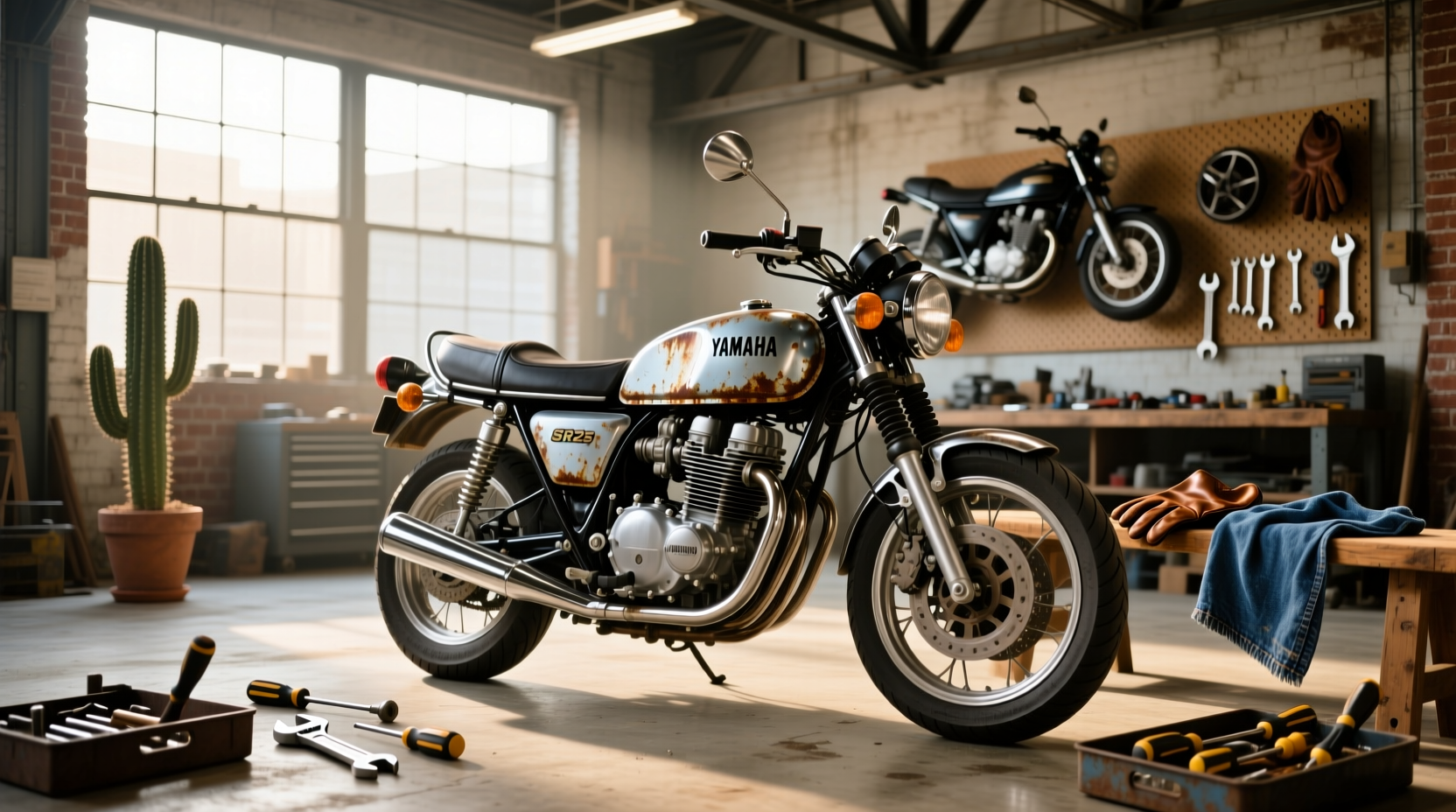
The Yamaha SR250 engine is a reliable air-cooled, single-cylinder powerplant known for its simplicity and durability, making it a favorite among vintage motorcycle enthusiasts and custom builders alike. Whether you're restoring a 1981 model or sourcing parts for a scrambler conversion, understanding the technical details, common mechanical issues, and upgrade potential of the SR250 motor is essential. This comprehensive guide covers displacement specs, horsepower output, fuel efficiency, carburetor tuning, engine swaps, and real-world reliability based on owner experiences and technical documentation.
Yamaha SR250 Engine Overview and Production History
The Yamaha SR250 was produced in two distinct generations, each featuring a slightly different engine configuration. The first generation ran from 1980 to 1984, while the second was reintroduced from 2001 to 2004. Despite minor updates, both versions retained the core design principles of the original thumper engine—simple, lightweight, and easy to maintain. The SR250 shares visual and mechanical DNA with the larger SR500, but its smaller displacement makes it more accessible for beginner riders and urban commuting 1.
⚙️ Engine Type: Air-cooled, SOHC, 4-stroke single cylinder
📍 First Generation Displacement: 249 cc (15.2 cu in)
📍 Second Generation Displacement: 239 cc (14.6 cu in)
⚡ Horsepower: 21.0 bhp (15.7 kW) @ 8,000 rpm (claimed)
🔧 Compression Ratio: 9.2:1
⛽ Fuel System: Mikuni VM24SH carburetor (first gen), later models may vary
📦 Lubrication: Wet sump
⏱️ Ignition: CDI (Capacitor Discharge Ignition)
This engine was designed for low-revving torque delivery, prioritizing smooth throttle response over high-speed performance. It's particularly well-suited for city riding, light touring, and customization projects such as cafe racers or scramblers.
Performance Metrics: Power, Speed, and Fuel Efficiency
One of the most frequently asked questions online is: “What is the top speed of the 1980 SR250?” Based on dyno tests and rider reports, the top speed of the Yamaha SR250 engine is approximately 80 mph (130 km/h). While not built for highway cruising, this is sufficient for backroads and suburban travel. Acceleration is modest, with 0–60 mph taking around 12–14 seconds depending on condition and rider weight.
Fuel economy is one of the engine’s standout features. Riders consistently report an average of 76 mpg-US (3.1 L/100 km), making it highly efficient for daily use or longer trips where refueling options are limited. This efficiency stems from the lean-burning nature of the carbureted system and the engine’s conservative tuning.
| Specification | Value |
|---|---|
| Displacement (Gen 1) | 249 cc |
| Displacement (Gen 2) | 239 cc |
| Bore × Stroke | 70.0 mm × 64.6 mm |
| Max Power | 21.0 bhp @ 8,000 rpm |
| Top Speed | 80 mph (130 km/h) |
| Fuel Consumption | 76 mpg-US (3.1 L/100 km) |
| Oil Capacity | 1.1 L (with filter) |
| Transmission | 5-speed constant mesh |
Common Engine Problems and How to Diagnose Them
Despite its reputation for reliability, older Yamaha SR250 engines can develop issues due to age, neglect, or improper storage. Below are the most common mechanical concerns reported by owners and mechanics:
- Carburetor Clogging: Over time, varnish buildup from stale fuel can restrict jets and passages in the Mikuni carburetor. Symptoms include hard starting, rough idle, and hesitation under acceleration. A full rebuild using a carb kit (Yamaha SR250 carburetor rebuild) is often necessary every 10–15 years.
- Ignition Timing Drift: The CDI system is generally robust, but worn points or a faulty condenser (in early models) can cause misfires. Using a timing light and following factory specs ensures proper ignition alignment.
- Valve Clearance Issues: As the engine ages, valve lash changes due to wear. Tappet noise (ticking sound at idle) indicates the need for adjustment. Recommended interval: every 6,000 miles or 2 years.
- Oil Leaks: Common around the crankcase seals and valve cover gasket. Replacing aged rubber seals during routine service prevents long-term damage.
- Starter Shaft Wear: On kick-start models, the starter dog gear can wear down, causing difficulty engaging the flywheel. Inspection during clutch removal is advised if kick-start feels loose.
🔧 Troubleshooting Tip: If your SR250 turns over but won’t start, check spark first. Remove the spark plug, reconnect it to the boot, ground it against the engine block, and kick-start. A strong blue spark indicates the ignition system is functional. No spark suggests issues with the coil, CDI unit, or kill switch wiring.
Maintenance Schedule and Best Practices
Regular maintenance is key to preserving the longevity of the SR250 engine. Unlike modern fuel-injected bikes, these carbureted engines require more hands-on care. Follow this recommended schedule:
| Maintenance Task | Interval | Notes |
|---|---|---|
| Oil Change | Every 2,000 miles | Use 10W-40 JASO MA oil |
| Carb Cleaning/Rebuild | Every 10–15 years or as needed | Especially after fuel sitting >6 months |
| Valve Adjustment | Every 6,000 miles | Inlet: 0.05 mm, Exhaust: 0.08 mm |
| Spark Plug Replacement | Every 4,000 miles | NGK D8EA or equivalent |
| Air Filter Cleaning | Every 2,000 miles | Soak foam filter in kerosene, dry, re-oil |
| Chain Tension Check | Every 500 miles | Adjust to 1"–1.2" slack |
| Brake Pad Inspection | Every 2,000 miles | Front drum or disc depending on model year |
🧼 Pro Tip: To prevent gummed-up fuel systems, add a fuel stabilizer like Sta-Bil before storing the bike for more than 30 days. Running the engine for 5–10 minutes after adding stabilizer ensures treated fuel reaches the carb bowl.
Engine Compatibility and Swap Potential
A frequent query among DIY builders is whether the Yamaha SR250 engine can be swapped into other frames or used as a donor for custom builds. The answer is yes—with caveats. Due to its compact size, simple wiring, and proven durability, the SR250 motor has been successfully transplanted into trackers, bobbers, and even small off-road builds.
✅ Compatible Frames: Yamaha XT250, SR500, and some custom hardtails accept the SR250 engine with minor modifications.
🔧 Required Modifications: Motor mounts may need fabrication; transmission sprocket alignment must be precise; electrical harness routing varies by frame.
⚙️ Clutch & Transmission: The 5-speed gearbox is durable but not as robust as the SR500’s. Avoid aggressive launches or heavy loads.
Some builders opt to upgrade the stock carburetor to a Keihin FCR or install electronic fuel injection kits for improved throttle response. However, such modifications require careful tuning and may affect emissions compliance in regulated regions.
Restoration vs. Project Bike: Is a 1981 SR250 Worth $2,000?
A recurring debate on forums like Reddit centers on value: “Is a 1981 Yamaha SR250 worth $2,000?” In short, no—at least not in 2025. For that price, buyers can find newer, more reliable standards or better-condition classics. Most functional SR250s sell between $800 and $1,500, depending on location and condition 2.
However, a non-running SR250 at $400–$600 can be a smart vintage motorcycle project investment. YouTube channels like Jimmytmoto and Mancave Customs have demonstrated full restorations under $1,200, including engine rebuilds, paint, and new tires. These builds offer hands-on learning and personal satisfaction without breaking the bank.
📌 Red Flags When Buying:
- Rust inside the fuel tank
- Seized engine or inability to turn over
- Crumbling tires or cracked fork seals
- Mismatched VIN and engine numbers
Aftermarket Support and Parts Availability
Finding replacement parts for the Yamaha SR250 engine used to be challenging, but niche suppliers now stock critical components. Sites like Mikes XS specialize in vintage Yamaha parts, offering everything from gaskets and pistons to complete top-end rebuild kits 3.
🛒 Commonly Sourced Parts:
- Piston and cylinder kits
- Carburetor rebuild kits
- Timing chain and tensioner
- Starter motor brushes
- CDI units and voltage regulators
While OEM parts are ideal, some aftermarket alternatives exist. Be cautious with cheap piston rings or Chinese-made carburetors—they may fit but perform poorly or fail prematurely. Always verify part numbers against the original service manual.
Custom Builds: Why the SR250 Engine Makes a Great Donor
The Yamaha SR250 engine has gained cult status in the custom bike community. Its upright stance, narrow profile, and exposed mechanicals make it perfect for minimalist designs. Builders appreciate its balance of power and manageability—strong enough for spirited rides, yet tame enough for beginners.
✨ Popular build styles include:
- Cafe Racer: Clip-on handlebars, rear-set footpegs, streamlined seat unit
- Scrambler: High-mounted exhaust, knobby tires, dual-sport fenders
- Tracker: Flat track bars, number plate, minimal lighting
One notable example is the SR250 Scrambler Build by Mancave Customs, which transformed a neglected donor into a street-legal adventure-style machine. The build retained the stock engine but upgraded suspension and brakes for enhanced capability.
Owner Insights and Community Resources
Engaging with communities like The SR250 Appreciation Society on Facebook (over 4,800 members) provides access to troubleshooting advice, parts leads, and build inspiration 4. Members frequently share wiring diagrams, torque specs, and carb jetting recommendations tailored to elevation and climate.
👥 Key benefits of joining owner groups:
- Free access to service manuals and schematics
- Group buys on bulk parts
- Real-time help with starting or tuning issues
- Photos and videos of completed projects
Frequently Asked Questions (FAQs)
Below are answers to the most commonly searched questions related to the Yamaha SR250 engine:
What is the horsepower of a Yamaha SR250?
The Yamaha SR250 produces 21.0 bhp (15.7 kW) at 8,000 rpm according to factory claims. Real-world dyno tests show slightly lower figures due to drivetrain loss and engine condition.
Is the SR250 good for long rides?
While capable of moderate distances, the SR250 lacks wind protection and has a firm seat, making extended highway trips tiring. It performs best on shorter rides under 100 miles with regular breaks.
How much does a Yamaha SR250 engine weigh?
The dry weight of the engine is approximately 68 lbs (31 kg). The total wet weight of the motorcycle is 287 lbs (130 kg) with half a tank of fuel.
Can I upgrade the SR250 engine to 300cc?
Yes, some shops offer big-bore kits to increase displacement to 270–290cc. However, true 300cc conversions require extensive machining and are rare. Performance gains come with increased stress on the transmission.
Are Yamaha SR250 engines reliable?
When properly maintained, SR250 engines are highly reliable. Many examples have exceeded 50,000 miles with only basic servicing. Their simplicity reduces failure points compared to modern multi-cylinder bikes.




 浙公网安备
33010002000092号
 浙B2-20120091-4