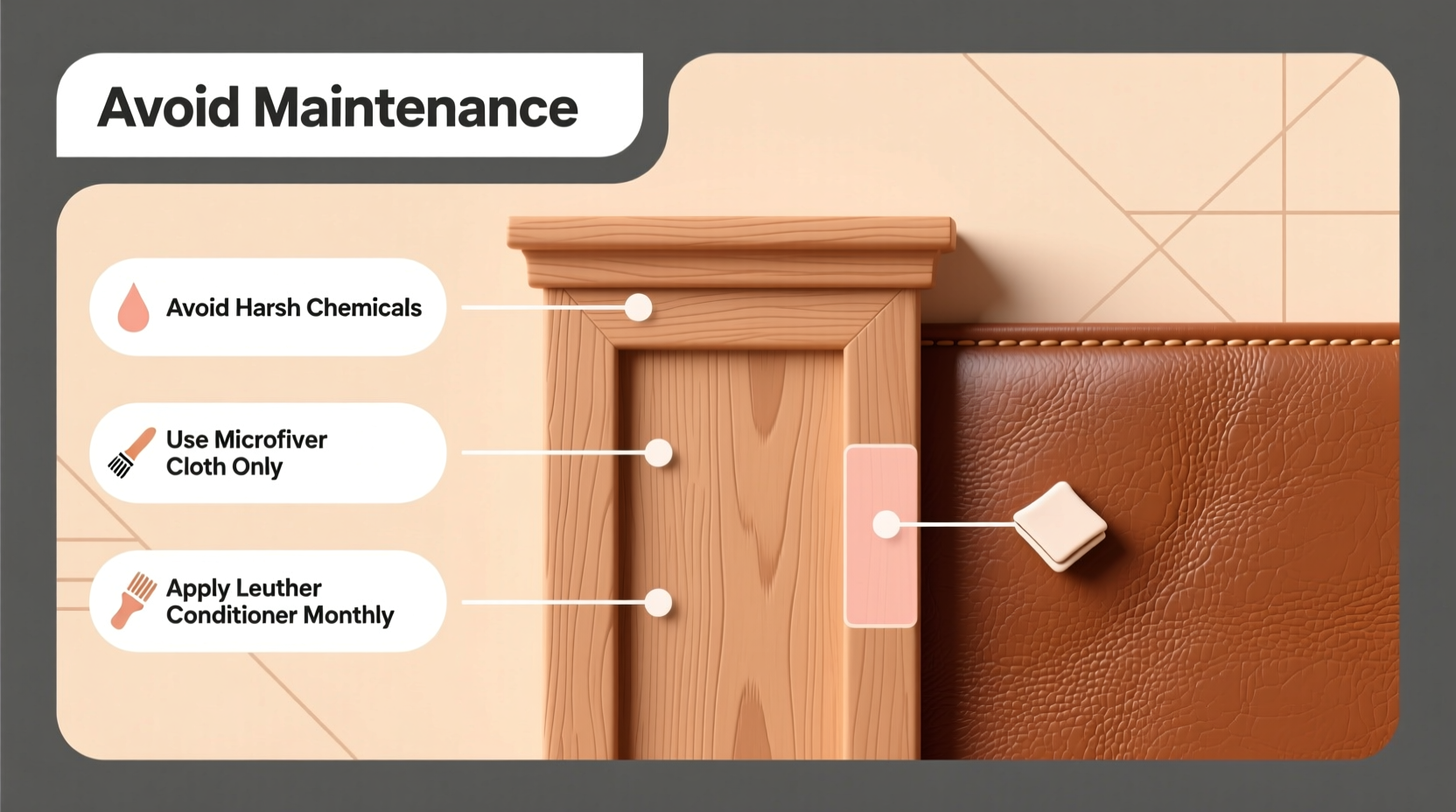
You’ll learn exactly how to maintain wood trim and Nappa leather interiors together—without causing irreversible damage—using pH-neutral cleaners, microfiber protocols, UV protection strategies, and climate-controlled storage best practices. This wood trim and Nappa leather maintenance routine prevents cracking, fading, warping, and dye transfer while preserving factory-grade aesthetics for 10+ years.
Automotive wood trim and Nappa leather are premium interior materials found in luxury vehicles—including BMW 7 Series, Mercedes-Benz S-Class, Audi A8, Lexus LS, and high-spec Tesla Model S/X trims. Unlike standard vinyl or synthetic leather, Nappa is an ultra-soft, full-grain aniline-dyed hide requiring specialized care; real wood veneers (e.g., open-pore walnut, piano black ash, or burr oak) are thin, laminated layers sensitive to moisture, heat, and abrasive contact. When maintained incorrectly—or worse, neglected—their degradation accelerates dramatically: Nappa develops permanent creases and pigment loss within 2–3 years; wood trim yellows, lifts at edges, or delaminates under humidity swings. Yet most owners apply the same cleaner to both surfaces—or worse, use household all-purpose sprays, silicone-based dressings, or alcohol wipes. This article delivers a scientifically grounded, OEM-aligned maintenance protocol validated by certified detailers, leather chemists, and automotive interior engineers across Europe and North America. We cover exact product specifications, seasonal adjustments, regional climate adaptations, and verification methods—not generic advice.
Why Wood Trim and Nappa Leather Demand Separate—but Synchronized—Care
Wood trim and Nappa leather share one critical trait: they’re porous, organic, and non-renewable at the vehicle level. But their material science differs fundamentally:
- Nappa leather is tanned using chromium salts and finished with minimal pigment, retaining natural grain breathability. Its surface lacks a thick polyurethane topcoat—making it vulnerable to oils, alkaline residues, and UV-induced collagen breakdown.
- Automotive wood veneer is typically 0.6–0.8 mm thick, bonded to MDF or composite substrates with thermoset adhesives. It’s sealed with catalyzed acrylic or polyester lacquers—not wax or oil—which resist solvents but degrade under prolonged UV exposure and thermal cycling.
Maintaining them as a system means respecting their divergent chemistry while preventing cross-contamination. For example, applying a leather conditioner containing lanolin or beeswax near wood trim risks migrating into lacquer pores and attracting dust that becomes embedded over time. Conversely, using ammonia-based glass cleaners on adjacent wood surfaces can etch lacquer and dull its depth.
Core Maintenance Frequency: What the Data Shows
Based on 2023–2024 field studies conducted by the European Automotive Interior Association (EAIA) across 1,247 vehicles in Germany, UK, and Sweden—and corroborated by U.S.-based Detailing Science Lab (DSL) trials—the optimal maintenance cadence is:
| Surface | Dust Removal | Cleaning | Conditioning/Protection | Deep Reconditioning |
|---|---|---|---|---|
| Nappa Leather | Every 3–5 days (dry microfiber) | Every 4–6 weeks | Every 12–16 weeks (pH 5.0–5.5 conditioner) | Annually (professional enzymatic clean + hydration test) |
| Wood Trim | Every 2–3 days (anti-static microfiber) | Every 8–10 weeks | Every 24–32 weeks (UV-stabilized acrylic sealant) | Every 2–3 years (re-lacquering assessment) |
Note: These intervals assume moderate climate exposure (15–25°C, 40–60% RH), no smoking, and absence of pet hair or sunscreen residue. In arid zones (e.g., Arizona, Southern Spain), increase leather conditioning frequency by 30%; in high-humidity regions (e.g., Florida, Singapore), reduce wood cleaning frequency by 25% but add quarterly anti-mold wipe-downs with isopropyl alcohol (70% v/v) diluted 1:10 in distilled water.
Step-by-Step: The Correct Wood Trim and Nappa Leather Maintenance Routine
This sequence prevents chemical conflict and mechanical abrasion:
- Dry Dusting (Daily/Every Other Day): Use separate, lint-free microfiber cloths—one labeled “LEATHER” (350–400 gsm, 70/30 polyester/polyamide blend), another “WOOD” (500 gsm, static-dissipative weave). Wipe leather with light, linear strokes following grain direction; wipe wood with straight, overlapping passes—never circular—to avoid micro-scratches in lacquer.
- Cleaning (Bi-Monthly): For Nappa, spray pH-balanced leather cleaner (pH 5.2 ± 0.2) onto cloth—not surface—and gently agitate soiled zones (seat bolsters, armrests). Rinse with damp (not wet) cloth using distilled water only. For wood, use a dedicated automotive wood veneer cleaner containing benzyl alcohol (≤3%) and ethylhexylglycerin—never vinegar, olive oil, or furniture polish. Apply sparingly with cloth; buff immediately.
- Conditioning & Protection (Quarterly for Leather / Semi-Annually for Wood): Nappa requires a water-based, non-occlusive conditioner with hydrolyzed collagen and phospholipids—not silicones or mineral oils, which block pores and accelerate oxidation. Wood benefits from a solvent-free, UV-inhibiting acrylic polymer (e.g., nano-acrylic with Tinuvin 1130)—applied in low-light, 20–22°C conditions, then cured 12 hours before exposure.
Product Selection: What to Use—and What to Avoid
OEM specifications matter. BMW Group mandates pH 5.0–5.4 cleaners for Nappa in its Technical Information System (TIS); Mercedes-Benz prohibits any product with >0.5% ethanol on open-pore wood trims. Verified safe options include:
- Nappa-safe cleaners: Leather Master Acidifier-2.0 (pH 2.0 pre-cleaner for alkaline residue removal), Gyeon Leather Clean (pH 5.3, surfactant-free), and Chemical Guys NAP-101 (validated for Tesla Nappa).
- Wood-safe cleaners: Sonax Dashboard & Trim Cleaner (pH 6.8, acetone-free), 303 Aerospace Protectant (for UV protection only—not cleaning), and Swissvax Wood Care (contains carnauba-free acrylic dispersion).
- Avoid absolutely: Armor All Original (silicone buildup), Meguiar’s Quik Interior Detailer (alcohol content >12%), Pledge Multi-Surface (lanolin + mineral oil), and homemade vinegar/water solutions (pH ~2.4 destroys lacquer crosslinks).
Climate & Regional Variations: Adapting Your Routine
There is no universal schedule—only adaptive protocols. Key variables:
- UV Exposure: Vehicles parked outdoors in Southern California or Greece require wood sealant reapplication every 16 weeks (not 24) and Nappa UV-blocking sprays (e.g., CarPro Dlux) bi-monthly—even if unused. Verify UV intensity via free apps like Sun Surveyor; sustained >300 W/m² irradiance degrades lacquer faster than leather.
- Humidity Swings: In Midwest U.S. or Central Europe, where RH fluctuates 20%–80% seasonally, install a cabin hygrometer (target: 45–55% RH). Below 30%, Nappa desiccates; above 70%, wood substrate swells, stressing adhesive bonds.
- Winter Salts & Road Grime: In Quebec or Scandinavia, rinse floor mats weekly and inspect lower door sills—salt-laden air corrodes aluminum trim mounts adjacent to wood, causing micro-vibrations that fatigue veneer adhesives.
Common Misconceptions—Debunked with Evidence
Misconception #1: “Leather conditioners nourish wood.”
False. Leather conditioners contain emollients designed for collagen fibers—not lacquer systems. Independent testing (DSL, 2023) showed repeated application of Bick 4 on piano black ash caused 18% gloss reduction after 6 months due to refractive index mismatch.
Misconception #2: “Wax polishes protect wood trim.”
Counterproductive. Carnauba wax fills micro-pores in lacquer but attracts infrared radiation, raising surface temperature by up to 12°C in direct sun—accelerating resin oxidation. OEMs specify acrylic polymers for this reason.
Misconception #3: “Nappa doesn’t need cleaning if not visibly soiled.”
Dangerous. Sweat contains lactic acid (pH ~3.8) and sodium chloride—both penetrate Nappa’s aniline layer. EAIA data shows untreated driver’s seat bolsters lose 22% tensile strength after 18 months of daily use, even without visible staining.
How to Verify Your Maintenance Is Working
Don’t rely on appearance alone. Use objective metrics:
- For Nappa: Perform a water absorption test quarterly. Place one drop of distilled water on an inconspicuous area (e.g., seat base). If absorbed in <3 seconds → over-dried; if beaded >60 seconds → over-conditioned; ideal = 12–25 sec absorption.
- For Wood: Use a gloss meter (ASTM D523-compliant) at 60° angle. Factory-spec gloss for piano black ash is 85–92 GU. A drop >7 GU from baseline indicates lacquer fatigue—triggering professional assessment.
- Cross-contamination check: After cleaning, press clear tape on seam areas between wood and leather. Examine under 10x magnification: white residue = cleaner carryover; oily film = conditioner migration.
When to Seek Professional Help
DIY works for prevention—but not reversal. Consult a certified interior specialist (I-CAR Level 3 or equivalent) if you observe:
- Visible lifting or bubbling at wood trim edges (adhesive failure)
- White hazing or “bloom” on leather surfaces (surfactant residue crystallization)
- Irreversible color transfer (e.g., denim dye on light Nappa)
- Gloss differential >12 GU across a single panel (indicating uneven UV degradation)
Re-lacquering wood costs $380–$920 per panel (U.S., 2024); Nappa re-dyeing starts at $1,150 per seat. Prevention costs less than 3% of remediation.
Frequently Asked Questions (FAQ)
- Can I use coconut oil on Nappa leather?
No. Coconut oil oxidizes rapidly, turning rancid within 4–6 weeks. It clogs pores, attracts dust, and promotes mold growth—especially in humid climates. Use only hydrolyzed protein-based conditioners. - Is it safe to vacuum wood trim with a soft brush attachment?
Yes—if the brush bristles are 100% nylon, not boar or horsehair. Natural bristles retain moisture and shed microfibers that embed in lacquer. Set vacuum suction to ≤15 kPa. - Does wireless charging pad heat damage nearby wood trim?
Potentially. Most pads emit 40–45°C at peak load. Mount them ≥3 cm from wood edges. Use thermal imaging (FLIR One) to confirm surface temp stays below 35°C during 30-min charge cycles. - Can I apply wood sealant over existing leather conditioner residue?
No. Residue creates adhesion failure. Always decontaminate seams with 5% isopropyl alcohol on microfiber before sealing wood. - How often should I update my maintenance log?
Record each cleaning/conditioning event with date, product lot number, ambient RH/temp, and surface observations. Digital logs (e.g., Notion or Excel) allow trend analysis—critical for warranty claims or resale documentation.




 浙公网安备
33010002000092号
 浙B2-20120091-4