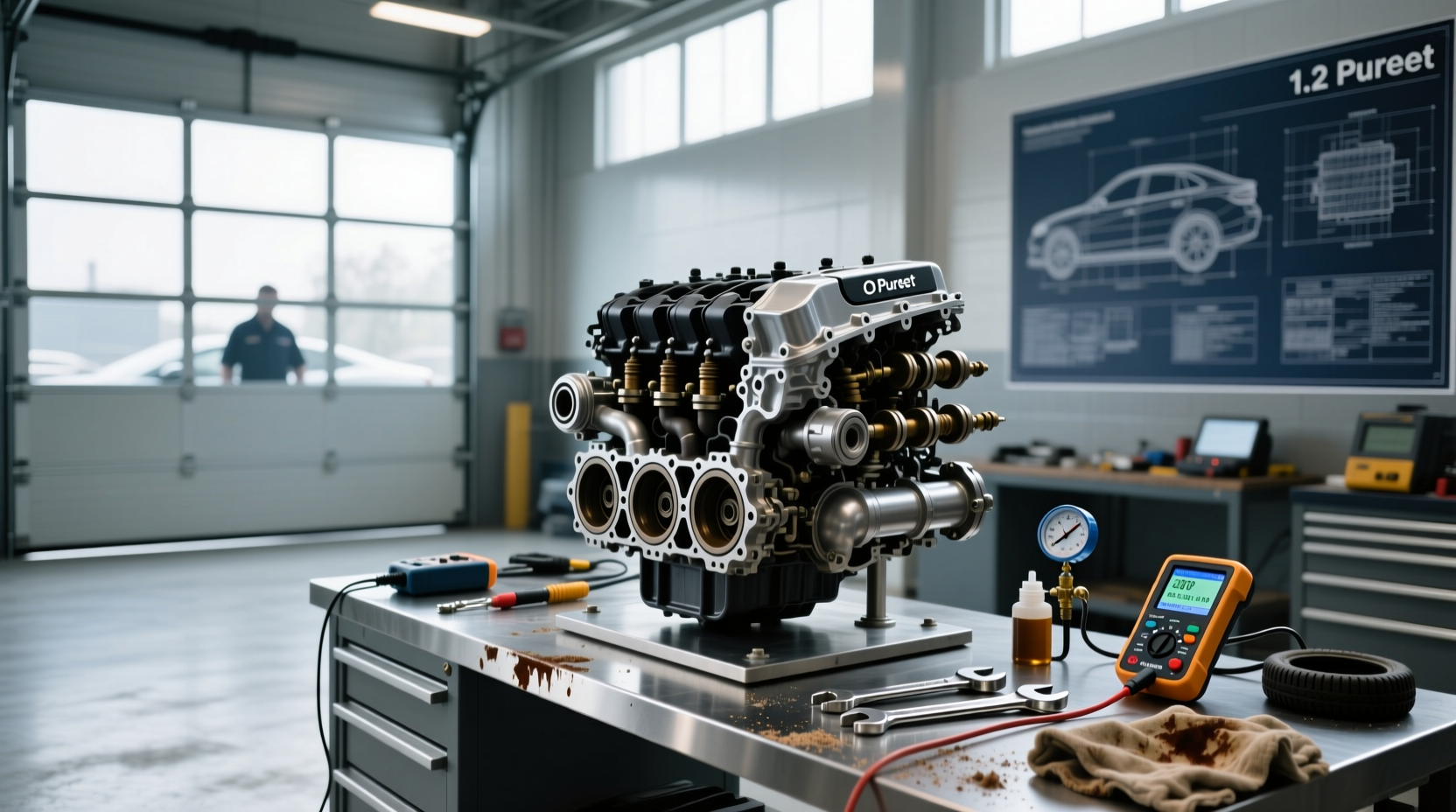
🔍 The 1.2 PureTech engine, used across Peugeot, Citroën, DS, Opel, and other Stellantis models since 2012, has gained attention for recurring reliability concerns—particularly excessive oil consumption and premature timing belt failure due to a 'wet belt' design. While many owners report trouble-free experiences with proper maintenance, a growing number have faced costly repairs, prompting class-action settlements and technical updates in several markets. This article breaks down the core issues, their root causes, real-world impact, and what current or prospective owners should know to make informed decisions.
Understanding the 1.2 PureTech Engine
The 1.2 PureTech (also known as EB2) is a three-cylinder turbocharged petrol engine developed by Stellantis (formerly PSA Group). Introduced in 2012, it was designed to balance fuel efficiency, low emissions, and responsive performance in compact and mid-sized vehicles like the Peugeot 208, 308, 508, Citroën C4, DS 3 Crossback, and Vauxhall Corsa.
Despite winning the International Engine of the Year Award in 2015 for its category1, long-term reliability has become a point of debate among owners and mechanics. While early versions (pre-2017) are more prone to issues, later revisions attempted to address known flaws.
Top 1.2 PureTech Engine Problems
⚙️ 1. Wet Timing Belt Design and Premature Failure
One of the most serious and widely reported issues is the use of a wet timing belt—a rubber belt exposed to engine oil inside the timing cover. Unlike traditional dry belts or timing chains, this setup increases the risk of oil degradation of the rubber material.
🔹 Symptoms: Squeaking noises from the front of the engine, visible belt cracking during inspection, or sudden engine seizure.
🔹 Consequence: If the belt fails while the engine is running, it can cause catastrophic internal damage (e.g., bent valves, piston-to-valve contact), especially because the 1.2 PureTech is an interference engine.
This issue has led to multiple owner complaints and even compensation programs in Europe. In May 2025, Stellantis announced a payout for affected owners of Peugeot, Citroën, and Vauxhall models with 1.0L and 1.2L PureTech engines2.
🔧 2. Excessive Oil Consumption
Many 1.2 PureTech engines, particularly those built between 2014 and 2018, consume oil at an abnormally high rate—sometimes losing 1 liter every 1,500 km (900 miles).
🔹 Root Causes:
- Worn piston rings or cylinder wall defects leading to oil entering the combustion chamber.
- Turbocharger seal leaks allowing oil into the intake system.
- PCV (Positive Crankcase Ventilation) system malfunctions causing pressure imbalances.
🔹 Risks: Low oil levels accelerate wear on critical components, including the timing belt (due to reduced lubrication in the wet belt housing), camshafts, and turbocharger. Prolonged neglect can lead to engine failure.
Regular oil level checks—ideally every 1,000 km—are strongly advised for owners of these models.
🏭 3. Turbocharger Failures
The turbocharger in the 1.2 PureTech is prone to early failure, often linked to oil coking—a condition where degraded oil forms carbon deposits inside the turbo bearings.
🔹 Contributing Factors:
- Infrequent oil changes or use of incorrect oil viscosity.
- Short-trip driving that doesn’t allow the engine to reach optimal operating temperature.
- High oil consumption exacerbating poor lubrication.
🔹 Symptoms: Loss of power, turbo lag, whining noises, blue smoke from the exhaust (indicating oil burning).
📍 4. Carbon Build-Up on Intake Valves
Because the 1.2 PureTech uses direct fuel injection (DFI), fuel does not wash over the back of the intake valves, leading to rapid carbon accumulation—especially in stop-and-go city driving.
🔹 Effects: Rough idling, misfires, reduced fuel economy, and poor throttle response.
🔹 Mitigation: Regular induction cleaning (every 30,000–50,000 km) or installation of a secondary port injection system (rarely done).
👥 5. ECU and Sensor Issues
Some owners report intermittent faults related to the engine control unit (ECU), mass airflow sensor (MAF), or oxygen sensors. These can trigger the check engine light and reduce performance.
🔹 Common Triggers:
- Faulty software calibration affecting fuel trims.
- Dirt or moisture ingress in sensor connectors.
- Aftermarket modifications interfering with OEM settings.
Which Models Use the 1.2 PureTech Engine?
The 1.2 PureTech engine has been widely used across several brands under the Stellantis umbrella. Below is a list of common models affected:
| Brand | Model | Years |
|---|---|---|
| Peugeot | 208, 2008, 308, 3008, 508, Rifter | 2012–present |
| Citroën | C3, C4, C5 Aircross | 2014–present |
| DS Automobiles | 3 Crossback, 4, 7 Crossback | 2018–present |
| Opel/Vauxhall | Adam, Corsa, Astra, Grandland | 2015–present |
| Fiat | 500X, Tipo | 2016–2022 |
| Alfa Romeo | Giulia (base model, limited markets) | 2017–2019 |
Note: Not all variants of these models have the problematic wet-belt version. Later production engines (post-2019) may feature updated designs or materials aimed at improving durability.
How Long Should a 1.2 PureTech Engine Last?
With proper care, a 1.2 PureTech engine can last between 150,000 and 200,000 km (90,000–125,000 miles). However, longevity heavily depends on maintenance practices and driving conditions.
🔹 Factors That Reduce Lifespan:
- Irregular oil changes or using non-compliant oil (must meet PSA B71 2290 specification).
- Infrequent long-distance driving (leads to oil contamination and carbon buildup).
- Ignoring oil consumption warnings.
- Delaying timing belt replacement beyond recommended intervals.
🔹 Recommended Maintenance Schedule:
- Oil Change: Every 15,000 km or 12 months (whichever comes first); use only approved low-SAPS oils.
- Timing Belt: Replace every 5 years or 100,000–120,000 km, even if no symptoms appear.
- Air Filter & Spark Plugs: Inspect every 30,000 km; replace as needed.
- Induction Cleaning: Every 40,000 km to prevent carbon-related performance drops.
Is the 1.2 PureTech Reliable? By Model Year
Reliability varies significantly depending on the production year and specific engine variant:
✅ Pre-2017 Models (Highest Risk)
These early units are most associated with oil consumption and wet belt failures. Many were built before Stellantis acknowledged the oil degradation issue. Owners report higher repair rates and shorter service life without proactive maintenance.
🟡 2017–2019 Models (Moderate Risk)
Minor revisions were introduced, including improved piston ring coatings and updated PCV systems. However, the fundamental wet belt design remained unchanged, so risks persist.
🟢 Post-2019 Models (Lower Risk)
Some newer engines (especially in DS and Opel models) began transitioning toward revised belt materials or protective shields to limit oil exposure. While not fully resolved, failure rates appear lower based on recent owner forums and mechanic reports.
Can You Fix the Wet Timing Belt Issue Permanently?
Yes—although not through official dealerships, third-party solutions exist. A Norwegian engineering firm has developed a retrofit kit that replaces the rubber timing belt with a **timing chain system**, eliminating the risk of oil-induced belt degradation3.
🔹 Pros:
- Lifetime solution to belt failure risk.
- Reduces long-term maintenance costs.
🔹 Cons:
- Cost: €2,500–€3,500 including labor.
- Limited availability; only offered by select independent workshops in Europe.
- May void powertrain warranty if applied prematurely.
This conversion is gaining popularity among fleet operators and long-term owners seeking peace of mind.
Owner Compensation and Class Actions
In response to widespread complaints, Stellantis launched a voluntary compensation program in early 2025 for owners of vehicles equipped with 1.0L and 1.2L PureTech engines in the UK and parts of Europe.
🔸 Eligibility typically includes:
- Vehicle registered between 2014 and 2019.
- Documented oil consumption exceeding 0.5L per 1,000 km.
- No prior major engine repairs covered under warranty.
Payouts range from £500 to £1,500 depending on mileage and ownership duration. Affected owners should contact their national Stellantis customer service center to inquire about eligibility.
How to Check If Your 1.2 PureTech Is at Risk
If you own or are considering buying a vehicle with this engine, follow these steps:
- Check VIN or Registration Date: Vehicles made before 2017 are statistically more likely to develop issues.
- Review Service History: Look for records of oil top-ups, timing belt replacements, or turbo repairs.
- Perform an Oil Consumption Test: Fill to max, drive 1,500–2,000 km under mixed conditions, then recheck level. Any drop beyond 0.5L indicates potential concern.
- Scan for Error Codes: Use an OBD2 scanner to check for stored codes related to MAF, O2 sensors, or misfires.
- Listen for Noises: A consistent squeak from the timing cover area may indicate belt wear.
Buying a Used Car with a 1.2 PureTech Engine: Tips
Considering a used Peugeot 208 or Citroën C4 with this engine? Here’s how to minimize risk:
- ✅ Prioritize post-2019 models—they benefit from minor but meaningful design tweaks.
- ✅ Verify full service history, especially timing belt replacement and oil change logs.
- ✅ Ask for an independent pre-purchase inspection focusing on compression test, turbo health, and belt condition.
- ❌ Avoid cars with inconsistent maintenance or unexplained oil top-up patterns.
- ❌ Be cautious of very low-mileage city-driven cars—short trips worsen oil contamination.
Alternatives to the 1.2 PureTech
If reliability is a top priority, consider these alternatives:
- Toyota 1.5L Dynamic Force (M15A): Known for exceptional durability and efficiency.
- Honda L15B Earth Dreams: Turbocharged with strong track record in CR-V and Civic.
- Hyundai-Kia 1.6L Gamma T-GDi: Robust build quality and longer service intervals.
- Diesel Options (if available): The 1.5L BlueHDi diesel offers better longevity for high-mileage drivers.
Conclusion: Weighing the Pros and Cons
The 1.2 PureTech engine delivers strong fuel economy and agile performance in a compact package—but at the cost of increased maintenance vigilance. While not inherently 'bad,' its design compromises make it less forgiving than rivals from Toyota, Honda, or Mazda.
For current owners: stay ahead with strict maintenance, monitor oil levels monthly, and replace the timing belt proactively. For buyers: choose later models with full service history, or consider alternative powertrains if long-term reliability is critical.
Frequently Asked Questions
- ❓ Can I prevent 1.2 PureTech oil consumption issues?
- Yes. Use only PSA-approved low-ash (C2/C3) oils, change oil every 12 months or 15,000 km, and avoid short trips. Regularly check oil levels and top up as needed.
- ❓ How do I know if my timing belt is failing?
- Listen for squeaking or chirping from the engine front. Have a mechanic inspect the belt during oil changes. If your car is over 5 years old, replace the belt regardless of appearance.
- ❓ Are all 1.2 PureTech engines affected by these problems?
- No. Issues are most common in models from 2014–2018. Newer versions show improved reliability, though the wet belt design remains a concern.
- ❓ Has Stellantis fixed the 1.2 PureTech engine?
- Not completely. They’ve issued technical service bulletins and extended warranties in some regions, but the core wet belt design persists. A permanent fix requires aftermarket modification.
- ❓ What’s the average repair cost for a failed 1.2 PureTech engine?
- Major repairs like engine rebuilds or replacements can cost €3,000–€6,000. Turbo replacement: €1,200–€2,000. Timing belt replacement: €600–€900 if caught early.





 浙公网安备
33010002000092号
浙公网安备
33010002000092号 浙B2-20120091-4