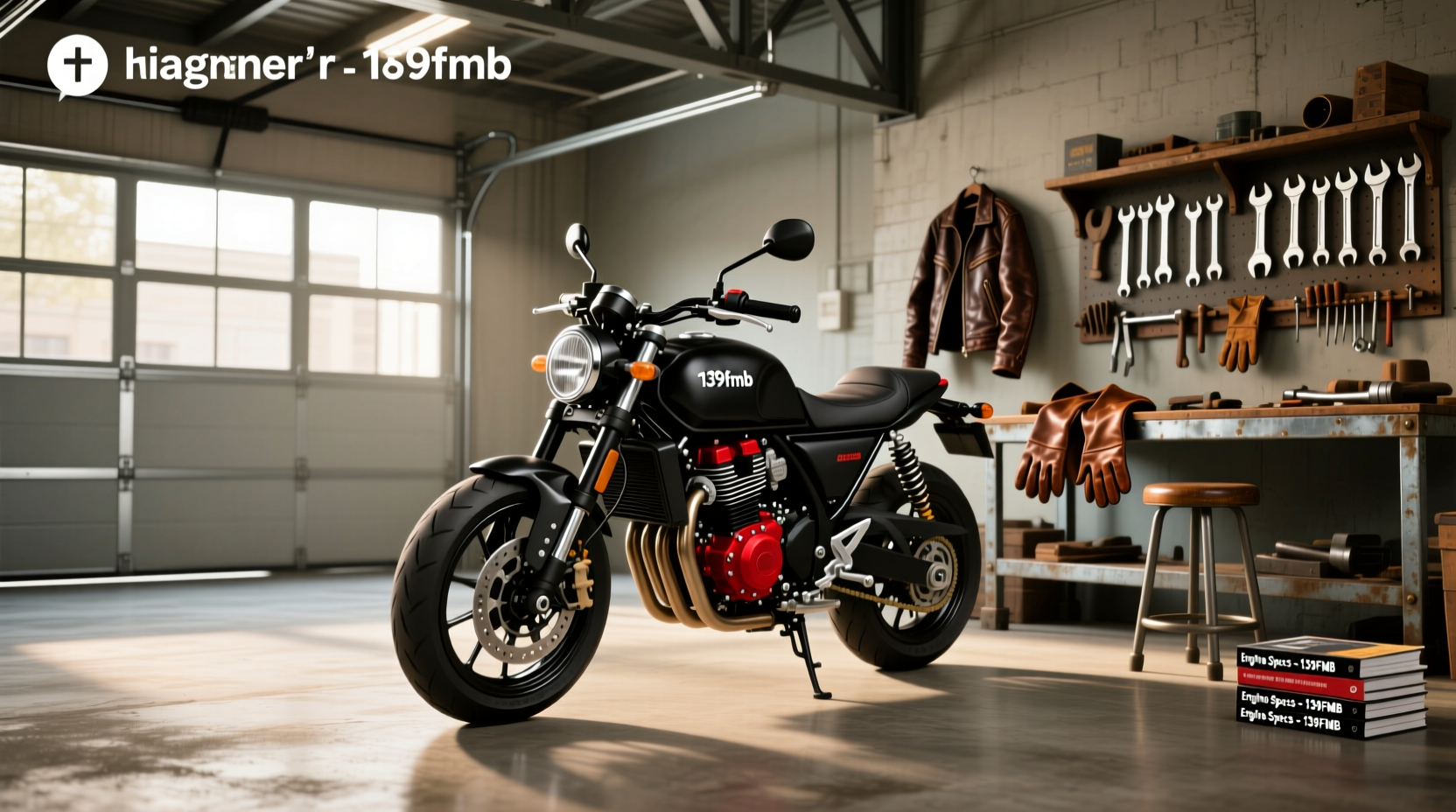
If you're searching for information on the 139FMB 50cc engine, you're likely dealing with a small-displacement Chinese motorcycle, scooter, or mini bike commonly found in Europe and North America. This horizontal, air-cooled, 4-stroke engine is widely used across budget-friendly 50cc models like Eurocka, Hanway, Jincheng, Kinroad, Mash, and Skyteam 1. Understanding its design, performance limits, and maintenance needs can help riders make informed decisions about repairs, tuning, or long-term ownership.
What Is the 139FMB 50cc Engine?
The 139FMB 50cc is a single-cylinder, four-stroke internal combustion engine originally based on Honda Cub technology but manufactured under license or as a derivative by various Chinese producers. It features a horizontal cylinder layout, manual 4-speed transmission, and kick-start (often with electric start as an option). Designed primarily for lightweight urban transport, it powers many entry-level motorcycles and scooters sold under different brand names across Europe.
This engine typically produces around 2.8 to 3.2 horsepower, allowing a top speed of approximately 60–70 km/h (37–43 mph) when stock and properly maintained. Its fuel efficiency is notable—some users report consumption as low as 2 liters per 100 kilometers (117 mpg US), making it ideal for short commutes and city riding 2.
Common Motorcycles Using the 139FMB Engine
Because the 139FMB isn't tied to one specific manufacturer, it appears under numerous brand names. Knowing which bikes use this platform helps with parts sourcing and troubleshooting:
- Mash Fifty / Cobra / Archive: French-styled retro bikes popular in Europe; often equipped with the 139FMB-B variant.
- Eurocka: Budget-friendly commuter models distributed across Southern Europe.
- Hanway: Known for scrambler-style 50cc bikes using modified 139FMB units.
- Jincheng: OEM manufacturer supplying engines and complete bikes globally.
- Kinroad: Offers pit bikes and trail models adapted from the same base engine.
- Skyteam: Distributes scooters and mopeds featuring this powerplant.
- Yamasaki: Another European-facing brand relying on standardized Chinese components.
🔧 TIP: If your bike has a 50cc 4-stroke engine with a horizontal cylinder and chain final drive, there's a high chance it uses a 139FMB-type engine—even if not labeled as such.
Key Specifications of the 139FMB 50cc Engine
To better understand what this engine offers, here are the standard technical specifications:
| Feature | Specification |
|---|---|
| Engine Type | Single-cylinder, 4-stroke, air-cooled |
| Bore × Stroke | 39 mm × 41.4 mm |
| Displacement | 49.5 cm³ |
| Compression Ratio | ~9.2:1 |
| Max Power Output | Approx. 2.8–3.2 HP @ 8,500 RPM |
| Transmission | 4-speed constant mesh, manual clutch |
| Starting Method | Kick start (electric optional) |
| Fuel System | Carburetor (typically 12mm or 14mm diaphragm type) |
| Ignition | CDI electronic ignition |
| Lubrication | Wet sump |
| Cooling | Air-cooled with finned cylinder head |
| Oil Capacity | Approx. 0.8–1.0 L |
These specs reflect typical configurations. However, slight variations exist between manufacturers—especially in carburetor size, CDI programming, and exhaust design. Always verify exact details using your VIN or engine serial number.
Why the 139FMB Is So Widely Used
The widespread adoption of the 139FMB stems from several practical advantages:
- Low Manufacturing Cost: Simple design allows mass production at minimal expense.
- Proven Reliability: Based on decades-old Honda Cub architecture known for durability.
- Easy Maintenance: Common tools and basic mechanical knowledge suffice for most repairs.
- Fuel Efficiency: Excellent mileage makes it suitable for urban commuting.
- Parts Availability: Due to standardization, replacement components are widely available online and through specialty retailers.
🏭 Manufacturing Note: While often referred to as "Lifan" engines due to branding similarities, the 139FMB is produced by multiple factories in China, including Zongshen, Loncin, and others. Lifan itself does not officially list the 139FMB in its catalog, though visual and functional resemblance leads to confusion.
Performance and Speed Limitations
Stock 139FMB-powered motorcycles are legally restricted to comply with A1 license or moped regulations in most countries. The factory-limited top speed usually ranges from 45 km/h (28 mph) to 60 km/h (37 mph), depending on gearing and local laws.
⚡ Can You Increase Speed? Yes—but with caveats. Riders often seek ways to de-restrict their bikes for higher performance. Common modifications include:
- Replacing the stock CDI with an unlimited CDI (e.g., ScootFast offers these for Mash Archive models).
- Installing a larger carburetor (up to 17.5mm).
- Upgrading the exhaust system to a performance header.
- Changing rear sprocket size for taller gearing.
- Adding a high-flow air filter.
However, removing speed limiters may violate local road regulations and invalidate insurance. In some regions, doing so reclassifies the vehicle as non-compliant for learner licenses. ⚠️ Always check your country’s transportation authority rules before modifying emissions or speed controls.
Common Issues and How to Fix Them
No engine is perfect. The 139FMB, while reliable, has recurring problems that owners should anticipate:
1. Carburetor Clogging (Especially After Storage)
Fuel left in the carb bowl can gum up jets over time, leading to hard starts or stalling. Use fresh gasoline and consider adding a stabilizer if storing longer than 30 days. Cleaning the carb with aerosol cleaner or ultrasonic bath restores function.
2. Weak Spark or No Start
Faulty CDI boxes, spark plugs, or stator coils cause ignition failure. Test each component systematically. Replacement ignition stators (like the TNT-branded unit sold by Fruits de Ponent) are affordable and easy to install 3.
3. Oil Leaks Around Crankcase
Gaskets degrade over time. Replacing crankcase seals and using RTV silicone during reassembly prevents leaks.
4. Clutch Slippage Under Load
Worn friction plates reduce power transfer. Inspect and replace clutch kits every 10,000 km or sooner if slipping occurs.
5. Gearbox Noise or Hard Shifting
Poor lubrication or worn shift forks cause grinding. Ensure correct oil grade (10W-40 or equivalent) and inspect internals if symptoms persist.
Maintenance Tips for Longevity
Regular upkeep extends engine life significantly. Follow this checklist:
- Oil Changes: Replace every 1,000–1,500 km or 3 months. Use JASO MB-certified 2T/4T oil.
- Air Filter: Clean foam filters monthly; replace if torn.
- Chain Tension: Adjust weekly; lubricate after rides in wet conditions.
- Spark Plug: Check gap (0.6–0.7 mm); replace annually.
- Valve Clearance: Inspect every 5,000 km; adjust if noisy.
- Fuel System: Drain carburetor if storing more than two weeks.
Aftermarket Parts and Upgrades
Thanks to the engine’s popularity, a robust aftermarket supports customization and repair. You can find:
- Performance CDIs
- Big bore kits (e.g., 72cc conversion)
- Race camshafts
- High-flow exhausts
- Digital tachometers
- Electric starter kits (for kick-only models)
🛒 Platforms like Alibaba host dozens of suppliers offering OEM-equivalent and upgraded parts for the 139FMB engine. When purchasing, confirm compatibility with your model year and sub-variant (e.g., 139FMB vs. 139FMB-B).
How to Identify Your Exact Engine Model
Not all 139FMB engines are identical. Variants include:
- 139FMB: Base version, often vertical output shaft.
- 139FMB-B: Updated model with horizontal output, common in Mash and Eurocka bikes.
- 139FMA: Older iteration, less common today.
📍 To identify yours:
- Locate the engine identification tag near the cylinder base.
- Look for stamped text: "139FMB" followed by letters/numbers.
- Cross-reference with seller documentation or part diagrams.
- Measure shaft orientation: horizontal = likely FMB-B.
Misordering parts due to incorrect identification is a common mistake. Double-check before purchase.
Buying a Complete 139FMB Engine: What to Know
If rebuilding isn’t viable, replacing the entire unit might be cost-effective. Complete engines are sold by vendors such as Motor-X, Gmoto.es, and 50Factory.com, ranging from €280 to €380 4.
✅ Before buying, ensure:
- Transmission type matches (manual 4-speed).
- Output shaft direction aligns (horizontal or vertical).
- Included accessories: sprocket cover, pedals, intake manifold.
- Warranty terms and return policy.
🚚 Shipping times vary internationally. Some EU-based sellers offer faster delivery and local support.
Environmental and Regulatory Considerations
The 139FMB engine predates strict Euro 5 emission standards. Most versions meet only Euro 2 or 3, meaning they may face restrictions in low-emission zones (LEZs) in cities like Paris, Berlin, or London.
🌍 If planning regular city use, verify whether your region restricts older 50cc engines. Some municipalities require OBD-II compliance or prohibit pre-2013 models from entering certain areas.
Final Thoughts: Is the 139FMB Right for You?
The 139FMB 50cc engine remains a practical choice for beginners, urban commuters, and DIY enthusiasts. Its simplicity, low running costs, and wide service network make ownership accessible. However, performance limitations, aging emissions tech, and potential reliability issues after extended use mean it's best suited for light-duty applications.
📌 Ultimately, success with this engine depends on proper maintenance, realistic expectations, and adherence to local laws—especially regarding modifications. Whether restoring a Mash Archive or repairing a Kinroad pit bike, understanding the 139FMB’s capabilities empowers smarter decisions.
Frequently Asked Questions (FAQ)
- What motorcycles use the 139FMB 50cc engine?
- The 139FMB engine is used in many Chinese-made 50cc motorcycles including Mash Fifty, Eurocka, Hanway, Jincheng, Kinroad, Skyteam, and Yamasaki models.
- How fast does a 139FMB 50cc engine go?
- In stock form, bikes with this engine typically reach 60–70 km/h (37–43 mph). Derestricted versions may exceed 80 km/h (50 mph), depending on modifications.
- Can I upgrade the 139FMB to 72cc?
- Yes, big bore kits (e.g., 72cc) are available and compatible with the 139FMB block. These require new piston, cylinder, head, and often carburetor upgrades.
- Where can I buy genuine 139FMB engine parts?
- OEM and aftermarket parts are available through specialized retailers like 50Factory, Motor-X, Gmoto.es, and industrial suppliers on Alibaba.com.
- Is the 139FMB the same as a Lifan engine?
- While visually similar and sometimes mislabeled, the 139FMB is not an official Lifan engine. It's a generic Chinese-designed unit produced by multiple manufacturers.





 浙公网安备
33010002000092号
浙公网安备
33010002000092号 浙B2-20120091-4