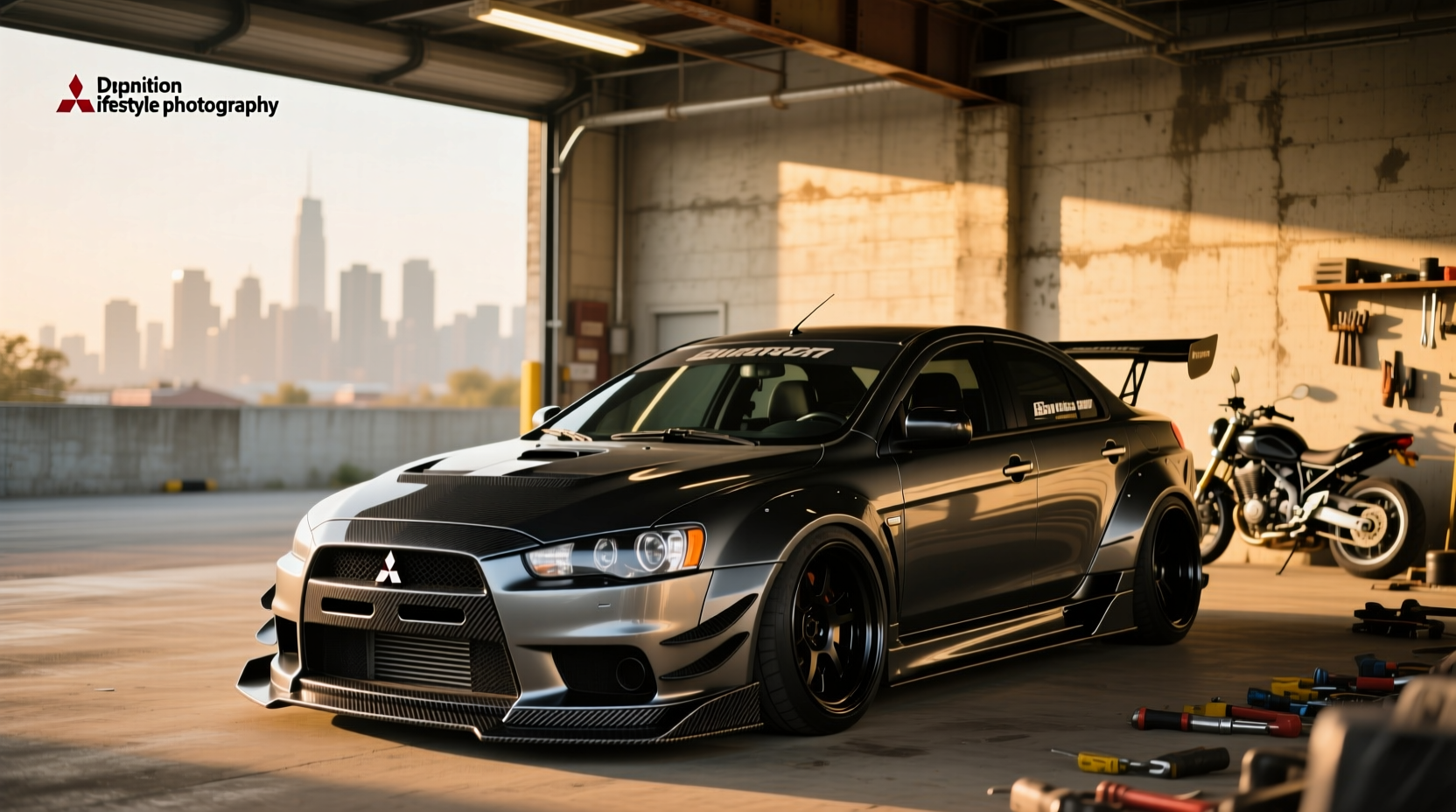
If you're searching for a 2007 Mitsubishi Eclipse body kit, you're likely aiming to enhance your car's aggressive stance, improve aerodynamics, or restore damaged components with a custom look. The good news is that multiple styles—such as widebody, race-inspired, JDM, and street-fit kits—are still available from specialty manufacturers despite the vehicle’s age. Most kits today are designed specifically for the 2006–2012 Eclipse generation, ensuring compatibility with your 2007 model ✅. Understanding the differences in materials (like fiberglass, polyurethane, and carbon fiber), mounting requirements, and regional availability will help you make an informed decision without costly mistakes.
Why Upgrade Your 2007 Mitsubishi Eclipse with a Body Kit?
The 2007 Mitsubishi Eclipse sits within the fourth generation (4G) of this sporty coupe, known for its sleek factory design and tuner potential. However, many owners find the stock appearance too conservative. A body kit transforms both aesthetics and function by adding larger side skirts, aggressive front splitters, rear diffusers, and flared fenders that allow wider wheels and tires 🌐.
Beyond visual appeal, well-designed body kits can offer modest improvements in airflow management at higher speeds, reducing lift and enhancing stability ⚙️. For enthusiasts restoring a totaled front bumper or modifying their car for shows and track days, a full-body kit provides a cohesive upgrade path compared to piecemeal replacements.
Understanding Compatibility: Is a Body Kit Made for My 2007 Eclipse?
✅ Yes — most body kits labeled for 2006–2012 Mitsubishi Eclipse models are compatible with the 2007 version. This generation shares the same chassis platform and exterior dimensions across all years, making fitment consistent 🔍.
However, it's critical to verify whether the kit is intended for:
- Sport trim (base model)
- GS trim
- GT trim (V6 engine)
While most aerodynamic kits use universal molds, some high-end designs may differ slightly based on hood shape, headlight configuration, or fog light integration. Always confirm compatibility with your specific trim level before purchasing. Kits marketed for earlier generations (like the 2G Eclipse) will not fit your 2007 model ❗.
Types of Body Kits Available for the 2007 Eclipse
There are several categories of body kits tailored to different goals—appearance, performance, durability, and budget. Here's a breakdown of the most common types found in the current market:
1. Full 4-Piece vs. 8-Piece Kits
A typical 4-piece body kit includes:
- Front bumper or lower lip
- Rear bumper fascia
- Two side skirts
An 8-piece kit often adds:
- Fender flares (front and rear)
- Hood scoops or vents
- Roof spoiler or ducktail
- Additional canards or dive planes
More pieces mean greater customization but also increased complexity during installation and alignment 🛠️. If you plan to run wide wheels or a lifted suspension, look for kits explicitly labeled as "widebody" or "flared."
2. Style-Based Designs
Popular aesthetic themes include:
- JDM-Inspired: Clean lines, functional vents, minimal overhangs
- Street Racing / Fast & Furious: Aggressive angles, large intakes, visible bolt-ons
- Race Replica: Inspired by time attack or drift builds (e.g., Rocket Bunny-style宽体 kits)
- OEM+: Subtle enhancements that mimic factory upgrades
Some brands like KBD, Duraflex, and Extreme Dimensions offer distinct styles such as "Blits," "Bomber," or "Eternity" lines—each targeting a different visual identity ✨.
Material Comparison: Fiberglass vs. Polyurethane vs. Carbon Fiber
The choice of material significantly impacts cost, durability, weight, and paint adhesion. Let's compare the three most common options:
| Material | Pros | Cons | Avg. Price Range |
|---|---|---|---|
| Fiberglass | Lightweight, holds shape well, affordable | Brittle; cracks under impact, harder to repair | $400–$900 |
| Polyurethane (Urethane) | Flexible, impact-resistant, durable in cold climates | Heavier, requires special primers for painting | $550–$1,100 |
| Carbon Fiber | Ultra-light, premium look, strong | Very expensive, prone to delamination if low quality | $1,200–$3,000+ |
Fiberglass remains the most popular due to its balance of cost and rigidity. However, if you live in areas with harsh winters or frequent road debris, urethane kits (like those from KBD Body Kits) provide superior resilience against cracking 1.
Carbon fiber kits are typically reserved for show cars or lightweight track builds. Be cautious of "carbon-look" fiberglass—real dry carbon is rare and costly. Always ask for material specifications before ordering.
Top Manufacturers Offering 2007 Eclipse Body Kits
While original OEM parts are discontinued, several aftermarket companies continue producing kits for the 4G Eclipse. These include:
KBD Urethane Body Kits
Known for their durability, KBD offers polyurethane-based kits designed to withstand minor collisions and temperature swings. Their "Blits Style" and "Bomb Style" kits are frequently cited in forums for long-term reliability 👥.
Duraflex
Duraflex produces both fiberglass and composite kits under various sub-lines (XGT, Spirit, Vader). Many are sold through retailers like DrivenByStyle.com and Vivid Racing. They emphasize aerodynamic testing and precise mold matching for factory gaps ⚡.
Extreme Dimensions
This brand focuses on bold, race-oriented designs like the "Demon" and "Eternity" kits. Often used in modified show builds, these kits feature exaggerated lips and vents. Note that extreme designs may require minor welding or fender rolling for proper fitment.
Rocket Bunny (Liberty Walk style)
Though not made specifically for the Eclipse, some fabricators create custom widebody conversions inspired by Rocket Bunny kits. These require professional installation and often involve cutting factory panels 🧰.
No single brand dominates the market, so evaluate each based on reviews, material type, included hardware, and return policies rather than brand name alone.
Installation Considerations and Common Pitfalls
Installing a body kit isn’t just about bolting on new parts—it involves precision alignment, drilling, painting, and sometimes modifications. Here’s what to expect:
Professional Installation Recommended
Even experienced DIYers often struggle with achieving even panel gaps and symmetrical alignment. Misaligned bumpers can cause wind noise, poor airflow, or premature wear. Professional shops charge between $800–$2,000 for full installation depending on complexity 🚚.
Paint Matching Challenges
Most kits come unpainted (in gray gelcoat or raw urethane). You’ll need to have them painted to match your car’s color code. Factory paint fades over time, so a direct match to a 17-year-old car may not blend perfectly unless the painter blends into adjacent panels 🎨.
Hardware and Mounting Issues
Some kits include all necessary brackets and fasteners; others assume reuse of factory hardware. Over-tightening plastic bolts can strip threads. Use thread locker and follow torque specs where possible.
Fender Rolling May Be Required
If installing a widebody kit or lowering the car, tire clearance becomes an issue. Fender rolling (expanding the inner wheel arch) prevents rubbing during turns. In extreme cases, minor sheet metal work or cutting may be needed.
Cost Breakdown: What Should You Expect to Pay?
Total cost goes beyond the sticker price of the kit. Consider these factors:
- Kits: $500–$1,400 (fiberglass/urethane), $1,200+ (carbon)
- Painting: $400–$900 (for all components)
- Installation: $600–$2,000 (shop labor)
- Additional Mods: Suspension, wheels, fender work ($200–$1,000+)
A fully installed, painted body kit typically costs between $2,000 and $4,500. Budget builds using partial kits and self-installation can stay under $1,500 but risk uneven results.
Where to Buy a 2007 Mitsubishi Eclipse Body Kit
You can source kits from online retailers, specialty importers, or small businesses specializing in Japanese coupes. Popular platforms include:
- Andy's Auto Sport: Wide selection, customer support, fitment guides
- CARiD.com: Detailed filtering by year and style
- DrivenByStyle.com: Offers discount bundles and drop-shipping
- eBay: Useful for used kits or discontinued models, but verify seller reputation
When buying, check return policies, shipping costs, and whether the kit is new or reproduction. Avoid sellers who don't provide clear photos or material details.
Common Misconceptions About 2007 Eclipse Body Kits
Several myths persist in enthusiast communities. Clarifying them helps avoid frustration:
- Myth: All kits are plug-and-play.
Reality: Minor trimming, test-fitting, and adjustments are almost always required. - Myth: More expensive = better fit.
Reality: High price doesn’t guarantee precision; read recent owner feedback. - Myth: Aftermarket kits improve speed.
Reality: Aerodynamic gains are minimal unless professionally tuned in a wind tunnel. - Myth: Any Eclipse kit fits any year.
Reality: Only 2006–2012 kits fit the 2007 model. Earlier (2G) kits are completely incompatible.
Maintenance and Long-Term Ownership Tips
Once installed, maintaining your body kit ensures longevity:
- Wash regularly with pH-neutral soap to prevent grime buildup in crevices 🧼
- Inspect mounting points every 6 months for loose screws or stress cracks
- Re-torque fasteners after first 500 miles post-installation
- Address stone chips promptly to prevent moisture intrusion and paint failure
Urethane parts may yellow over time when exposed to UV light—consider ceramic coating for protection. Fiberglass repairs can be done with resin and mesh, while carbon fiber needs specialized patching.
Is It Worth Installing a Body Kit on a 2007 Eclipse Today?
The answer depends on your goals:
- For resale value: Generally decreases it unless part of a documented restoration.
- For personal enjoyment: Highly rewarding if you love the customized look.
- For daily drivers: Consider added maintenance and vulnerability to parking lot dings.
- For show circuits: A well-executed kit can be a centerpiece.
Given the declining number of clean 4G Eclipses, thoughtful modifications preserve interest in the platform. Just ensure the build aligns with your driving habits and climate conditions.
Frequently Asked Questions (FAQ)
- Can I install a 2007 Mitsubishi Eclipse body kit myself?
Yes, but only if you have experience with auto bodywork, painting, and alignment tools. Most people benefit from professional help to avoid misalignment or paint mismatch. - Are there body kits that include headlights or hoods?
Some kits integrate with aftermarket hoods or projector headlights, but most focus on bumpers and skirts. Check product descriptions carefully for included components. - Do body kits affect fuel efficiency?
Minimal impact. Aggressive front lips might increase drag slightly, while smooth undertrays could reduce it. Real-world changes are negligible. - What’s the difference between a ground effects kit and a full body kit?
Ground effects usually refer to side skirts only, while a full body kit includes front/rear bumpers and side skirts at minimum. - Can I get a body kit shipped internationally?
Yes, many suppliers offer global shipping, though customs fees and import taxes apply. Confirm delivery zones before ordering.





 浙公网安备
33010002000092号
浙公网安备
33010002000092号 浙B2-20120091-4