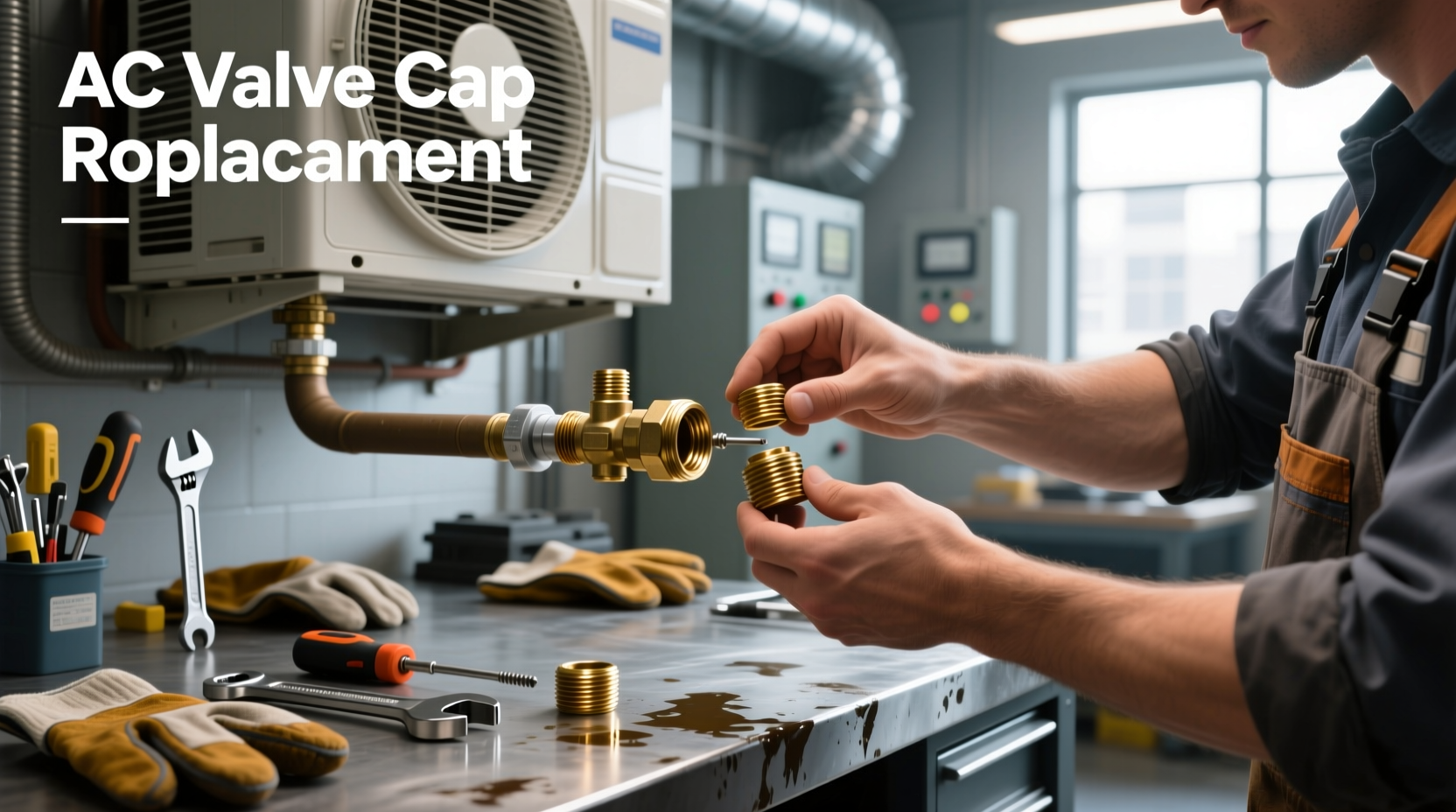
If your car’s air conditioning is losing cooling power or you’ve noticed corrosion on the service ports, AC valve cap replacement might be the simplest yet most overlooked fix. These small plastic or metal caps protect the Schrader valves on your vehicle’s AC system from dirt, moisture, and debris—factors that can lead to refrigerant leaks and costly repairs. In this comprehensive guide, we’ll walk through everything you need to know about identifying, selecting, and replacing AC valve caps correctly, including common sizes, material differences, and best practices to maintain system integrity.
Why AC Valve Caps Matter
At first glance, AC valve caps may seem like insignificant accessories. However, they serve a critical protective function. The high- and low-pressure service ports on your vehicle’s air conditioning system use Schrader valves—similar to those found in tire stems—to allow technicians to charge, evacuate, or test the system. Without a cap, these valves are exposed to environmental contaminants.
Dirt, road grime, and moisture can enter the valve core, leading to slow refrigerant leaks or valve failure. Even minor contamination can compromise seal integrity over time, resulting in reduced cooling efficiency. According to HVAC and automotive repair experts, missing or damaged valve caps are a common cause of premature AC system wear 1.
Are AC Valve Caps Necessary?
✅ Yes—AC valve caps are necessary for long-term system health. While the Schrader valve has its own internal seal, the cap acts as a secondary barrier. Think of it as a dust cover: it doesn’t hold pressure, but it prevents foreign particles from degrading the primary seal.
Driving without valve caps—even for short periods—increases the risk of contamination. In humid or dusty environments, the risk escalates. Some modern vehicles come with locking or tamper-resistant caps to deter refrigerant theft, especially in regions where R134a or newer R1234yf refrigerants are targeted.
Common Signs You Need AC Valve Cap Replacement
- Missing or cracked caps
- Visible corrosion around the service port
- Oily residue near the valve (indicating refrigerant leakage)
- Reduced cooling performance
- Frequent need to recharge the AC system
If any of these symptoms appear, inspect the service ports immediately. Most vehicles have two service ports: one on the low-pressure side (larger diameter) and one on the high-pressure side (smaller). Each requires a properly fitting cap.
Understanding AC Valve Cap Sizes and Types
Not all AC valve caps are interchangeable. Using the wrong size can result in poor sealing or damage to the valve stem. The two standard sizes are:
| Port Type | Cap Diameter | Color Coding | Common Applications |
|---|---|---|---|
| Low-Pressure Port | ~13.8 mm (0.54 in) | Blue or Black | Most passenger vehicles with R134a systems |
| High-Pressure Port | ~16.8 mm (0.66 in) | Red or Black | All R134a and R1234yf systems |
⚠️ Note: While color coding helps identify port type, not all manufacturers follow this standard. Always measure the port or consult your vehicle’s service manual before purchasing replacements.
Material Differences: Plastic vs. Metal vs. Locking Caps
🔧 Plastic Caps: Most OEM vehicles come with plastic caps. They’re inexpensive and provide basic protection. However, they can become brittle over time due to UV exposure and temperature fluctuations.
🏭 Metal (Brass) Caps: More durable than plastic, brass caps offer better resistance to cracking and impact. They often include rubber O-rings for improved sealing. Preferred in commercial and heavy-duty applications.
🔒 Locking Caps: Designed to prevent unauthorized access to the refrigerant system. Commonly used in fleet vehicles or areas with high rates of refrigerant theft. Some require a special tool for removal.
How to Replace AC Valve Caps: Step-by-Step
🛒 Replacing AC valve caps is a simple DIY task that takes less than 10 minutes. Here’s how to do it safely and effectively:
Step 1: Locate the Service Ports
Open the hood and locate the two service ports on the AC lines. The low-pressure port is usually on the larger suction line, while the high-pressure port is on the smaller discharge line. They are typically labeled or color-coded.
Step 2: Inspect the Valve Cores
Before installing new caps, remove the old ones and check the condition of the Schrader valve cores. Look for:
- Corrosion or pitting
- Oil residue (sign of leakage)
- Loose or damaged stems
If the core is damaged, it should be replaced using a valve core tool. A leaking core will render even the best cap ineffective.
Step 3: Clean the Ports
🧼 Use a clean cloth and isopropyl alcohol to wipe the area around each port. This removes dirt and prevents contamination when reinstalling the cap. Avoid using compressed air unless filtered, as it can blow debris into the valve.
Step 4: Install the New Caps
Ensure you’re using the correct size and type. Hand-tighten the cap—do not use tools, as over-tightening can strip the threads or damage the O-ring. A snug fit is sufficient.
Step 5: Test System Performance
Start the engine and run the AC on max cool. Check for consistent airflow and cooling. If performance improves, the caps may have been contributing to a slow leak or inefficiency.
Where to Buy Replacement AC Valve Caps
📍 Replacement caps are widely available at auto parts stores, HVAC suppliers, and online retailers. When shopping, consider:
- Compatibility with your vehicle’s refrigerant type (R134a, R1234yf)
- Inclusion of O-rings for better sealing
- Packaging (individual vs. sets of two or more)
Some kits include both valve cores and caps, which is useful if you suspect core degradation. Universal fit caps exist, but OEM-specified sizes ensure optimal protection.
Can You Run an AC System Without Valve Caps?
⚡ Technically, yes—you can operate the AC without caps. The primary seal is inside the Schrader valve. However, doing so exposes the system to environmental damage. Over time, moisture ingress can lead to acid formation inside the system, causing compressor failure.
🚗 Short-term driving without caps (e.g., after servicing) is generally safe, but prolonged operation without them increases maintenance risks. It’s always best practice to reinstall caps immediately after service.
Common Misconceptions About AC Valve Caps
❌ Myth 1: Caps keep refrigerant from leaking.
Reality: Caps don’t seal the refrigerant in; the Schrader valve does. Their role is protective, not pressurized sealing.
❌ Myth 2: All AC caps are the same.
Reality: High- and low-pressure ports have different thread sizes. Using the wrong cap can cause cross-threading or improper fit.
❌ Myth 3: Plastic caps are useless.
Reality: OEM plastic caps are designed for specific applications. While less durable than metal, they function well when intact and properly installed.
Tips for Choosing the Right Replacement Caps
📌 Always verify the size by measuring the port or checking your vehicle’s service documentation.
📌 Look for caps with integrated O-rings—they enhance sealing and longevity.
📌 Consider metal or locking caps for vehicles in harsh environments or high-theft areas.
📌 Buy in sets of two (high and low) to ensure both ports are protected.
📌 Avoid cheap, no-name brands that may lack proper threading or sealing materials.
Regional and Vehicle-Specific Considerations
🌐 In coastal or humid climates, corrosion is a bigger concern. Stainless steel or brass caps with sealed O-rings are recommended. In desert regions, UV-resistant materials help prevent plastic caps from cracking.
Newer vehicles using R1234yf refrigerant often have different service port designs to prevent cross-contamination with R134a systems. Make sure replacement caps are compatible with your refrigerant type.
When to Replace the Valve Core Alongside the Cap
⚙️ If you notice refrigerant loss despite having caps installed, the issue may lie with the valve core itself. Symptoms include:
- Bubbling sound near the port
- Oily film around the valve
- Inability to hold pressure during a vacuum test
To replace the core, use a Schrader valve core removal tool. Insert it into the valve, turn counterclockwise, and pull out the old core. Insert a new one and tighten gently. Then install a new cap.
Cost of AC Valve Cap Replacement
💰 Individual caps typically cost between $1 and $8. Sets with both high- and low-pressure caps range from $5 to $15. Metal or locking caps may cost up to $25 per pair. Labor at a shop is usually minimal, but most people can do it themselves.
The investment is small compared to potential AC repairs. A refrigerant leak caused by a missing cap can lead to compressor damage, costing hundreds to fix.
Preventative Maintenance Tips
✨ To extend the life of your AC system:
- Inspect valve caps during routine maintenance or oil changes.
- Replace cracked or loose-fitting caps immediately.
- Keep spare caps in your glove compartment for emergencies.
- Use caps with O-rings for enhanced protection.
- After any AC service, confirm that caps are reinstalled.
FAQs About AC Valve Cap Replacement
- ❓ Can I use a tire valve cap on my AC system?
- No. Tire valve caps are not designed for AC service ports. The thread sizes and sealing mechanisms differ significantly.
- ❓ What happens if AC valve caps are missing?
- Missing caps expose the Schrader valve to dirt and moisture, increasing the risk of contamination, corrosion, and refrigerant leaks over time.
- ❓ Are blue and red AC caps interchangeable?
- No. Blue caps are typically for low-pressure ports (~0.54”), and red caps are for high-pressure ports (~0.66”). They are not interchangeable due to size differences.
- ❓ How tight should AC valve caps be?
- Tighten by hand until snug. Over-tightening can damage the cap or port threads.
- ❓ Do locking AC valve caps prevent leaks?
- Locking caps don’t prevent internal leaks but protect against tampering and theft of refrigerant, which is valuable and environmentally regulated.





 浙公网安备
33010002000092号
浙公网安备
33010002000092号 浙B2-20120091-4