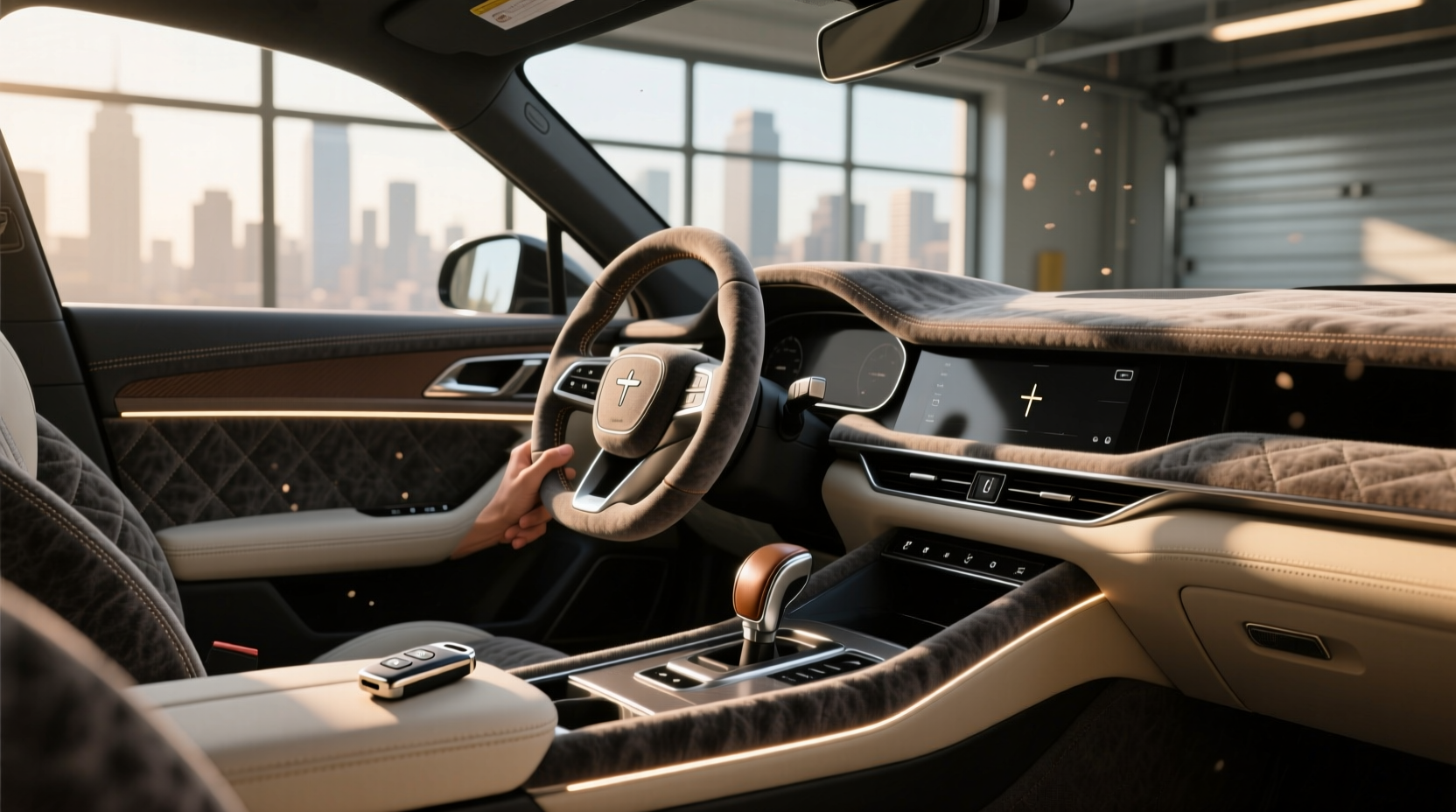
Upgrading your car's interior with an alcantara car interior wrap is a popular way to achieve a premium, sporty look without the high cost of full leather replacement. Unlike standard upholstery, Alcantara offers superior grip, a luxurious texture, and enhanced resistance to wear—making it ideal for steering wheels, shift knobs, door panels, and seats. However, while many drivers opt for this upgrade to mimic factory-grade luxury found in high-end BMWs or Porsche models, it’s essential to understand both the benefits and limitations before committing to installation.
This guide breaks down everything you need to know about Alcantara interior wraps: what they are, how they compare to real leather and suede, where they perform best, common pitfalls during DIY application, and how to maintain them over time. We’ll also cover cost factors, longevity expectations, and whether professional installation is worth the investment—helping you make an informed decision based on real-world usage and material science.
What Is Alcantara and Why Is It Used in Car Interiors?
Alcantara is a proprietary synthetic microfiber material developed in Japan and trademarked by Alcantara S.p.A., an Italian company. Despite often being referred to as “suede-like,” it is not genuine suede but rather a blend of polyester and polyurethane fibers engineered to mimic the softness and appearance of suede while offering greater durability and moisture resistance 1.
✨ Key Properties:
- Density: ~300 g/m² (standard automotive grade)
- Thickness: Typically 0.95 mm with fabric backing for reinforcement
- Heat Resistance: Up to 120°C short-term exposure
- UV Stability: High resistance to fading under sunlight
- Friction Coefficient: Higher than leather, improving grip
Because of these traits, OEMs like Ferrari, Lamborghini, and BMW use authentic Alcantara on steering wheels, pillars, and seat centers in their performance trims (e.g., M Sport, GTS). Aftermarket versions aim to replicate this look using licensed or imitation materials—often labeled as “Alcantara-style” or “micro-suede.”
Alcantara vs. Leather vs. Suede: Material Comparison
When considering an interior upgrade, understanding how Alcantara stacks up against traditional materials is crucial. Below is a detailed comparison across key performance metrics:
| Feature | Alcantara | Leather | Suede (Genuine) |
|---|---|---|---|
| Grip Level | ⭐⭐⭐⭐☆ (High friction) | ⭐⭐☆☆☆ (Slippery when wet) | ⭐⭐⭐☆☆ (Moderate grip) |
| Durability | ⭐⭐⭐☆☆ (Resists abrasion but stains easily) | ⭐⭐⭐⭐☆ (Develops patina; prone to cracking) | ⭐⭐☆☆☆ (Wears quickly; sensitive to oils) |
| Moisture Resistance | ⭐⭐⭐☆☆ (Repels light spills) | ⭐⭐☆☆☆ (Absorbs sweat/oil) | ⭐☆☆☆☆ (Highly absorbent) |
| Cleaning Difficulty | ⭐⭐☆☆☆ (Requires specialized cleaners) | ⭐⭐⭐☆☆ (Conditioner needed regularly) | ⭐☆☆☆☆ (Very difficult to clean) |
| Cost (per sq ft) | $8–$15 (authentic), $4–$7 (imitation) | $12–$30+ | $10–$20 |
| Thermal Comfort | ⭐⭐⭐⭐☆ (Breathable; doesn’t get hot) | ⭐⭐☆☆☆ (Can feel sticky in heat) | ⭐⭐⭐☆☆ (Insulating but traps heat) |
🔍 Takeaway: Alcantara excels in grip and thermal comfort, making it ideal for performance driving environments. However, its susceptibility to staining means it may not be optimal for families or heavy daily commuters unless properly protected.
Common Applications for Alcantara Interior Wraps
While full interior reupholstery with Alcantara can be expensive, partial wrapping is a cost-effective alternative. Here are the most common areas where owners apply Alcantara wraps:
📍 Steering Wheel Wrap
One of the top reasons drivers choose Alcantara is improved steering control. The material’s high coefficient of friction reduces hand slippage during spirited driving or in humid conditions. Most kits include pre-cut strips and adhesive backing, though heat-assisted installation yields better results around spokes.
⚙️ Shift Knob & Parking Brake Boot
These high-touch surfaces benefit from added grip and visual contrast. Many users pair black Alcantara with red stitching for a motorsport aesthetic. Due to frequent contact, durability here depends heavily on edge sealing and proper tension during installation.
🛒 Door Panels & Armrests
Wrapping armrests improves comfort and prevents leather wear. However, curved surfaces require precision cutting and sometimes seam allowances. Poor adhesion can lead to bubbling or peeling over time, especially in climates with extreme temperature swings.
👥 Seat Center Panels
Some owners replace only the center section of cloth or leather seats with Alcantara inserts. This hybrid approach balances aesthetics and practicality. Note that full seat covers made from Alcantara-style fabric are available but vary widely in quality and breathability.
Pros and Cons of Using Alcantara Wraps
Before purchasing, consider these advantages and drawbacks based on user experiences and material testing.
✅ Advantages
- Enhanced Grip: Especially beneficial in performance vehicles or rainy climates.
- Premium Look: Adds a modern, race-inspired finish to stock interiors.
- Lightweight: Adds negligible weight compared to leather overlays.
- UV Resistant: Less likely to fade than dyed fabrics or vinyl.
- Breathable: Does not trap heat like plastic-based materials.
❗ Disadvantages
- Stain-Prone: Spills, oils, and hand lotions can leave permanent marks if not cleaned immediately.
- Difficult to Clean: Requires specific pH-neutral cleaners; water alone can cause water spots.
- Edge Lifting: Adhesive failure occurs if surface prep is inadequate or low-quality tape is used.
- Not Fully Waterproof: While moisture-resistant, prolonged exposure leads to absorption.
- Inconsistent Quality: Many aftermarket products imitate Alcantara but lack its structural integrity.
How to Install an Alcantara Interior Wrap (Step-by-Step)
DIY installation is possible with basic tools, but success depends on attention to detail. Follow these steps for best results:
📋 Tools Needed
- Isopropyl alcohol (70%) and lint-free cloth
- Utility knife or rotary cutter
- Squeegee or plastic card
- Heat gun or hair dryer
- Double-sided automotive tape (preferably 3M DFP-2 or equivalent)
- Measuring tape and marker pen
🔧 Step 1: Surface Preparation
Clean the target area thoroughly. Any dust, oil, or wax residue will compromise adhesion. Use isopropyl alcohol and allow the surface to dry completely. Avoid silicone-based cleaners.
🔧 Step 2: Measure and Cut
Measure twice, cut once. Transfer dimensions to the Alcantara sheet and mark with a fine-tip marker. Use a sharp blade to avoid fraying edges. For complex curves, make small relief cuts along the perimeter to help the material conform.
🔧 Step 3: Apply Adhesive
Peel the backing from double-sided tape and attach it to the back of the Alcantara piece. Alternatively, use spray adhesive formulated for textiles (test first on scrap). Allow tack time per manufacturer instructions.
🔧 Step 4: Position and Press
Align the wrap carefully—once contact is made, repositioning risks wrinkles. Start at one edge and gradually press down, using a squeegee to eliminate air bubbles. Apply gentle heat to stretch the material over contours.
🔧 Step 5: Final Trimming and Sealing
Trim excess material flush with edges. Some professionals seal raw edges with clear urethane to prevent fraying. Let the bond cure for at least 24 hours before regular use.
Maintenance Tips for Longevity
Proper care extends the life of any Alcantara-wrapped component. Here’s how to keep it looking fresh:
🧼 Regular Cleaning
Use a dedicated Alcantara cleaner (e.g., Chemical Guys Fabric Clean Plus or Nanolex Textile Cleaner). Spray lightly, scrub gently with a soft-bristle brush, and blot dry. Never saturate the material.
✨ Stain Prevention
Apply a textile protectant like Scotchgard or Sonax Nano Pro every 3–6 months. These create a hydrophobic barrier that repels liquids and reduces staining.
🌍 Environmental Considerations
In hot climates, park in shade or use sunshades to reduce UV exposure. In humid regions, ensure cabin ventilation to prevent musty odors from trapped moisture.
Authentic vs. Imitation Alcantara: How to Tell the Difference
Not all “Alcantara” wraps are created equal. True Alcantara is produced solely by Alcantara S.p.A. and carries certification. Imitations—often called Ultrasuede, Microsuede, or Artificial Suede—may look similar but differ in performance.
Signs of Genuine Alcantara:
- Consistent nap direction and uniform texture
- Faint brand stamp or tag on reverse side
- Priced above $10/sq ft for retail sheets
- Available through authorized distributors only
⚠️ Be cautious of online sellers claiming “OEM-grade” or “factory-spec” Alcantara at unusually low prices. Without traceable sourcing, you’re likely getting a lower-tier alternative.
When Not to Use Alcantara Wraps
Despite its appeal, Alcantara isn’t suitable for every situation. Avoid it in the following cases:
- Families with young children: Spills and crayon marks are hard to remove.
- Rideshare or fleet vehicles: High turnover and inconsistent maintenance increase damage risk.
- Off-road or convertible use: Exposure to dirt, sand, and rain accelerates wear.
- Low-budget projects: If you can’t afford proper tools and cleaners, results may disappoint.
Frequently Asked Questions (FAQ)
- ❓ Can I install Alcantara wrap myself?
- Yes, with proper tools and patience. Small parts like shift knobs are beginner-friendly, but large surfaces like dashboards require advanced skills to avoid bubbles and misalignment.
- ❓ How long does an Alcantara wrap last?
- With proper care, 3–7 years depending on usage. High-friction areas like steering wheels may show wear sooner. Protection sprays extend lifespan.
- ❓ Is Alcantara worth it for daily drivers?
- It depends on priorities. If you value grip and aesthetics and commit to maintenance, yes. For low-maintenance needs, leather or vinyl may be more practical.
- ❓ Can Alcantara be repaired if damaged?
- Minor stains can often be cleaned, but tears or deep burns usually require patching or replacement. Seamless repairs are difficult due to nap matching issues.
- ❓ Does Alcantara affect resale value?
- Subjective. Some buyers appreciate the upgraded look; others prefer stock interiors. Custom modifications rarely increase monetary value but may appeal to niche audiences.




 浙公网安备
33010002000092号
 浙B2-20120091-4