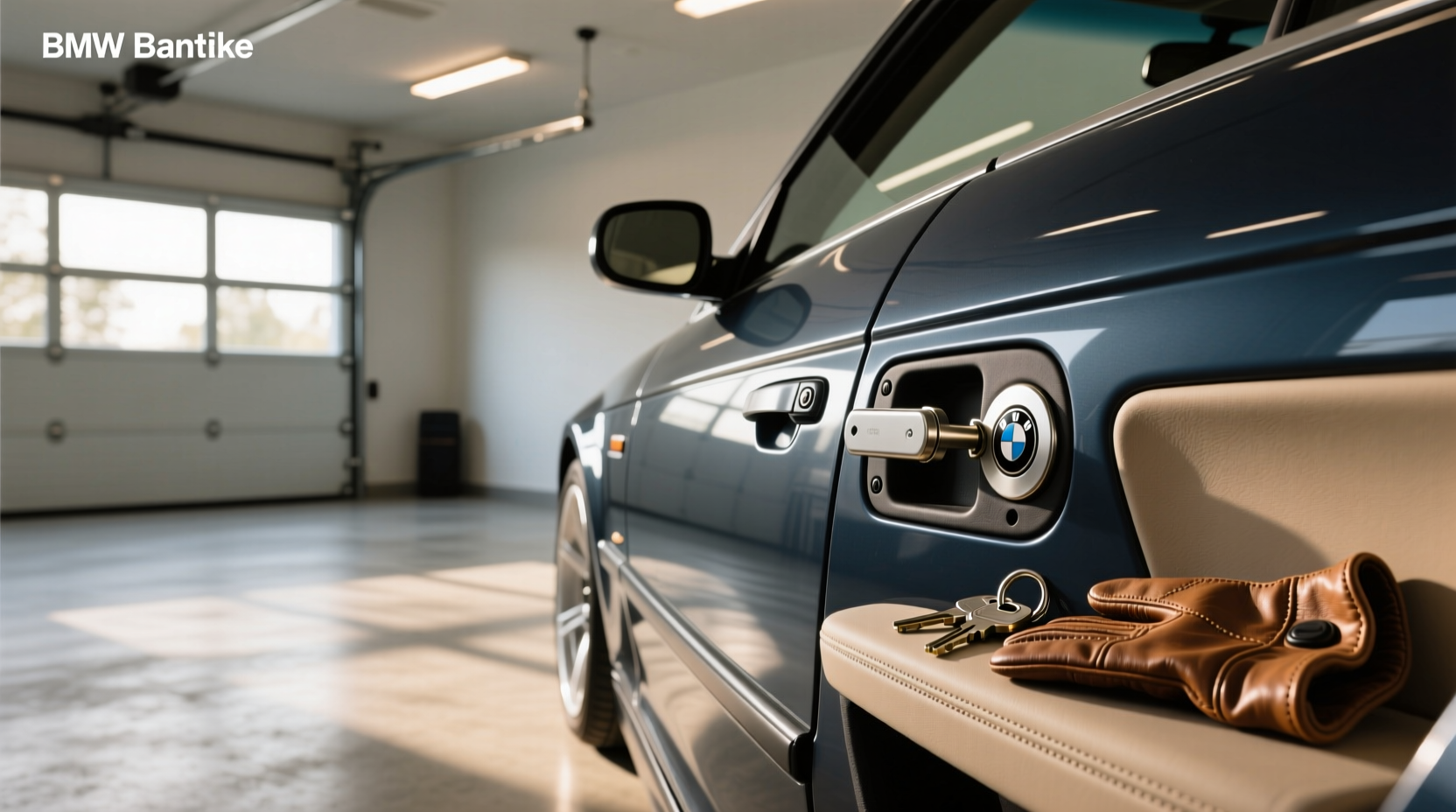
If your BMW E46 door lock isn’t responding, jams when locking, or makes a grinding noise, you're likely dealing with a failing door lock actuator or wiring issue. This comprehensive guide covers everything owners need to know about diagnosing, repairing, and replacing components related to the bmw e46 door lock system, including interior door panel removal, actuator testing, and long-term maintenance tips. Whether you drive a 325i, 330ci, or M3 coupe, this walkthrough helps restore full functionality without unnecessary trips to the mechanic.
Understanding the BMW E46 Door Lock System
The BMW E46 (produced from 1998–2006) uses an electric central locking system that operates via solenoid-based actuators inside each door. When you press the key fob, dashboard switch, or manual lock plunger, a signal is sent through the body control module (BCM), activating the relevant door lock actuator ⚙️. These actuators are small motor-driven mechanisms connected to the lock linkage, responsible for physically moving the lock bolt up and down.
Over time, moisture ingress, mechanical wear, or electrical fatigue can cause these parts to fail. The most common symptom? A door that won’t lock or unlock remotely — especially noticeable on front doors due to frequent use. While this may seem like a minor inconvenience at first, unresolved bmw e46 door lock malfunctions can lead to security risks, battery drain, or complete central locking failure.
Common Symptoms of a Failing Door Lock Actuator
Recognizing early signs of actuator failure helps prevent further damage. Watch for these red flags:
- Intermittent operation: The door locks sometimes but not consistently.
- Clicking or grinding noises: Audible sounds from inside the door when attempting to lock/unlock. \li> One-touch locking fails: Pressing the key fob only locks some doors.
- Manual override required: You must use the key or interior plunger to lock the door.
- Battery drain: A stuck actuator drawing current continuously.
These symptoms often start subtly. For example, the driver’s side front door might respond slower than others. Because the E46 shares circuitry across all four doors, one failing unit can affect overall system performance 🔍.
Why Do BMW E46 Door Lock Actuators Fail?
Several factors contribute to premature failure:
Moisture Intrusion 🌧️
Water entering the door cavity—often due to damaged window seals or clogged drainage channels—can corrode electrical connectors and short-circuit the actuator motor. Convertible models (E46/2) are particularly vulnerable because of their complex top mechanisms and exposed wiring paths.
Mechanical Wear ⚙️
The plastic gears inside OEM actuators degrade over time. After thousands of cycles, they strip or bind, preventing smooth movement. This is more common in high-mileage vehicles or those used in extreme climates.
Poor Wiring Connections 🔗
Frayed wires near the door hinge area (especially between the B-pillar and door) suffer from constant flexing. Over years of opening/closing, insulation cracks and connections loosen, leading to intermittent signals. This mimics actuator failure but originates in the harness.
Factory Design Limitations ❗
BMW originally used cost-effective actuators with limited durability. While functional under ideal conditions, real-world exposure to temperature swings and road vibration accelerates wear. Many owners report replacements needed around 100,000 miles, though earlier failures aren't uncommon.
Tools and Parts Needed for Repair
Before starting, gather the necessary tools and components. Having everything ready prevents mid-job delays.
| Item | Purpose | Notes |
|---|---|---|
| Trim removal tool 🧰 | Removes door panel clips without scratching | Plastic pry tools preferred; metal can damage surfaces |
| T20 Torx bit 🔧 | Removes screws securing door panel and actuator | Most fasteners on E46 use this size |
| Phillips screwdriver | For speaker and handle hardware | Medium tip recommended |
| Digital multimeter ✅ | Tests voltage and continuity in wiring | Essential for diagnosing electrical faults |
| New door lock actuator | Replacement part | OEM or reputable aftermarket brands only |
| Dielectric grease 🧼 | Protects electrical contacts from moisture | Apply to connector before reassembly |
| Zip ties or loom tape | Secures wiring after inspection | Prevents snagging during door closure |
Step-by-Step: Replacing a BMW E46 Door Lock Actuator
This procedure applies to both sedan and coupe models. While variations exist between left/right and front/rear doors, the core process remains consistent.
Step 1: Remove the Interior Door Panel 📍
- Roll the window completely down (if applicable).
- Remove the screw behind the door pull cup using a T20 Torx bit.
- Unscrew the trim near the door handle (may be hidden under a small cover).
- Use a plastic trim tool to gently release the retaining clips around the panel perimeter.
- Lift the panel upward to disengage it from the window channel.
- Disconnect the wiring harness for the window switch and door light.
⚠️ Caution: Older panels become brittle. Apply even pressure and avoid prying near fragile areas like the armrest base.
Step 2: Inspect the Wiring Harness 🔍
Before replacing the actuator, check for broken wires in the rubber boot between the door and frame. Open the boot carefully and inspect for frayed or disconnected wires, especially the thin gauge ones used for the lock signal. Use a multimeter to test continuity while wiggling the cable. If breaks are found, splice and solder them, then seal with heat shrink tubing.
Step 3: Access and Replace the Actuator ⚡
- Locate the actuator—a small black box attached to the lock mechanism near the exterior door handle.
- Disconnect its electrical connector.
- Remove the two T20 Torx bolts holding it in place.
- Detach the metal rod connecting it to the lock lever (use needle-nose pliers if stiff).
- Install the new actuator by reversing the steps, ensuring the rod is securely linked.
- Reconnect the power and test operation before reinstalling the panel.
💡 Tip: Manually trigger the lock switch while listening for actuator engagement. A healthy unit should move smoothly within 1–2 seconds.
Step 4: Reinstall the Door Panel 📎
- Align the panel with the window track.
- Press firmly around the edges until all clips engage.
- Reattach screws and covers.
- Reconnect electrical connectors.
- Test central locking function from key fob and interior switch.
Alternative Solutions and Upgrades
While replacing the stock actuator works, consider long-term improvements:
Upgraded Actuators with Metal Gears ✨
Aftermarket units featuring reinforced gears last significantly longer than OEM plastic versions. Look for models labeled "heavy-duty" or "metal gear." Though slightly more expensive, they reduce the likelihood of repeat repairs.
Improved Sealing Methods 🌍
After reassembly, apply silicone sealant around the inner door access plugs and ensure the vapor barrier is properly adhered. This minimizes future moisture intrusion, protecting not just the actuator but also window regulators and speakers.
Wiring Reinforcement 🛠️
Extend vulnerable wires in the hinge area with additional slack and secure them with braided sleeving. This reduces stress during repeated door movements.
Model-Specific Considerations
Different E46 variants present unique challenges:
Coupe vs Sedan Doors 🔧
Coupes (E46/2) have narrower door cavities, making actuator access tighter. Removing the window regulator temporarily may be necessary for better visibility. Additionally, M3 CSL models used lightweight carbon fiber doors weighing under 5kg, which alters weight distribution and requires precise alignment during reinstallation 1.
Convertible Models (E46/2C) 🌐
The convertible’s hydraulic roof system shares space with door electronics. Always disconnect the battery before working to avoid triggering unintended roof movements. Also, water management is critical—inspect drain tubes regularly to prevent pooling near electrical components.
Wagon (Touring) Rear Doors 🚚
Rear doors on station wagons experience less use but are prone to seal degradation due to cargo loading. Check for debris buildup along the lower door edge that could impede proper closure and sealing.
Cost Breakdown and Time Estimate
Here's what to expect in terms of investment:
| Component | Average Cost (USD) | Labor Time |
|---|---|---|
| OEM Actuator (used) | $40–$70 | 1.5–2 hours per door |
| Aftermarket Actuator (new) | $25–$50 | Same |
| Dealership Replacement | $200–$400+ | Included |
| DIY Labor | $0 | Self-paced |
⏱️ Most DIYers complete the job in under two hours once familiar with the process. First-timers should allow extra time for learning curves.
Mistakes to Avoid During Repair
Even experienced mechanics make errors. Here are frequent pitfalls:
- Skipping wiring inspection: Assuming the actuator is faulty without checking connections leads to unnecessary part replacement.
- Forcing the door panel: Breaking clips increases repair cost and creates rattles.
- Incorrect rod adjustment: Too tight or loose linkage causes binding or incomplete locking.
- Leaving tools inside the door: Small sockets or screws dropped into the cavity can damage window motors.
- Not testing before reassembly: Always verify operation before reinstalling the panel.
When to Seek Professional Help
While most bmw e46 door lock repairs are DIY-friendly, certain situations warrant professional assistance:
- Central locking fails on multiple doors simultaneously — could indicate BCM or wiring loom issues.
- Intermittent faults persist after actuator replacement — suggests deeper electrical gremlins.
- Lack of proper tools or workspace — rushing increases risk of damage.
- Vehicle is under warranty or modified (e.g., track car) — improper work may void coverage.
Preventive Maintenance Tips
Extend the life of your door lock system with routine care:
- Monthly operation test: Cycle locks using key fob and interior switch.
- Seal inspection: Check door gaskets annually for cracks or hardening.
- Drain hole cleaning: Clear debris from bottom door drains every six months.
- Lubrication: Apply graphite-based lubricant to lock cylinders yearly.
- Vapor barrier integrity: Ensure plastic liner is intact after any internal work.
Common Misconceptions About E46 Door Locks
Let’s clarify some widespread myths:
- Myth: Only older E46s have door lock problems.
Truth: Even low-mileage examples suffer from age-related plastic degradation regardless of usage. - Myth: Key fob batteries cause most lock issues.
Truth: While weak batteries affect range, they don’t stop individual doors from responding. - Myth: Water always enters through broken windows.
Truth: Poorly sealed access holes or clogged drains are more common culprits. - Myth: All aftermarket actuators are unreliable.
Truth: Reputable brands offer durable alternatives to OEM at lower prices.
Final Thoughts
The bmw e46 door lock system, while generally reliable, is susceptible to wear and environmental stress. By understanding how the actuators function, recognizing early warning signs, and performing timely repairs, owners can maintain full control over their vehicle’s security and convenience features. With basic tools and careful attention to detail, most issues can be resolved at home, saving hundreds compared to dealership labor rates. Regular inspection and preventive measures further extend component lifespan, keeping your E46 running smoothly for years to come.
Frequently Asked Questions
- Can I replace a BMW E46 door lock actuator myself?
- Yes, with basic mechanical skills and the right tools, most owners can replace an E46 door lock actuator in under two hours. Just follow proper panel removal techniques and test wiring first.
- How do I know if my BMW E46 door lock actuator is bad?
- Signs include inconsistent locking, audible clicking from the door, or needing to manually lock/unlock. Testing with a multimeter or swapping components can confirm failure.
- Are aftermarket BMW E46 door lock actuators reliable?
- Many aftermarket options use improved materials like metal gears and perform as well or better than OEM. Choose reputable suppliers with positive user feedback.
- Why does my BMW E46 door won’t close properly?
- This may stem from misaligned strikers, worn hinges, or internal latch mechanism issues—not necessarily the lock actuator. Inspect physical alignment and lubricate the latch regularly.
- Does a failed door lock actuator drain the battery?
- Yes, if the actuator remains powered due to a short circuit or stuck relay, it can draw current continuously and drain the battery overnight.





 浙公网安备
33010002000092号
浙公网安备
33010002000092号 浙B2-20120091-4