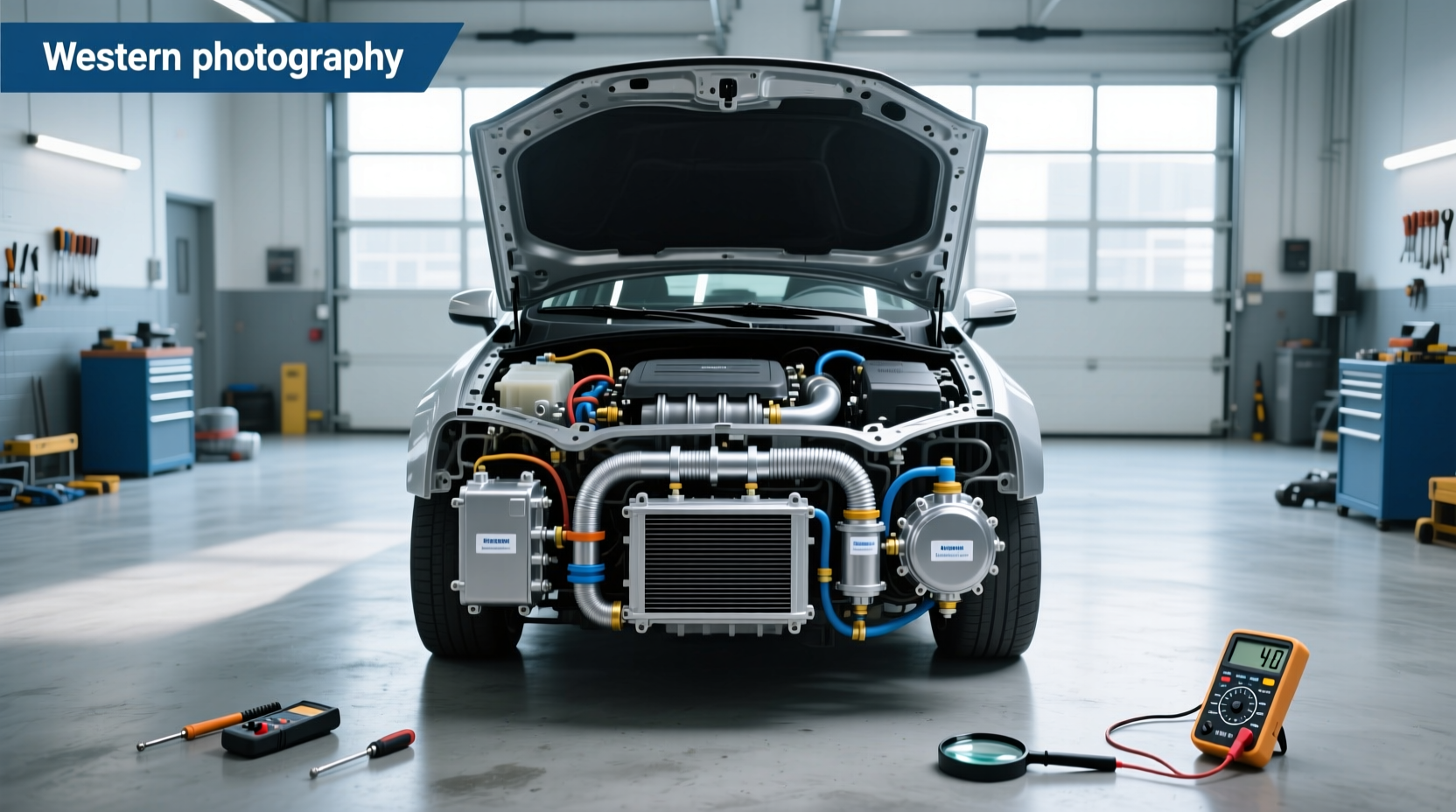
Understanding the car air conditioning system components is essential for diagnosing cooling problems, performing effective maintenance, and ensuring passenger comfort in all driving conditions. The system relies on a closed-loop refrigeration cycle that transforms refrigerant between liquid and gaseous states to remove heat and humidity from the cabin. At its core, the main components—compressor, condenser, evaporator, expansion valve (or orifice tube), receiver-drier (or accumulator), and refrigerant—work in harmony to deliver cool air efficiently ⚙️. Knowing how each part functions helps drivers identify early signs of failure, avoid costly repairs, and make informed decisions when servicing their vehicle’s climate control system.
How Does a Car Air Conditioning System Work?
The automotive air conditioning process follows the principles of thermodynamics, specifically the phase change of refrigerant to absorb and release heat. When you turn on the AC, the compressor pressurizes the refrigerant, turning it into a hot, high-pressure gas. This gas flows to the condenser, typically mounted in front of the radiator, where ambient airflow cools it into a high-pressure liquid. From there, the liquid passes through the expansion valve or orifice tube, which reduces pressure and temperature dramatically. As it enters the evaporator inside the dashboard, the cold refrigerant absorbs heat from the cabin air, cooling it before being blown into the interior by the blower motor. The now-gaseous refrigerant returns to the compressor to restart the cycle.
This continuous loop depends on precise coordination among all components of the car AC system. Any malfunction—such as a refrigerant leak, clogged filter, or failing compressor—can disrupt the entire process, leading to reduced cooling efficiency or complete system failure ❗.
Main Components of a Car Air Conditioning System
1. Compressor: The Heart of the System ⚡
The compressor is often referred to as the heart of the air conditioning system because it circulates the refrigerant under pressure. Driven by the engine via a serpentine belt and an electromagnetic clutch, the compressor draws in low-pressure refrigerant vapor from the evaporator and compresses it into a high-pressure, high-temperature gas before sending it to the condenser.
There are several types of compressors used in vehicles:
- Swash plate compressors: Common in many modern cars due to compact design and efficiency.
- Scroll compressors: Known for smooth operation and durability, increasingly used in newer models.
- Roller vane and rotary compressors: Found in some luxury and electric vehicles.
- Electric compressors: Used in hybrid and fully electric vehicles where engine-driven belts aren’t available ✨.
A failing compressor may produce unusual noises (like grinding or squealing), cause poor cooling, or result in visible oil leaks around the unit. Because it's mechanically driven and operates under high stress, regular inspection and proper lubrication with the correct PAG oil are critical for longevity.
2. Condenser: Heat Dissipation Unit 🌐
Mounted at the front of the vehicle, usually just ahead of the radiator, the condenser acts like a radiator for the AC system. Its job is to dissipate heat absorbed by the refrigerant during compression. As the hot, pressurized refrigerant gas enters the condenser, airflow (from driving or cooling fans) causes it to condense into a high-pressure liquid.
Common issues include:
- Clogging from debris (leaves, insects, dirt)
- Denting of fins reducing airflow efficiency
- Internal corrosion or leaks over time
Because of its exposed location, the condenser is vulnerable to road damage. Regular visual inspections during routine maintenance can help detect early signs of blockage or leakage. Some manufacturers integrate the condenser with the radiator support structure, making replacement more complex and costly if damaged.
3. Evaporator: Cooling the Cabin Air 🔧
Located inside the HVAC (Heating, Ventilation, and Air Conditioning) housing behind the dashboard, the evaporator absorbs heat from the cabin air. As warm air from the interior passes over the cold evaporator coils, moisture condenses out (dehumidifying the air), and cooled air is directed into the cabin via vents.
Over time, evaporators can become clogged with mold, bacteria, or debris, especially if cabin air filters are not replaced regularly. Symptoms of a failing evaporator include musty odors, reduced airflow, or visible water leakage inside the footwell (due to blocked drain tubes).
Replacing an evaporator is labor-intensive, often requiring removal of the dashboard. Preventive care—such as replacing cabin filters every 12,000–15,000 miles—can extend its life significantly 🧼.
4. Expansion Valve (TXV) or Orifice Tube: Pressure Regulation
The expansion valve (thermostatic expansion valve or TXV) or orifice tube controls the flow of refrigerant into the evaporator. It creates a pressure drop that allows the refrigerant to expand and cool rapidly before entering the evaporator core.
Key differences:
- TXV systems use a sensing bulb to monitor evaporator outlet temperature and adjust refrigerant flow accordingly—offering better efficiency and consistent cooling.
- Orifice tube systems are simpler, fixed-metering devices commonly found in older or cost-effective designs.
If either component fails, symptoms include inconsistent cooling, frost buildup on evaporator lines, or excessive pressure readings during diagnostics. These parts are often replaced alongside other components during major AC service.
5. Receiver-Drier or Accumulator: Moisture Control Center 📊
This component serves as a filter and drying agent for the refrigerant. In systems with a thermostatic expansion valve, a receiver-drier is placed between the condenser and expansion valve. In orifice tube systems, an accumulator is located near the evaporator outlet.
Both contain desiccant material that absorbs moisture, preventing ice formation and acid buildup within the system. Moisture contamination can lead to internal corrosion and compressor failure.
Important: Whenever the AC system is opened for repair (e.g., replacing the compressor or condenser), the receiver-drier or accumulator should always be replaced. Once exposed to atmospheric moisture, the desiccant becomes saturated and ineffective ❗.
6. Refrigerant: The Working Fluid
Refrigerant is the substance that undergoes phase changes to transfer heat. Most vehicles manufactured before 1994 used R-12 (Freon), which was phased out due to ozone depletion concerns. Since then, R-134a has been the standard refrigerant in most gasoline-powered vehicles.
In recent years, especially after 2017, many new vehicles have transitioned to R-1234yf, a lower global warming potential (GWP) refrigerant required by environmental regulations in the U.S. and EU.
| Refrigerant Type | Used In | GWP Value | Compatibility Notes |
|---|---|---|---|
| R-12 | Vehicles pre-1994 | 10,900 | Requires retrofitting for modern systems |
| R-134a | 1994–2017 models | 1,430 | Widely available, but being phased down |
| R-1234yf | Newer vehicles (post-2017) | <1 | Not compatible with R-134a equipment |
Using the wrong refrigerant or mixing types can damage seals, compressors, and sensors. Always verify your vehicle’s specifications before recharging.
7. Blower Motor and Fan Assembly: Delivering Cool Air 🌍
The blower motor forces air through the evaporator and into the cabin. Controlled by the climate settings, it operates at variable speeds using a resistor or electronic control module.
Common failures include:
- No airflow at certain speeds (often due to failed resistor)
- Complete loss of fan operation (motor or fuse issue)
- Unusual noises during operation
Regular replacement of the cabin air filter prevents dust and debris from overloading the blower wheel and motor bearings.
Common Signs of Car AC System Failure
Recognizing early warning signs can prevent further damage and reduce repair costs:
- Warm air blowing from vents: Could indicate low refrigerant, compressor clutch failure, or blockage.
- Intermittent cooling: May point to electrical issues, failing sensors, or moisture in the system.
- Unusual noises (hissing, grinding, squealing): Often linked to compressor or belt problems.
- Foul odors: Mold growth in evaporator or ducts due to poor drainage or dirty filters.
- Visible leaks or oily residue: Indicates refrigerant or oil escaping from hoses, seals, or components.
Maintenance Tips to Extend AC System Life
To keep your vehicle’s air conditioning running efficiently:
- Run the AC regularly, even in winter, to keep seals lubricated and prevent compressor seizure ⏱️.
- Replace cabin air filters every 12–15 months or per manufacturer schedule.
- Check for refrigerant levels during annual AC performance checks.
- Avoid setting temperature to max cool immediately; allow the system to stabilize gradually.
- Use recirculation mode in heavy traffic to reduce hot external air intake.
- Inspect hoses and connections for cracks, bulges, or oil stains during oil changes.
DIY vs Professional AC Service: What You Should Know
While some tasks—like replacing cabin filters or cleaning vents—are suitable for DIY, handling refrigerant requires certification under Section 609 of the U.S. Environmental Protection Agency (EPA) rules. Unauthorized release of refrigerant into the atmosphere is illegal and environmentally harmful.
Professional shops use recovery/recycling machines (like those from Bosch or SPX) to safely extract old refrigerant, evacuate moisture, and recharge the system to exact specifications. These machines also perform leak detection and performance analysis.
If you're considering a portable AC charging kit from online marketplaces, understand the risks:
- Overcharging can damage the compressor.
- Undercharging leads to inefficient cooling.
- Lack of vacuuming leaves moisture in the system.
- No leak detection capability increases long-term failure risk.
Aftermarket Upgrades and Retrofitting Considerations
Some vehicle owners consider upgrading their AC systems for improved performance or converting older R-12 systems to R-134a. While retrofits are possible, they require:
- Replacement of O-rings and seals compatible with new refrigerant
- Installation of a new receiver-drier
- Possible addition of ester oil or POE oil for proper lubrication
- Pressure switch adjustments
Improper retrofitting can lead to poor performance and premature component failure. Consult a qualified technician before proceeding.
Regional and Climate Considerations
In hot climates, AC systems work harder, increasing wear on components. Vehicles operated in coastal areas face higher risks of salt-induced corrosion on condensers and lines. In colder regions, infrequent AC use can dry out seals, leading to leaks when summer arrives.
Adapting maintenance frequency based on local conditions improves reliability. For example, in desert environments, inspecting the condenser for clogs every six months is advisable.
Cost of Repairing or Replacing AC Components
Repair costs vary widely depending on the vehicle make, model, labor rates, and specific component:
- Compressor replacement: $500–$1,500+
- Condenser replacement: $400–$1,000
- Evaporator replacement: $800–$2,000+ (due to labor intensity)
- Receiver-drier/accumulator: $100–$200
- Refrigerant recharge: $100–$250 (if no leak exists)
Always get a full diagnostic first. A simple recharge without fixing an underlying leak is only a temporary fix.
Frequently Asked Questions (FAQs)
- What are the main components of a car air conditioning system?
- The primary components include the compressor, condenser, evaporator, expansion valve (or orifice tube), receiver-drier (or accumulator), refrigerant, and blower motor. Each plays a critical role in cooling the cabin air efficiently.
- How do I know if my car's AC compressor is failing?
- Signs include loud grinding or squealing noises, visible oil leaks around the unit, inconsistent cooling, or the AC clutch not engaging when activated. A professional pressure test can confirm compressor health.
- Can I recharge my car’s AC system myself?
- You can use DIY kits, but they lack precision and safety features. Without proper evacuation and measurement, overcharging or introducing moisture can damage the system. Certified technicians should handle refrigerant services.
- Why does my car AC smell bad when turned on?
- Foul odors are usually caused by mold or bacteria growing on the moist evaporator surface or in the ductwork. Replacing the cabin air filter, using antimicrobial treatments, and running the AC in fresh air mode periodically can help eliminate the issue.
- Is R-134a still legal to use in cars?
- Yes, R-134a is still legal for use and servicing existing vehicles. However, it is being phased down in favor of R-1234yf for new vehicle production due to environmental regulations.





 浙公网安备
33010002000092号
浙公网安备
33010002000092号 浙B2-20120091-4