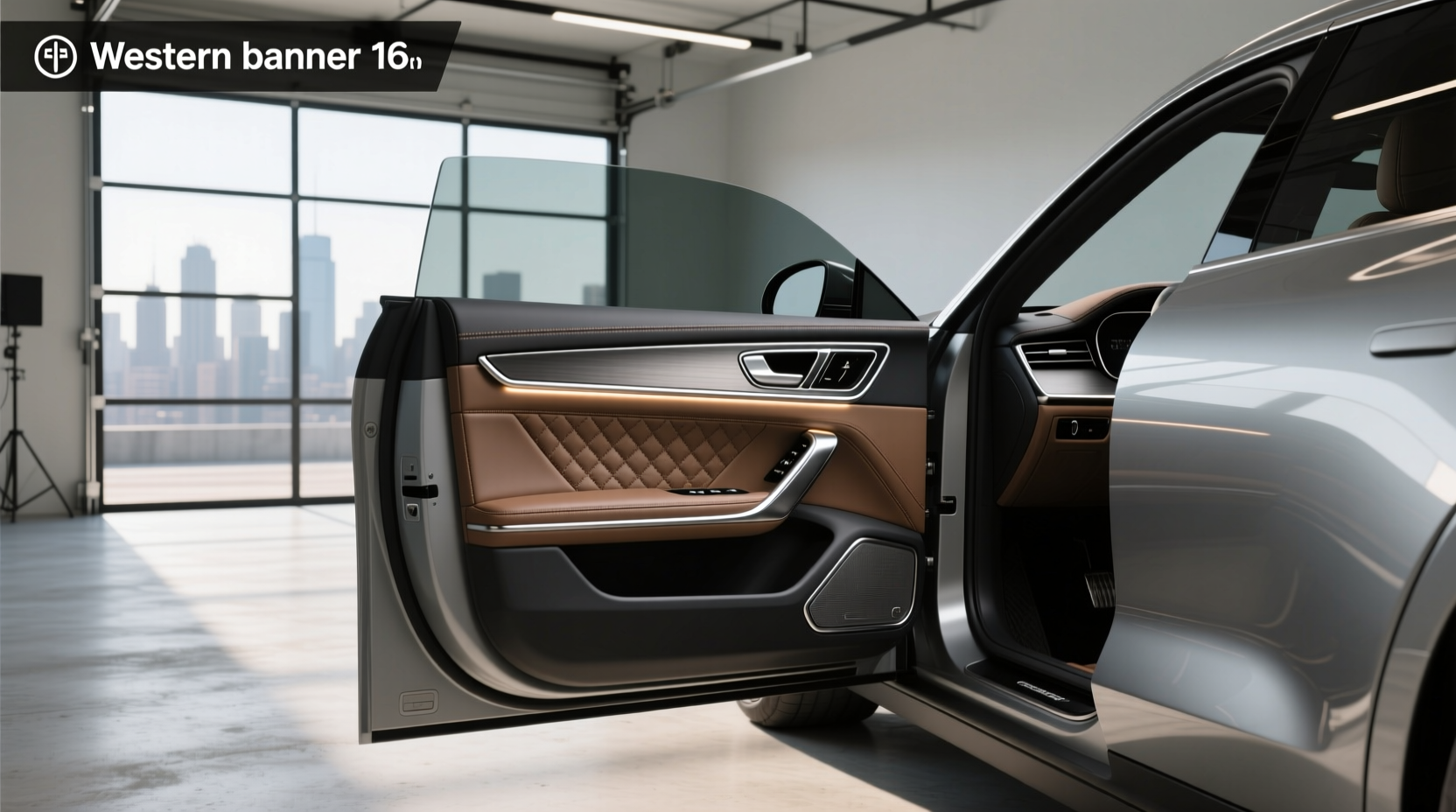
Understanding car door panel design is essential for both vehicle aesthetics and interior functionality. Whether you're restoring a classic car, upgrading an older model, or customizing your daily driver, the design of your door panels influences noise insulation, ergonomics, material durability, and overall cabin feel. Many DIY enthusiasts search for ways to reupholster or wrap their door panels in vinyl or leather to match upgraded interiors1. This guide breaks down everything you need to know—from materials and construction to step-by-step customization, cost considerations, and common pitfalls.
What Is a Car Door Panel?
The car door panel—also known as the inner door trim or door lining—is the visible interior surface of a vehicle’s door. It typically covers mechanical components like window regulators, lock actuators, and wiring harnesses while providing a finished look to the cabin. Modern door panels integrate controls for windows, locks, mirrors, speakers, and even climate or infotainment systems.
⚙️ Key components often found on a standard door panel include:
- Armrest (often padded)
- Door handle (manual or electronic)
- Window and lock control switches
- Ventilation grilles
- Speaker enclosures
- Trim accents (plastic, wood, metal, or fabric)
Why Car Door Panel Design Matters
✅ A well-designed door panel contributes to:
- Acoustic comfort: Sound-deadening materials reduce road and wind noise.
- Ergonomics: Proper armrest height and grip improve driving comfort.
- Aesthetics: Matching upholstery, stitching, and textures elevate interior design.
- Durability: Resistant to wear from frequent use (e.g., opening doors).
- Integration: Seamless fit with modern electronics and safety systems.
Ignoring door panel design can lead to mismatched interiors, poor sound insulation, or difficulty accessing controls. For example, replacing factory fabric with low-quality vinyl may crack over time, especially in hot climates.
Materials Used in Car Door Panel Design
Choosing the right material is central to both appearance and longevity. Below are the most common options used in OEM and aftermarket applications.
Fabric and Cloth
📍 Common in economy and mid-range vehicles.
- Pros: Breathable, cost-effective, available in various colors and weaves.
- Cons: Absorbs spills, harder to clean, prone to fading and tearing.
Ideal for drivers who prioritize comfort over luxury but require regular maintenance to avoid stains.
Vinyl (Artificial Leather)
🛒 Widely used in DIY reupholstery projects due to affordability and ease of installation.
- Pros: Water-resistant, easy to wipe clean, mimics leather at lower cost.
- Cons: Can peel or crack after prolonged sun exposure; less breathable.
Best suited for vintage restorations or budget-conscious upgrades. High-frequency use areas (like armrests) may degrade faster.
Leather
✨ Premium choice for high-end vehicles and custom builds.
- Pros: Luxurious feel, durable, ages well with conditioning, excellent resale value.
- Cons: Expensive, requires maintenance, sensitive to extreme temperatures.
Full-grain leather offers the highest quality, while corrected-grain or bonded leather is more affordable but less durable. Many YouTube tutorials demonstrate how to wrap car door panels in leather using adhesive and heat tools2.
Microfiber and Synthetic Leather (e.g., Alcantara®)
🧼 Increasingly popular in performance and luxury cars.
- Pros: Lightweight, stain-resistant, grippy texture, eco-friendly options available.
- Cons: Higher cost than vinyl; some blends may not withstand sharp objects.
Often used in sport seats and door inserts for a race-inspired look.
Hard Plastic and Composite Panels
🏭 Found in commercial vehicles or base trims.
- Pros: Extremely durable, low-cost, easy to replace.
- Cons: Harsh aesthetic, reflects noise, feels cheap.
Sometimes covered with fabric or vinyl overlays to improve comfort.
Design Trends in Modern Car Door Panels
Automotive interior design has evolved significantly. Today’s door panels reflect broader trends in technology integration and user experience.
Integrated Controls and Touch Surfaces
Many new vehicles feature capacitive touch buttons or haptic feedback switches embedded into the door panel. While sleek, these can be prone to accidental activation and require precise calibration.
Ambient Lighting
LED strips along the lower edge or speaker grille add mood lighting. These are often customizable via infotainment systems and enhance nighttime visibility.
Sustainable Materials
🌍 Automakers like BMW and Tesla are incorporating recycled plastics, natural fibers, and plant-based foams into door panel construction. This reduces environmental impact without sacrificing performance.
Modular and Replaceable Components
Some manufacturers design panels with snap-in modules for switches and speakers, simplifying repairs and reducing labor costs during servicing.
How to Reupholster or Wrap Car Door Panels (DIY Guide)
If you’re considering a custom car door panel design, here’s a practical 6-step process based on common techniques seen in online tutorials and repair forums.
Step 1: Remove the Existing Door Panel
🔧 Use a plastic trim removal tool to gently pry off clips securing the panel. Disconnect wiring for speakers and switches. Label connectors if needed. Avoid metal tools to prevent scratches.
Step 2: Inspect and Clean the Substrate
🧼 Remove old adhesive residue and damaged foam padding. Check for rust or moisture damage—common in older vehicles. Repair any metal corrosion before proceeding.
Step 3: Select and Cut New Upholstery Material
📌 Lay the old fabric or vinyl over your new material (leather, vinyl, etc.) and trace its outline. Add 1–2 inches extra around edges for wrapping. Some users repurpose leftover seat cover material to maintain consistency.
Step 4: Apply Adhesive and Attach Material
⚡ Use automotive-grade contact cement or spray adhesive. Apply evenly to both the backing board and the back of the fabric. Wait for tackiness before pressing together to avoid bubbles.
Step 5: Wrap and Tuck Edges
✅ Work from center outward. Use a heat gun (on low) to soften vinyl or leather for tight corners. Trim excess with a utility knife. Pay special attention to curves around handles and armrests.
Step 6: Reinstall the Panel
🚚 Carefully feed wires through the door frame, reconnect switches, and snap the panel back into place. Test all functions before finalizing.
| Material | Average Cost (per panel) | Lifespan | DIY Difficulty |
|---|---|---|---|
| Fabric | $20–$50 | 3–7 years | ⭐⭐☆ |
| Vinyl | $30–$80 | 5–10 years | ⭐⭐☆ |
| Leather | $100–$300+ | 10–15+ years | ⭐⭐⭐ |
| Microfiber/Alcantara | $90–$250 | 8–12 years | ⭐⭐⭐ |
| Replacement OEM Panel | $150–$600 | Varies | N/A (pre-built) |
Cost Factors in Car Door Panel Design
📌 The price of designing or replacing a door panel varies widely based on several factors:
- Vehicle Make and Model: Luxury brands (e.g., Mercedes, BMW) have complex integrated systems, increasing part and labor costs.
- Customization Level: Simple fabric replacement vs. full leather wrap with stitching patterns affects labor time.
- Labor Rates: Professional upholstery shops charge $75–$150/hour. A full door panel rewrap may take 2–4 hours per door.
- Geographic Location: Labor and material costs differ between regions (e.g., U.S. vs. Southeast Asia).
⏱️ A basic DIY vinyl wrap might cost under $50 in materials, while a full custom leather job by a professional could exceed $800 for all four doors.
Common Mistakes to Avoid
❗ Even experienced DIYers make errors that compromise results:
- Skipping surface prep: Failing to clean or sand the substrate leads to poor adhesion.
- Using wrong adhesive: Household glues may fail under temperature changes.
- Overstretching material: Causes wrinkles or tears, especially with leather.
- Ignoring wiring paths: Can damage electrical connections during reinstallation.
- Poor pattern alignment: Misaligned grain or seams ruin the visual appeal.
OEM vs. Aftermarket vs. Custom Panels
👥 Buyers face three main choices when addressing worn or outdated door panels:
OEM (Original Equipment Manufacturer)
- Pros: Perfect fit, factory finish, includes all electronics.
- Cons: Expensive, limited color/design options.
Aftermarket Replacement Panels
- Pros: Lower cost, wider availability, sometimes improved features.
- Cons: Fit may vary; quality inconsistent across brands.
Custom-Designed Panels
- Pros: Fully personalized (color, material, stitching), unique look.
- Cons: High cost, longer lead time, requires skilled craftsmanship.
For collectors or restorers, OEM is often preferred. Enthusiasts seeking personalization lean toward custom solutions.
Regional Differences and Market Availability
🌐 In North America and Europe, there's strong demand for leather and eco-friendly materials. Online communities (like Reddit’s r/Cartalk) frequently discuss retrofitting classic cars with modern amenities3. In contrast, markets in Southeast Asia and India see rising interest in affordable microfiber or PU leather upgrades sold via e-commerce platforms.
However, availability of specific designs or kits (e.g., “car door panel leather kit”) depends on local suppliers and import regulations. Always verify compatibility with your vehicle’s year, make, and model before purchasing.
Maintaining Your Door Panels
🧼 Proper care extends lifespan and keeps interiors looking fresh:
- Fabric: Vacuum regularly; use fabric protectant sprays.
- Vinyl/Leather: Clean monthly with pH-balanced cleaner; condition every 3–6 months.
- Plastic Trim: Use non-abrasive wipes to prevent hazing.
Avoid direct sunlight exposure when parked; use windshield shades to reduce UV degradation.
When to Replace vs. Refurbish
🔍 Consider refurbishing if:
- The substrate is intact.
- Only the surface material is worn or stained.
- You want a cosmetic upgrade without high cost.
Opt for full replacement if:
- There’s structural damage (cracks, warping).
- Integrated electronics are faulty.
- No suitable covering material adheres properly.
FAQs About Car Door Panel Design
- ❓ What is the car door panel called?
- It’s commonly referred to as the inner door panel, door trim, or door lining. In technical manuals, it may be labeled as the “door insulator” or “interior door skin.”
- ❓ How much does a car door panel cost to replace?
- Costs range from $150 to $600+ per panel for OEM parts, depending on the vehicle. Including labor, total replacement can reach $1,000 for all four doors on premium models.
- ❓ What is the best material for door panels?
- For durability and luxury, genuine leather or high-quality microfiber (like Alcantara) are top choices. For budget projects, vinyl offers a balance of cost and appearance.
- ❓ Can I wrap my car door panels myself?
- Yes, many DIYers successfully wrap panels using vinyl or leather with proper tools and patience. Video tutorials show detailed methods for cutting, gluing, and finishing edges cleanly.
- ❓ Are leather door panels worth it?
- They add long-term value, comfort, and aesthetic appeal, especially in high-use vehicles or luxury models. However, they require regular maintenance and are less ideal in extreme climates without protection.





 浙公网安备
33010002000092号
浙公网安备
33010002000092号 浙B2-20120091-4