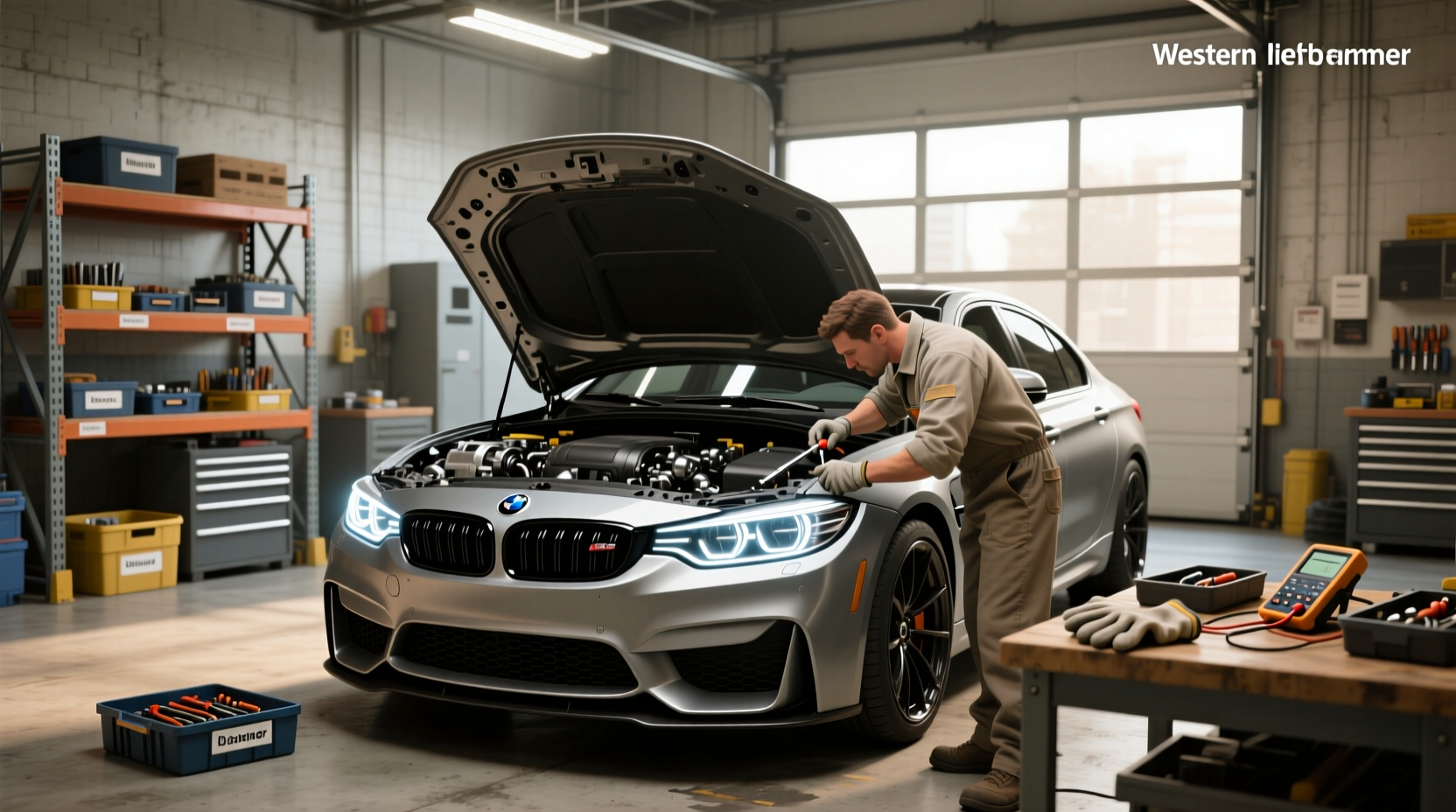
Replacing your car headlights doesn’t have to be complicated. Whether you're dealing with dim halogen bulbs, upgrading to LED, or simply maintaining visibility at night, knowing how to replace car headlights properly ensures safety and compliance with road regulations. This comprehensive guide walks you through every step—from identifying the correct bulb type and accessing hard-to-reach headlight assemblies, to avoiding common installation errors that could lead to premature failure or improper beam alignment.
Why Replacing Your Car Headlights Matters
Functional headlights are critical for safe nighttime driving, adverse weather conditions, and overall vehicle visibility. Over time, halogen bulbs degrade—losing up to 20% of their brightness after just a few months of use 1. Diminished output increases reaction time in low-light scenarios and reduces peripheral illumination on unlit roads.
Many drivers delay replacement until one bulb fails completely. However, because both headlights typically age under similar conditions, replacing them in pairs is recommended. A mismatched pair—one new, one old—can create uneven lighting patterns, reducing depth perception and increasing eye strain during long drives.
Understanding Headlight Bulb Types
Not all headlights are interchangeable. The first step in replacement is identifying the correct bulb type for your vehicle. Common types include:
- H1, H3, H7, H11: Single-beam bulbs used for low or high beams individually
- 9005 (HB3), 9006 (HB4): Frequently found in North American vehicles
- 9003/HB2: Dual-filament bulb handling both high and low beams
- H4: Older dual-beam standard still used in some models
Using the wrong bulb can result in poor fitment, incorrect beam focus, or electrical incompatibility. Always consult your owner’s manual or check the existing bulb base for stamped markings like “H7” or “9006.” You can also verify compatibility using online lookup tools provided by reputable automotive parts suppliers 2.
Halogen vs. LED: What’s Best for Replacement?
One of the most frequent questions when replacing headlights is whether to stick with halogen or upgrade to LED. Each has advantages and limitations depending on your vehicle and driving needs.
| Feature | Halogen | LED |
|---|---|---|
| Lifespan | ~500–1,000 hours | ~15,000–30,000 hours |
| Brightness (Lumens) | ~1,000–1,500 lm | ~2,000–4,000+ lm |
| Energy Use | 55W–65W | 20W–30W |
| Heat Output | High | Low (with heat sink) |
| Installation Complexity | Simple plug-and-play | May require adapters or CANbus decoders |
| Cost per Pair | $10–$40 | $40–$120+ |
While LEDs offer superior brightness and longevity, they aren’t always a direct swap. Many factory headlight housings are designed for halogen optics. Installing LED bulbs in halogen-only housings may cause glare, scatter light improperly, or fail state inspections in regions with strict lighting laws 3.
If considering an LED upgrade, ensure the product is labeled as “DOT-compliant” or “E-marked,” and ideally designed specifically for retrofit applications. Some kits include projectors or anti-glare shields to maintain proper beam cutoff.
Tools and Materials Needed for Headlight Replacement
You don’t need specialized equipment for most replacements, but having the right tools makes the job faster and safer.
- Replacement bulb(s) (check vehicle make/model/year)
- Gloves (latex or nitrile)—avoid skin contact with halogen glass
- Small screwdriver or trim tool (for releasing connectors)
- Flashlight or work light
- Isopropyl alcohol wipes (to clean lens if fogged)
🔧 Tip: Never touch the glass portion of a halogen bulb with bare fingers. Oils from skin create hot spots when heated, leading to early burnout.
Step-by-Step Guide to Replacing Car Headlights
Most modern vehicles allow access to headlight bulbs from behind the headlamp assembly, usually via the engine bay. Follow these general steps (specifics vary by model):
- Park on a level surface and turn off the engine. Wait 10–15 minutes if recently driven—components may be hot.
- Open the hood and locate the back of the headlight housing.
- Remove any protective cover (rubber boot or plastic cap) by twisting counterclockwise.
- Disconnect the wiring harness by pressing the release clip and pulling gently.
- Release the retaining clip or metal spring holding the bulb in place.
- Carefully remove the old bulb, avoiding contact with the glass.
- Insert the new bulb following alignment guides (if present).
- Reattach the retaining mechanism, reconnect the power plug, and reinstall the cover.
- Test the lights before closing the hood—check both high and low beams.
⏱️ Note: Compact engines or tightly packed bays may require removing other components (like air intake ducts) for access. Refer to your service manual for detailed diagrams.
Common Mistakes to Avoid During Replacement
Even experienced DIYers make avoidable errors. Here are key pitfalls:
- Mixing up left and right bulbs: Some bulbs have asymmetric bases; forcing them can damage sockets.
- Touching halogen glass: As mentioned, oils reduce lifespan significantly.
- Forgetting to test before final reassembly: If the light doesn’t turn on, it’s easier to troubleshoot now than later.
- Over-tightening clips or covers: Can crack plastic housings or distort seals, allowing moisture ingress.
- Assuming all 'bright white' bulbs are better: Higher color temperature (e.g., 6000K) often means less usable light on road due to blue spectrum scattering.
When to Replace the Entire Headlight Assembly
Sometimes, bulb replacement isn’t enough. Aging headlight lenses yellow or haze over time due to UV exposure and oxidation. This can block up to 80% of emitted light—even with brand-new bulbs inside.
If cleaning or polishing doesn’t restore clarity, consider replacing the full assembly. Factory units are expensive, but aftermarket OEM-spec replacements are widely available and often include updated styling or improved reflector designs.
🛠️ Warning: Aftermarket assemblies must meet FMVSS-108 standards in the U.S. Look for DOT or SAE certification labels to ensure legality.
Legal and Safety Considerations
Headlight modifications must comply with local laws. In the United States, federal regulations (FMVSS-108) govern allowable brightness, beam pattern, and color temperature. While individual states enforce rules differently, illegal modifications can result in citations or failed inspections.
Key restrictions:
- Color temperature above 6000K (very blue/white) may not be legal for road use
- Aftermarket HID or LED retrofits in halogen housings often violate beam pattern requirements
- Excessively bright lights that blind other drivers are subject to enforcement
🌐 Check your state’s DMV website or consult a certified mechanic for region-specific guidance.
Cost Breakdown: What to Expect When Replacing Headlights
Costs vary based on bulb type, brand, and labor (if done professionally).
| Item | Average Cost (USD) | Notes |
|---|---|---|
| Halogen Bulb (per pair) | $15–$40 | OEM or premium brands like Philips, Sylvania |
| LED Retrofit Kit (per pair) | $50–$120 | Quality varies; look for thermal management |
| Complete Headlight Assembly | $80–$250 each | Depends on vehicle; includes lens and housing |
| Professional Installation | $50–$120/hour | Labor-intensive if dashboard removal needed |
🛒 DIY replacement saves money and takes 30–60 minutes total. Only opt for professional help if access is extremely limited or wiring modifications are involved.
Maintenance Tips to Extend Headlight Life
Maximize performance and lifespan with regular maintenance:
- Inspect bulbs every 6 months during oil changes
- Clean lens surfaces monthly with non-abrasive cleaner
- Seal cracks or micro-gaps in housing to prevent condensation
- Use dielectric grease on electrical connectors to prevent corrosion
- Replace in pairs to maintain balanced illumination
Frequently Asked Questions
- Can I replace halogen bulbs with LED bulbs in my car?
- Yes, but only if the LED kit is designed for halogen retrofitting and installed correctly. Mismatched optics can cause glare and fail safety inspections.
- How often should I replace my car’s headlight bulbs?
- Every 4–6 years under normal use, or sooner if brightness diminishes noticeably. Replace in pairs for consistent lighting.
- What is the brightest legal headlight bulb?
- Among halogens, high-performance options like Philips X-tremeVision or Sylvania SilverStar Ultra offer increased output within legal limits. True brightness depends on proper alignment and clean lenses.
- Why do my new headlights keep blowing out?
- Frequent failures may indicate voltage spikes, poor grounding, or using non-OEM spec bulbs. Check your alternator output and wiring condition.
- Do I need to align my headlights after bulb replacement?
- Generally not required for bulb swaps. However, if the housing was disturbed or the beam seems misdirected, realignment may be necessary using wall projection methods or professional equipment.





 浙公网安备
33010002000092号
浙公网安备
33010002000092号 浙B2-20120091-4