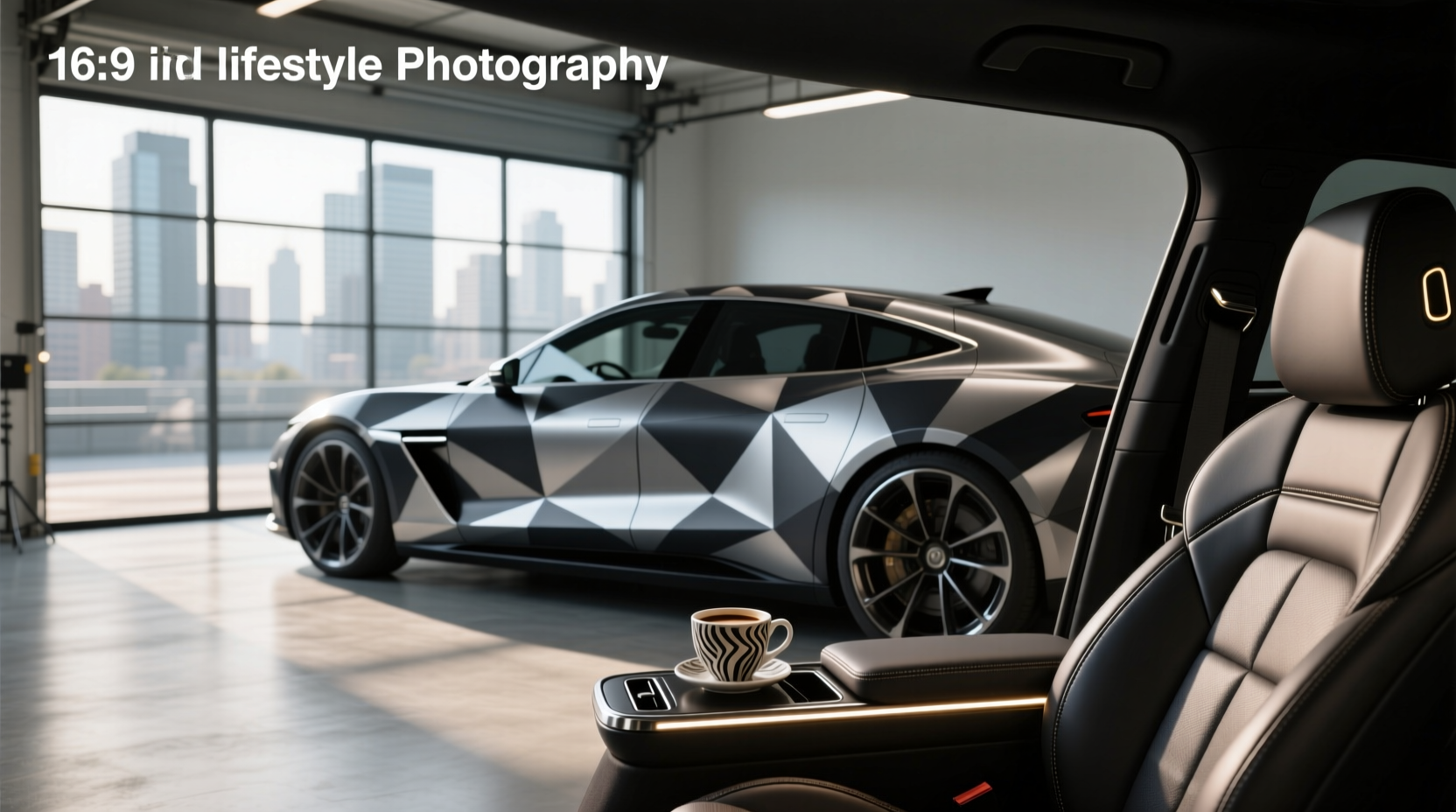
Upgrading your car’s interior with a car interior wrap is a cost-effective, customizable way to refresh the cabin without permanent modifications. Whether you’re looking to protect aging surfaces or add luxury finishes like suede or velvet textures, interior wrapping offers a flexible solution that balances aesthetics, function, and budget. Unlike full reupholstery, which can be expensive and time-consuming, a high-quality adhesive vinyl wrap allows for easy application and removal, making it ideal for leased vehicles or temporary styling changes.
What Is a Car Interior Wrap?
A car interior wrap refers to a self-adhesive film applied to interior components such as dashboards, door panels, center consoles, trim pieces, and even headliners. These wraps are typically made from polyvinyl chloride (PVC) or thermoplastic polyurethane (TPU), engineered to conform to curved surfaces while resisting wear, UV exposure, and daily use.
While exterior wraps focus on color change and paint protection, interior wraps prioritize texture, finish, and tactile appeal. Popular options include matte, gloss, carbon fiber patterns, wood grain, and increasingly, soft-touch materials like velvet vinyl wrap or suede fabric film. These emulate premium upholstery and are often used in luxury customization or aftermarket detailing.
Why Use a Car Interior Wrap?
There are several reasons drivers and vehicle owners choose interior wraps over traditional methods:
- Cost savings: Compared to replacing factory trim or hiring an auto upholsterer, wraps are significantly cheaper ✅
- Non-permanent modification: Most wraps can be removed without damaging original surfaces 🧼
- Customization: Available in hundreds of colors, patterns, and textures — including rare finishes like metallic or holographic films ✨
- Protection: Shields plastic and composite surfaces from UV fading, scratches, and spills ⚙️
- Resale value preservation: Allows personalization without voiding warranties or altering OEM parts permanently 🔍
Common Materials Used in Interior Wraps
Not all wraps are created equal. The material determines durability, appearance, ease of installation, and price. Below are the most widely used types:
1. PVC Vinyl Film
Polyvinyl chloride (PVC) is the most common base for interior wraps. It’s affordable, flexible, and available in a wide range of finishes. High-grade PVC films include air-release channels to prevent bubbles during application.
Pros:
- Low cost (typically $20–$80 per meter)
- Easy to cut and shape
- Available in matte, gloss, satin, and textured finishes
Cons:
- Less durable than TPU (5–7 years typical lifespan)
- May shrink or crack under prolonged heat exposure
- Lower resistance to chemicals and abrasion
2. TPU (Thermoplastic Polyurethane)
More advanced than PVC, TPU is known for its elasticity and resilience. While primarily used in paint protection films (PPF), some manufacturers offer TPU-based interior films for high-wear areas.
Pros:
- Excellent stretch and memory retention
- Highly resistant to tearing and punctures
- Better performance in extreme temperatures
Cons:
- Higher cost ($100+ per meter)
- Requires professional-grade tools and experience
- Limited availability in textured finishes
3. Velvet/Suede Fabric Films
These specialty wraps mimic the look and feel of soft fabrics. Often labeled as “velvet car wrap” or “suede vinyl,” they use a microfiber or polyester backing with a pressure-sensitive adhesive layer.
They’re popular for wrapping steering wheels, headliners, A-pillars, and center consoles to create a premium ambiance.
Pros:
- Luxurious, tactile finish
- Reduces glare on dashboards
- Good sound dampening properties
Cons:
- Harder to clean (can trap dust and oils)
- Not recommended for high-moisture areas
- Installation requires precision due to nap direction
| Material Type | Average Cost (per meter) | Lifespan | Best For |
|---|---|---|---|
| PVC Vinyl | $20–$80 | 5–7 years | Dash trim, door panels, consoles |
| TPU Film | $100–$250 | 7–10 years | High-wear zones, luxury builds |
| Velvet/Suede | $40–$120 | 4–6 years | Headliners, pillars, accent trims |
Where Can You Apply an Interior Wrap?
Interior wraps are versatile but not suitable for every surface. Here are the most common application points:
Dashboards and Trim Panels
One of the most frequent uses. Wrapping dashboard trim helps reduce glare and restores faded plastics. Use heat-resistant films if your vehicle parks in direct sunlight frequently.
Door Panels and Armrests
Adds comfort and style. Choose textured finishes like carbon fiber or leather grain for improved grip. Avoid smooth gloss films here, as they may become slippery.
Center Console and Infotainment Bezels
Enhances tech integration look. Matte black or dark chrome films are popular choices to match modern infotainment systems.
Headliner and Pillars
Soft-touch films like velvet interior wrap are ideal for headliners. They absorb light, reduce echo, and give a high-end feel similar to luxury sedans.
Steering Wheel Wraps
Improves grip and comfort. Only use wraps designed specifically for steering wheels — regular vinyl may peel under constant friction.
Can You Wrap Any Surface Inside Your Car?
No — success depends on surface condition, curvature, and material. Ideal substrates include:
- Smooth plastic (ABS, polycarbonate)
- Painted metal trim
- Glossy or matte composite panels
Avoid wrapping:
- Fabric or perforated leather (adhesive won’t bond)
- Rough or porous surfaces (foam, rubberized coatings)
- Moving parts (e.g., glove box hinges, adjustable vents)
Always clean and degrease surfaces before application using isopropyl alcohol (IPA) solution. Dust, oils, or silicone residues will prevent proper adhesion.
DIY vs Professional Installation
Many users search “how to install car interior wrap” because kits are marketed as DIY-friendly. But real-world results depend heavily on skill level and tools.
DIY Approach 🛠️
Suitable for flat or gently curved surfaces. Requires:
- Heat gun or hair dryer
- Squeegee and trimming tools
- Cleaning supplies (IPA, lint-free cloths)
- Patience and steady hands
Best for: Small projects like switch surrounds, cup holder trims, or console accents.
Professional Installation 👥
Recommended for complex shapes (e.g., instrument clusters, contoured dashboards). Professionals use specialized tools like panel heaters and seam rollers to ensure bubble-free results.
When to hire a pro:
- Using expensive or textured films (like velvet)
- Wrapping large or compound-curved areas
- Lack of prior experience with vinyl applications
Professional labor typically costs $150–$500 depending on vehicle size and complexity.
How Long Does a Car Interior Wrap Last?
Most quality wraps last between 5 and 7 years with proper care. However, lifespan varies based on:
- Film quality (brand, thickness, UV inhibitors)
- Exposure to sunlight and heat
- Frequency of cleaning and maintenance
- Location within the cabin (high-touch areas degrade faster)
Velvet and fabric-backed films tend to show wear sooner — around 4 to 6 years — due to their porous nature.
How Much Does a Car Interior Wrap Cost?
Costs vary widely based on material, coverage, and labor. Here’s a breakdown:
| Component | Film Cost | Labor (if applicable) | Total Estimate |
|---|---|---|---|
| Dash Trim Only | $30–$60 | $0–$100 | $30–$160 |
| Full Interior Trim Set | $100–$250 | $200–$400 | $300–$650 |
| Headliner + Pillars (Velvet) | $80–$150 | $250–$500 | $330–$650 |
You can find budget rolls starting under $45 on platforms like eBay or Temu, but these may lack air-release technology or UV protection, leading to premature peeling or discoloration.
Top Brands and Where to Buy
Reputable manufacturers include 3M, Avery Dennison, TeckWrap, and Hexis. These brands undergo rigorous testing for durability, adhesion, and color stability.
For regional availability:
- In Australia: Car Wrap Supplier Australia offers locally stocked films including velvet and suede variants 🌐
- Global buyers: Alibaba.com provides bulk options from verified suppliers with sample ordering capabilities 📍
Always request physical samples before purchasing large quantities to verify texture, color accuracy, and adhesive strength.
Common Mistakes to Avoid
Even experienced DIYers make errors. Key pitfalls include:
- Skipping surface prep: Residual wax or cleaner prevents bonding ❗
- Overheating film: Can cause shrinking or bubbling, especially on PVC ⚡
- Ignoring grain direction: Critical for velvet/suede films to maintain uniform appearance ✅
- Improper trimming: Leads to lifting edges and dirt accumulation 🔧
- Using household cleaners: Ammonia-based products degrade vinyl over time 🧼
Maintenance Tips for Longevity
To extend the life of your wrap:
- Clean weekly with mild soap and water
- Use microfiber cloths only
- Avoid abrasive wipes or scrubbing pads
- For velvet wraps, use a soft brush to remove dust
- Never apply silicone sprays or wax
Is a Car Interior Wrap Worth It?
Yes — if you want a refreshed interior without spending thousands on retrimming. It’s particularly valuable for:
- Restoring older vehicles
- Personalizing leased cars
- Matching OEM+ aesthetics in modified builds
- Protecting factory finishes from future damage
However, it’s not a substitute for structural repairs. If underlying materials are cracked or warped, wrapping may highlight imperfections rather than hide them.
Environmental and Removal Considerations
Most interior wraps are removable. When done correctly, they leave no residue and don’t damage factory finishes. Use a heat gun and plastic pry tool to lift edges slowly.
Dispose of old film responsibly. PVC is recyclable in some regions; check local waste guidelines. Some shops offer take-back programs for used materials.
Regional Differences and Availability
Product names and availability vary by market. In Europe, terms like “interior foil” or “dashboard folie” are common. In Australia, searches for “velvet car wrap Australia” reflect localized demand for soft-touch upgrades.
Shipping times and import fees may affect cost-effectiveness when buying internationally. Always confirm voltage compatibility for heat guns and tools if importing.
Conclusion
A car interior wrap is a practical, reversible upgrade that enhances both appearance and protection inside your vehicle. With options ranging from basic PVC to luxurious velvet vinyl wrap, there’s a solution for nearly every budget and style preference. Success depends on choosing the right material, preparing surfaces properly, and understanding whether DIY or professional installation suits your needs.
By focusing on quality, correct application techniques, and routine maintenance, you can enjoy a refreshed cabin for years without the cost and commitment of full interior replacement.
Frequently Asked Questions
- Can you wrap a car interior yourself?
- Yes, small and flat areas like trim rings or console covers can be wrapped at home with basic tools. Complex curves or textured films like velvet require more skill and are better left to professionals.
- How much does a full car interior wrap cost?
- Total cost ranges from $300 to $650 depending on vehicle size, material choice, and labor. DIY projects using budget film can start under $100 for partial coverage.
- Is car wrapping cheaper than painting?
- Yes, especially for interiors. Wrapping avoids disassembly, paint matching, and hazardous materials. It's also reversible, unlike paint, which permanently alters surfaces.
- How long does a vinyl wrap last inside a car?
- Typically 5–7 years for standard films. Velvet or fabric-backed wraps last 4–6 years due to higher susceptibility to abrasion and soiling.
- Does interior wrapping damage the original surface?
- No, when installed and removed correctly. High-quality wraps use gentle adhesives that don’t degrade factory plastics or paints. Always use heat and slow peeling for safe removal.





 浙公网安备
33010002000092号
浙公网安备
33010002000092号 浙B2-20120091-4