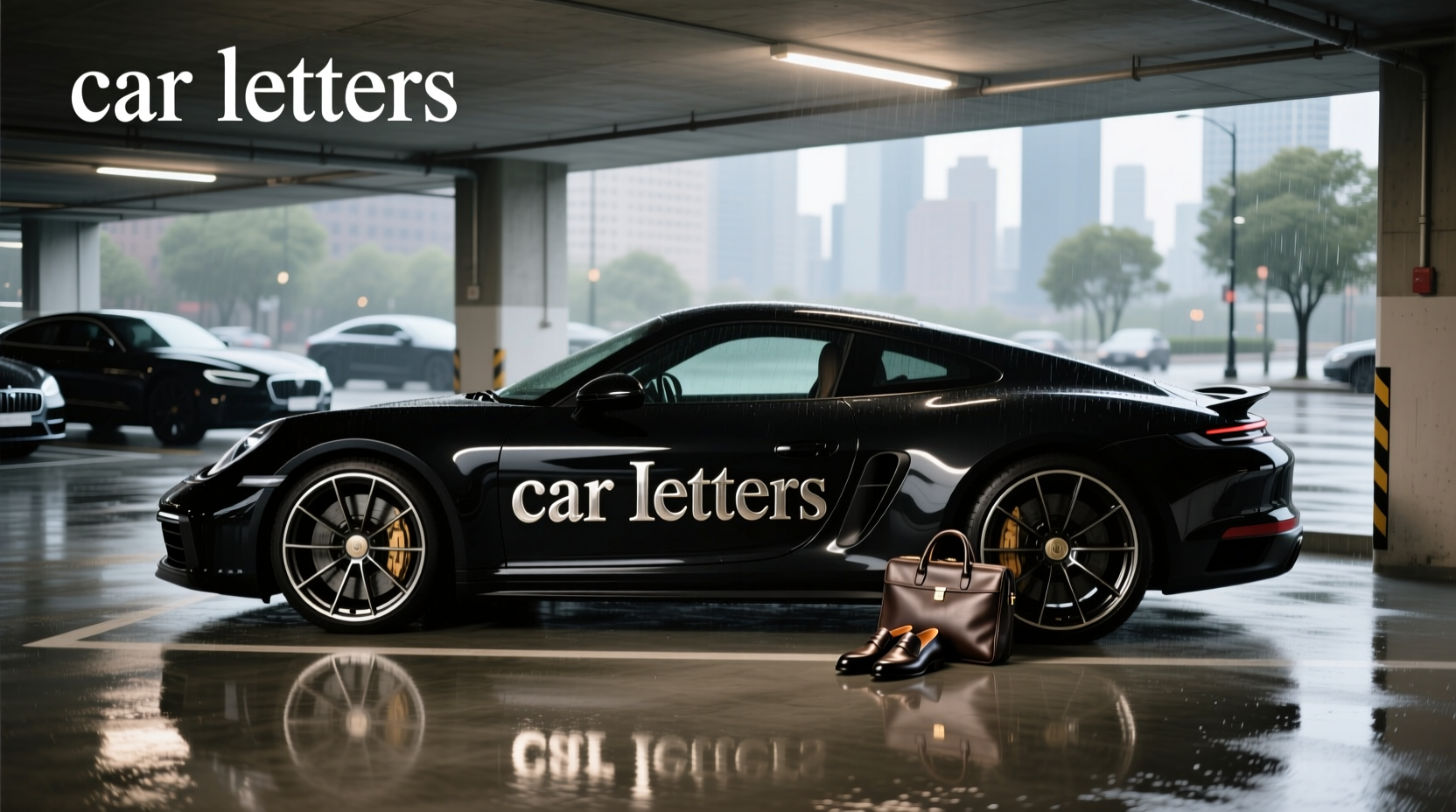
When searching for ways to personalize a vehicle, many drivers turn to custom car letters—a simple yet effective way to add identity, branding, or aesthetic flair. Whether you're looking to display a family name on a minivan, promote a business on a service vehicle, or restore vintage chrome emblems on a classic car, understanding the options, materials, and installation methods is essential. This guide breaks down everything you need to know about car letters—from 3D metal badges to adhesive chrome decals—and helps you make informed decisions based on durability, cost, appearance, and ease of application.
What Are Car Letters?
Car letters, also known as vehicle lettering, auto emblems, or chrome badges, refer to individual or pre-spaced letter and number kits used to decorate the exterior (and sometimes interior) of automobiles. These can be factory-installed OEM components or aftermarket accessories added by owners for personalization or commercial purposes ✅.
They serve multiple functions:
- Identification: Displaying model names (e.g., “GTI”, “Turbo”) or trim levels
- Personalization: Adding names, initials, or slogans
- Branding: For fleets or small businesses using vehicles as mobile advertisements
- Retro styling: Restoring original look on classic cars with period-correct fonts and finishes
Available in various materials like chrome-plated metal, aluminum, acrylic, and vinyl, car letters differ significantly in quality, longevity, and visual impact ⚙️.
Types of Car Letters: Material & Design Options
Not all car letters are created equal. The choice of material affects not only appearance but also resistance to weather, UV exposure, and physical damage. Here’s a breakdown of common types:
1. 3D Metal Letters (Chrome or Brushed Aluminum)
These are premium-grade emblems typically made from die-cast zinc or aluminum, often plated with chrome for a mirror-like finish 🔧. They offer a raised, dimensional look that mimics factory-original equipment.
Pros:
- Durable and long-lasting
- Resistant to fading and peeling
- OEM-style appearance
- Suitable for both indoor and outdoor use
Cons:
- Higher cost compared to stickers
- Heavier; may require strong adhesive or screws
- Limited flexibility in custom spelling or font changes
Ideal for: Classic car restorations, luxury vehicles, fleet branding where professionalism matters 🏭.
2. Adhesive Chrome Letter Stickers (Vinyl or PVC-Based)
Often marketed as “3D chrome decals,” these are actually thin plastic or vinyl layers with a reflective chrome coating. They mimic the look of metal but at a lower price point.
Pros:
- Affordable and widely available
- Lightweight and easy to apply
- Variety of sizes, colors, and fonts
- No drilling required
Cons:
- Prone to edge lifting over time
- May fade or crack under prolonged sun exposure \li>Less authentic look up close
Best for: Temporary customization, budget-friendly upgrades, or trial designs before investing in permanent solutions 🛒.
3. Magnetic Letter Panels
Magnetic car letters are mounted on flexible magnetic sheets, allowing for temporary attachment without adhesives.
Pros:
- Removable and reusable
- No residue or surface damage
- Great for rental cars or shared vehicles
Cons:
- Can fall off at high speeds
- Limited to flat metal surfaces
- Less secure in windy or rainy conditions
Suitable for: Real estate agents, delivery drivers, or anyone needing short-term signage 🚚.
4. Custom Laser-Cut Metal or Acrylic Letters
For unique branding or architectural styling, some users opt for laser-cut letters made from stainless steel, brushed aluminum, or colored acrylic.
Pros:
- Fully customizable shape, size, and color
- Modern, high-end appearance
- Durable when properly sealed
Cons:
- Requires professional fabrication
- Installation may involve drilling or riveting
- Higher cost due to custom work
Ideal for: Commercial fleets, show cars, or personalized luxury editions ✨.
How to Install Car Letters: Step-by-Step Guide
Proper installation ensures your car letters stay securely attached and maintain a clean appearance. Below is a general process applicable to most adhesive-backed emblems:
- Clean the Surface: Use isopropyl alcohol and a lint-free cloth to remove dirt, wax, or grease from the mounting area. This step is critical for maximizing adhesive bond strength 🧼.
- Dry Completely: Allow the surface to air dry for at least 5–10 minutes.
- Position Temporarily: Use masking tape to hold letters in place before final placement. Check alignment from multiple angles.
- Peel and Press: Slowly remove the adhesive backing and press each letter firmly onto the surface. Apply even pressure for 30 seconds per piece ⏱️.
- Wait Before Driving: Let the adhesive cure for 24–48 hours before exposing the vehicle to rain, car washes, or high-speed driving.
For screw-mounted or riveted emblems (common in older vehicles), ensure you have the correct hardware and avoid overtightening, which can crack the emblem or damage paint.
Factors to Consider When Choosing Car Letters
Selecting the right car letters involves more than just picking a font. Consider these key decision factors:
Material Durability vs. Climate
If you live in an area with extreme temperatures, intense sunlight, or salty coastal air, prioritize UV-resistant and corrosion-proof materials. Solid metal letters with protective coatings outperform vinyl stickers in harsh environments 🌍.
Size and Visibility
Larger letters (2–3 inches tall) are better for visibility, especially for business branding. Smaller letters (under 1 inch) suit subtle personal touches but may be hard to read from a distance.
Font Style and Legibility
Choose fonts that match your vehicle's character:
- Sporty/Sleek: Sans-serif, bold typefaces (e.g., Helvetica Bold, Impact)
- Classic/Retro: Serif or script fonts resembling vintage auto badging
- Professional/Corporate: Clean, minimalist fonts without excessive decoration
Avoid overly decorative fonts that compromise readability 🔍.
Color Contrast
Ensure sufficient contrast between letter color and vehicle paint. Black letters on white cars and chrome letters on dark vehicles generally provide the best visibility.
Regulatory Compliance (for Commercial Use)
In some regions, commercial vehicle lettering must meet local transportation department standards regarding size, reflectivity, or content. Always verify municipal or state regulations before applying business logos or contact information 📌.
Common Misconceptions About Car Letters
Despite their simplicity, several myths persist around car lettering:
- Myth: All chrome letters are metal. Reality: Many so-called “chrome” letters are plastic with a metallic film coating. True metal emblems will feel heavier and often come with manufacturer specifications.
- Myth: DIY stickers last just as long as OEM badges. Reality: Factory-installed emblems are typically bonded with industrial-strength adhesives and undergo environmental testing. Aftermarket stickers vary widely in quality.
- Myth: You can easily remove adhesive letters without residue. Reality: Long-term adhesive bonds can leave behind sticky residue or even pull paint if removed improperly. Use heat and adhesive removers carefully.
Restoration vs. Customization: Knowing the Difference
There are two primary motivations behind installing car letters:
Restoration Purpose
Owners of classic or vintage vehicles often seek original-specification emblems to preserve authenticity. In this case, accuracy in font, spacing, color, and mounting method is crucial. Reproduction parts should match OEM blueprints as closely as possible.
Customization Purpose
This includes adding non-factory names, slogans, or stylized fonts. Here, creativity takes precedence over authenticity. However, poor execution (e.g., crooked alignment, low-quality materials) can reduce resale value.
Tip: If reselling your car later, removable options like magnetic panels allow personalization without permanent modification 👥.
Where to Buy Car Letters
Car letters are available through various channels:
- Auto Parts Stores: Some brick-and-mortar shops carry standard model badges (e.g., “Si”, “RS”) for popular makes.
- Online Marketplaces: Platforms offering handmade or custom-designed emblems provide wide variety but require careful vetting of seller reputation.
- Specialty Fabricators: For custom metalwork or laser-cut letters, working directly with a fabricator allows full design control.
- Dealerships: Can order genuine OEM emblems for specific models, ensuring perfect fit and finish.
When buying online, check product descriptions for material details, dimensions, and customer reviews. Look for terms like “solid metal,” “UV-protected,” or “3M adhesive” as indicators of quality ⭐.
Maintenance Tips for Longevity
To extend the life of your car letters:
- Wash gently during regular vehicle cleaning—avoid high-pressure sprayers directly on edges.
- Inspect annually for signs of lifting, fading, or corrosion.
- Re-seal edges with clear automotive sealant if needed.
- Protect with wax (but avoid direct application on adhesive borders).
For metal emblems, occasional polishing with chrome-safe cleaner maintains shine without damaging plating 🧰.
Cost Comparison: What to Expect
Pricing varies significantly based on type and quality:
| Type | Average Cost (Per Letter or Set) | Lifespan Estimate |
|---|---|---|
| 3D Metal Emblems (Set) | $20–$60 | 5–10+ years |
| Chrome Vinyl Sticker Kit | $5–$15 | 1–3 years |
| Magnetic Panels | $10–$30 | 2–5 years |
| Custom Laser-Cut Letters | $50–$200+ | 5–10+ years |
While cheaper options may seem appealing, investing in higher-quality materials often saves money over time by reducing replacement frequency 📊.
Frequently Asked Questions (FAQs)
- Can I install car letters myself?
- Yes, most adhesive-backed car letters can be installed at home with basic tools. Just ensure the surface is clean and follow curing time guidelines.
- Do car letters damage paint?
- Generally no—if removed carefully. However, long-term adhesion or improper removal can cause paint lift or residue buildup.
- Are 3D metal car letters worth the extra cost?
- For permanent installations, especially on high-value or classic vehicles, yes. They offer superior durability and aesthetics compared to stickers.
- How do I remove old car lettering?
- Use a hairdryer to soften the adhesive, then slowly peel off. Apply an adhesive remover to clean any leftover residue.
- Can I customize the font on metal car letters?
- Some manufacturers offer limited font choices. Fully custom fonts usually require specialty fabrication and higher costs.





 浙公网安备
33010002000092号
浙公网安备
33010002000092号 浙B2-20120091-4