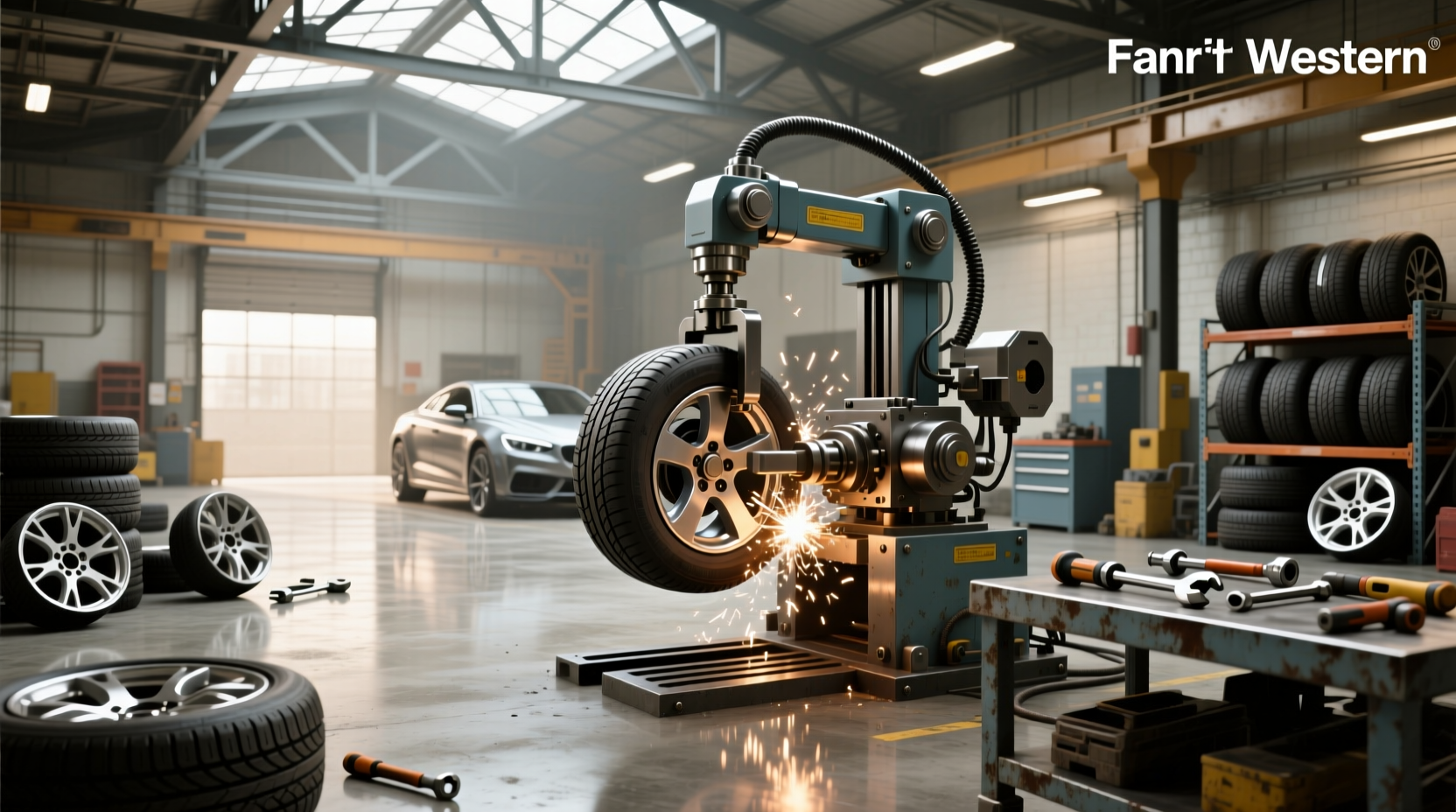
When changing heavy vehicle tyres—especially on SUVs, trucks, or performance vehicles—manually lifting and aligning a spare can strain your back and damage lug bolts. A car tyre removal machine or assistive lifting tool simplifies this process by supporting the weight of the wheel during installation, reducing physical effort and alignment errors. These devices range from portable scissor jacks to adjustable tire trolleys and specialized lift stands designed specifically for ergonomic tyre changes. Understanding their function, proper usage, and limitations helps prevent injury and ensures safer maintenance work.
What Is a Car Tyre Removal Machine?
The term car tyre removal machine is often used broadly, but it typically refers not to a single automated device like those in professional garages, but rather to mechanical aids that help remove and reinstall wheels during a tyre change. Unlike full-scale hydraulic lifts found in auto shops, consumer-grade tools are compact, manually operated, and designed for personal use. They include:
- Scissor jacks with integrated support platforms 🛠️
- Adjustable tire trolleys or dollies 🧰
- Lever-assist tools (e.g., Lift-Mate, Trac Tire Jack) ⚙️
- Diy tire lifters made from wood or metal frames ✅
These tools don’t automate the entire process but provide critical support when lifting a heavy tyre into position—particularly useful when working alone or dealing with oversized all-terrain or alloy wheels weighing over 30 kg (65 lbs).
Why You Might Need a Tyre Support Tool
Changing a flat tyre isn't just about loosening lug nuts and swapping wheels—it’s also about managing weight and precision. A standard sedan wheel may weigh 18–23 kg (40–50 lbs), while larger SUV or truck tyres can exceed 30 kg (70 lbs). Lifting such mass overhead without assistance leads to:
- Muscle fatigue and potential back strain 💪
- Difficulty aligning bolt holes accurately 🔍
- Risk of dropping the wheel onto brake lines or suspension components ❗
- Inconsistent torque due to misalignment during reinstallation 📊
A dedicated tyre changing lift aid addresses these issues by holding the spare securely at axle height so you can focus on alignment and tightening without bearing its full weight.
Types of Car Tyre Lifting & Removal Tools
Not all tools marketed as car tyre removal machines serve the same purpose. Below is a breakdown of common types based on design, capacity, and usability.
1. Scissor Jack with Integrated Platform
Some aftermarket scissor jacks come with an extended platform or cradle that supports the tyre after removal. These combine lifting and holding functions in one unit.
- Pros: Compact, affordable, dual-purpose (lifts car and holds tyre)
- Cons: Limited adjustability; stability varies with surface
- Best for: Sedans and small SUVs with moderate tyre weight
2. Adjustable Tire Trolley / Dolly
This type resembles a small hand truck with padded arms that cradle the tyre. It allows horizontal movement and vertical adjustment via a crank or lever system.
- Pros: Full mobility, ergonomic height control, reusable for rotation
- Cons: Bulkier than jack-based solutions; higher cost
- Best for: Home mechanics performing seasonal tyre swaps or rotations
3. Lever-Assist Devices (e.g., Hi-Lift® Lift-Mate)
Designed to attach to a Hi-Lift jack, these accessories allow controlled vertical positioning of the spare tyre using leverage.
- Pros: High lifting range, durable steel construction, integrates with existing gear
- Cons: Requires compatible jack; steeper learning curve
- Best for: Off-road enthusiasts already using high-lift jacks
4. DIY Tire Lifters (Wood/Metal Frame)
Homemade versions built from plywood, 2x2 lumber, or scrap metal offer low-cost alternatives. Popular designs use pivoting arms or sliding rails to raise the tyre incrementally.
- Pros: Inexpensive, customizable to specific wheel sizes
- Cons: Structural integrity depends on build quality; no load rating
- Best for: Budget-conscious users with basic workshop skills
| Tool Type | Max Load Capacity | Portability | Setup Time | Ideal Use Case |
|---|---|---|---|---|
| Scissor Jack + Platform | Up to 2.5 tons | High 🚚 | ⏱️ 2–3 min | Emergency roadside changes |
| Tire Trolley/Dolly | 300–500 lbs | Medium | ⏱️ 3–5 min | Garage tyre rotation |
| Lever-Assist (Hi-Lift) | Depends on base jack | Low | ⏱️ 4–6 min | Off-road recovery zones |
| Diy Frame Lifter | Varies (unrated) | Fixed location | ⏱️ 5+ min | Home garage projects |
How to Use a Car Tyre Removal Machine – Step-by-Step
Regardless of the model, most tyre support systems follow a similar workflow. Here's a general procedure:
- Park on a level surface and engage parking brake 📍 Ensure the vehicle won't roll during the change.
- Loosen lug nuts slightly before lifting 🔧 This prevents spinning once the wheel is off the ground.
- Position the jack under the manufacturer’s recommended jack point Refer to your owner’s manual for exact locations—usually reinforced frame sections near the wheels.
- Lift the vehicle until the tyre clears the ground by 1–2 inches Avoid excessive height to maintain stability.
- Remove the flat tyre and place it on the support tool If using a dolly, slide it underneath. For jack-mounted platforms, position accordingly.
- Place the spare on the lifting mechanism and adjust height Align the rim holes with the hub studs carefully.
- Guide the wheel into place and hand-tighten lug nuts Do not fully tighten yet.
- Lower the vehicle and torque lug nuts to specification Use a star pattern and refer to factory torque values (often 80–100 Nm).
Safety Tips When Using Tyre Lifting Equipment
Even simple tools carry risks if misused. Follow these guidelines to stay safe:
- Never stand directly under a lifted vehicle —Use jack stands if working beneath the car.
- Check tool condition regularly —Look for bent arms, cracked welds, or worn threads.
- Confirm compatibility with your wheel size —Deep-dish rims or large offsets may not fit standard cradles.
- Work on solid, flat ground —Soft soil or gravel reduces jack stability.
- Do not exceed rated load limits —Overloading can cause sudden collapse.
Common Misconceptions About Tyre Removal Tools
Several myths persist around these devices. Clarifying them improves both safety and effectiveness.
Misconception: 'A car jack alone is enough to hold the spare'
While some people attempt to balance the new tyre on the jack saddle, this is unstable and unsafe. The jack is meant for lifting the car—not supporting loose tyres. Dedicated tools have wider bases and secure cradles.
Misconception: 'All tyre lifters work with any vehicle'
Vehicle clearance, hub height, and wheel diameter affect compatibility. A lifter designed for passenger cars may lack the reach for lifted trucks. Always verify dimensions before relying on a tool.
Misconception: 'You need expensive equipment for home use'
Effective solutions exist across price ranges. Even DIY builds from online tutorials perform well when constructed properly. Focus on stability and ease of alignment rather than brand name.
Regional Differences in Usage and Availability
In North America and Australia, where pickup trucks and SUVs dominate, demand for heavy-duty tyre handling tools is higher. In contrast, European markets favor compact cars with lighter alloys, making basic scissor jacks sufficient for most users. However, winter tyre swaps in Nordic countries have increased interest in adjustable trolleys for frequent changes.
In emerging markets like India, multi-functional tools such as the Kruvad scissor jack are gaining popularity because they combine affordability with dual utility—lifting the car and aiding tyre placement1.
When Not to Use a Tyre Removal Aid
While helpful, these tools aren’t always necessary or appropriate:
- On very low-clearance sports cars —Ground clearance may be too limited for certain lifters.
- During roadside emergencies with time pressure —Simplicity wins; stick to proven methods.
- If the tool compromises workspace access —Cluttered areas increase accident risk.
- For temporary spares (donut tyres) —Their light weight rarely requires mechanical assistance.
Alternatives to Commercial Car Tyre Removal Machines
If purchasing a dedicated tool isn’t feasible, consider these practical alternatives:
Using Wooden Blocks or Ramps
Placing a short stack of wooden blocks under the spare tyre can elevate it close to hub level. While rudimentary, this method reduces lifting effort significantly.
Repurposing Floor Jacks with Padding
A floor jack fitted with a rubber pad or piece of plywood can gently lift the spare into position. Exercise caution to avoid lateral slippage.
Two-Person Method
Having a helper hold the tyre minimizes strain. Coordinate movements clearly to prevent pinching fingers or misalignment.
Cost vs. Value: Is a Tyre Lifting Tool Worth It?
Pricing varies widely:
- Basic scissor jacks with platforms: $20–$50
- Adjustable trolleys: $80–$150
- Lever-assist kits: $60–$100
- Diy builds: Under $20 in materials
For someone changing tyres twice a year (summer/winter swap), even a mid-range tool pays off in reduced physical strain and faster setup. For infrequent users, simpler methods may suffice.
Final Recommendations
Selecting the right car tyre removal machine depends on your vehicle type, physical ability, and frequency of use. Prioritize stability, adjustability, and compatibility. Test the tool in your actual working environment before depending on it during an emergency. Whether you opt for a commercial product or build your own, the goal remains the same: safer, more efficient tyre changes without compromising safety or precision.
Frequently Asked Questions
- Can I use a regular car jack to lift a spare tyre into place?
- No, standard jacks are designed to lift the vehicle, not support loose tyres. Doing so risks instability and injury. Use a dedicated tyre dolly or lifter instead.
- Are DIY tyre lifters safe to use?
- Yes, if built with sturdy materials and tested under load. Avoid using makeshift supports like bricks or unsecured wood blocks.
- How much weight can a typical tyre trolley handle?
- Most models support 300–500 lbs (136–227 kg), sufficient for nearly all passenger vehicles including large SUVs and trucks.
- Do I need different tools for alloy vs. steel wheels?
- No, most lifters accommodate both types. Just ensure the cradle padding prevents scratching on polished surfaces.
- Where should I store my tyre removal tool?
- Keep it in your garage or trunk alongside other emergency tools. Protect metal parts from moisture to prevent rust.





 浙公网安备
33010002000092号
浙公网安备
33010002000092号 浙B2-20120091-4