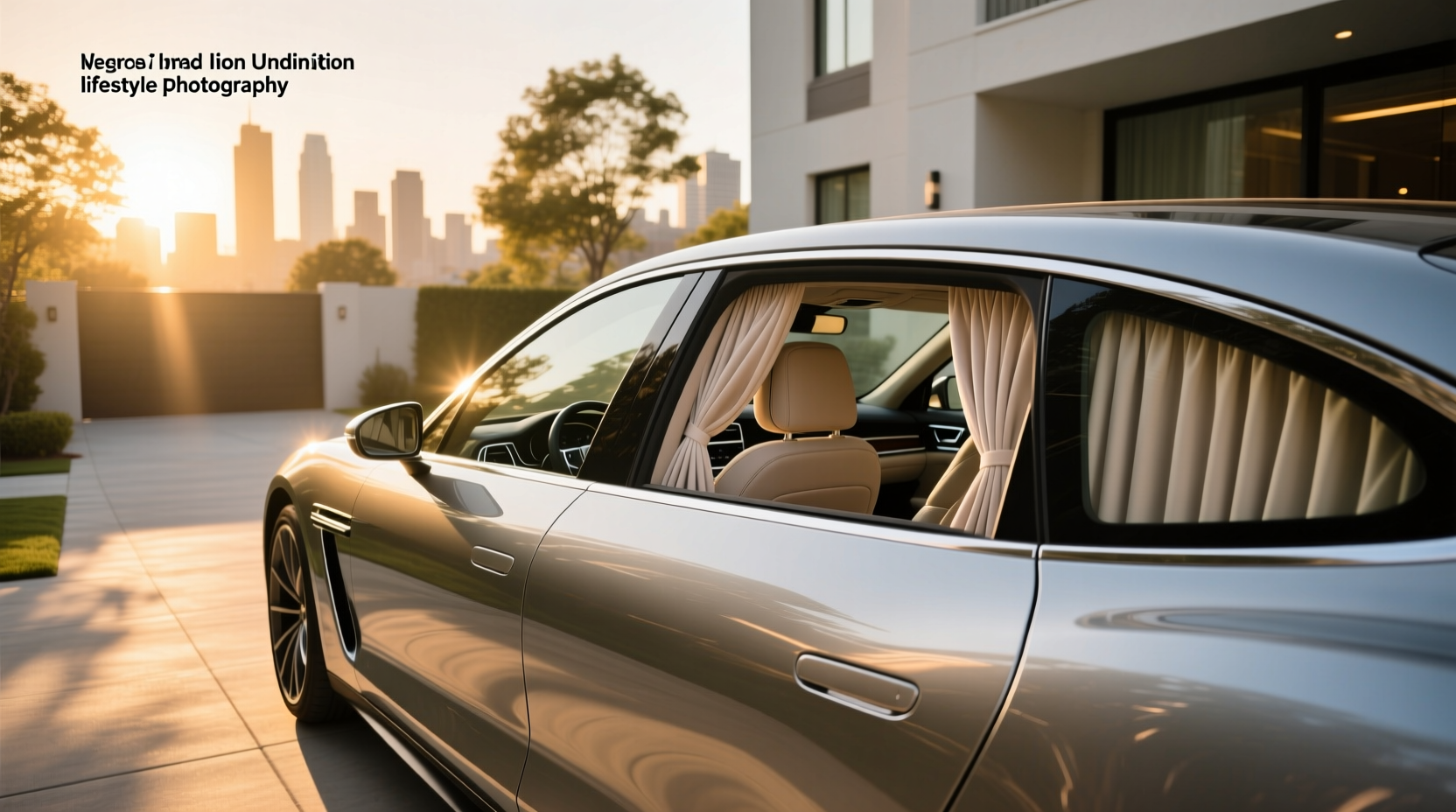
When searching for window curtains for cars, most drivers are looking for practical solutions to enhance privacy, block sunlight, and protect passengers—especially children—from UV exposure during travel or camping. Unlike permanent tints or fixed shades, car window curtains offer a removable, flexible option that can be adjusted based on need, weather, or location. Whether you're considering magnetic sunshade panels, retractable privacy dividers, or DIY blackout covers for van life setups, understanding the types, materials, installation methods, and legal limits is essential before making a decision.
What Are Car Window Curtains and How Do They Work?
Car window curtains—also referred to as car privacy curtains, interior sunshades, or vehicle blackout covers—are fabric-based accessories designed to cover side, rear, or front windows from the inside of a vehicle. They serve multiple purposes: reducing glare, blocking heat, enhancing passenger privacy, and creating shaded spaces ideal for napping, baby sleep, or overnight stays in campers and vans.
Unlike external sunshades that attach via suction cups or static cling, interior curtains typically mount using magnets, Velcro, tension rods, adhesive hooks, or suction systems. Some models feature full blackout lining, while others use breathable mesh to allow airflow while still diffusing light. The most common configurations include:
- Magnetic curtains: Use strong edge magnets sewn into the fabric to attach directly to metal window frames.
- Retractable roller blinds: Mounted above windows and pulled down like traditional home blinds. \li> Divider curtains: Hang between front and back seats to create a private zone for rear passengers.
- Suction-mounted panels: Attach with reusable suction cups for temporary placement.
- DIY or tension rod systems: Custom-fit solutions using adjustable rods and curtain fabrics.
These products are often marketed under terms like universal car privacy curtains, magnetic sunshade covers, or travel blackout kits, reflecting their versatility across sedans, SUVs, minivans, and RVs.
Why Drivers Use Interior Window Curtains in Cars
There are several real-world scenarios where installing window curtains makes sense. Understanding these helps determine which type best fits your needs.
👶 Child and Infant Comfort During Travel
One of the top reasons parents search for car window curtains for kids is to help infants and toddlers nap comfortably during long drives. Direct sunlight can overheat rear seats and disrupt sleep cycles. A well-placed curtain blocks harsh rays without affecting ventilation or safety visibility.
Curtains made with soft, breathable fabrics like cotton or polyester blends are preferred in this context. Many parents opt for half-shade designs that cover only the upper portion of the window, allowing children to still see outside while being shielded from glare.
🏕️ Van Life and Overnight Parking
For those living in or traveling with converted vans, privacy becomes critical when parking in public areas. Permanent tinting may not be allowed or sufficient, so removable curtains provide discretion at night while allowing full visibility during the day.
In van life communities, users often combine thermal-lined curtains with reflective insulation layers to regulate temperature and prevent condensation. These are sometimes custom-fitted to specific window shapes and secured with hook-and-loop tape or snap buttons.
☀️ Heat and UV Protection
Solar radiation through car windows contributes significantly to cabin heat buildup and skin exposure. While windshields are usually laminated and block most UVB rays, side and rear windows often transmit UVA radiation, which penetrates deeper into the skin and can contribute to premature aging and increased cancer risk1.
High-quality car curtains made with UV-protective coatings or tightly woven synthetic fibers (like polyester with UPF ratings) can block up to 99% of incoming ultraviolet light. This is especially valuable for individuals with photosensitivity conditions or families spending extended time on road trips.
💼 Ride-Sharing and Commercial Vehicles
In some regions, professional drivers use partition curtains to separate passenger compartments from cargo or driver areas. These are commonly seen in taxis, limousines, and delivery vans where privacy, security, and hygiene matter.
Such dividers must comply with local transportation regulations regarding emergency access and communication between zones. Materials used are typically durable, flame-retardant, and easy to clean.
Are Car Window Curtains Legal? Key Regulations by Region
One of the most frequently asked questions is: Is it legal to have curtains in your car? The answer depends heavily on jurisdiction, vehicle type, and where the curtain is installed.
In general, laws focus on maintaining clear forward and peripheral visibility for the driver. Most U.S. states prohibit any obstruction in the windshield area or front side windows (driver and front passenger). However, rear window modifications are more lenient, particularly if the vehicle has functional exterior mirrors.
For example:
- California Vehicle Code §26708(a): Prohibits any material that obstructs or reduces the driver’s clear view through the windshield or front side windows.
- Texas Transportation Code §547.613: Allows non-reflective tint on front side windows above the AS-1 line (typically top 5 inches), but does not explicitly mention curtains.
- UK Highway Code Rule 114: Requires unobstructed vision through all windows used while driving; aftermarket fittings like curtains could lead to prosecution if deemed hazardous.
While there’s no federal ban on interior curtains, enforcement varies. Law enforcement officers may issue warnings or citations if they believe a curtain impairs safe operation—even if temporarily deployed. To stay compliant:
- ✅ Avoid placing curtains on front side windows while driving.
- ✅ Use only retractable or easily removable systems in visible zones.
- ✅ Never install anything that interferes with airbag deployment paths.
- ✅ Check local DMV or transport authority guidelines before permanent installation.
Types of Installation Methods and Their Pros and Cons
The way a curtain attaches to your car impacts ease of use, durability, and safety. Here's a breakdown of common mounting options:
| Installation Type | Pros | Cons | Best For |
|---|---|---|---|
| Magnetic | Strong hold, easy on/off, no residue | Requires metal frame; ineffective on plastic/composite windows | Vehicles with steel window surrounds |
| Suction Cups | Reusable, works on glass, portable | Loses grip over time; fails in extreme temperatures | Short-term use, rentals |
| Adhesive Hooks/Velcro | Low-cost, customizable placement | May leave marks; less secure | Occasional use, DIY projects |
| Tension Rods | No adhesives, stable fit, adjustable | Bulky; limited to rectangular openings | Vans, campers, hatchbacks |
| Overhead Track Systems | Smooth retraction, sleek design | Complex install; higher cost | Custom builds, luxury vehicles |
When choosing an installation method, always verify compatibility with your vehicle model. Some newer cars use composite materials around windows that don’t support magnetic attachment. Similarly, curved glass can make suction cup retention unreliable.
Material Choices: Balancing Light Block, Breathability, and Durability
The fabric used in car window curtains affects performance in several ways. Key factors include:
- Light blockage level: Ranges from sheer (20–40%) to full blackout (95–100%).
- Thermal insulation: Thicker, layered fabrics reduce heat transfer better than single-layer mesh.
- Airflow: Mesh or perforated designs allow ventilation but offer less privacy.
- Washability: Machine-washable materials simplify maintenance.
- Flame resistance: Important for commercial or high-occupancy vehicles.
Common materials include:
- Polyester with blackout coating: Most effective for complete darkness and heat reduction.
- Breathable mesh: Ideal for daytime use when airflow matters more than total coverage.
- Cotton-linen blends: Softer feel, eco-friendly, but less durable in humid environments.
- Nylon-reinforced edges: Adds strength to high-stress points like magnet pockets or grommets.
Look for UPF 50+ labels if UV protection is a priority. Also, check whether the lining is thermally bonded or stitched—bonded layers tend to delaminate faster under heat stress.
How to Measure and Fit Curtains to Your Vehicle
Since car windows vary widely in size and shape, proper measurement is crucial. Follow these steps:
- Use a flexible measuring tape to record width and height of each window opening (glass only).
- Measure both horizontally and diagonally to account for curvature.
- Add 1–2 inches to each dimension if using magnetic or overlap-style curtains.
- Note obstructions like handles, speakers, or defroster lines that might interfere with mounting.
- Check product specs for “universal fit” claims—many only work within standard sedan/SUV ranges.
If off-the-shelf sizes don’t match, consider custom-made options tailored to your make and model. These are often available through specialty retailers who accept user-submitted dimensions.
Alternatives to Permanent Curtains
If you’re unsure about installing curtains—or want a temporary solution—several alternatives exist:
- Roll-up sunshades: Compact, foldable panels that clip or stick to windows.
- Static-cling films: Transparent sheets that adhere to glass without residue.
- Reflective windshield covers: Deploy when parked to reduce interior temps.
- Interior tint film: Applied directly to glass; semi-permanent but regulated.
- DIY solutions: Use tension rods with blackout fabric cut to size—a popular choice among budget-conscious van lifers.
Each alternative has trade-offs in convenience, effectiveness, and legality. For instance, static cling films degrade faster in sunlight, while roll-up shades require storage space when not in use.
Common Misconceptions About Car Window Curtains
Despite growing popularity, several myths persist:
- Myth: All window covers are illegal.
Reality: Only obstructions in the driver’s primary field of vision are typically prohibited. Rear and passenger-side curtains are generally acceptable when used responsibly. - Myth: Curtains replace the need for window tinting.
Reality: Tinting reduces heat and glare continuously; curtains are situational. Combining both offers optimal control. - Myth: Magnetic curtains damage windows.
Reality: Modern magnets are encased in soft fabric and do not scratch glass. However, dirt trapped between magnet and frame can cause micro-abrasions over time. - Myth: Any fabric will work as a curtain.
Reality: Lightweight or flammable materials pose fire risks near hot surfaces. Always choose automotive-grade, non-toxic, and flame-resistant textiles.
Tips for Safe and Effective Use
To get the most out of your car window curtains while staying safe and compliant:
- 📌 Install only on rear or side windows behind the driver.
- 📌 Remove or fully retract curtains before driving if they affect visibility.
- 📌 Clean regularly to prevent dust buildup that attracts UV degradation.
- 📌 Store properly when not in use to avoid creasing or warping.
- 📌 Test UV-blocking claims by observing cabin temperature differences with and without curtains.
Frequently Asked Questions (FAQ)
Below are answers to common follow-up questions users have after researching window curtains for cars.
- Can I install curtains on front side windows?
- No, it's generally unsafe and may violate traffic laws. Front side windows must remain unobstructed for driver visibility. Use curtains only on rear or back passenger windows.
- Do car sunshades really block UV rays?
- Yes, especially those made with UV-resistant fabrics or blackout linings. Look for products specifying UPF 50+ or 99% UV blockage for reliable protection.
- How do I clean car window curtains?
- Most can be wiped with a damp cloth. If machine washable, use cold water and mild detergent. Air dry to prevent shrinkage or magnet damage.
- Are magnetic car curtains safe for all vehicles?
- They work best on vehicles with metal window frames. Newer models with composite or plastic surrounds may not support magnetic attachment.
- Can I make my own car window curtain?
- Yes. Use blackout fabric cut to size, add magnetic strips or Velcro, and install with suction cups or tension rods. Ensure it doesn’t interfere with window operation or safety systems.




 浙公网安备
33010002000092号
 浙B2-20120091-4