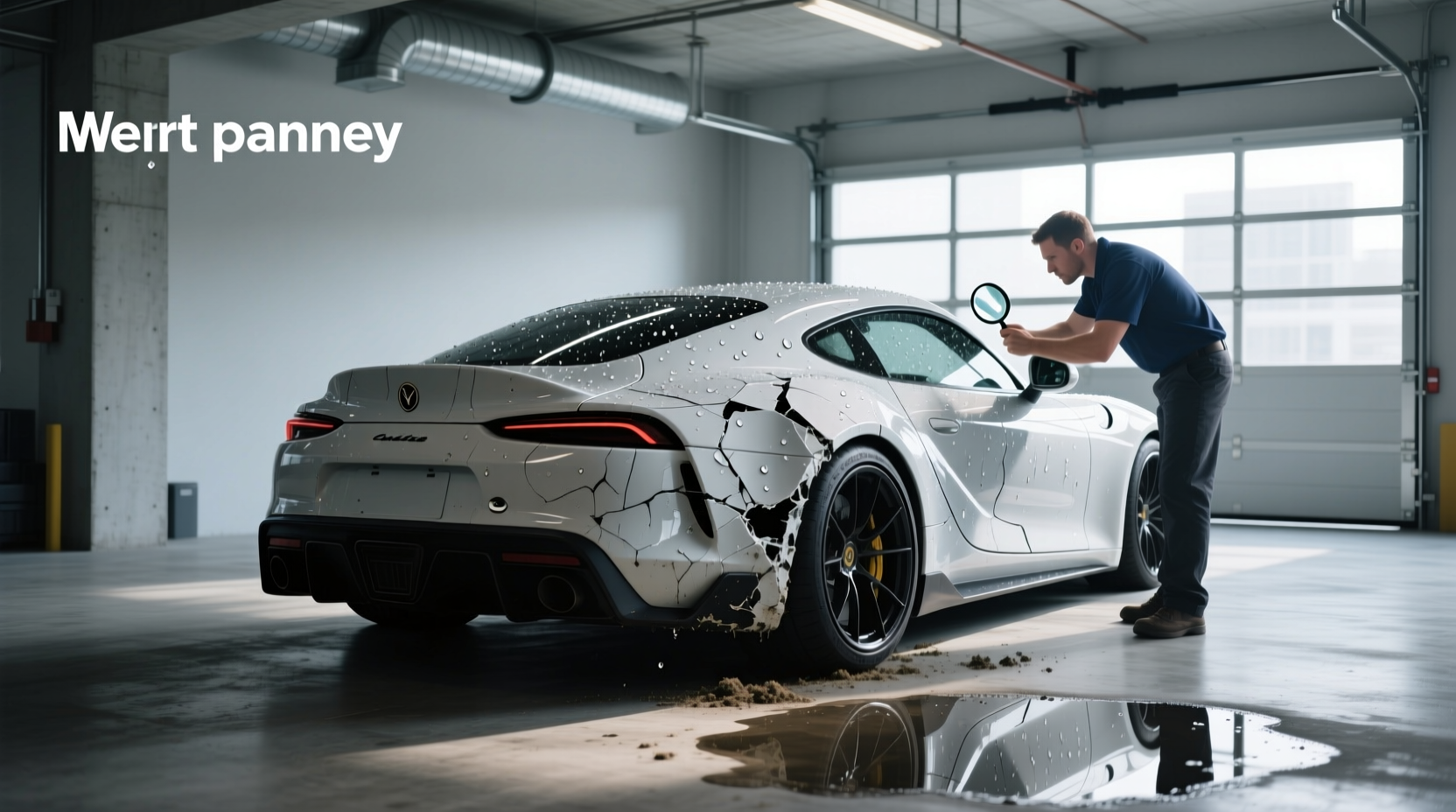
When considering paint protection for your vehicle, one common question arises: what are the disadvantages of ceramic coating? While ceramic coatings offer strong hydrophobic properties and enhanced gloss, they come with significant trade-offs. The main downsides include high upfront costs, the need for professional application, potential for irreversible damage if applied incorrectly, ongoing maintenance requirements, and limited durability under harsh conditions. Understanding these limitations helps car owners make informed decisions about whether this treatment aligns with their budget, usage patterns, and long-term care goals.
Understanding Ceramic Coating Basics
Ceramic coating is a liquid polymer solution applied to a vehicle’s exterior surfaces that chemically bonds with the factory paint, forming a semi-permanent protective layer 1. Unlike traditional waxes or sealants that sit on top of the paint, ceramic coatings integrate at a molecular level, offering improved resistance to water, UV rays, chemical stains, and light scratches. This technology has gained popularity among car enthusiasts and daily drivers alike due to its promise of long-lasting shine and easier cleaning routines.
However, despite the marketed benefits—such as dirt repellency and reduced washing frequency—it's essential to recognize that ceramic coatings are not a one-size-fits-all solution. They require meticulous surface preparation, skilled application, and consistent aftercare. For many vehicle owners, especially those unfamiliar with detailing processes, the reality may fall short of expectations. Misconceptions about invincibility or zero maintenance can lead to dissatisfaction, particularly when issues like hazing, streaking, or premature degradation occur.
High Initial Cost and Value Considerations
One of the most immediate disadvantages of ceramic coating is the price. Professional-grade applications typically range from $300 to over $2,000 depending on the vehicle size, condition, and service provider 2. Entry-level DIY kits may cost between $50 and $150, but these often lack the durability and performance of professional products.
This investment must be weighed against actual benefits. For example, a commuter driving an older sedan in mild climates might not see enough return to justify the expense. On the other hand, collectors or luxury vehicle owners in areas with heavy pollution or intense sun exposure may find the protection worthwhile. However, even then, the coating does not eliminate the need for regular washing or prevent all types of damage.
It’s also important to note that there’s no standardized pricing model across the industry. Some detailers charge premium rates based on brand partnerships (e.g., Ceramic Pro, Gtechniq), while others offer comparable results at lower prices using lesser-known but effective products. Without clear benchmarks, consumers risk overpaying for marketing rather than material superiority.
Risk of Improper Application
🛠️ Improper application is arguably the biggest disadvantage of ceramic coating. These coatings cure quickly and bond permanently, meaning mistakes during application—such as uneven spreading, missed spots, or applying in direct sunlight—are difficult or impossible to correct without polishing the surface.
Before any coating goes on, the paint must be completely free of contaminants, swirl marks, and oxidation. This requires multi-step decontamination including clay barring, iron fallout removal, and sometimes machine compounding. If skipped or done poorly, the coating bonds to imperfections instead of clean paint, locking in flaws permanently.
DIY attempts increase the risk significantly. Inexperienced users may misjudge ambient temperature, humidity levels, or flash times between layers. Applying too thickly leads to high spots, hazing, or fisheyes; applying too thinly reduces effectiveness. Once cured, removing a failed coating requires aggressive polishing, which removes clear coat and diminishes resale value.
Even professionals aren’t immune to errors. A busy shop rushing jobs or using untrained technicians can deliver subpar results. Therefore, choosing a reputable installer involves research into reviews, certifications, and before-and-after documentation—not just proximity or promotional offers.
Maintenance Requirements Are Often Underestimated
✨ Many believe ceramic coating makes a car “self-cleaning” or maintenance-free. This is a myth. While coated vehicles shed water more easily and resist light dirt buildup, they still accumulate grime, bird droppings, tree sap, and brake dust—all of which can degrade the coating over time if left untreated.
Regular washing remains necessary, though the process should be gentler. Harsh brushes, automated car washes with abrasive rollers, and strong alkaline soaps can strip or compromise the coating. Instead, owners must use pH-neutral shampoos, soft microfiber towels, and two-bucket methods to avoid introducing new scratches.
Additionally, periodic maintenance sprays or booster treatments are recommended every 3–6 months to replenish hydrophobic effects. Over time, environmental exposure breaks down the SiO₂ (silicon dioxide) matrix, reducing water beading and slickness. Ignoring this leads to diminished performance and false assumptions about product failure.
For fleet managers or individuals without time for proper upkeep, the practical advantage diminishes. The coating doesn’t save labor—it shifts it from frequent waxing to disciplined cleaning protocols.
Limited Durability Despite Marketing Claims
⏳ Manufacturers often advertise lifespans of 2 to 5 years, sometimes up to 9H hardness ratings (referring to pencil scratch tests). However, real-world longevity varies widely based on climate, storage conditions, driving frequency, and maintenance habits.
In regions with extreme temperature swings—like the northern U.S. winters or desert heat in Arizona—the coating expands and contracts differently than the underlying paint, increasing stress and potential delamination. Frequent exposure to road salt, industrial fallout, or acidic rain accelerates breakdown.
Independent testing shows that most consumer-grade ceramic coatings begin losing measurable hydrophobicity within 12–18 months. Even professional installations rarely maintain peak performance beyond three years without reapplication or touch-ups. This means the long-term value proposition depends heavily on local environment and use case.
Moreover, once degradation starts, it’s not uniform. Edges, flat panels, and high-wear zones (like door handles) wear faster. Patchy performance creates visual inconsistencies, making the vehicle look poorly maintained even if cleaned regularly.
No Protection Against Physical Damage
🔧 A major misconception is that ceramic coating prevents scratches and chips. While some formulations offer slight resistance to light marring (around 2H–4H on the pencil hardness scale), they do **not** protect against keying, rock chips, or deep scratches.
The coating layer is typically only 1–2 microns thick—thinner than a human hair. It adds minimal structural reinforcement. For true impact protection, physical barriers like paint protection film (PPF) are far more effective. Relying solely on ceramic coating in high-risk environments (e.g., gravel roads, parking lots with shopping carts) leaves paint vulnerable.
Some hybrid solutions combine PPF with ceramic coatings applied on top, offering both flexibility and gloss. But standalone ceramic treatments should never be viewed as armor. Confusing hydrophobicity with impact resistance leads to unrealistic expectations and potential disappointment.
Difficult Removal and Refinishing Challenges
🧰 If you decide to remove a ceramic coating—due to poor application, desire for repainting, or switching to another system—the process is neither simple nor inexpensive. Unlike wax or polymer sealants that dissolve with solvents, ceramic coatings require mechanical abrasion.
Complete removal usually involves wet-sanding or machine polishing, which wears down the factory clear coat. Each correction pass removes 1–2 microns of material, bringing the paint closer to failure thresholds. Most modern cars have 50–70 microns of clear coat; repeated corrections over the vehicle’s life can compromise integrity.
This becomes a critical issue when selling or refinishing a vehicle. Body shops may refuse to paint over existing ceramic coatings unless fully stripped, adding cost and complexity to repairs. Some insurers or collision centers report delays in processing claims due to unexpected coating presence.
Environmental and Health Concerns
🌍 While ceramic coatings themselves are generally inert once cured, the application process involves volatile organic compounds (VOCs) and alcohol-based carriers that evaporate during curing. In poorly ventilated spaces, these fumes pose respiratory risks to applicators.
Additionally, runoff from improper cleanup—especially during DIY projects—can introduce silicones and nanoparticles into stormwater systems. Though current evidence doesn’t show widespread ecological harm, regulatory scrutiny is growing in certain jurisdictions.
From a sustainability angle, the energy and resources used in manufacturing, shipping, and applying these products must be balanced against marginal gains in paint preservation. For environmentally conscious consumers, simpler alternatives like regular waxing or ceramic-infused spray sealants may offer better eco-footprint ratios.
Alternatives Worth Considering
📋 Given the drawbacks, several alternatives provide similar benefits with fewer compromises:
- Spray-on ceramic sealants: Offer temporary hydrophobic effects (3–6 months), easy reapplication, and lower cost. Ideal for seasonal protection or testing interest before committing.
- Traditional wax or synthetic sealants: Provide UV protection and gloss enhancement with biannual application. More forgiving and reversible.
- PRINT (Polymer Reinforced Ionic Nano Technology): Newer generation coatings that claim easier correction and better adhesion without permanent bonding.
- Paint protection film (PPF): Best for physical impact defense, especially on front bumpers, hoods, and mirrors.
Combining PPF on high-impact areas with a removable spray sealant offers robust protection without long-term commitment. This modular approach allows customization based on driving patterns and aesthetic preferences.
Who Should Avoid Ceramic Coating?
🚫 Despite its appeal, ceramic coating isn't suitable for everyone. You should reconsider if:
- Your vehicle already has significant paint defects (swirls, scratches, orange peel).
- You park outdoors in extreme weather conditions without regular washing access.
- You rely on automatic car washes frequently.
- You plan to sell the car soon—coating won’t significantly boost resale value.
- You're unwilling or unable to follow strict maintenance guidelines.
In such cases, investing in paint correction first—or opting for less permanent solutions—may yield better outcomes.
How to Minimize Risks If You Proceed
✅ If you decide to move forward with ceramic coating, follow these steps to reduce downsides:
- Get a paint inspection: Use a flashlight at low angles to check for existing swirls or haze. Have a professional assess paint thickness if possible.
- Choose a certified installer: Look for documented training (e.g., through Ceramic Pro, CarPro, or Gtechniq networks) and ask for sample vehicles to inspect.
- Request a written warranty: Understand what it covers—many only guarantee adhesion, not appearance or durability.
- Avoid 'lifetime' claims: No coating lasts indefinitely. Realistic warranties are 2–3 years max.
- Document everything: Take photos before, during, and after application. Keep receipts and product batch numbers.
Post-application, monitor water behavior weekly for the first month. Sudden loss of beading could indicate contamination or poor bonding. Schedule a follow-up inspection if anomalies appear.
Final Verdict: Is Ceramic Coating Worth It?
The answer depends on your priorities. For well-maintained vehicles driven carefully in moderate climates by owners committed to proper care, ceramic coating can enhance aesthetics and simplify cleaning. However, the disadvantages—high cost, application sensitivity, maintenance demands, and limited real-world durability—often outweigh the benefits for average drivers.
Think of it as a premium finish upgrade, not a necessity. It won’t prevent dents, eliminate washing, or dramatically extend vehicle life. Weigh the investment against simpler, reversible options that may serve your needs just as well.
Frequently Asked Questions
Here are answers to common follow-up questions about the disadvantages of ceramic coating:
Can ceramic coating damage my car's paint?
Yes, if improperly applied or removed. Applying over contaminated or flawed paint locks in defects. Removal requires polishing, which thins the clear coat and risks burn-through on soft paints.
Does ceramic coating prevent scratches?
No. It offers minor resistance to light swirls but does not protect against rock chips, keys, or deep scratches. For physical protection, consider paint protection film (PPF).
How often do I need to maintain a ceramic coating?
Wash monthly with pH-neutral soap. Apply a maintenance booster every 3–6 months to preserve hydrophobicity. Avoid automatic car washes with brushes.
Can I apply ceramic coating myself?
Yes, but it’s risky. DIY kits require perfect conditions and technique. Mistakes are hard to fix and may require professional correction, increasing overall cost.
Does ceramic coating increase resale value?
Not significantly. While a well-maintained car may appeal more, buyers rarely pay extra for coated vehicles. Poorly applied coatings can actually reduce perceived value.





 浙公网安备
33010002000092号
浙公网安备
33010002000092号 浙B2-20120091-4