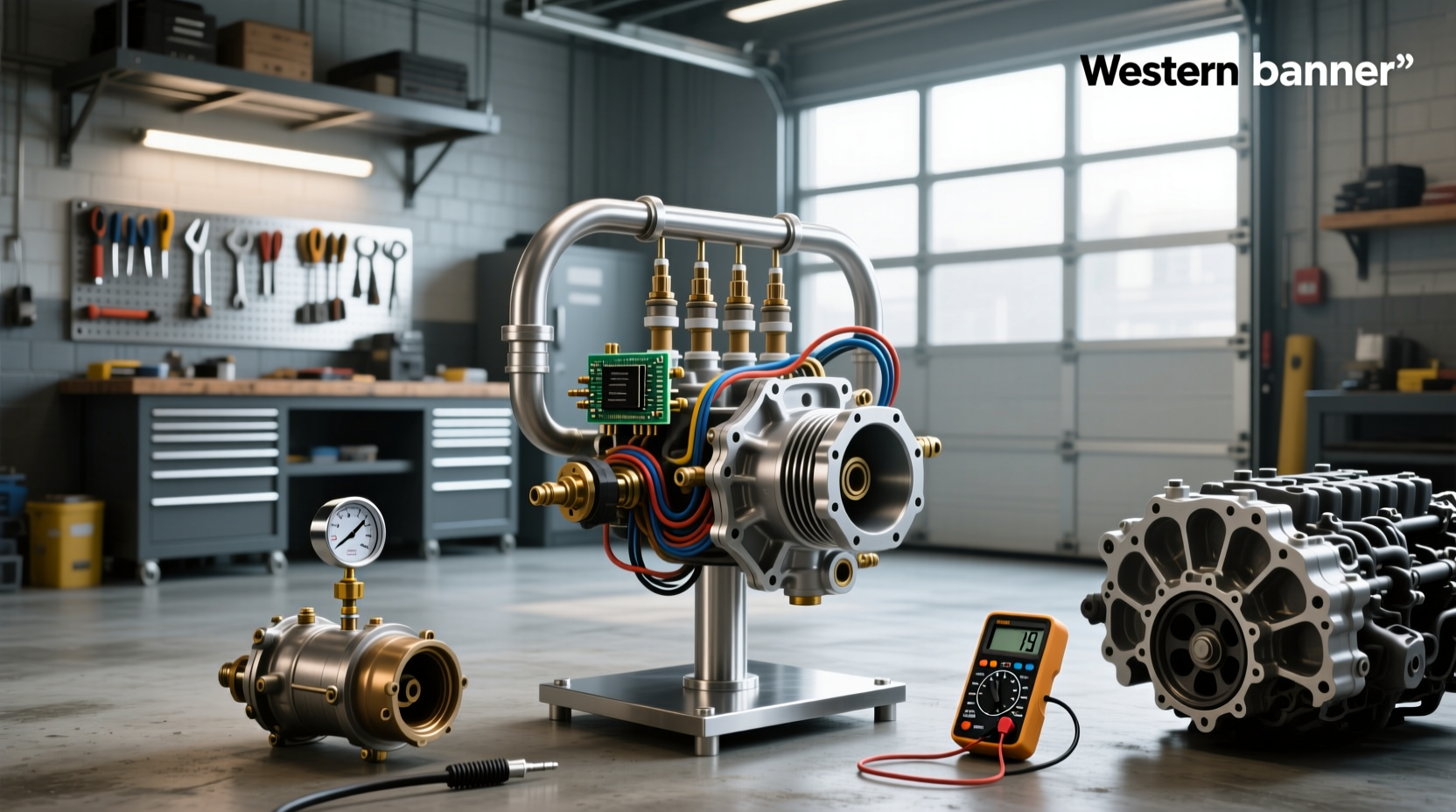
If you're considering a carburetor to fuel injection conversion kit, you're likely looking to improve engine performance, fuel efficiency, and drivability in an older vehicle. Modern electronic fuel injection (EFI) systems offer precise fuel delivery, better cold starts, and smoother throttle response compared to traditional carburetors. This guide breaks down everything you need to know before choosing and installing a conversion kit—covering system types, compatibility, required components, tuning methods, and real-world considerations like cost, labor, and emissions compliance. Whether you’re upgrading a classic car or restoring a vintage truck, understanding the technical and practical aspects of EFI conversions is essential for a successful project.
What Is a Carburetor to Fuel Injection Conversion?
A carburetor to fuel injection conversion involves replacing a mechanical carburetor with an electronic fuel injection (EFI) system. This upgrade replaces outdated fuel metering technology with modern sensors, fuel injectors, and an engine control unit (ECU) that dynamically adjusts air-fuel ratios based on driving conditions.
There are two primary types of EFI systems used in conversions: throttle body injection (TBI) and port fuel injection (PFI). TBI systems mount the injectors above the throttle body, similar in location to a carburetor, making them simpler and more affordable. PFI systems place individual injectors near each intake port, offering superior fuel distribution and performance but at higher complexity and cost.
Why Convert from Carburetor to Fuel Injection?
While carburetors have been reliable for decades, they come with inherent limitations that EFI systems solve:
- Improved drivability: EFI provides consistent fuel delivery across temperatures and altitudes, eliminating cold-start issues and hesitation.
- Better fuel economy: Precise fuel metering reduces waste, especially during idle and part-throttle cruising.
- Increased reliability: Fewer moving parts and no float bowls or jets mean less maintenance and fewer clogs.
- Enhanced performance tuning: With data logging and self-learning ECUs, adjustments can be made without physical modifications.
- Emissions compliance: Many regions require vehicles to meet modern emissions standards; EFI helps achieve this where carburetors fall short.
However, the decision isn't always straightforward. Some enthusiasts prefer the simplicity and authenticity of carbureted engines, especially in show cars or historically accurate restorations.
Types of EFI Conversion Kits Available
When shopping for a carburetor to fuel injection conversion kit, it's important to understand the different configurations available:
1. Throttle Body Injection (TBI) Kits ✅
TBI kits are the most common choice for DIY conversions due to their ease of installation and lower cost. They typically include:
- Throttle body with integrated fuel injectors
- Fuel pressure regulator
- ECU with pre-programmed maps
- Sensors (MAP, IAT, TPS, O2)
- Wiring harness
These systems bolt directly onto existing intake manifolds designed for carburetors, often using adapter plates. Brands like FiTech and Holley offer self-tuning TBI kits that learn engine behavior over time, reducing setup complexity.
2. Port Fuel Injection (PFI) Kits ⚙️
PFI kits deliver fuel directly into each intake runner, providing more even distribution and better high-RPM performance. These kits require:
- Intake manifold with provisions for injectors
- Individual fuel rails and injectors
- More complex wiring and ECU configuration
They are ideal for performance builds but often require custom fabrication or replacement of the intake manifold. Due to increased complexity, these are better suited for experienced builders or professional installations.
3. Standalone vs. Piggyback Systems 📊
Standalone ECUs manage all engine functions independently, while piggyback systems modify signals from an existing factory ECU. For older vehicles without factory electronics, standalone systems are necessary. Modern kits often include full standalone capabilities with touchscreen interfaces and smartphone integration for tuning.
| Kit Type | Best For | Avg Price Range | Installation Difficulty |
|---|---|---|---|
| TBI (Self-Tuning) | Daily drivers, mild street performance | $800–$1,500 | 🔧 Moderate |
| PFI (Port Injection) | High-performance builds | $1,500–$3,000+ | 🔧🔧🔧 Advanced |
| Universal 4-Cylinder Kits | Imports, small-block swaps | $700–$1,800 | 🔧🔧 Intermediate |
Key Factors When Choosing a Conversion Kit
Selecting the right kit depends on several interrelated factors. Here’s what to evaluate before purchasing:
Engine Compatibility 🧰
Not all kits work with every engine. Common applications include:
- V8 engines (Chevy 350, Ford 302, etc.) – widely supported
- Inline-4 and inline-6 engines – may require universal or custom kits
- Diesel or rotary engines – limited options, not typically covered
Check whether the kit supports your engine’s firing order, distributor type (if retaining), and sensor requirements.
Fuel System Requirements ⚡
Carbureted systems run at low fuel pressure (4–7 psi), while EFI requires 40–60 psi. Upgrading means adding:
- High-pressure electric fuel pump (in-tank preferred)
- Return-style or returnless fuel system
- Adequate fuel lines (AN-6 or AN-8 recommended)
- Fuel filter and pressure regulator
Some kits include fuel pumps; others assume you’ll source them separately. Always verify flow rate (measured in LPH) matches your engine’s horsepower target.
Electrical System Readiness 🔋
EFI systems demand stable voltage and proper grounding. Older vehicles may need upgrades such as:
- Higher-output alternator (100+ amps recommended)
- Dedicated relay for fuel pump
- Fused power distribution block
- Reliable battery and clean connections
Ensure your vehicle has sufficient amperage and that wiring isn’t corroded or undersized.
Tuning Method: Self-Learning vs. Manual 📈
Modern kits fall into two categories:
- Self-tuning (adaptive) ECUs: Automatically adjust air-fuel ratios using feedback from oxygen sensors. Ideal for beginners. Examples: FiTech Go EFI, Holley Sniper 2.
- Manually tuned systems: Require laptop/software input and dyno testing. Offer greater precision but steeper learning curve. Used in race applications.
Self-learning systems reduce initial setup time but may still benefit from fine-tuning for optimal results.
Common Installation Challenges and How to Avoid Them
Even with plug-and-play claims, EFI conversions present challenges:
1. Vacuum Line Confusion ❗
Carburetors use multiple vacuum ports for advance, brake boosters, and HVAC. EFI systems eliminate some needs but retain others. Map all vacuum sources and cap unused ones properly.
2. Incorrect Sensor Calibration 🔍
Improperly calibrated throttle position sensors (TPS) or MAP sensors can cause erratic idle or stalling. Follow manufacturer instructions precisely during setup.
3. Fuel Delivery Issues 🚚
Using undersized fuel lines or inadequate pumps leads to lean conditions under load. Always oversize slightly—e.g., a 255 LPH pump for a 400 HP engine.
4. Grounding Problems 🌐
Poor grounding causes signal noise and ECU errors. Use dedicated ground straps from engine to chassis and ensure battery negative is solidly connected.
Cost Breakdown: What to Expect
The total cost of a carburetor to fuel injection conversion varies significantly:
- Basic TBI kit: $800–$1,200
- Fuel pump and lines upgrade: $200–$500
- Electric radiator fan (if needed): $100–$200
- Professional installation: $500–$1,500 (optional)
Total project cost typically ranges from $1,200 to $3,000 depending on engine size and desired features. Universal 4-cylinder kits tend to be on the lower end, while complete port injection setups for V8s reach the upper limit.
Are EFI Conversion Kits Street Legal?
In many U.S. states and countries, modifying a vehicle’s fuel system affects emissions compliance. Key considerations:
- California (CARB): Requires EO (Executive Order) number for legal operation. Some kits like certain Holley Sniper models are CARB-certified.
- Federal law: Prohibits tampering with emission controls on post-1975 vehicles unless replacement part is certified.
- Older vehicles (pre-1975): Often exempt from strict regulations, but local laws vary.
Always check with your state’s DMV or environmental agency before installing a non-OEM system. Non-compliant setups may fail smog checks or result in fines.
Performance Impact: Does EFI Add Horsepower?
While EFI doesn’t inherently create more horsepower, it enables better utilization of existing engine potential:
- Smother power delivery: Eliminates bogging and hesitation.
- Better volumetric efficiency: Optimized fuel atomization improves cylinder filling.
- Support for forced induction: Essential when adding turbochargers or superchargers.
Real-world gains depend on baseline condition. A poorly tuned carburetor might see noticeable improvement, while a well-setup carb may only gain minor efficiency benefits.
DIY vs. Professional Installation: Which Is Better?
For mechanically inclined owners, DIY installation is feasible—especially with self-tuning TBI kits. Success depends on:
- Familiarity with basic electrical circuits
- Ability to follow diagrams and torque specs
- Access to tools (multimeter, wrench set, fuel line bender)
Professional shops offer faster turnaround and diagnostic support but increase overall cost. Consider hybrid approach: install hardware yourself, then visit a shop for final tuning and diagnostics.
Maintenance and Long-Term Reliability
Once installed, EFI systems require minimal maintenance beyond:
- Regular fuel filter changes (every 20,000–30,000 miles)
- Inspecting wiring for chafing or corrosion
- Updating firmware if available
- Replacing O2 sensors every 50,000–60,000 miles
Unlike carburetors, there are no jets to clean or floats to adjust. However, injectors can become clogged over time, especially with ethanol-blended fuels. Using quality fuel additives periodically helps prevent deposits.
Popular Applications and Real-World Examples
Certain vehicles see frequent EFI conversions due to popularity and parts availability:
- Chevy Small Block (350): One of the most supported engines; numerous kits available.
- Ford Inline-6 (300): Growing interest in EFI swaps for trucks and Broncos.
- Jeep CJ with AMC V8: Owners seek improved trail reliability.
- Classic MGB or Triumph: Enthusiasts upgrade 4-cylinder engines for daily usability.
Online forums like The MG Experience and Dodge Raider Community show increasing adoption of universal 4-cylinder EFI kits for European and import applications 1.
Common Misconceptions About EFI Conversions
Several myths persist about converting to fuel injection:
- "It ruins originality": True for concours judging, but acceptable in driver-focused restorations.
- "It's too complicated": Modern kits simplify installation far beyond early EFI attempts.
- "Only works with new engines": Many kits work with stock camshafts, heads, and exhaust.
- "You lose engine character": Properly tuned EFI retains throttle feel and sound.
Final Checklist Before Buying a Kit
Before committing to a purchase, ask:
- Is my engine supported by the manufacturer’s compatibility list?
- Do I have space for a high-pressure fuel pump?
- Can my charging system handle the additional load?
- Does the kit include oxygen sensors and catalytic converter provisions?
- Is technical support available if issues arise?
- Is the system CARB-compliant if required in my region?
Frequently Asked Questions
- Can I convert a 4-cylinder engine with a carburetor to fuel injection?
- Yes, universal 4-cylinder EFI kits are available from companies like FiTech and Holley. These often use throttle body injection and self-tuning ECUs for easier setup.
- Do I need a new intake manifold for fuel injection?
- For throttle body injection, you can often use an adapter plate on your existing manifold. Port injection requires a dedicated intake with injector bungs.
- Will fuel injection improve gas mileage?
- Most users report modest improvements (1–3 MPG) due to more precise fuel control, especially in city driving and idle conditions.
- Can I install EFI without a computer?
- No, all EFI systems require an ECU. However, many modern kits have built-in processors and touchscreens, so no external laptop is needed for tuning.
- Are carburetor-to-EFI kits reversible?
- Yes, most conversions are reversible. Keep your original carburetor and intake components in case you want to restore the factory setup later.





 浙公网安备
33010002000092号
浙公网安备
33010002000092号 浙B2-20120091-4