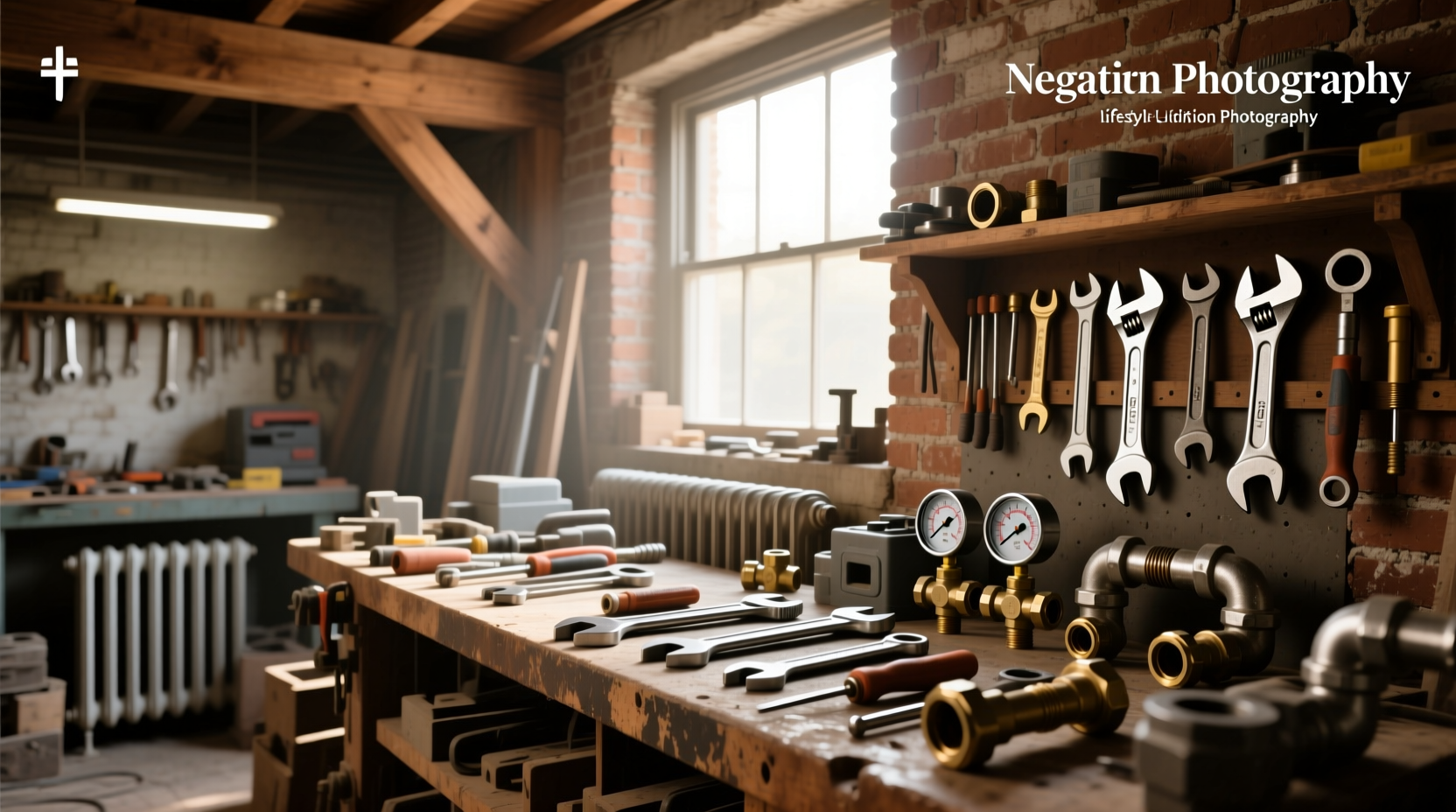
When it comes to maintaining your vehicle’s cooling system, knowing what radiator tools are necessary for effective cleaning and repair can save time, prevent engine damage, and extend the life of your radiator. Many DIY mechanics and professional technicians alike search for reliable methods to remove sludge, scale, and debris from radiators without disassembly—especially using techniques like radiator rodding or internal flushing. This guide breaks down the core tools used in radiator maintenance, including rodding rods, cleaning wands, flush kits, and specialized accessories, while addressing real-world challenges such as fin damage, corrosion buildup, and coolant contamination.
Understanding Radiator Maintenance: Why Proper Tools Matter
Radiators play a critical role in regulating engine temperature by transferring heat from coolant to the surrounding air. Over time, however, mineral deposits, rust, and biological growth can accumulate inside the tubes, reducing efficiency and potentially leading to overheating. External blockages—like dirt, insects, and bent fins—also restrict airflow. Without proper intervention, these issues lead to reduced performance and costly replacements.
The most effective way to address internal buildup is through mechanical cleaning methods such as radiator rodding, which involves pushing a flexible rod through each tube to clear obstructions. For external surfaces, fin combing and pressure washing with dedicated tools help restore airflow. Using incorrect or improvised tools (like coat hangers or uncoated wires) can cause irreversible damage, including punctured tubes or misaligned fins that compromise structural integrity.
Core Types of Radiator Tools and Their Functions
To maintain optimal cooling efficiency, several specialized tools are commonly used across both home garages and professional shops. Below is a breakdown of the primary categories:
🔧 Radiator Rodding Tools
Radiator rodding tools are designed to clean the interior of radiator tubes by physically clearing out sediment and scale. These tools typically consist of long, flexible rods made from materials like stainless steel, coated spring steel, or nylon-reinforced cable.
- Stainless Steel Rods: Durable and resistant to corrosion, ideal for heavy-duty use in shop environments.
- Coated Spring Steel Rods: Often vinyl- or polymer-coated to reduce scratching of tube walls during insertion. \li> Telescoping Rod Sets: Allow for adjustable length, making them suitable for different radiator depths and configurations.
Some users improvise with transmission dipsticks or welding rods 1, but this carries risks of incomplete cleaning or internal damage due to improper diameter or rigidity.
🧼 Radiator Cleaning Wands and Pressure Flush Tools
These tools connect to a garden hose or pressure washer and feature angled nozzles to direct water between radiator fins. They’re primarily used for external cleaning but can also assist in back-flushing systems when connected to coolant lines.
A well-designed cleaning wand allows access to tight spaces behind the radiator without requiring full removal from the engine bay. Some models include rotating heads or adjustable jets for precision control. When selecting one, look for:
- Corrosion-resistant materials (e.g., brass nozzles, anodized aluminum shafts)
- Ergonomic handles for prolonged use
- Interchangeable tips for various spray patterns
DIY versions exist—such as modified copper tubing soldered into custom shapes—but commercial tools offer better durability and safety.
⚙️ Fin Combs and Tube Straightening Tools
Bent radiator fins are a common issue, especially on older vehicles or those driven in dusty conditions. Even slight bending can significantly reduce airflow and cooling capacity. A fin comb is a simple yet vital tool featuring spaced teeth that gently straighten warped fins.
Available in multiple tooth densities (measured in fins per inch), they must match the pitch of your radiator’s core. Using a coarse comb on a fine-pitch radiator may widen gaps between fins, reducing surface area for heat exchange.
For severe deformation, specialized tube straightening tools or pliers may be required, though care must be taken not to collapse the soft aluminum or brass tubes.
🚗 Radiator Flush Kits and Back-Flush Adapters
Chemical flushing removes internal contaminants using solvents or descaling agents, but effectiveness depends on flow dynamics. A radiator flush kit enhances this process by reversing coolant direction (back-flushing) or increasing pressure.
Common components include:
- Hose adapters to connect to upper/lower radiator hoses
- Quick-connect fittings for easy attachment
- Pressure regulators to prevent system damage
Some kits integrate with household faucets or air compressors, enabling controlled reverse flow. Always follow manufacturer guidelines regarding pressure limits—typically under 15 psi—to avoid rupturing delicate tubes.
🛒 Shroud Removal and Access Tools
Before any deep cleaning, the radiator shroud often needs removal to gain access. While standard socket sets usually suffice, some modern vehicles require Torx bits or trim removal tools to release plastic fasteners.
In tight engine bays, magnetic pickup tools or flexible extensions help retrieve dropped screws. Heat-resistant gloves are recommended when working near hot components or sharp edges.
How to Choose the Right Radiator Tool for Your Needs
Selecting appropriate tools depends on several factors: vehicle type, radiator material, level of contamination, and whether you're performing preventive maintenance or restoration work.
Vehicle Compatibility Considerations
Different vehicles have varying radiator designs:
- Older cars (pre-1990): Often feature copper-brass cores with larger tubes; more tolerant of aggressive rodding.
- Modern vehicles: Typically use aluminum-plastic radiators with smaller, thinner tubes; require gentler tools to avoid punctures.
- Heavy-duty trucks and industrial equipment: May need longer rods and higher-pressure flushing due to larger volume and exposure to contaminants.
Always verify tube diameter before purchasing rodding tools. Standard diameters range from 3/16” to 1/4”, but variations exist.
Material Quality and Durability
Invest in tools made from non-corrosive, wear-resistant materials. Stainless steel rods last longer than carbon steel and won’t introduce rust particles into the system. Handles should be ergonomically shaped and securely attached to prevent separation during use.
Ease of Use and Storage
Telescoping or segmented rods are easier to store and transport. Look for kits that come with carrying cases or wall-mount organizers, especially if you service multiple vehicles.
Step-by-Step: How to Rod and Clean a Radiator Safely
Follow this procedure to maximize results while minimizing risk:
- Remove the radiator (recommended for thorough cleaning) or disconnect hoses if cleaning in place.
- Inspect for leaks and physical damage. Replace if tubes are corroded or cracked.
- Back-flush with water using a flush kit to loosen loose debris.
- Use a fin comb to straighten bent fins before internal work.
- Begin rodding: Insert the rod slowly into each tube from top to bottom. Avoid forcing it; stop if resistance is high.
- Clean both sides if accessible (some radiators allow entry from either end).
- Flush again after rodding to remove dislodged particles.
- Reinstall and refill with fresh coolant, then bleed air from the system.
After reassembly, monitor temperature gauges closely during initial drives to ensure proper function.
Common Mistakes to Avoid When Using Radiator Tools
Even experienced mechanics make errors that compromise results:
- Using excessive force: Can collapse soft tubes or create micro-cracks.
- Skipping pre-flushing: Increases effort needed during rodding and may push large debris further in.
- Ignoring fin alignment: Bent fins reduce cooling even if internals are clean.
- Improper storage: Leaving rods bent or exposed to moisture leads to warping or rust.
- Not wearing eye protection: High-pressure water or flying debris can cause injury.
DIY vs. Commercial Radiator Tools: Are Homemade Solutions Effective?
Many online videos demonstrate DIY radiator cleaning tools—such as repurposed transmission dipsticks 1, hand-bent wire loops, or modified pressure wand attachments. While functional in emergencies, these lack consistency and safety features.
Commercial tools undergo testing for flexibility, tensile strength, and compatibility. They often include protective coatings and standardized sizing. Homemade alternatives may scratch tube linings or fail mid-use, leaving fragments behind.
If building your own, ensure materials are smooth, corrosion-resistant, and appropriately sized. Never use galvanized wire—it can flake off and contaminate the cooling system.
Regional Differences and Availability
Access to radiator tools varies globally. In North America and Europe, specialty suppliers like Therm Processes, Inc. have served repair shops since the 1950s, offering comprehensive toolkits 2. In Latin America and parts of Asia, local hardware stores may carry generic cleaning rods under names like "varilla limpiadora del radiador".
Online marketplaces such as Mercado Libre list radiator cleaning rods and 60cm pressure-compatible tools tailored to regional vehicle fleets 3. However, quality control can vary, so inspect product specifications carefully before purchase.
When to Seek Professional Help
While many radiator issues can be addressed at home, certain situations warrant professional attention:
- Visible leaks or cracks in tanks or seams
- Severe internal corrosion that resists rodding
- Plastic tank warping or coolant mixing with oil (indicating head gasket failure)
- Lack of proper tools or workspace safety
Professional radiator shops use hydrostatic testing, rodding machines, and brazing equipment beyond typical DIY capabilities.
Environmental and Safety Precautions
Coolant contains ethylene glycol, which is toxic to humans and animals. Always drain old coolant into sealed containers and dispose of it at authorized recycling centers. Never pour it down drains or onto soil.
Wear gloves and eye protection when handling chemicals or sharp tools. Work in well-ventilated areas, especially when using solvent-based flush products.
| Tool Type | Best For | Material Recommendation | Caution Notes |
|---|---|---|---|
| Rodding Rods | Internal tube cleaning | Stainless steel or coated spring steel | Avoid oversized rods; do not force |
| Cleaning Wands | External fin cleaning | Anodized aluminum with brass nozzle | Use low pressure to avoid fin damage |
| Fin Combs | Straightening bent fins | Plastic or brass with correct FPI | Match comb density to radiator pitch |
| Flush Kits | Removing sludge and scale | Reinforced rubber hose with quick connectors | Limit pressure to <15 psi |
Long-Term Maintenance Tips
Regular inspection and light cleaning can prevent major buildup. Schedule visual checks every six months, especially before summer or winter seasons. Replace coolant according to manufacturer intervals—usually every 2–5 years depending on type.
Install mesh screens in front of the radiator if frequently driving in dusty or insect-heavy areas. These are inexpensive and easily removable for cleaning.
Frequently Asked Questions (FAQs)
Below are answers to common questions about radiator tools and maintenance procedures.
❓ What is the best thing to flush your radiator with?
A dedicated radiator flush solution or distilled water works best. Avoid using tap water alone, as minerals can contribute to scaling. Follow with a final rinse and refill using the coolant type specified by your vehicle manufacturer.
❓ What tool is used to clean behind radiators?
A long-reach radiator cleaning wand connected to a pressure washer or hose is ideal. These tools have angled nozzles that direct water between fins without requiring complete disassembly.
❓ What tool do you need to bleed a radiator?
A bleed valve key or flathead screwdriver is typically used to open the bleed screw on the radiator, allowing trapped air to escape. This ensures proper circulation and heating efficiency, particularly in older systems.
❓ How do you flush sludge out of a radiator?
Disconnect the radiator hoses and use a back-flush method with a garden hose or flush kit. Run water in reverse (from outlet to inlet) until the流出water runs clear. For stubborn deposits, use a chemical flush agent following product instructions.
❓ Can I use a coat hanger to rod my radiator?
Not recommended. Coat hangers are too rigid and can scratch or puncture soft metal tubes. Use purpose-built rodding tools made from flexible, coated steel to avoid damaging the core.





 浙公网安备
33010002000092号
浙公网安备
33010002000092号 浙B2-20120091-4