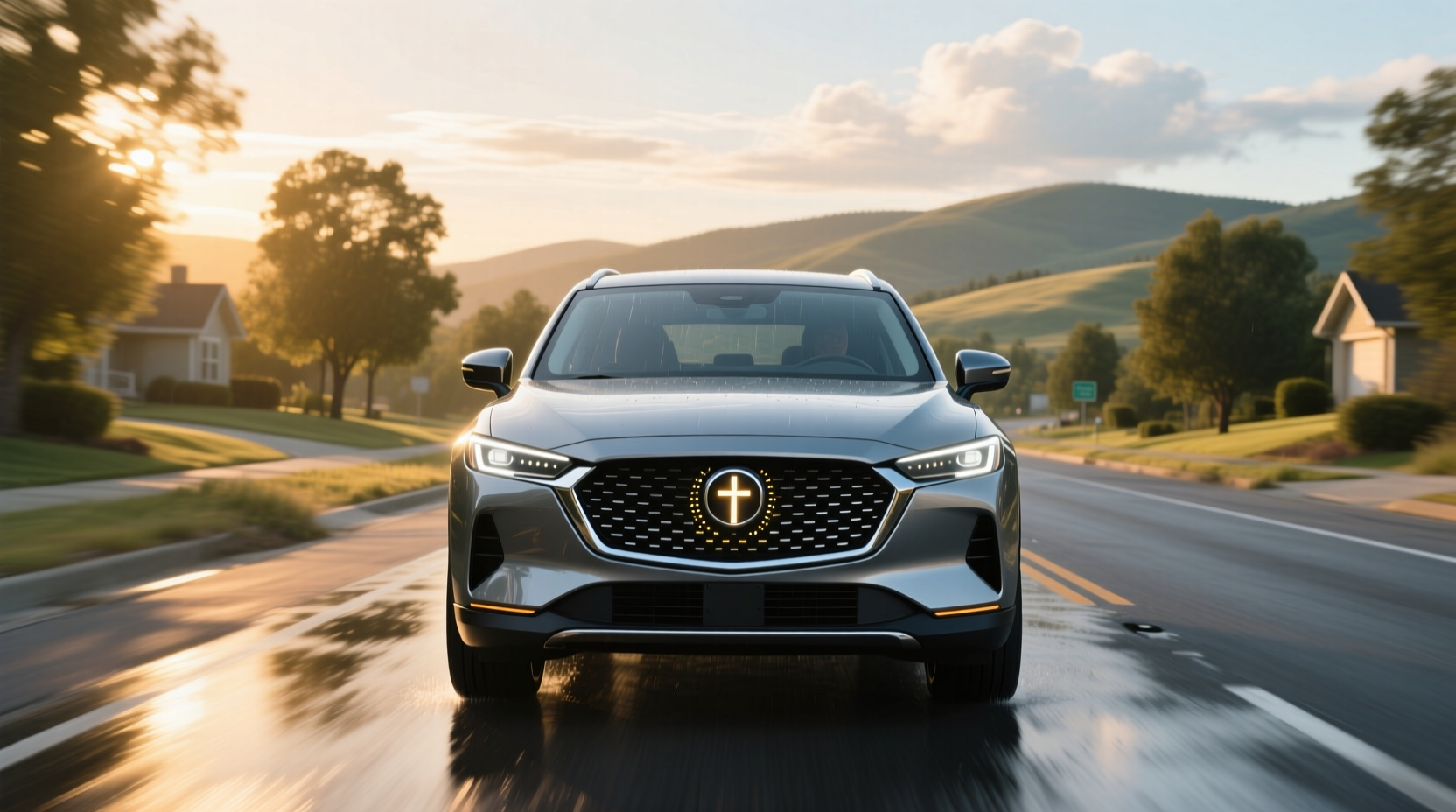
If your car displays a "Forward Collision Warning System Unavailable" message, the issue is often related to a blocked, dirty, or misaligned forward collision warning sensor. This radar- or camera-based system, typically mounted behind the grille, windshield, or front bumper 🔧, can fail due to simple causes like grime buildup, minor impacts, battery resets, or software glitches. In most cases, the fix involves cleaning the sensor surface, restarting the vehicle’s system, or performing a recalibration at a service center. Understanding how this safety feature works—and what triggers false alerts or disables it—is key to maintaining reliable operation and avoiding unnecessary repair costs.
What Is a Forward Collision Warning Sensor?
A forward collision warning (FCW) sensor is a critical component of modern vehicle safety systems designed to detect potential frontal impacts with other vehicles, pedestrians, or obstacles. It operates primarily using either radar, lidar, or camera technology—often in combination—to monitor the distance, speed, and trajectory of objects ahead of your vehicle ⚙️. When the system calculates that a collision is likely within seconds, it triggers visual, auditory, or haptic warnings to prompt the driver to react.
Unlike airbag crash sensors—which activate only during impact—the FCW sensor functions proactively while driving. It feeds data into broader advanced driver assistance systems (ADAS), such as automatic emergency braking (AEB), adaptive cruise control (ACC), and pedestrian detection. Because these systems rely on real-time environmental sensing, any obstruction or malfunction in the sensor can disable multiple safety features simultaneously.
The sensor itself is usually housed in one of several locations depending on the make and model: behind the front grille (common for radar units), integrated into the windshield near the rearview mirror (for camera-based systems), or embedded within the front bumper assembly 📍. Knowing its exact placement helps in diagnosing issues and performing basic maintenance without triggering error codes.
Common Causes of FCW Sensor Failure
When drivers encounter warnings like "Forward Collision Warning Unavailable" or "Pre-Collision System Off," they often assume hardware failure or expensive repairs are required. However, in many cases, the root cause is simpler and more manageable. Below are the most frequent reasons for FCW sensor malfunctions:
- Dirt, snow, or debris buildup: Sensors located behind the grille or bumper can become obscured by mud, ice, road salt, or even insect residue after long drives 🧼. Even a thin film can interfere with radar signal transmission or camera lens clarity.
- Windshield replacement or repair: If your vehicle uses a camera-based FCW system mounted near the windshield, improper reinstallation or calibration after glass work can disrupt alignment. This is especially common if the technician didn’t perform an ADAS recalibration.
- Battery disconnection or low voltage: A sudden power loss—such as from a dead battery or jump-start attempt—can reset onboard computers and deactivate ADAS modules until rebooted or reinitialized.
- Minor front-end damage: Fender benders, parking scrapes, or even aggressive car washes may shift the sensor housing slightly out of position. Even a millimeter of misalignment can degrade performance.
- Software glitches: Like any computerized system, FCW modules can freeze or enter fault mode due to firmware bugs. Restarting the vehicle or cycling the ignition may resolve temporary errors.
- Environmental interference: Heavy rain, fog, or direct sunlight hitting the sensor lens can temporarily blind the system, causing intermittent warnings.
Understanding these triggers allows drivers to troubleshoot effectively before visiting a dealership or repair shop.
How to Diagnose FCW Sensor Problems
Before attempting repairs, confirm whether the issue stems from the sensor itself or another part of the ADAS network. Start with a visual inspection:
- Locate the sensor based on your vehicle’s design. For example, Toyotas with Toyota Safety Sense typically have a camera above the rearview mirror, while Fords with Pre-Collision Assist use a radar unit behind the lower grille 🔍.
- Clean the sensor area gently with a soft cloth and water or automotive glass cleaner. Avoid abrasive materials or high-pressure sprays that could damage seals.
- Check for dashboard warning lights related to ADAS, such as "FCW Off," "Collision Alert," or "Service Required."
- Restart the vehicle: Turn off the engine, wait 1–2 minutes, then restart. Some systems automatically reinitialize after a full power cycle.
- Test drive under clear conditions to see if the warning returns. Note whether the system behaves normally during highway cruising or city driving.
If the problem persists, consider scanning for diagnostic trouble codes (DTCs) using an OBD-II scanner capable of reading ADAS modules. Generic scanners may not access FCW-specific faults, so professional-grade tools or dealership equipment might be necessary 📋.
Step-by-Step Fixes for FCW Sensor Errors
Many FCW sensor problems can be resolved without specialized tools. Follow these steps in order:
1. Clean the Sensor Surface
Radar and camera sensors require unobstructed lines of sight. Use a microfiber cloth and mild detergent to wipe the front grille, bumper cover, or windshield area where the sensor is located. Pay special attention to any plastic covers or lenses that may appear cloudy 🧼. After cleaning, dry thoroughly and test the system.
2. Perform a System Reset
Disconnect the car battery for 5–10 minutes to reset all electronic control units (ECUs). Reconnect and start the engine. During the first few minutes of driving, some vehicles will automatically run a self-check and reactivate the FCW system ⚡.
3. Check for Software Updates
Manufacturers periodically release firmware updates to improve sensor accuracy and stability. Visit your dealer or check the manufacturer’s website to determine if an update is available for your model year and region 🌐.
4. Recalibrate the Sensor
If the sensor was disturbed due to bodywork or windshield replacement, static or dynamic recalibration may be required. Static calibration involves positioning targets in front of the car in a controlled environment, while dynamic recalibration occurs during a test drive using GPS and motion sensors 🏭. These procedures require specialized equipment and should be performed by certified technicians.
5. Consult the Owner’s Manual
Your vehicle’s manual often includes troubleshooting tips specific to ADAS features. Look up sections labeled "Forward Collision Warning," "Safety Systems," or "Driver Assistance Features" for guidance on disabling, resetting, or diagnosing faults 📝.
Where Is the Forward Collision Warning Sensor Located?
Sensor placement varies significantly across manufacturers and models:
- Ford: Radar-based Pre-Collision Assist sensors are typically embedded in the lower front bumper or behind the central grille.
- Toyota: The Pre-Collision System uses a monocular camera mounted near the top of the windshield, just below the rearview mirror.
- Honda: Honda Sensing systems combine a wide-angle camera on the windshield with a radar unit in the front grille.
- Subaru: EyeSight technology relies solely on dual cameras behind the windshield, requiring a clear line of sight at all times.
- Hyundai/Kia: Similar to Honda, these brands use both front radar and windshield-mounted cameras for redundancy.
Always refer to your specific vehicle’s service documentation to locate the correct component. Misidentifying the sensor can lead to incorrect cleaning or adjustment attempts.
Can You Bypass or Disable the FCW Sensor?
While some online forums suggest bypassing or permanently disabling the FCW system, doing so compromises safety and may violate local regulations ❗. Temporary deactivation is possible through vehicle settings—for instance, turning off FCW warnings via the instrument cluster menu—but this should only be done in controlled situations (e.g., towing trailers that trigger false alarms).
Purposely disabling or tampering with ADAS components can also affect resale value, insurance claims, and compliance with roadworthiness inspections in certain regions. Moreover, modern systems often integrate with other functions like adaptive cruise control; disabling one feature may impair others.
When to Seek Professional Help
You should consult a qualified mechanic or dealership if:
- The FCW warning remains after cleaning and resetting.
- There has been recent front-end collision or bodywork.
- The vehicle recently had a windshield replaced.
- Error codes indicate sensor circuit failure, internal malfunction, or communication loss with the ECU.
- Automatic braking or cruise control also fails alongside FCW.
In these cases, diagnostic tools can pinpoint whether the issue lies with wiring, connectors, the sensor module itself, or software configuration 🔧. Repairs may involve replacing the sensor unit, repairing harnesses, or performing a full ADAS recalibration.
Cost Considerations and Repair Options
Repair costs vary widely based on vehicle brand, sensor type, and labor requirements:
| Vehicle Type | Sensor Replacement Cost (USD) | Calibration Cost (USD) | Total Estimate |
|---|---|---|---|
| Mid-size Sedan (e.g., Toyota Camry) | $200–$400 | $100–$250 | $300–$650 |
| Luxury SUV (e.g., BMW X5) | $500–$900 | $200–$400 | $700–$1,300 |
| Economy Hatchback (e.g., Hyundai Elantra) | $150–$300 | $80–$200 | $230–$500 |
Note that recalibration is often mandatory after any front-end work and may not be covered under warranty unless linked to a recall or defect 📊. Independent shops equipped with ADAS tools may offer lower rates than dealerships, but ensure they follow OEM specifications.
Myths and Misconceptions About FCW Sensors
Several misunderstandings persist about how FCW systems operate:
- Myth: FCW sensors cause sudden braking. Reality: FCW only provides warnings. Automatic Emergency Braking (AEB) handles braking, though the two systems share sensors.
- Myth: Covering the sensor stops false alarms. Reality: Blocking the sensor disables the entire system, removing protection rather than fine-tuning it.
- Myth: Once installed, no maintenance is needed. Reality: Regular cleaning and periodic checks are essential for reliable function.
- Myth: All cars with FCW work the same way. Reality: Performance varies by brand, sensor fusion method, and software tuning. Some systems are more sensitive than others.
Regional Differences and Legal Aspects
Regulations around ADAS functionality differ by country. For example, the European Union mandates AEB with FCW on new vehicles, while U.S. implementation remains voluntary though widespread 1. In South Africa and Australia, adoption depends on trim levels and import standards.
Additionally, used car imports may lack proper calibration records, increasing the risk of undetected FCW faults. Buyers should verify ADAS functionality during pre-purchase inspections, particularly for vehicles with prior accident history.
Final Tips for Maintaining FCW Sensor Reliability
To keep your forward collision warning system functioning optimally:
- Clean the front end regularly, especially after off-road driving or winter conditions.
- Avoid using high-pressure washes directly on sensor areas.
- After any windshield or bumper repair, insist on ADAS recalibration.
- Monitor dashboard alerts and address them promptly.
- Keep software updated through authorized service centers.
By treating the FCW sensor as a vital part of your vehicle’s safety ecosystem—not just another warning light—you enhance both personal protection and long-term reliability.
Frequently Asked Questions
- What is the difference between a crash sensor and a forward collision warning sensor?
- A crash sensor activates during a physical impact to deploy airbags, while a forward collision warning sensor predicts potential collisions before they happen using radar or cameras to provide early alerts.
- Why does my forward collision warning light stay on?
- The light may remain on due to dirt blocking the sensor, a software glitch, recent battery disconnect, or misalignment after bodywork. Cleaning and restarting the system often resolves the issue.
- Can I drive safely if the forward collision warning system is off?
- Yes, you can still drive, but you’ll lose automated alerts for potential front-end collisions. It’s recommended to fix the issue promptly to maintain full safety coverage.
- Do parking sensors interfere with forward collision warning systems?
- No, parking sensors (used for low-speed proximity alerts) operate independently from FCW sensors, which focus on higher-speed driving scenarios. Both can function simultaneously without interference.
- How often should FCW sensors be calibrated?
- Calibration is only needed after events that affect sensor alignment—such as windshield replacement, front-end repairs, or bumper removal—not on a routine schedule.





 浙公网安备
33010002000092号
浙公网安备
33010002000092号 浙B2-20120091-4