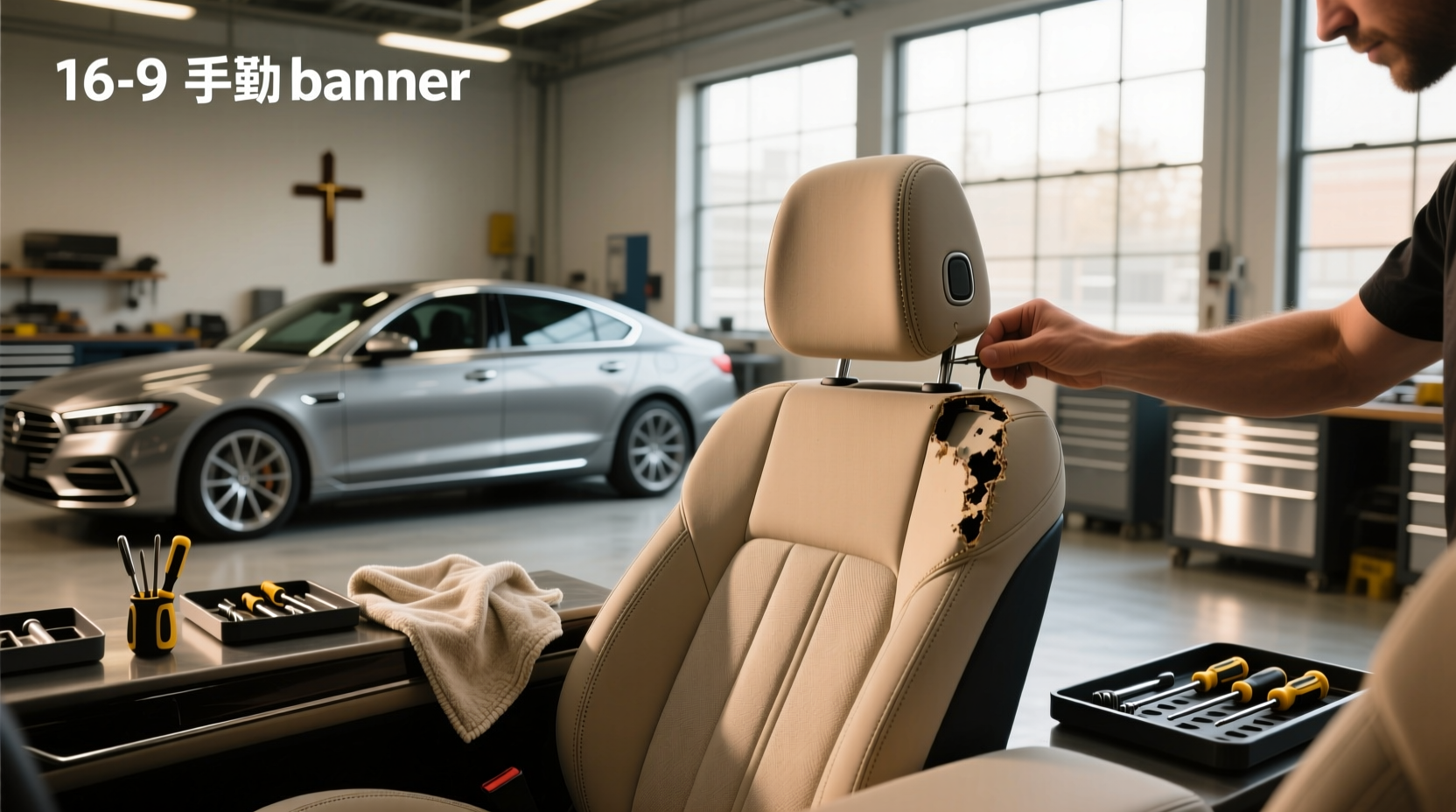
Replacing a car headrest might seem straightforward, but doing it correctly ensures both comfort and safety. Whether you're replacing a damaged headrest, upgrading for better ergonomics, or installing one on a used vehicle, understanding the headrest replacement process is essential. This guide walks you through every step—from identifying your seat type and ensuring proper fit, to installation techniques and safety considerations—so you can complete the task confidently and correctly.
Why Headrest Replacement Matters for Safety and Comfort
🚗 A headrest, also known as a head restraint, plays a critical role in vehicle safety. Its primary function is to reduce the risk of whiplash during rear-end collisions by limiting how far your head moves backward relative to your torso 1. While many drivers overlook this component, an improperly fitted or missing headrest significantly increases injury risk.
🔧 Beyond safety, a well-designed headrest improves driving comfort, especially on long trips. Over time, foam padding compresses, fabric wears out, or mechanisms fail—prompting the need for replacement. Some users also seek upgrades with added lumbar support, memory foam, or adjustable angles for improved posture.
When Should You Consider Headrest Replacement?
Not all worn or broken headrests are obvious. Here are key signs it’s time to consider replacing a headrest in your car:
- 📌 Visible cracks, tears, or collapsing padding
- ⚙️ Stuck adjustment mechanism (won’t raise/lower)
- 📍 Loose fit—wobbles when touched or doesn’t lock into place
- 🧼 Missing entirely (common in used cars or after removal for cleaning)
- ✨ Outdated design that no longer supports proper neck alignment
Additionally, if you’ve recently purchased a secondhand vehicle, verify that all headrests are present and functional. According to road safety guidelines, front seats must have active head restraints unless exempted by design 2.
Types of Car Headrests: Understanding What Fits Your Vehicle
Before buying a replacement, identify which type your vehicle uses. Mismatched parts won’t install properly and may compromise safety.
1. Adjustable vs. Fixed Headrests
✅ Adjustable Headrests: Most modern vehicles use these. They slide up and down via metal posts that lock into holes on the seatback. Some allow tilt adjustments.
❌ Fixed Headrests: Permanently attached to the seat. Common in older models or certain economy cars. These cannot be removed without modifying the seat structure.
2. Post Diameter and Spacing
The two metal rods (or stems) at the base vary across manufacturers. Common diameters include:
- 🛒 8mm – Common in European brands (e.g., Volkswagen, BMW)
- 🛒 10mm – Found in many Japanese vehicles (e.g., Toyota, Honda)
- 🛒 12mm – Used by some American and luxury models
Spacing between posts also differs—typically ranging from 180mm to 240mm. Measure yours carefully before ordering.
3. Integrated vs. Clip-On Headrests
🔧 Integrated: Built into the seat frame; replacement requires full seat disassembly.
🔧 Clip-On: Detachable units secured with spring clips or push pins. Easier to replace individually.
| Type | Removable? | Common In | Replacement Difficulty |
|---|---|---|---|
| Adjustable with Posts | Yes | Most sedans, SUVs | Easy |
| Fixed Frame | No | Older models, compact cars | High (requires upholstery work) |
| Folding (for visibility) | Limited adjustability | Rear seats, minivans | Moderate |
| Powered/Electronic | Only via dealer service | Luxury vehicles | Professional repair needed |
How to Remove an Old Headrest Safely
If your current headrest is still intact but needs replacing, follow these universal steps:
- 🔍 Locate the release mechanism: Most adjustable headrests have a button or lever near the base where the posts enter the seat.
- ⚡ Pull the headrest upward fully: This aligns internal locks with the release point.
- 🔧 Press and hold the release button: While pressing, gently pull the headrest straight up.
- 🧰 If stuck: Try wiggling slightly while maintaining upward pressure. Avoid using excessive force.
❗ Note: Some high-end vehicles use hidden locking systems activated only when the seat is reclined. Consult your owner’s manual if standard methods fail.
Choosing the Right Replacement Headrest
Selecting a compatible model involves more than just matching appearance. Follow these criteria:
1. Confirm Compatibility
Use your VIN (Vehicle Identification Number) to search for OEM (Original Equipment Manufacturer) specifications. Many auto parts suppliers offer lookup tools based on make, model, year, and trim level.
2. Match Mounting Style and Dimensions
Measure the post diameter and center-to-center distance between stems. Even a 5mm difference can prevent installation.
3. Evaluate Material and Padding
Modern replacements often feature:
- ✨ Memory foam for enhanced comfort
- 🧼 Breathable mesh or ventilated fabric
- 🛡️ Reinforced plastic frames for durability
4. Check Safety Standards
In the U.S., FMVSS 202A regulates head restraint performance. Look for compliance labels if purchasing aftermarket units. In Europe, ECE R17 governs similar standards 3.
Step-by-Step Guide to Installing a New Headrest
Once you’ve selected the correct replacement, installation is usually simple:
- 📍 Align the posts: Position the new headrest so the metal stems line up with the holes in the seatback.
- 🔧 Insert firmly: Push downward until the posts engage fully. You should feel resistance as they pass through internal guides.
- ⚙️ Test adjustment: Raise and lower the headrest multiple times to ensure smooth operation and secure locking.
- ✅ Verify positioning: Adjust the height so the top of the headrest is level with the top of your head or slightly above.
❗ Never install a headrest backwards. The curvature is designed to support the back of the skull—not the forehead.
Proper Headrest Adjustment: Are You Sitting It Right?
A perfectly installed headrest offers no protection if misadjusted. Use this checklist:
- 📏 Height: Top of the headrest should be even with or higher than the top of your head.
- 🧭 Distance: No more than 2–4 inches (5–10 cm) behind your head when seated normally.
- 🎯 Angle: Slight forward tilt (if adjustable) brings it closer to natural head position.
Many drivers set the headrest too low, thinking it supports the neck—but this actually increases whiplash risk. The goal is to minimize rearward motion during impact.
Can You Upgrade to a Better Headrest?
Yes, but with caveats. Aftermarket upgrades like ergonomic office-style headrests or memory foam cushions are available, but they must not interfere with original safety functions.
⚠️ Warning: Adding third-party attachments (like clip-on pillows) may create a gap between your head and the actual restraint, reducing effectiveness. For true upgrades, consider OEM options from dealerships or certified suppliers.
DIY Fixes vs. Full Replacement: When to Do What
Sometimes, a broken mechanism doesn’t require full replacement:
- 🔧 Stuck release button? Spray lubricant (e.g., silicone-based) into the post channels.
- 🔧 Loose fit? Wrap electrical tape around the posts to tighten grip (temporary fix only).
- 🧼 Worn cover? Consider a removable headrest cover instead of replacement.
However, structural damage (bent posts, cracked housing) demands full replacement.
Regional Differences in Headrest Requirements
Regulations vary globally:
- 🇺🇸 United States: Front outboard seats must have head restraints meeting FMVSS 202A.
- 🇪🇺 European Union: ECE Regulation 17 mandates active head restraints on most passenger vehicles.
- 🇯🇵 Japan: Similar rules under UN R17; newer models include active head restraints that move forward during collision.
- 🌍 Other regions: Enforcement varies. Always check local inspection requirements if importing/exporting vehicles.
This affects availability and design of replacement parts—especially for imported cars.
Common Myths About Headrests Debunked
Let’s clarify widespread misconceptions:
- ❌ Myth: Headrests are mainly for comfort.
✅ Truth: Their primary purpose is crash protection against neck injuries. - ❌ Myth: Any headrest will fit any seat.
✅ Truth: Mounting systems differ widely—even within the same brand. - ❌ Myth: Rear seat passengers don’t need them.
✅ Truth: Whiplash can occur in any seating position. All occupied seats should have proper restraints.
Tips for Buying Replacement Headrests Online
Shopping online offers variety, but risks incompatibility. Follow these tips:
- 🔍 Search using your VIN: Ensures exact match.
- 🌐 Use OEM part numbers: Found in owner's manuals or dealership databases.
- 📊 Read return policies: Choose sellers offering returns if fitment is incorrect.
- 📈 Check reviews: Look for user feedback about ease of installation and material quality.
- 🚚 Consider shipping costs: Heavy or bulky items may incur extra fees.
What If My Car Doesn’t Have Headrests?
Some classic or modified vehicles lack factory-installed headrests. Retrofitting is possible but complex:
- 🔧 Requires drilling into seat frames or adding mounting brackets.
- ⚖️ Must meet minimum height and proximity standards to qualify as a legal restraint.
- 📑 Consult a certified mechanic or automotive upholsterer for safe integration.
Note: Removing headrests from modern vehicles may violate local safety laws and void insurance claims in accidents.
Maintenance Tips to Extend Headrest Life
Prevent premature wear with regular care:
- 🧼 Clean fabric covers monthly with mild detergent.
- 🧽 Wipe leather surfaces with appropriate conditioners.
- 🔧 Lubricate adjustment posts annually with dry silicone spray.
- 📍 Avoid hanging heavy items (like coats) over the headrest.
Final Checklist Before Completing Headrest Replacement
Before considering the job done, verify:
- ✅ Correct height and angle adjustment possible
- ✅ Secure attachment—no wobbling or looseness
- ✅ Full range of motion without binding
- ✅ Alignment with occupant’s head in normal driving posture
- ✅ Compliance with manufacturer and regulatory standards
Completing these checks ensures both comfort and maximum safety benefit.





 浙公网安备
33010002000092号
浙公网安备
33010002000092号 浙B2-20120091-4