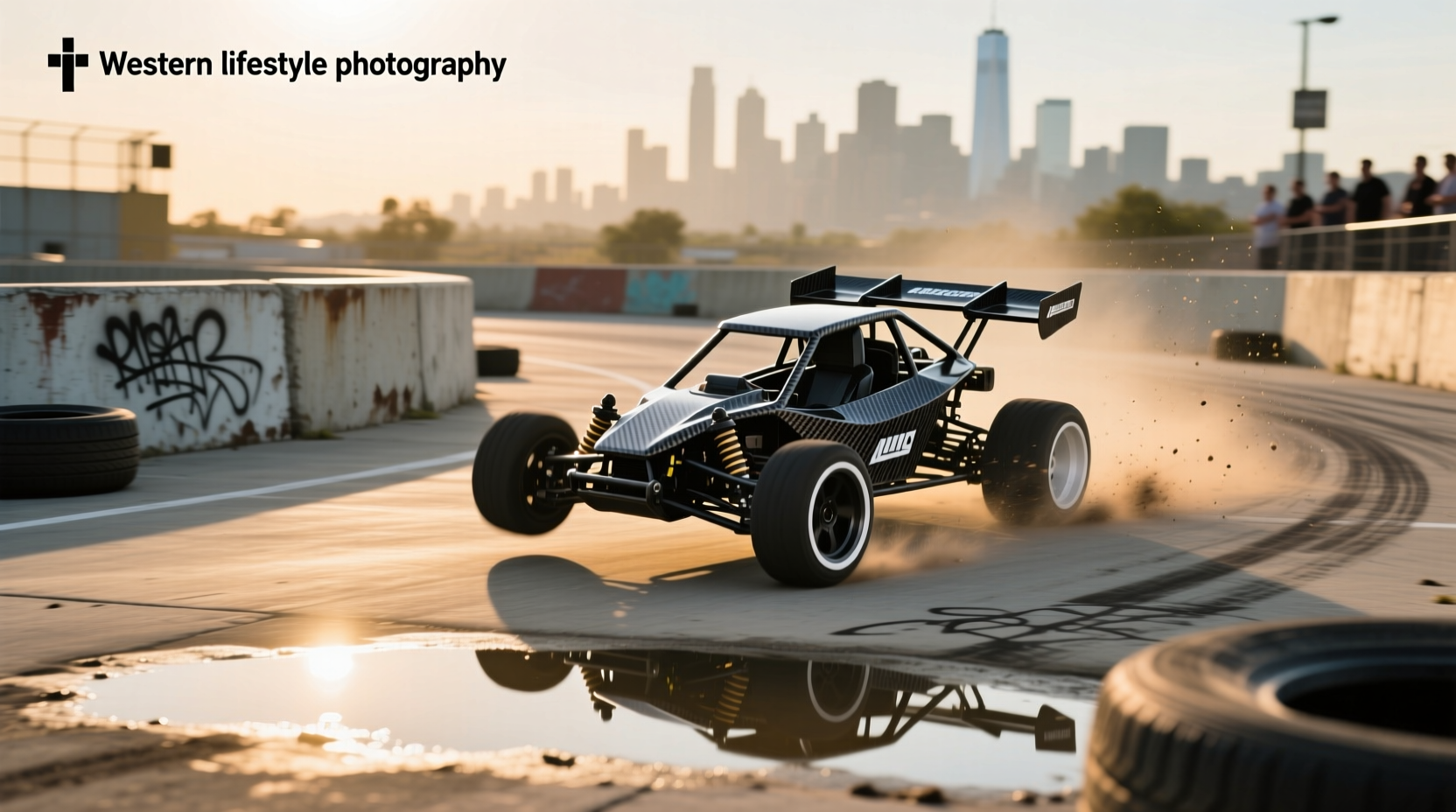
For enthusiasts searching for a mini drift quad frame, the core goal is often building a compact, agile, and durable off-road vehicle capable of controlled drifting—typically using repurposed Chinese ATV frames like Tao Tao or Pocketbike chassis. These lightweight steel or aluminum frames serve as the structural backbone for custom mini quads, allowing hobbyists to modify engine mounts, suspension geometry, and drivetrain layouts for performance handling. Whether you're sourcing a pre-made kit from suppliers on Alibaba.com or fabricating your own from scratch, understanding frame dimensions, material strength, and compatibility with 49cc–125cc engines is critical to a successful build.
Understanding the Mini Drift Quad Frame: Purpose and Design
A mini drift quad frame is not a standard production ATV component but rather a modified or purpose-built chassis designed specifically for small-scale, high-maneuverability vehicles used in recreational drifting, backyard racing, or urban stunting. Unlike full-size ATVs, these frames are engineered for reduced weight, tighter turning radius, and enhanced rear-wheel slip control—key traits for drift dynamics.
Most DIY builders start with a donor frame from a mass-produced mini ATV—commonly referred to as “Chinese quads” due to their origin—and then modify it extensively. Popular models include the Tao Tao 50cc, Xtreme 90cc, or generic 110cc pocket bikes. These come with basic tubular steel frames that can be cut, reinforced, or reconfigured to lower the center of gravity, widen the track width, or accommodate larger tires for better grip and slide control ⚙️.
The term “drift quad” implies intentional oversteer behavior, which requires specific frame geometry adjustments. For example, increasing rear track width beyond stock specs helps stabilize sideways motion, while shortening wheelbase improves turn-in response. Some advanced builds incorporate four-link rear suspensions or independent swingarms, though most entry-level projects use solid axles adapted from go-kart or mini bike components ✅.
Common Materials Used in Mini Drift Quad Frames
When evaluating or constructing a mini drift quad frame, material choice directly impacts durability, weight, and ease of modification:
- Tubular Steel (DOM or Mild): Most factory mini ATVs use mild steel tubing because it's affordable and easy to weld. However, it’s heavier than alternatives and prone to fatigue cracking under repeated stress. For serious builds, especially those aiming for higher speeds or jumps, DOM (Drawn Over Mandrel) steel offers superior strength-to-weight ratio and consistent wall thickness 🛠️.
- Chromoly Steel (4130): A step up in performance, chromoly is favored in professional mini bike and kart racing. It’s lighter and stronger than mild steel, but requires TIG welding and proper heat treatment to maintain integrity. While more expensive, it’s ideal for custom premade mini quad frame kits where precision matters 🔧.
- Aluminum Alloys: Used in some aftermarket frames for weight reduction, aluminum is less common due to lower stiffness and difficulty in welding without specialized equipment. However, CNC-machined aluminum subframes are sometimes added to reinforce steering head or engine mounts on hybrid designs 🌐.
While steel dominates the market, particularly in OEM frames available via global B2B platforms like Alibaba.com, aluminum construction appears mainly in niche, high-end kits marketed toward lightweight agility builds. Always verify material specifications when purchasing a used or new frame—especially if planning engine upgrades beyond stock displacement ⚡.
Sourcing Options: Pre-Made Kits vs. Donor Frames
There are two primary pathways to acquiring a mini drift quad frame: buying a complete kit or modifying an existing ATV chassis. Each has trade-offs in cost, time, and customization potential.
Premade Frame Kits (Plug-and-Play Option)
Companies such as GoPowerSports, CPR Kart Parts, and WIY offer ready-to-assemble mini quad frame kits designed for 49cc–125cc engines. These typically include:
- Laser-cut or bent tubing with precise alignment
- Pre-welded motor mounts and axle brackets
- Integrated brake cable guides and steering stops
- Compatibility charts for common engine types (horizontal/vertical shaft)
Advantages include consistency, reduced fabrication skill requirements, and faster assembly times. These kits often feature improved geometry over stock frames—such as lowered ride height or wider stance—for better drift performance. They may also come CE-certified for compliance in certain regions, though this varies by manufacturer and intended use 📍.
However, premade kits tend to be more expensive—ranging from $600 to over $1,000—and may limit creative modifications. Additionally, availability depends on supplier inventory and shipping logistics, especially for international buyers relying on freight carriers 🚚.
Donor Frame Modifications (DIY-Centric Approach)
Many builders opt to start with a used or new-in-box Chinese ATV frame—such as those found on eBay or YouTube project videos—and customize it themselves. This method allows maximum flexibility:
- Frame can be shortened or stretched for desired wheelbase
- Rear axle housing can be relocated outward to increase track width
- Engine mount position adjusted for optimal weight distribution
- Custom roll bars or footpeg placements added for safety and ergonomics
This route is significantly cheaper—some complete donor quads sell for under $300—but demands intermediate welding and mechanical skills. Common issues include misaligned cuts, poor reinforcement joints, and inadequate grounding before painting, leading to premature rust or failure ❗.
YouTube channels like The Barn Brothers and Grind Hard Plumbing Co have popularized this approach through detailed build logs showing how a mini drift quad built out of a Tao Tao Chinese frame can evolve into a powerful, responsive machine with careful planning and execution ✨.
Key Compatibility Considerations
Before committing to any mini drift quad frame, ensure compatibility across several critical systems:
Engine Mounting Configuration
Engines used in mini quads vary between horizontal-shaft (common in lawn mower-based conversions) and vertical-shaft (standard in most mini ATVs). Frames must match the orientation and bolt pattern. Universal adapter plates exist but add complexity. If upgrading from a 49cc to a 110cc or even 160cc engine, verify frame clearance and whether additional bracing is needed near the transmission area 🔍.
Drivetrain Type: Chain vs. Belt vs. Shaft
Most mini drift quads use chain-driven rear wheels for simplicity and adjustability. The frame must support a rear axle with sprocket alignment and provide tensioning capability. Belt drives require cleaner environments and sealed housings; shaft drives are rare due to space constraints. Check that chain guard routing doesn’t interfere with tire movement during drifts 📊.
Suspension and Wheel Fitment
Stock mini ATV frames usually have limited suspension travel (1–3 inches), which affects traction and bump absorption. Upgraded long-travel A-arms or lifted spindles may require frame notching or reinforcement. Tire size also influences clearance—wider rear tires for drifting might rub against fenders or swingarms unless the frame is widened accordingly 📋.
| Factor | Recommended Spec | Why It Matters |
|---|---|---|
| Frame Material | DOM Steel or Chromoly | Better fatigue resistance under dynamic loads |
| Track Width (Rear) | ≥ 36 inches | Improves lateral stability during drifts |
| Wheelbase | 45–55 inches | Shorter = more agile; longer = more stable |
| Ground Clearance | 4–6 inches | Balances obstacle clearance vs. rollover risk |
| Weight (Dry) | Under 150 lbs | Easier to control during slides |
Regional Standards and Safety Compliance
In Europe and parts of North America, vehicles classified as ATVs—even miniature ones—may fall under regulatory scrutiny depending on speed, power output, and usage environment. Some CE approved mini ATV frames sold on Alibaba.com indicate compliance with EN 16218:2014, a European standard for mini off-road motorcycles. However, CE marking does not automatically mean street legality—it applies primarily to manufacturing safety and emissions during production 🌍.
In the U.S., the Consumer Product Safety Commission (CPSC) regulates ATVs under ANSI/SVIA standards, but enforcement focuses on commercial manufacturers, not DIY builds. Still, operators should consider liability risks, especially if operating on public land or organized tracks. Adding DOT-compliant lights, reflectors, and horn circuits may be necessary for sanctioned events 👥.
Design Pitfalls to Avoid
Even experienced fabricators encounter setbacks when working with mini drift quad frames. Here are common mistakes and how to avoid them:
- Insufficient triangulation: Rectangular tube joints without diagonal bracing create weak points. Always use gussets or truss patterns at high-stress areas like steering head and swingarm pivots 🧰.
- Overlooking weight distribution: Placing too much mass forward increases front grip, making drifting harder. Aim for 55% rear bias by positioning battery, fuel tank, or engine slightly aft 📎.
- Neglecting maintenance access: Fully enclosing components may look clean but complicates routine checks. Leave serviceable zones around spark plug, air filter, and chain tensioner 🧼.
- Ignoring rider ergonomics: Seat height, handlebar reach, and footpeg angle affect control. Test fit all controls before final welding ⏱️.
Cost Breakdown and Budget Planning
Building a functional mini drift quad frame setup involves multiple cost layers:
- Base Frame: $100–$400 (used donor) or $600–$900 (premade kit)
- Engine Upgrade: $200–$600 (e.g., Predator 212cc conversion)
- Suspension Components: $150–$400 (A-arms, shocks, tie rods)
- Tires & Wheels: $100–$300 (slicks or staggered compound sets)
- Brakes & Controls: $80–$200 (disc brake kits, cables, levers)
- Tools & Consumables: $100+ (welding gas, electrodes, cutting discs)
Total project cost typically ranges from $700 (minimalist rebuild) to $2,500+ (high-performance custom). Sourcing parts globally via B2B marketplaces like Alibaba.com can reduce expenses, but factor in shipping delays and import duties ✈️.
Performance Tuning Tips After Assembly
Once your mini drift quad frame is assembled, tuning transforms it from functional to fun:
- Tire Pressure Adjustment: Lower rear pressure (8–10 psi) increases sidewall flex for easier breakaway, while higher front pressure (12–15 psi) maintains steering precision.
- Differential Mod: Welding the rear differential locks both wheels together, forcing simultaneous spin—a key trick for sustained drifts.
- Throttle Response Calibration: Use a throttle stop or governor to prevent sudden lurches that disrupt balance during transitions.
- Ballast Placement: Add small weights behind the seat to fine-tune balance without altering frame structure.
Test in a large, flat, paved area first—parking lots work well. Gradually increase cornering speed while observing handling feedback. Record observations for iterative improvements 📝.
Frequently Asked Questions (FAQs)
- Can I use a go-kart frame instead of a mini ATV frame?
- Yes, but go-kart frames lack suspension and are built for pavement only. Converting one into a mini drift quad frame requires adding off-road capable suspension, larger tires, and possibly a different drivetrain layout. It’s more complex than starting with a mini ATV base.
- What’s the best engine for a mini drift quad?
- The 212cc Predator engine is widely regarded as the top choice due to its reliability, power output (~7 hp), and vast aftermarket support. It fits many 49cc mini quad bike frames with minor modifications to mounting brackets.
- How do I make my mini quad drift better?
- Widen the rear track, lock the differential, reduce rear tire pressure, and shift weight rearward. Practice smooth throttle control and counter-steering inputs to initiate and sustain drifts safely.
- Are mini drift quads legal to ride on public roads?
- No, most jurisdictions classify them as off-highway vehicles (OHVs). Operating on streets, sidewalks, or highways is generally prohibited unless modified to meet local DMV requirements for low-speed vehicles—which is rarely feasible.
- Where can I find plans for building a custom mini quad frame?
- Detailed blueprints are scarce commercially, but community forums like r/gokarts on Reddit and Mini Bike Nation on Facebook share user-generated CAD files and hand-drawn schematics. YouTube build logs also provide visual guidance for replicating proven designs.





 浙公网安备
33010002000092号
浙公网安备
33010002000092号 浙B2-20120091-4