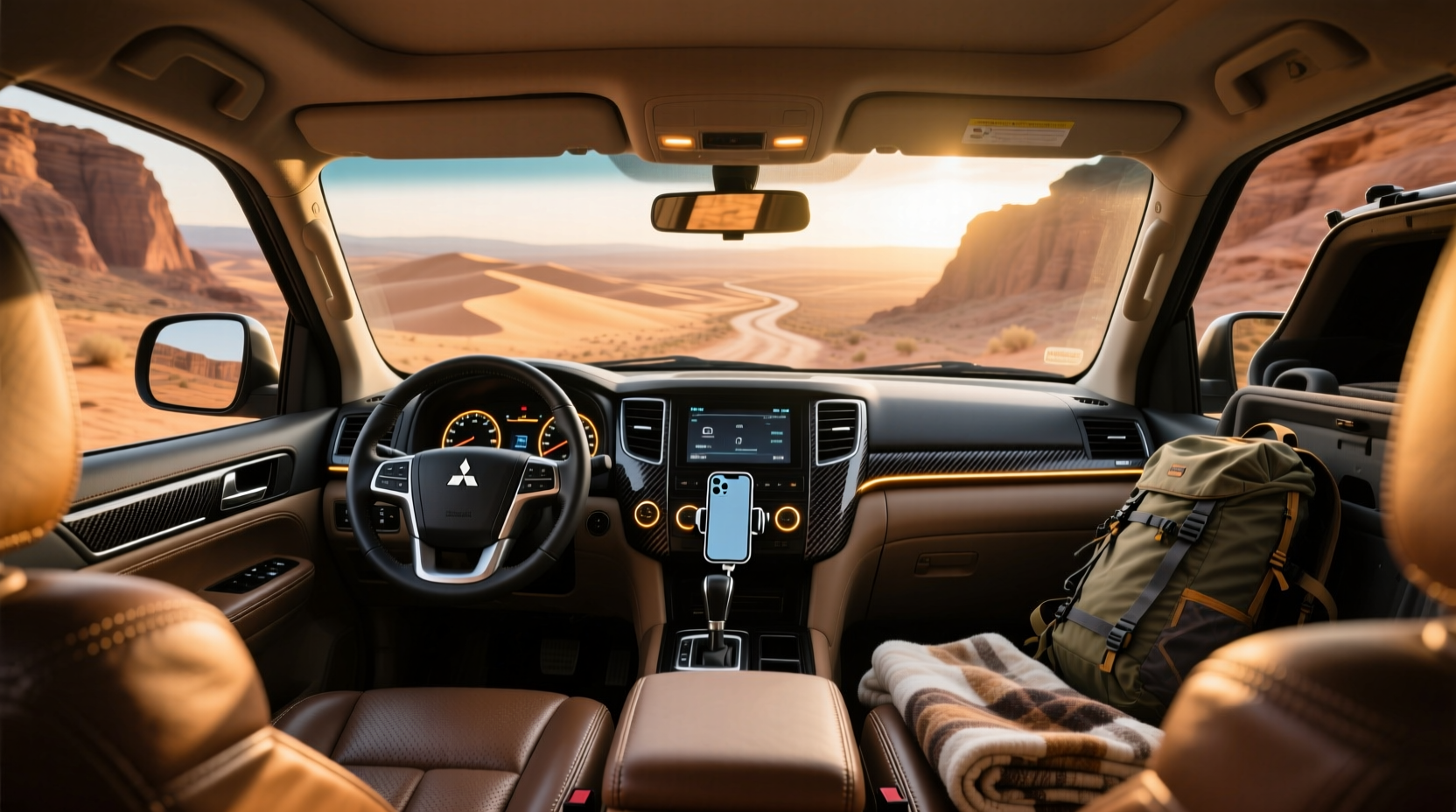
If you're searching for ways to enhance your driving experience through a pajero interior modified setup, you're not alone. Many owners of the Mitsubishi Pajero—especially those using it for off-road adventures, family trips, or overlanding—seek interior modifications to improve comfort, storage, and aesthetics. Whether it's upgrading seats, adding climate controls, installing custom panels, or reconfiguring the 2-3-2 seating layout for better space utilization, tailored changes can significantly boost both functionality and long-term satisfaction1. This guide breaks down everything you need to know about modifying the Pajero cabin, from identifying common pain points to choosing durable materials and avoiding costly mistakes.
Why Modify the Mitsubishi Pajero Interior?
The stock Mitsubishi Pajero (also known as Montero or Shogun in certain markets) offers a spacious, seven-seat SUV platform with solid build quality. However, factory interiors often prioritize durability over modern luxury or personalized ergonomics. Over time, wear on fabric, outdated infotainment systems, limited USB ports, and under-cushioned second-row seating become noticeable drawbacks, especially for frequent drivers or those tackling long-distance routes.
🔧 Common reasons drivers pursue a pajero interior modified approach include:
- Lack of modern tech integration: Older models lack Apple CarPlay, Android Auto, or advanced driver assistance features.
- Wear and tear on high-touch surfaces: Dashboard plastics crack, seat fabrics fade, and door trims loosen after years of use.
- Inadequate cargo and passenger organization: No built-in cup holders, poor storage cubbies, or inflexible seating arrangements.
- Climate discomfort: Single-zone AC isn’t enough for large families; heated or ventilated seats are missing in base trims.
- Aesthetic upgrade needs: Factory color schemes may feel dated or mismatch personal style preferences.
By addressing these issues through thoughtful modification, owners transform their Pajeros into more capable, comfortable, and personalized vehicles without compromising reliability.
Key Areas for Pajero Interior Modification
When planning an interior overhaul, focus on zones that impact daily usability the most. Below are the primary areas where modifications deliver measurable benefits.
✨ Seating Upgrades and Reconfiguration
The Pajero typically comes with a 2-3-2 seating configuration, allowing flexibility for five or seven passengers. But standard cloth seats may lack lateral support, and third-row access can be tight.
Possible modifications:
- Leather or synthetic leather upholstery: Improves durability, ease of cleaning, and perceived luxury. Heat-resistant variants help in hot climates.
- Heated and ventilated front seats: Ideal for regions with extreme temperatures. Kits can be retrofitted into existing seat frames.
- Aftermarket bolstered seats: Sport-style buckets offer better support during off-road driving.
- Second-row captain’s chairs: Replace the bench to create a four-seat layout with enhanced comfort and walk-through access to the rear.
- Third-row folding mechanism enhancement: Install gas struts or reinforced hinges for smoother operation.
⚠️ Note: Changing seat layouts may affect vehicle classification in some countries (e.g., passenger vs. commercial), so verify local regulations before permanent removal of seating rows.
⚙️ Dashboard and Infotainment Modernization
Many older Pajeros come with analog dials and basic AM/FM radios. Upgrading this area enhances safety, convenience, and connectivity.
Recommended upgrades:
- Digital instrument cluster swap: Some tuners offer full LCD replacements that display tire pressure, fuel economy, and navigation prompts.
- Head unit replacement with touchscreen: Units supporting Bluetooth, GPS, reverse camera input, and smartphone mirroring are widely available.
- Steering wheel audio controls retrofit: Retain factory steering wheel functionality with adapter harnesses.
- Interior ambient lighting: LED strips around footwells, doors, and ceiling add visual appeal and nighttime visibility.
📌 Tip: Always disconnect the battery before working near airbag modules or wiring harnesses to prevent accidental deployment.
🛒 Storage and Organization Solutions
Families and adventurers often struggle with clutter. A well-modified interior includes smart storage solutions.
Ideas for improvement:
- Overhead console additions: Mount sunglasses holders, small lights, or even a dashcam behind the mirror.
- Center console organizers: Custom trays fit between front seats for phones, keys, and wallets.
- Under-floor cargo compartments: Utilize space beneath the rear load floor for tools or spare parts.
- Seat-back pockets and nets: Add mesh organizers to second and third rows for kids’ items or snacks.
- Roof-mounted luggage racks (interior): Lightweight rails with hooks for hanging bags when rear seats are folded.
🧼 Material Quality and Durability Enhancements
Factory plastics degrade under UV exposure, especially in sunny regions. Upgrading materials improves longevity and comfort.
Effective strategies:
- Vinyl wrapping of dash and trim: Protects against cracking and allows color customization.
- Carpet replacement with all-weather mats: Rubberized or molded floor liners resist mud, water, and sand—ideal for beach or trail use.
- Sun visor extensions: Block side glare without obstructing vision.
- Noise-dampening insulation: Apply sound-deadening mats to doors, floor, and wheel arches to reduce road noise at highway speeds.
Regional Differences and Model-Year Considerations
The feasibility and design of a pajero interior modified project depend heavily on the model year and market variant. For example:
| Model Variant | Stock Interior Features | Common Modification Paths |
|---|---|---|
| Pajero Gen 4 (2006–2021) | Manual AC, cloth seats, analog gauges | Dash cam integration, leather wrap, roof console |
| Pajero Sport (2015–present) | Dual-zone climate, keyless entry, touch infotainment | Camera system expansion, ambient lighting, captain’s chairs |
| Montero (North America, discontinued) | Higher trim levels with heated seats | Retrofits less needed; focus on preservation |
| Shogun (UK/Europe) | Diesel engine, rugged trim | Heavy-duty flooring, tool mounts, auxiliary switches |
📍 Important: In markets like the Middle East or Australia, where Pajeros are used extensively off-road, modifications often emphasize dust resistance, ventilation, and repairability. In contrast, urban-focused owners in Europe or Japan may prioritize tech integration and minimalist styling.
Step-by-Step: Planning Your Interior Modification
To ensure a successful outcome, follow a structured process:
- Assess current pain points: Keep a log of what frustrates you during drives—e.g., “hard to reach USB port,” “third row too cramped.”
- Set a realistic budget: Prioritize high-impact, low-cost changes first (e.g., floor mats, seat covers).
- Research compatibility: Confirm part numbers match your VIN or chassis code (e.g., V80W for Gen 4).
- Choose DIY vs. professional installation: Electrical work (like adding cameras) is safer when done by certified technicians.
- Document the process: Take photos before disassembly to aid reinstallation.
- Test all systems post-modification: Ensure airbags, seat belts, and electronics function correctly.
Common Mistakes to Avoid
Even experienced modifiers make errors. Here are frequent pitfalls:
- Ignoring ergonomics: Installing large screens or consoles that block HVAC vents or pedal access.
- Using non-fire-rated materials: Cheap foams or wraps can emit toxic fumes in a fire.
- Overlooking weight distribution: Heavy subwoofers or armor kits affect handling and fuel efficiency.
- Voiding warranty: If still under manufacturer coverage, consult dealer policies before major electrical changes.
- Poor wire management: Loose cables can interfere with moving parts like window regulators.
Cost Range and Time Investment
Modification costs vary widely based on scope and region:
| Modification Type | Average Cost (USD) | Time Required |
|---|---|---|
| Seat reupholstery (front pair) | $300–$600 | 8–12 hours |
| Infotainment upgrade | $200–$500 | 4–6 hours |
| Full interior LED lighting | $80–$150 | 2–3 hours |
| Sound deadening + carpet replacement | $400–$900 | 1–2 days |
| Custom center console build | $500–$1,200 | 15–20 hours |
⏱️ Labor rates differ globally—expect higher charges in Western Europe or North America compared to Southeast Asia or Eastern Europe.
Verifying Authenticity and Compatibility
With many aftermarket parts sold online, verifying authenticity is crucial. Look for:
- OEM-style part numbering on packaging
- Compatibility listed with specific model years (e.g., “Fits Pajero 2007–2015”)
- Customer reviews showing real installation photos
- Seller responsiveness to technical questions
🔧 Pro tip: Join Mitsubishi enthusiast forums or Facebook groups to ask members about trusted suppliers and installers in your region.
Environmental and Usage Factors
Your environment shapes which modifications make sense:
- Hot climates: Focus on heat-reflective window tint, ventilated seats, and UV-resistant vinyl wraps.
- Cold regions: Heated seats, insulated flooring, and remote start integration improve winter usability.
- Dusty/sandy areas: Install cabin air filters with higher MERV ratings and seal door gaps with weather stripping.
- Urban commuting: Emphasize connectivity, parking sensors, and compact storage.
- Off-grid travel: Integrate auxiliary batteries, interior power outlets (12V/USB-C), and emergency gear mounts.
FAQs About Pajero Interior Modifications
- Can I install a sunroof in a Pajero that didn’t come with one?
- Yes, but it requires cutting the roof panel and reinforcing the frame. It’s a complex job best handled by professionals due to structural and waterproofing concerns.
- Are there plug-and-play kits for adding Apple CarPlay?
- Yes, several brands offer retrofit head units compatible with Pajero models from 2010 onward. Ensure CAN bus compatibility to retain steering wheel controls.
- How do I clean and maintain leather seats after modification?
- Use pH-balanced leather cleaners every 3–6 months and apply conditioner to prevent drying. Avoid direct sunlight when parked for long periods.
- Will interior modifications affect resale value?
- High-quality, reversible upgrades (e.g., removable consoles) can increase appeal. Poorly executed changes or irreversible cuts may deter buyers.
- Is it possible to convert to a four-seater layout legally?
- In most jurisdictions, removing rear seats is allowed if the vehicle remains within its original gross vehicle weight rating (GVWR). Check local transport authority rules before proceeding.





 浙公网安备
33010002000092号
浙公网安备
33010002000092号 浙B2-20120091-4