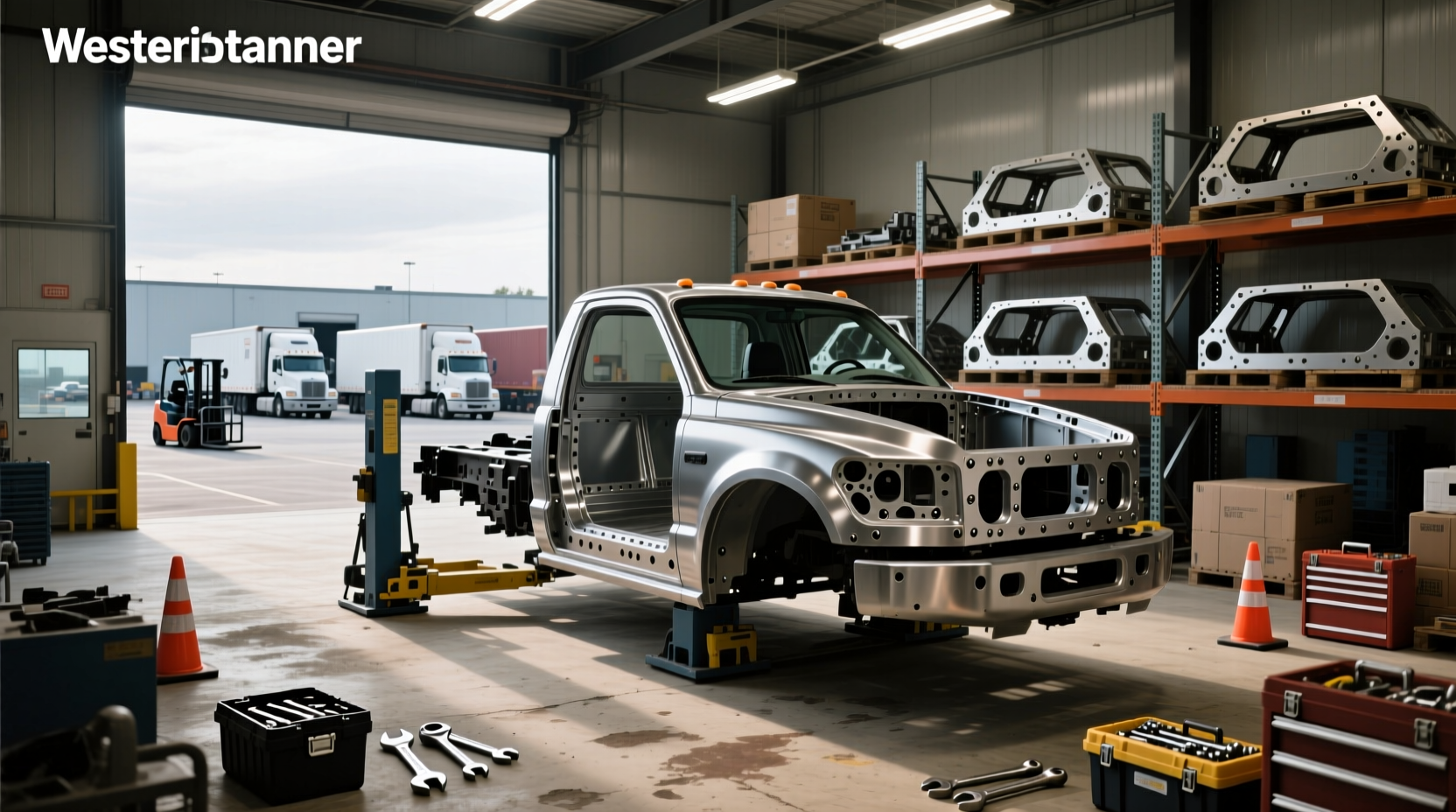
When searching for replacement truck frames, many owners face critical decisions about safety, cost, legality, and long-term value. Whether you're restoring an older model, repairing collision damage, or building a custom chassis cab, choosing the correct frame solution is foundational to your truck’s performance and compliance. This guide breaks down everything you need to know—from identifying when a frame replacement is necessary, evaluating OEM vs. aftermarket options, understanding structural integrity standards, to navigating local regulations and DIY feasibility.
When Do You Need a Replacement Truck Frame?
A truck's frame is its backbone. It supports the engine, cab, bed, suspension, and cargo load. Over time, corrosion, impact damage, or fatigue can compromise this structure. But not every dent or rust spot requires full-frame replacement. Knowing when it's truly needed helps avoid unnecessary expense.
Common signs that suggest a replacement may be necessary:
- Severe rust or pitting in load-bearing sections (especially around mounting points)
- Frame misalignment after an accident (evident through uneven tire wear or steering pull)
- Cracks near stress zones like suspension hangers or engine mounts
- Previous improper welding or patching that compromises structural rigidity
- Desire to convert to a chassis cab for upfitting with specialized bodies
🔧 Tip: If only localized damage exists, some shops offer frame sectioning—cutting out damaged portions and welding in new steel. This can save money but must meet engineering standards to ensure safety.
OEM vs. Aftermarket Replacement Frames: What’s the Difference?
There are two primary sources for replacement truck frames: original equipment manufacturer (OEM) and aftermarket/custom fabricators. Each has pros and cons depending on your use case.
| Factor | OEM Frames | Aftermarket/Custom Frames |
|---|---|---|
| Cost | $$$ (Higher upfront cost) | $$–$$$ (Varies by builder) |
| Fit & Finish | ✅ Exact match to factory specs | ⚠️ May require modifications |
| Availability | Limited to specific models/years | Wider range of configurations |
| Durability | Engineered to original load ratings | Depends on materials and craftsmanship |
| Legal Compliance | Always compliant | Must verify local DMV/FMVSS rules |
OEM frames are typically sourced from salvage yards or dealerships and are ideal if you're aiming for a factory-restored appearance or need to pass strict inspections. However, availability drops significantly for trucks over 15 years old.
Aftermarket solutions—like those from companies such as PB Fab 1 or McLaughlin Body Co. 2—offer flexibility in design, including extended frames, reinforced gusseting, or compatibility with alternative powertrains. These are popular among vocational users converting pickups into utility beds, dump trucks, or camper builds.
Cost of Replacement Truck Frames: What to Expect
The price of a replacement frame varies widely based on type, material, labor, and region. Below is a general breakdown:
- New OEM frame: $1,500 – $4,000+ (rare; often special order)
- Used OEM frame: $500 – $1,800 (depends on condition and mileage)
- Aftermarket fabricated frame: $2,000 – $6,000+ (custom work, includes labor)
- Installation & alignment: $800 – $2,500 (requires heavy lifting and precision)
🛒 Note: While used frames may seem cost-effective, always inspect for hidden corrosion, especially inside boxed rails where moisture traps. A seemingly solid exterior might conceal advanced internal rust.
Additionally, consider indirect costs: towing, downtime, reinstallation of drivetrain components, and potential recalibration of electronic systems (especially on modern trucks with integrated frame sensors).
Is Replacing a Truck Frame Worth It?
❓ “Is it worth replacing a frame on a truck?” — This is one of the most common questions in forums and search engines.
The answer depends on three key factors:
- Vehicle Value vs. Repair Cost: If the repair exceeds 50% of the truck’s market value, replacement may not make financial sense unless sentimental or operational value outweighs cost.
- Extent of Damage: Minor bends can often be pulled back into spec using a frame rack. Full replacements are usually reserved for irreparable corrosion or major structural failure.
- Future Use: Commercial operators relying on daily service may justify higher investment due to uptime needs. Hobbyists restoring classics may accept longer timelines and niche sourcing.
⚡ Real-world example: A 2010 Ford F-350 with moderate rust could see a total frame job cost ~$5,000. With average resale at $7,000–$9,000 (depending on condition), the math may still favor repair—especially if keeping it long-term.
Legal and Safety Considerations
Replacing a truck frame isn’t just mechanical—it’s also regulatory. In the U.S., the National Highway Traffic Safety Administration (NHTSA) defines rules under FMVSS (Federal Motor Vehicle Safety Standards) regarding vehicle identity and structural integrity.
❗ Key points:
- Vehicle Identification Number (VIN): The VIN is typically stamped on the original frame. Swapping to a different frame may raise title issues unless properly documented.
- Title Branding: Some states brand vehicles as “Reconstructed” or “Altered” if the frame is replaced, which affects resale and insurance.
- Inspection Requirements: States like California, New York, and Texas have strict post-repair inspection protocols for structural modifications.
📍 Recommendation: Consult your state’s Department of Motor Vehicles before starting. Some allow frame swaps if the new frame matches original dimensions and load capacity, provided proper documentation accompanies the build.
DIY Frame Replacement: Feasible or Risky?
With rising popularity of DIY truck camper builds and chassis cabs, more enthusiasts attempt frame replacements themselves. Videos on platforms like YouTube showcase projects framing custom cabins or installing bare chassis for conversion purposes 3.
However, successful DIY replacement demands:
- Access to a lift or heavy-duty jack stands
- Frame alignment tools (laser guides or measuring tapes)
- Welding equipment and skill (MIG/TIG preferred)
- Knowledge of suspension geometry and driveline angles
- Safety precautions for handling multi-ton components
🛠️ Reality check: Misaligned frames lead to poor handling, premature wear, and unsafe driving conditions. Even small deviations (<5mm) can affect steering response and braking stability.
If attempting DIY, consider partial assistance from a professional shop—for final alignment checks or component reinstallation. Many garages offer hourly rates for technical oversight without taking over the entire job.
Finding Replacement Truck Frames: Where to Look
Several avenues exist for sourcing frames, each with trade-offs:
- Local Salvage Yards: Best for OEM-compatible frames. Inspect thoroughly for corrosion and prior damage.
- Online Marketplaces: eBay Motors, Facebook Marketplace, and specialty forums list both used and new-old-stock frames.
- Specialty Fabricators: Companies like Custom Truck One Source 4 provide stock and customizable frames for commercial applications.
- International Suppliers: Alibaba lists numerous global suppliers offering cabin frames and complete assemblies, particularly for Isuzu, Mercedes-Benz, and other international models 5. Exercise caution: verify material specs, shipping costs, and import duties before ordering.
🌐 Tip: When buying internationally, request mill test reports for steel grade (e.g., ASTM A36 or high-strength low-alloy HSLA) to confirm durability.
Truck Frame Types and Compatibility
Not all frames are interchangeable—even within the same brand. Key variables include:
- Frame Rail Design: Ladder-type (common in pickups), perimeter (some SUVs), or X-frame (older designs)
- Rail Height and Width: Must match suspension and body mounts
- Crossmember Configuration: Position affects transmission, fuel tank, and axle clearance
- GVWR Rating: Never downgrade frame strength below original Gross Vehicle Weight Rating
📌 Always cross-reference part numbers, blueprints, or CAD models when substituting frames. Mismatched dimensions can prevent body installation or cause driveline vibrations.
Maintenance Tips to Extend Frame Life
Prevention beats replacement. To protect your truck’s frame:
- Regular washing: Especially underneath during winter months to remove road salt.
- Undercoating: Apply rubberized undercoating every 2–3 years to shield against moisture.
- Inspect drain holes: Ensure they’re unblocked so water doesn’t pool inside frame rails.
- Address stone chips promptly: Touch up paint breaks to prevent rust initiation.
🧼 Pro tip: Use a borescope camera to inspect the interior of boxed frames annually. Internal corrosion is a leading cause of sudden failures.
Myths About Truck Frame Replacement
Let’s clarify some widespread misconceptions:
- Myth: “Any straight steel rail can replace a truck frame.”
- Truth: Frames are engineered for torsional rigidity, weight distribution, and crash energy management. Generic steel won’t suffice.
- Myth: “You can legally drive any rebuilt frame as long as it looks solid.”
- Truth: Legal operation requires compliance with federal and state safety codes. Non-compliant builds risk failed inspections or liability in accidents.
- Myth: “Frame replacement automatically totals a vehicle.”
- Truth: Insurance companies assess overall repair cost vs. value. Frame damage alone doesn’t equal a total loss.
Final Recommendations
Deciding whether to pursue a replacement truck frame involves balancing safety, legality, cost, and intended use. For most consumers, repairing minor frame issues is preferable to full replacement. However, when corrosion or damage is extensive—or when converting to a chassis cab platform—a new or custom frame becomes essential.
Before proceeding:
- Evaluate the truck’s current and future value
- Get multiple quotes from qualified shops
- Verify local registration requirements
- Choose materials and designs that match or exceed OEM specifications
Whether you’re rebuilding a vintage pickup or creating a mobile workshop on a bare chassis, making informed choices ensures reliability, safety, and compliance.
Frequently Asked Questions
- Can I replace a truck frame myself?
- Yes, but only with proper tools, space, and mechanical knowledge. Frame alignment is critical—mistakes can make the vehicle unsafe. Consider professional help for measurement and final checks.
- Is it legal to drive a truck with a replaced frame?
- Yes, if done correctly and documented. Most states require inspection and may update the title status (e.g., "Reconstructed"). Always check with your local DMV.
- How much does it cost to replace a truck frame?
- Total costs typically range from $2,000 to $7,000+, including parts and labor. Used OEM frames start around $500, while custom builds can exceed $6,000.
- Are aftermarket truck frames reliable?
- Reliability depends on the manufacturer and build quality. Reputable fabricators use high-grade steel and follow engineering standards. Always request proof of material specs and weld certifications.
- What is a chassis cab truck?
- A chassis cab comes without a traditional pickup bed, designed for upfitting with utility bodies, campers, or equipment. It features a strengthened frame and often has extra wiring and mounting points.





 浙公网安备
33010002000092号
浙公网安备
33010002000092号 浙B2-20120091-4