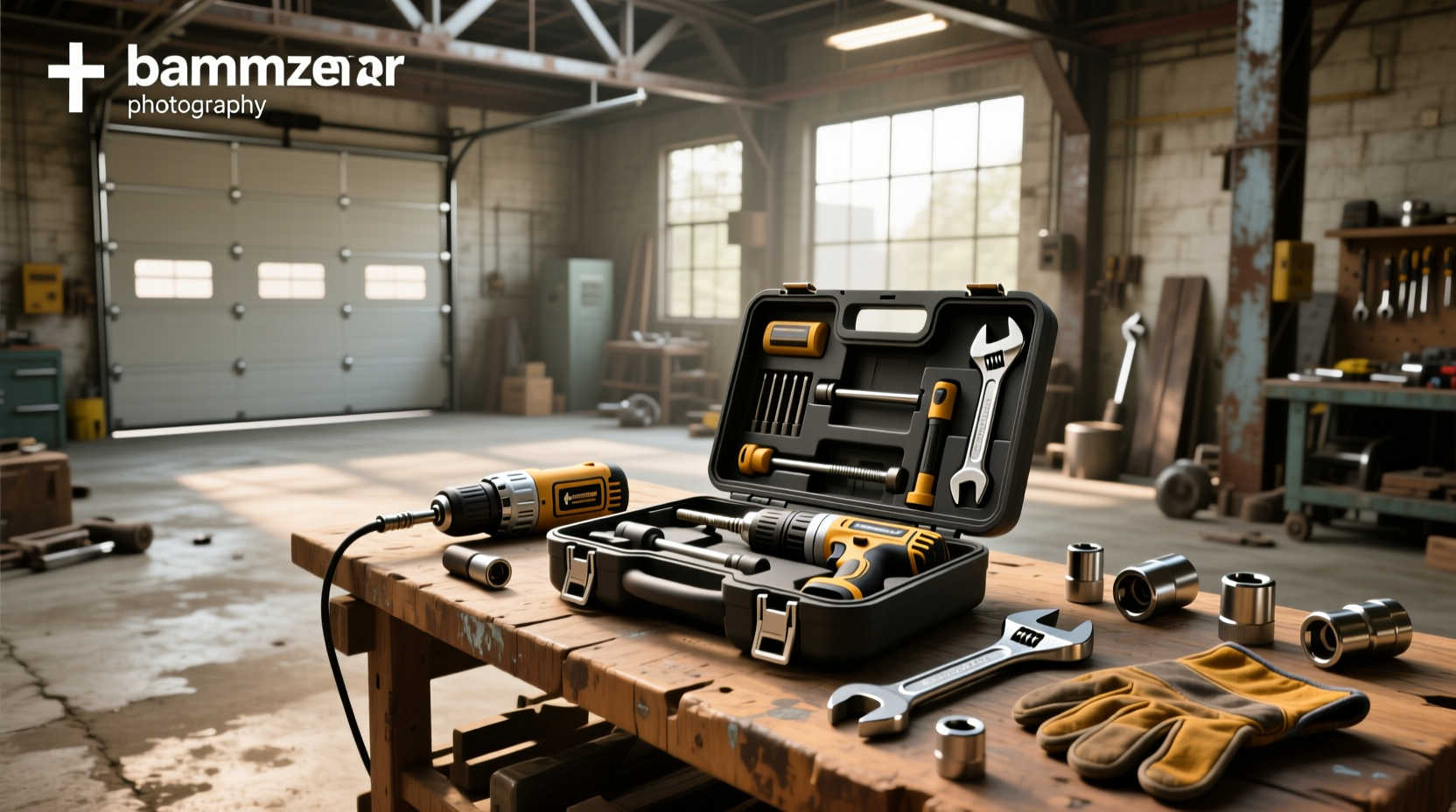
If you're tackling suspension work like replacing struts or servicing shock absorbers, having the right shock tool kit can make the difference between a safe, efficient job and a dangerous, frustrating one. Many DIYers search for a universal shock absorber tool or wonder whether they can manage without specialized equipment—especially when working on MacPherson struts or coilover assemblies. The truth is, using improper methods or skipping critical tools like a strut compressor or shock spanner wrench can lead to serious injury or vehicle damage. This guide breaks down everything you need to know about shock tool kits: what’s included, which types work best for different vehicles, and how to avoid common pitfalls during installation or removal.
Why You Need a Proper Shock Tool Kit
🔧 Replacing shocks or struts isn’t as simple as unbolting old parts and bolting in new ones. On most modern vehicles—especially those with independent front suspension—you’re dealing with tightly compressed coil springs that store immense energy. Without proper tools, releasing this pressure is extremely hazardous.
For example, attempting to remove a strut assembly without compressing the spring first can cause the spring to launch violently once tension is released. This risk is why manufacturers design specific procedures requiring dedicated tools such as coil spring compressors, shock holding fixtures, and nut adapters for seized top mounts.
A complete shock tool kit addresses these safety concerns while also improving precision and reducing labor time. Whether you're maintaining a sedan, SUV, or performance vehicle, understanding the components of a proper kit helps ensure your repair is both effective and safe.
Common Components Found in a Shock Tool Kit
Not all shock tool kits are created equal. Some are designed for basic tasks like removing stubborn nuts, while others offer full-service capabilities for disassembling and rebuilding struts. Here's a breakdown of typical tools included:
- Coil Spring Compressors: These are essential for safely compressing the spring before separating the strut mount from the knuckle. They come in various styles—ratcheting cable, screw-driven, or hydraulic—and must be compatible with your vehicle’s spring diameter and length.
- Strut Nut Socket Sets: Top-mount nuts on struts often have non-standard sizes (e.g., 21mm, 24mm, or spline drives) and can seize due to corrosion. Universal socket kits include multiple adapters to fit different OEM designs.
- Shock Holding Tools: Prevent the shock shaft from rotating during nut removal. Without this, you risk damaging internal components or failing to loosen the fastener.
- Strut Spreader Tools: Used to separate the control arm from the steering knuckle when accessing lower ball joints or rear shocks in tight spaces.
- Universal Joint Extensions & Swivels: Help reach awkwardly positioned bolts, especially on vehicles with limited underhood access.
- Top Mount Bearing Presses: For pressing out worn bearings or bushings when rebuilding strut assemblies—common in European cars like BMW or Audi.
Some advanced kits combine several functions into modular systems, allowing users to adapt the same base tool for multiple applications across different makes and models.
Different Types of Shock Tool Kits by Use Case
⚙️ Not every vehicle requires the same tools. Your choice should depend on the type of suspension system, frequency of repairs, and whether you plan to rebuild shocks or just replace them.
Basic DIY Kits ($15–$60)
🛒 Ideal for occasional home mechanics who only replace shocks every few years. These typically include:
- Universal shock absorber wrench (fits common shaft sizes)
- One or two specialty sockets for top nuts
- Simple spring clamps (not recommended for high-load applications)
⚠️ Caution: Many budget kits use low-grade steel or plastic components that may fail under stress. Always inspect materials and load ratings before use.
Mid-Range Service Kits ($70–$200)
🛠️ Designed for enthusiasts or part-time shops performing regular maintenance. Often includes:
- Fully adjustable coil spring compressors (twin-screw style preferred)
- Multipiece socket sets covering domestic, Asian, and European vehicles
- Shaft locking tools with ergonomic handles
- Alignment guides to prevent binding during reassembly
These kits strike a balance between cost and durability, using heat-treated chrome vanadium steel and meeting industry safety standards.
Professional-Grade Systems ($250+)
🏭 Used by repair shops handling high volumes or performance builds. Features may include:
- Modular strut taming systems that hold the entire assembly securely
- Integrated bearing presses and seal drivers
- Digital torque monitoring accessories
- Compatibility with nitrogen charging setups for performance dampers
Such systems save significant labor time and reduce the risk of human error, making them cost-effective over hundreds of services.
Vehicle-Specific Considerations
📍 While many tools claim to be “universal,” real-world fitment varies widely. For instance:
- Japanese sedans (Toyota, Honda): Often use standard metric fasteners but require precise spring compression due to compact strut designs.
- German vehicles (BMW, Mercedes): Frequently feature splined top mounts and integrated bearing plates needing special pullers and presses.
- American trucks (Ford F-Series, Ram): May have larger-diameter springs requiring heavy-duty compressors rated above 2,000 lbs.
- SUVs and crossovers: Tight engine bays limit tool clearance; swivel-head compressors or offset wrenches help navigate confined spaces.
Always verify compatibility with your vehicle’s year, make, model, and trim before purchasing a kit. Manufacturer documentation or repair databases like Alldata or Mitchell1 can confirm required tools.
Safety First: Risks of Using Improvised Methods
❗ One of the most frequent questions online is: “Can I replace shocks without a special tool?” Technically, yes—but it's not advisable.
Using makeshift solutions like vise grips on the shock shaft or relying solely on floor jack support creates unacceptable risks:
- Spring ejection: If a coil spring slips during decompression, it can penetrate walls or injure bystanders.
- Bolt stripping: Seized top nuts require steady torque application; improvised tools often round corners or cam out.
- Internal damper damage: Rotating the shock rod during disassembly damages seals and voids warranties.
The National Institute for Automotive Service Excellence (ASE) recommends using purpose-built tools for any suspension work involving loaded springs1. Investing in a reliable shock tool kit isn't just about convenience—it's a fundamental safety requirement.
How to Choose the Right Shock Tool Kit
✅ Selecting the appropriate kit depends on several factors beyond price. Use this checklist to evaluate options:
| Evaluation Factor | What to Look For | Red Flags |
|---|---|---|
| Material Quality | Heat-treated steel, chrome plating, reinforced joints | Plastic gears, thin metal, unclear material specs |
| Compatibility | Listed vehicle coverage, adjustable arms, multiple sockets | Vague claims like "fits most cars" |
| Safety Certification | Meets ANSI or ISO standards, load-tested | No certification mentioned |
| User Reviews | Detailed feedback on real-world use, longevity | Only short, generic praise |
| Warranty & Support | At least 1-year warranty, accessible customer service | No return policy or contact info |
Also consider storage and portability. Larger kits may require dedicated cases or wall-mounted organizers, especially if used in shared garages.
Step-by-Step: Using a Shock Tool Kit Safely
⏱️ Follow this general procedure when servicing struts or shocks:
- Secure the Vehicle: Jack up the car and support it on jack stands. Remove the wheel.
- Pre-Compress the Spring: Attach twin-screw compressors evenly around the coil spring. Tighten gradually and symmetrically.
- Remove the Top Mount Nut: Use a shock holding tool to lock the shaft, then apply the correct socket with a breaker bar or impact wrench.
- Disassemble the Strut: Once the nut is off, carefully remove the upper mount, dust cap, and spring.
- Inspect Components: Check for worn bushings, cracked rubber, or leaking fluid.
- Reassemble in Reverse Order: Lubricate threads, torque to spec, and slowly release compressors.
Never rely on memory—always consult a factory service manual for torque values and sequence instructions.
Can You Rent Instead of Buy?
👥 Yes, renting a shock tool kit is a viable option if you only perform suspension work occasionally. Auto parts stores like O'Reilly Auto Parts or NAPA offer loaner programs where you pay a deposit and return the tools after use.
Advantages:
- No long-term storage needed
- Access to professional-grade equipment at low cost
- Support included if you have questions
- Limited availability depending on location
- Rental period may not allow for unexpected delays
- Potential damage fees if tools aren’t returned clean
DIY vs. Professional Repair: When to Call a Shop
🚗 While a shock tool kit empowers DIYers, some situations call for professional expertise:
- You lack experience with suspension systems
- The vehicle has adaptive damping or air suspension
- There are signs of structural damage or alignment issues
- You don’t own necessary lifting equipment (e.g., post lift)
In these cases, even having the best tools won’t compensate for missing diagnostic capabilities or calibration software. Modern vehicles often require post-replacement alignment and electronic resets, adding complexity beyond mechanical replacement.
Environmental and Longevity Factors
🌍 Where you live affects both tool selection and usage frequency. In regions with harsh winters and road salt, fasteners corrode faster, increasing the need for penetrating oils and anti-seize compounds during reassembly. Coastal areas face similar challenges due to humidity and salt spray.
Additionally, driving conditions influence wear rates. Off-road use or frequent towing accelerates shock deterioration, meaning more frequent replacements—and thus greater justification for investing in a durable tool kit.
Debunking Common Myths About Shock Tools
🔍 Misinformation spreads easily online. Let’s clarify a few misconceptions:
- Myth: Any socket works for the top nut. Reality: Many OEMs use unique spline or triple-square drives. Standard sockets will slip and damage the fastener.
- Myth: Spring compressors aren’t needed if you support the knuckle. Reality: Internal spring tension remains until fully uncompressed. Supporting the knuckle doesn’t eliminate stored energy.
- Myth: Impact wrenches always speed up the job. Reality: On seized nuts, excessive force can break mounting studs or damage threads. Controlled heat and steady torque are safer.
Final Recommendations
✨ Choosing the right shock tool kit comes down to matching your needs with the right level of capability. For infrequent users, a mid-range universal kit offers good value and safety. Enthusiasts rebuilding performance dampers benefit from modular, precision-engineered systems. And for one-time jobs, rental programs provide affordable access without long-term commitment.
Regardless of path, prioritize safety, compatibility, and build quality over price alone. Suspension components affect handling, braking, and occupant safety—cutting corners here risks far more than money.
Frequently Asked Questions
- Do I really need a special tool to replace shock absorbers?
- Yes, especially if the design includes a coil spring under tension. Specialized tools like spring compressors and shaft holders prevent injury and component damage during disassembly.
- Can I use a regular socket to remove the strut top nut?
- Not reliably. Many vehicles use non-standard drive types (spline, triple-square, or large hex). Using an incorrect socket can strip the nut, making removal much harder.
- Are cheap shock tool kits worth buying?
- Budget kits may work for light-duty applications but often lack durability and safety certifications. For anything beyond rare use, invest in higher-quality tools made from forged steel.
- What’s the difference between a strut and a shock absorber?
- A shock absorber only controls spring movement, while a strut is a structural part of the suspension that combines a shock and coil spring in one unit. Struts require more complex tools for service.
- Can I rebuild a shock absorber myself?
- Rebuilding requires specialized seals, oil, and gas-charging equipment. Most consumer-grade kits don’t support full rebuilds—only replacement or disassembly for inspection.





 浙公网安备
33010002000092号
浙公网安备
33010002000092号 浙B2-20120091-4