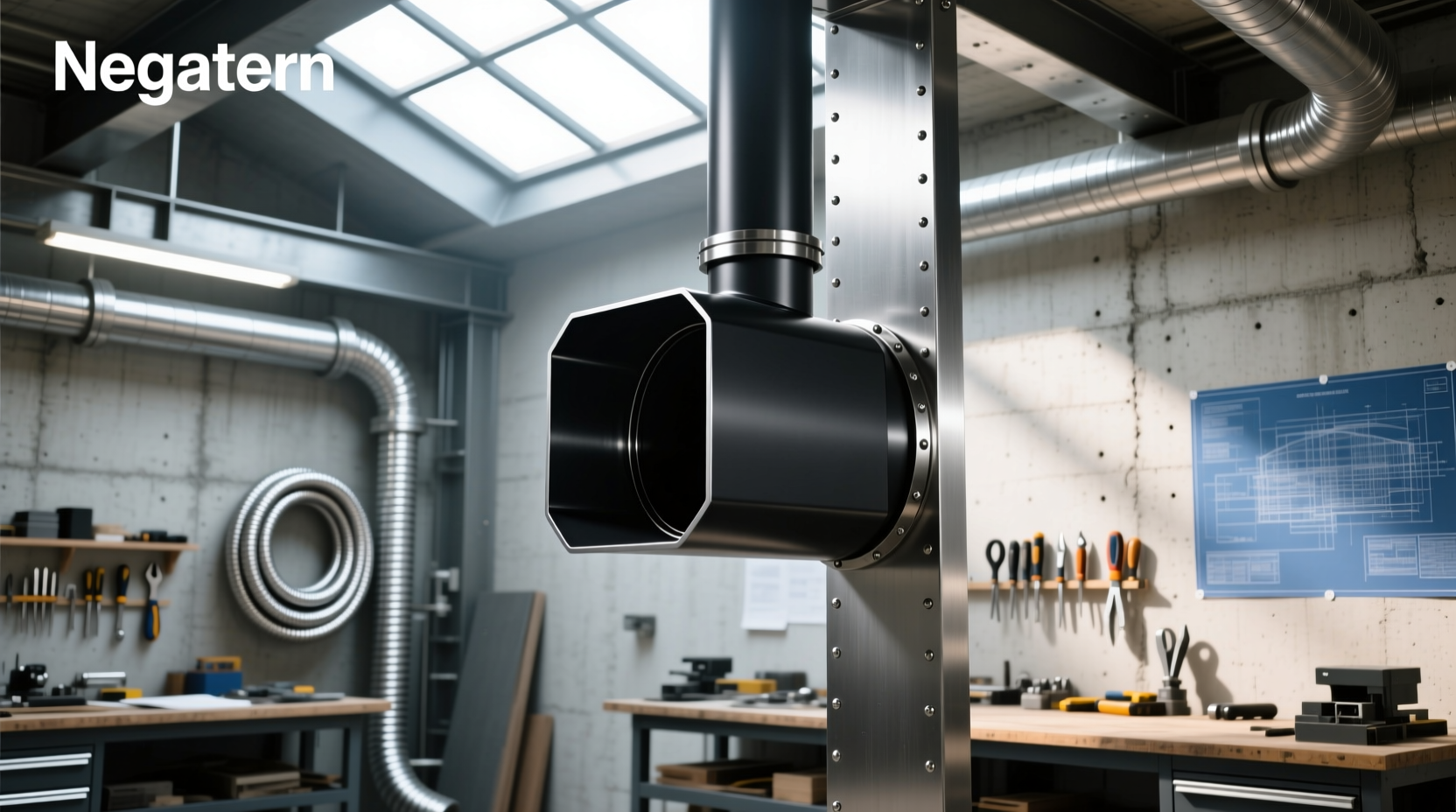
When upgrading your vehicle's rear aesthetics or fine-tuning its exhaust note, one of the most visible and impactful modifications is installing a square exhaust pipe tip. Unlike traditional round tips, square (or rectangular) exhaust tips offer a distinct, aggressive look that enhances the visual balance of modern bumpers and diffusers. While they don’t significantly alter engine performance, these aftermarket components play a key role in defining your car’s personality — both visually and acoustically. Whether you're searching for a universal fit, dual-wall construction, or a specific inlet size like 2.25" or 2.5", understanding the differences between types, materials, and installation methods is essential before making a purchase.
Why Drivers Choose Square Exhaust Pipe Tips
One of the main reasons drivers opt for square-shaped exhaust tips is styling. Modern vehicles, especially performance sedans, trucks, and SUVs, often feature angular body lines, integrated diffusers, and squared-off rear valances. A square or rectangular exhaust tip aligns better with this design language than a circular one, creating a cleaner, more factory-integrated appearance.
For example, many factory-installed systems on models like certain Ford F-150 trims, Dodge Chargers, or Jeep Compass variants come with OEM square tips. This original equipment trend has fueled demand for aftermarket versions that either replace worn tips or upgrade from smaller round ones to bolder square designs.
Beyond aesthetics, some users believe square tips can influence exhaust tone. While the tip itself doesn’t change backpressure enough to impact horsepower or torque, it can slightly modify the sound profile — typically making it sharper or more resonant at higher RPMs due to airflow dynamics at the exit point 1.
Types of Square Exhaust Tips: Single vs Dual, Angle-Cut vs Straight
Not all square exhaust tips are created equal. The market offers several configurations based on shape, orientation, wall thickness, and mounting method. Understanding these categories helps avoid compatibility issues and ensures proper fitment.
Single vs Dual Outlet
A single square exhaust tip is designed for vehicles with one exhaust pipe exiting the muffler. It's common on four-cylinder cars, base-model trucks, and many European sedans. These tips usually have a round inlet (e.g., 2.25" or 2.5") that transitions into a square or rectangular outlet (e.g., 3" x 5.5").
In contrast, a dual square exhaust tip setup involves two separate tips — one for each side of a true dual exhaust system. Some products sold as "dual" are actually single units with two outlets, meant to fit over a Y-pipe or H-pipe configuration. True dual setups provide better flow symmetry and are preferred on V6 and V8 engines.
| Feature | Single Tip | Dual Tip |
|---|---|---|
| Exhaust System Type | Single exhaust | Dual exhaust |
| Typical Inlet Size | 2.25" – 2.5" | 2.25" per side |
| Outlet Shape | Square / Rectangle | Square / Rectangle (per side) |
| Installation Method | Clamp-on or weld-on | Clamp-on or weld-on (each side) |
| Common Use Case | 4-cylinders, compact SUVs | V6/V8 performance vehicles |
Angle-Cut vs Straight Cut
The cut style affects both appearance and minor aerodynamic properties. An angle-cut square exhaust tip features a diagonal termination (usually 45 degrees), giving it a sportier, more dynamic look. These are popular in JDM-inspired builds and track-focused mods.
On the other hand, a straight-cut square exhaust tip ends perpendicular to the pipe axis, offering a clean, boxy finish. This style tends to be more common on OEM applications and luxury vehicles where subtlety is valued.
Rolled Edge vs Flat Edge
Rolled-edge tips have their outer lip curved outward, which improves durability and gives a polished, premium appearance. They also reduce sharp edges that could accumulate soot or rust faster. Flat-edge tips are simpler to manufacture and often less expensive but may show wear sooner.
Material Matters: 304 vs 316 Stainless Steel
Most high-quality square exhaust tips are made from stainless steel, but not all stainless steels are equal. Two grades dominate the market: 304 stainless steel and 316 stainless steel.
304 is the most widely used grade due to its excellent corrosion resistance, lustrous polish, and affordability. It contains chromium and nickel, protecting against rust under normal conditions. However, in coastal areas or regions using road salt, 304 may develop surface pitting over time.
316 stainless includes molybdenum, which significantly enhances resistance to chlorides and marine environments. If you live near the ocean or drive through winter-salted roads frequently, 316 is worth the extra cost despite being heavier and more expensive.
Avoid chrome-plated tips unless they’re layered over stainless steel. Cheap chrome coatings can peel, flake, or turn blue from heat exposure, degrading both appearance and function 2.
Finding the Right Fit: Universal vs Vehicle-Specific
There are two primary paths when buying a square exhaust tip: universal fit and vehicle-specific (OEM replacement).
Universal Square Exhaust Tips
These are designed to fit a range of vehicles using adjustable clamps or slip-fit connections. Most universal models specify an inlet diameter (e.g., 2.25", 2.5") and require minor modification during installation. Advantages include lower cost and wide availability. However, achieving a perfect alignment and leak-free seal requires careful measurement and sometimes welding.
Key specs to match:
- Inlet diameter: Must match your existing tailpipe outer diameter
- Outlet dimensions: Determines visual impact (common sizes: 3" x 5.5", 4" x 2")
- Length: Ranges from under 6.5" to over 9.5" long; longer tips extend further past the bumper
- Mounting type: Clamp-on (bolted), weld-on, or insert-and-weld
Vehicle-Specific Replacement Tips
If your factory square tips are damaged or corroded, OEM-style replacements ensure exact fitment without fabrication. For instance, some Jeep Wranglers and Corvettes use proprietary square tips that integrate with the rear fascia. Aftermarket suppliers offer direct swaps with improved materials (e.g., 304SS instead of aluminized steel).
While pricier, these eliminate guesswork and maintain factory aesthetics. Always verify compatibility using your VIN or year/make/model/engine combination.
Installation Options: Clamp-On vs Weld-On
How a square exhaust tip attaches impacts both permanence and ease of removal.
Clamp-On (Bolt-On) Tips ✅
These use a stainless steel band clamp to secure the tip over the tailpipe. Pros include:
- No welding required
- Removable for maintenance or resale
- DIY-friendly with basic tools
Weld-On Tips 🔧
Permanently fused to the exhaust system, weld-on tips offer superior stability and a seamless look. Ideal for:
- Track vehicles
- Custom exhaust builds
- Enthusiasts prioritizing clean finish
Performance Myths vs Reality
Many assume that changing exhaust tips alters performance. Let’s clarify:
Do Square Exhaust Tips Increase Horsepower? ❌
No. A tip alone does not reduce backpressure enough to generate measurable power gains. Real improvements come from full cat-back or axle-back systems with larger piping and freer-flowing mufflers.
Can They Change the Sound? ⚠️
Marginally. A larger outlet may slightly increase volume and sharpen the tone, especially at high RPMs. But the effect is subtle — more about resonance than fundamental exhaust tuning. For noticeable changes, consider modifying the muffler or resonator.
Are They Louder Than Round Tips? 📊
Not inherently. Volume depends on internal baffling, pipe diameter, and muffler design. However, the square shape can create turbulence at the exit, leading to a crisper, edgier sound compared to smooth round exits.
Legal and Environmental Considerations
In many jurisdictions, modifying exhaust systems falls under noise and emissions regulations. While adding a tip is generally legal, local laws may restrict:
- Sound levels: Measured in decibels at idle or drive-by tests
- Ground clearance: Extended tips must not protrude below bumper level
- Emissions tampering: Removing catalytic converters invalidates legality regardless of tip type
Cost Range and Value Factors
Square exhaust tips vary widely in price — from under $15 to over $300. What drives the difference?
- Material quality: 304SS costs more than aluminized steel
- Wall thickness: Double-wall construction resists denting
- Finish: Mirror-polished lasts longer than brushed or painted
- Brand reputation: Established brands invest in precision tooling
- Fitment specificity: OEM-replacement parts command premium pricing
You can find functional universal tips for $20–$50. High-end branded options (like those with angle cuts and rolled edges) range from $70–$150. True dual systems or custom-fit pieces exceed $200.
Common Pitfalls to Avoid When Buying
To prevent disappointment, watch out for these issues:
Mismatched Inlet Size 🚫
Buying a 2.5" tip for a 2.25" pipe leads to gaps or improper fit. Measure your tailpipe’s outer diameter with calipers before ordering.
Poor Alignment with Bumper Cutout 🚫
Some square tips extend too far or sit unevenly. Check product photos showing real installations on similar vehicles.
Thin Wall Construction 🚫
Single-wall tips under 1mm thick dent easily and degrade faster. Opt for double-wall or thick-gauge single-wall designs.
Peeling Chrome Coating 🚫
Cheap plating burns off quickly. Stick with polished stainless unless the chrome layer is verified to be PVD-coated.
Maintenance Tips for Longevity
To keep your square exhaust tip looking new:
- Clean regularly with mild soap and water
- Use stainless steel polish every few months
- Avoid pressure washing directly at the seam
- Inspect clamps annually for tightness
- Apply ceramic coating for added heat and UV protection
Where to Buy and What to Look For Online
When shopping online, prioritize sellers who provide:
- Clear dimensional diagrams
- Real customer photos
- Return policies for fitment issues
- Material certification (e.g., “304 stainless steel”)
- Compatibility filters by vehicle make/model
Final Thoughts: Is a Square Exhaust Tip Right for You?
A square exhaust pipe tip is primarily a cosmetic upgrade that enhances your vehicle’s rear-end presence. It works best when matched correctly to your exhaust diameter, bumper design, and personal style preferences. Whether you choose a budget-friendly universal model or a precise OEM replacement, focus on material quality, fitment accuracy, and durability over flashy claims of performance gains.
If you want a cleaner, more aggressive look without major mechanical changes, a well-chosen square tip delivers immediate visual payoff. Just remember: measure twice, buy once, and install carefully for lasting satisfaction.
Frequently Asked Questions
- Can I install a square exhaust tip myself?
- Yes, clamp-on models can be installed with basic tools like wrenches and screwdrivers. Weld-on versions require professional help.
- Do square exhaust tips make the engine louder?
- Only slightly. Any volume change is minimal and mostly affects high-RPM tone, not overall loudness.
- Which is better: 304 or 316 stainless steel for exhaust tips?
- 316 offers superior corrosion resistance, especially in salty or coastal environments. For most inland drivers, 304 provides excellent value and longevity.
- Are square exhaust tips legal?
- Yes, as long as they don’t violate local noise ordinances or involve removing emission controls like catalytic converters.
- How do I measure for a square exhaust tip?
- Use calipers to measure the outer diameter of your current tailpipe. Also note the desired outlet size and extension length beyond the bumper.





 浙公网安备
33010002000092号
浙公网安备
33010002000092号 浙B2-20120091-4