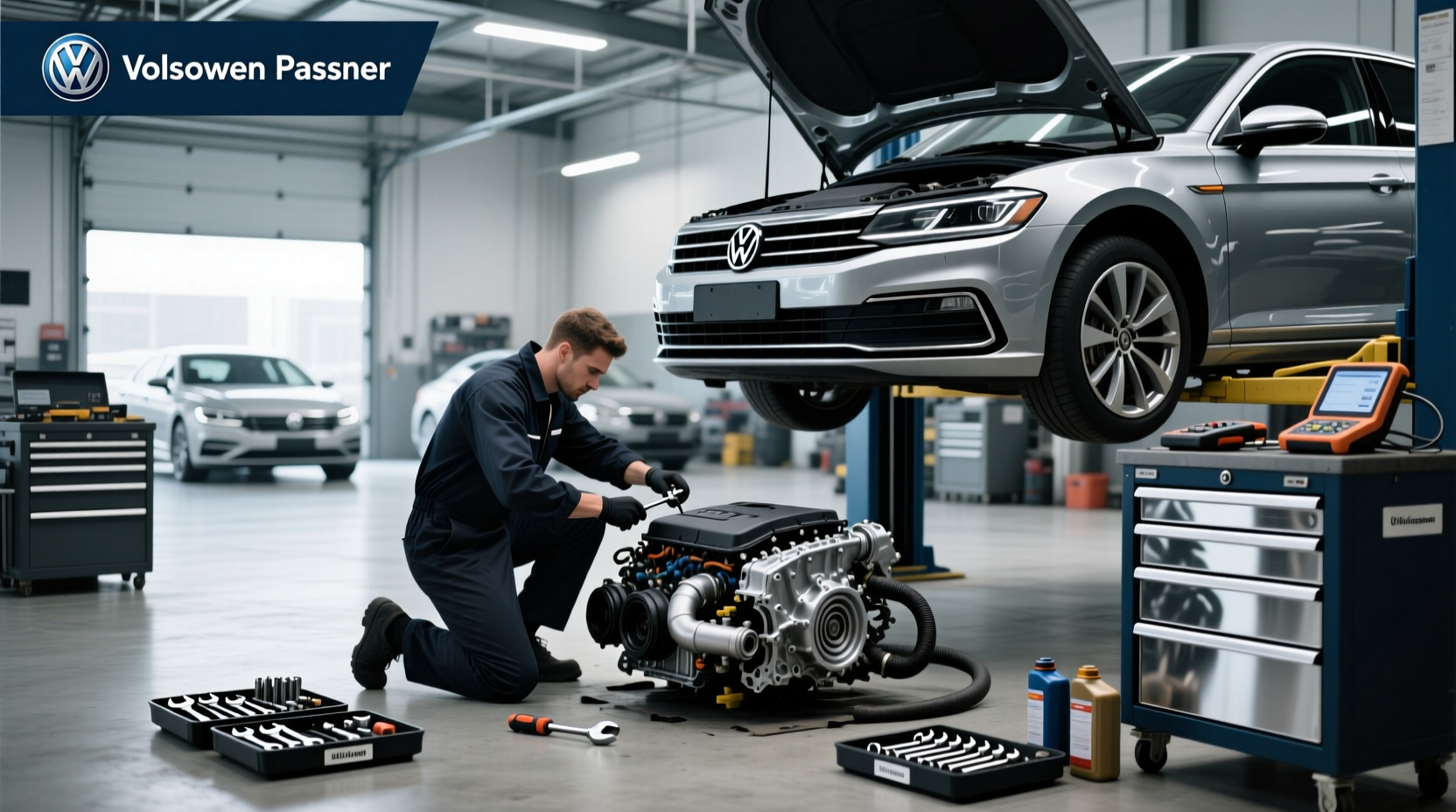
If you're searching for a VW engine replacement, you're likely facing high repair costs, performance limitations, or an engine failure that makes rebuilding impractical. The good news is that viable options exist—from brand-new long-block engines to remanufactured units and performance upgrades—each with distinct trade-offs in cost, reliability, and compatibility. Whether you own a classic Beetle, a vintage Bus, or a modern Golf, understanding your vehicle’s specific engine requirements, fuel type (gasoline, diesel, or CNG), configuration (inline-4, V6, etc.), and model-year compatibility is essential to making a smart, long-term decision. This guide breaks down every aspect of replacing a Volkswagen engine, helping you avoid costly mistakes and choose the best path based on your budget, driving needs, and mechanical goals.
Why Replace a VW Engine?
There are several reasons why a Volkswagen owner might consider a full engine replacement rather than a rebuild:
- Severe internal damage: Cracked blocks, bent rods, or spun bearings often make repairs uneconomical.
- Aging air-cooled engines: Classic VWs (Type 1, Type 2) may benefit from a fresh build using modern materials and tolerances.
- Performance upgrade: Enthusiasts often swap stock engines for higher-displacement or turbocharged variants.
- Fuel efficiency or emissions compliance: Some owners replace older gasoline engines with newer, more efficient models to meet local regulations.
- Lack of local expertise: In regions where specialized VW mechanics are scarce, a turnkey solution can save time and hassle.
Understanding your motivation helps determine whether a direct OEM-style replacement, a remanufactured unit, or a custom-built engine is the best fit.
New vs. Rebuilt vs. Used: What's the Difference?
When evaluating a VW engine replacement, three primary categories dominate the market: new, rebuilt, and used. Each has pros and cons depending on your priorities.
✅ New Engines (Factory-Fresh or Turnkey Builds)
These are complete engines assembled from all-new components. They are typically offered as 'long-block' (block, crank, rods, pistons, heads) or 'short-block' (lower end only) configurations.
- Pros: Full warranty, consistent quality, no wear history, modern manufacturing standards.
- Cons: Higher cost (typically $5,000–$9,000+), limited availability for older models.
- Best for: Restorations, daily drivers needing reliability, or performance builds starting from zero wear.
Companies like Darryl's Air-Cooled Engines 1 specialize in zero-mile, all-new air-cooled Type 1 engines, while suppliers such as AA Performance Products offer turnkey solutions for both vintage and modern water-cooled models.
🔧 Rebuilt/Remanufactured Engines
These engines are disassembled, inspected, and reassembled using a mix of new and refurbished parts. A true remanufactured engine meets OEM specifications and often includes updated components.
- Pros: Lower cost than new ($3,000–$6,000), tested performance, factory-like warranty.
- Cons: Quality varies by shop; some use core engines with unknown histories.
- Best for: Cost-conscious owners seeking reliability without premium pricing.
Look for providers that clearly state their machining processes, bearing brands, and assembly standards. Avoid vague listings that don’t disclose component sources.
🛒 Used Engines (Salvage Yard or Private Sale)
Pulled from wrecked or decommissioned vehicles, used engines are the most affordable option but carry the highest risk.
- Pros: Low upfront cost ($1,500–$3,500), potential for low-mileage cores.
- Cons: Unknown maintenance history, possible hidden damage, no warranty unless seller provides one.
- Best for: Temporary fixes, project cars, or experienced mechanics who can inspect and test thoroughly.
Always request compression tests, oil analysis records, and service history if available. For water-cooled models (e.g., 2.0L TSI in GTI), verify timing chain condition and turbocharger health before purchase.
Fuel Type & Compatibility Considerations
Volkswagen engines come in gasoline, diesel, and compressed natural gas (CNG) variants. Swapping between fuel types requires significant modifications and is generally not recommended unless done through certified programs.
| Fuel Type | Common VW Models | Engine Examples | Replacement Notes |
|---|---|---|---|
| Gasoline (Inline-4) | Golf, Jetta, Beetle (modern) | EA888, EA211 | Widespread support; many aftermarket options |
| Diesel (TDI) | Passat TDI, Golf TDI | EA189, EA288 | Emissions compliance critical; check local laws |
| CNG (Compressed Natural Gas) | e-up!, Golf GTE (bi-fuel) | 1.4 TSI CNG | Limited availability; specialized tuning needed |
| Air-Cooled Gasoline | Beetle, Bus, Karmann Ghia | Type 1 1600cc, 1776cc | Aftermarket dominance; few OEM sources |
Ensure any replacement engine matches your vehicle’s original fuel system, ECU programming, and emissions equipment. Mismatches can lead to failed inspections, poor drivability, or legal issues.
Engine Configurations: Inline-4, V6, V8, and Air-Cooled
The configuration affects fitment, weight distribution, cooling needs, and power delivery.
⚙️ Inline-4 (Most Common)
Found in nearly all modern Volkswagens (Golf, Tiguan, Atlas), these compact, fuel-efficient engines are widely supported with replacement options. Turbocharged versions (e.g., 2.0L TSI) deliver strong performance but require attention to turbo health and oil cooling.
V6 and V8 Options
Used primarily in larger models like the Phaeton or Touareg, these engines are less common in replacements due to complexity and cost. Swaps into smaller platforms are rare and usually involve extensive fabrication.
🏭 Air-Cooled Flat-Four (Type 1/Type 4)
Synonymous with classic Volkswagens, these engines lack radiators and rely on airflow for cooling. Replacement engines range from stock 1600cc units to high-performance 2275cc builds. Key concerns include cylinder head cooling, oil temperature management, and ignition system compatibility.
What About Performance Upgrades?
Many owners opt for a performance-oriented VW engine replacement during restoration or modification. Popular choices include:
- 1776cc or 1914cc stroker kits: Increased displacement for better torque.
- Aluminum case engines: Lighter and stronger than stock cast iron.
- Electronic fuel injection (EFI) conversions: Replace carburetors for improved driveability and emissions.
- Turbocharging retrofits: Add forced induction to air-cooled engines (requires intercooling, fuel management).
While appealing, performance engines often sacrifice longevity and ease of maintenance. Always balance power goals with practicality, especially for street-driven vehicles.
Cost Breakdown: What to Expect
Prices vary significantly based on engine type, condition, and source.
| Engine Type | Average Price Range | Labor Estimate (Install) | Total Estimated Cost |
|---|---|---|---|
| New Air-Cooled (1600cc) | $5,200–$7,500 | $800–$1,500 | $6,000–$9,000 |
| Rebuilt Water-Cooled (2.0L TSI) | $3,000–$4,500 | $1,200–$2,000 | $4,200–$6,500 |
| Used Engine (from salvage) | $1,500–$3,000 | $1,000–$1,800 | $2,500–$4,800 |
| Performance Long-Block (2275cc) | $6,000–$9,000 | $1,500–$2,500 | $7,500–$11,500 |
Labor costs depend on accessibility, transmission type (manual vs. automatic), and whether ancillary systems (cooling, exhaust, electronics) need adjustment. Older rear-engine models (Beetle, Bus) often require less labor than front-engine transverse setups due to simpler drivetrain layout.
Where to Buy a VW Engine Replacement
Options include:
- Specialty online retailers: JBugs, CIP1, EMPI, and SCAT VW cater specifically to air-cooled models 2.
- Remanufacturers: Companies like AA-GEX and Power Engines offer tested, warrantied units for both vintage and modern VWs.
- Local machine shops: Ideal for custom builds with dyno tuning and personalized setup.
- Online marketplaces: eBay and forums like TheSamba.com host private sellers, but buyer beware—verify condition carefully.
Avoid generic auto parts stores—they rarely stock complete VW engines, especially for pre-1970s models.
Installation Tips and Common Pitfalls
Replacing an engine isn’t just about bolting in a new block. Key considerations include:
- ECU and wiring harness compatibility: Modern engines require matching control modules. Reflashing or swapping ECUs may be necessary.
- Transmission mating: Ensure bellhousing alignment and clutch/flywheel compatibility.
- Cooling system updates: Larger engines may need upgraded radiators or fans.
- Exhaust fitment: Aftermarket headers or manifolds might be required.
- Mounting points and engine feet: Verify physical dimensions match your chassis.
For DIYers, having a service manual (like Bentley Publishers) is essential. If outsourcing, choose a shop with documented VW experience—not just general automotive skills.
Warranty and Return Policies
Always confirm warranty terms before purchase:
- Reputable suppliers offer 12–24 month warranties on parts and labor (if installed by them).
- Check if the warranty is pro-rated or full-replacement.
- Verify return shipping costs and core deposit requirements (common for remanufactured units).
- Some warranties void if oil changes aren't documented or if non-approved fluids are used.
Read the fine print—especially regarding break-in procedures. Many manufacturers require a specific oil type and driving pattern during the first 1,000 miles.
Environmental and Legal Considerations
In regions with strict emissions laws (e.g., California, EU), engine swaps must comply with regulations:
- Swapping a newer engine into an older car may require certification under "modified vehicle" rules.
- Removing emissions equipment (EGR, catalytic converter) can result in fines or failed inspections.
- Diesel engines post-2007 require DEF systems and OBD-II monitoring—don’t assume plug-and-play compatibility.
Contact your local DMV or environmental agency to verify legality before proceeding.
Common Misconceptions About VW Engine Replacement
- Myth: All 1600cc engines are the same. Reality: Differences in case casting, generator vs. alternator brackets, and fan shroud design affect fitment.
- Myth: A rebuilt engine lasts as long as new. Reality: Depends on quality of rebuild—cheap rebuilds may fail within months.
- Myth: You can drop a modern TSI into a Beetle. Reality: Requires massive electrical, cooling, and structural changes—rarely practical.
- Myth: Horsepower is the only metric that matters. Reality: Torque curve, reliability, and service intervals matter more for daily use.
Final Checklist Before Buying
Before committing to a VW engine replacement, ask:
- Does this engine match my VIN-specific configuration?
- Is it designed for my fuel type and emissions standard?
- What warranty does it include, and what voids it?
- Do I have the tools, space, and knowledge to install it?
- Have I verified the seller’s reputation and return policy?
- Are ancillary parts (hoses, belts, sensors) included or extra?
- Will my current transmission, ECU, and exhaust work with it?
Frequently Asked Questions
- ❓ Can I replace my VW engine myself?
- Yes, if you have mechanical experience, proper tools (engine hoist, torque wrench), and a detailed manual. Air-cooled engines are generally easier due to simpler systems. Water-cooled models require handling complex electronics and cooling lines.
- ❓ How much does a VW engine replacement cost?
- Total costs range from $2,500 (used + DIY) to over $11,000 (new performance build with professional install). Most owners spend between $4,000 and $7,000 for a reliable solution.
- ❓ Are remanufactured VW engines reliable?
- High-quality remanufactured engines from reputable suppliers are very reliable. Look for those with updated components, balanced rotating assemblies, and clear warranty terms.
- ❓ What’s the most reliable VW engine?
- The 2.0L TDI (diesel) and naturally aspirated 1600cc air-cooled engines are known for durability when properly maintained. Among modern engines, the EA888 Gen 3 is robust and widely supported.
- ❓ Can I upgrade to a bigger engine in my classic VW?
- Yes, common upgrades include 1914cc, 2110cc, or 2332cc engines in Beetles and Buses. However, larger engines may require modified engine compartments, upgraded cooling, and carburetor tuning.





 浙公网安备
33010002000092号
浙公网安备
33010002000092号 浙B2-20120091-4