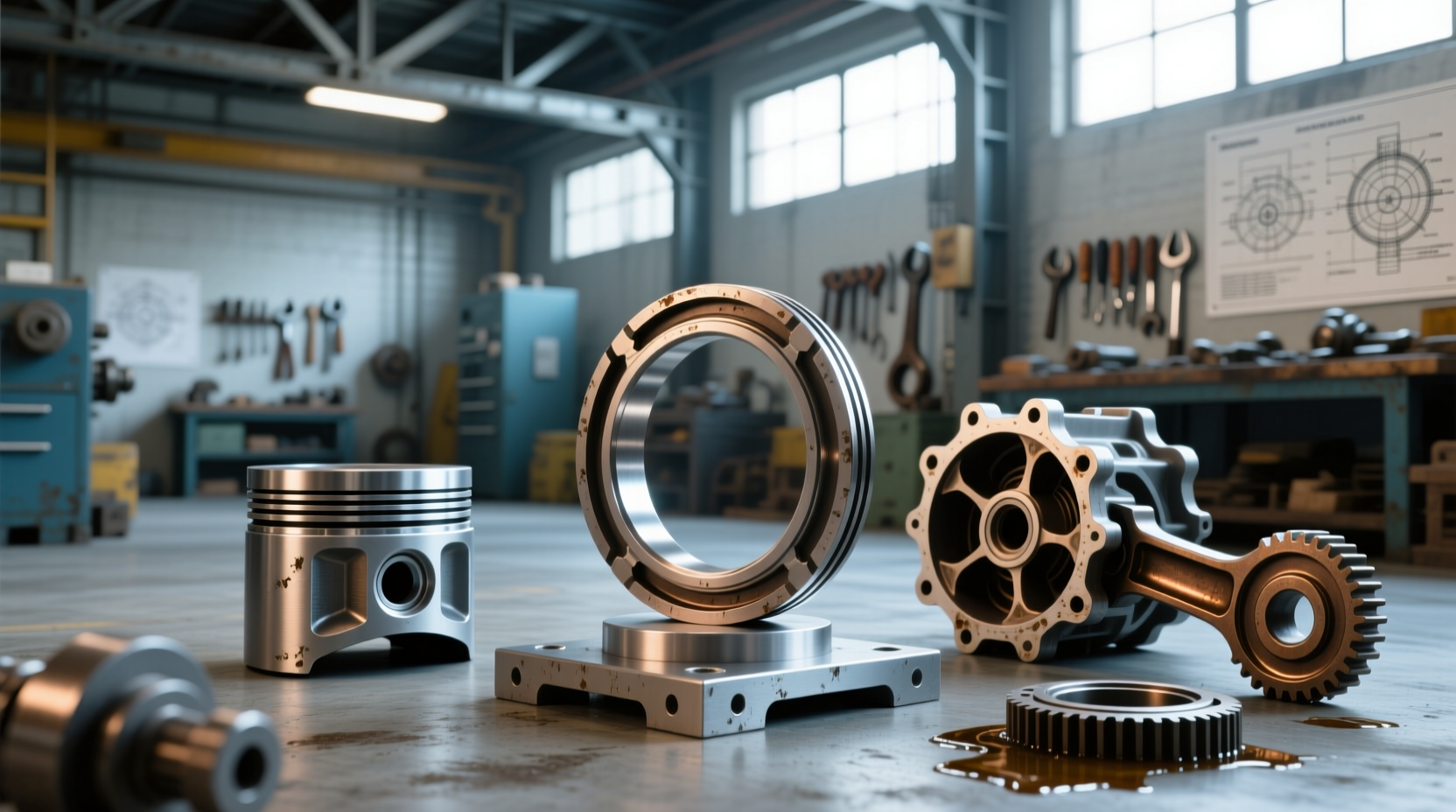
When maintaining or rebuilding a 2-stroke engine, one of the most critical components is the 2 stroke piston ring. This small but vital part ensures proper compression, efficient combustion, and reduced oil consumption. Choosing the correct piston ring—based on size, material, engine type, and application—is essential for performance and longevity. Whether you're restoring a vintage dirt bike, tuning a mini moto, or replacing worn parts in a high-performance snowmobile, understanding how 2 stroke piston rings function and what factors influence their selection can save time, prevent damage, and optimize power output.
What Is a 2 Stroke Piston Ring and Why Does It Matter?
A 2 stroke piston ring is a split metal ring that fits into a groove on the outer edge of a piston. Its primary role is to seal the combustion chamber, transferring heat from the piston to the cylinder wall while minimizing blow-by—the leakage of combustion gases past the piston. Unlike 4-stroke engines, which often use multiple rings (compression and oil control), most 2-stroke engines rely on a single or dual-ring setup designed specifically for rapid combustion cycles and crankcase induction.
In a 2-stroke engine, the piston moves up and down once per combustion cycle, making timing and sealing extremely sensitive. A worn or improperly installed piston ring can lead to loss of power, poor acceleration, excessive smoke, hard starting, and increased fuel consumption. Because these engines operate at high RPMs and under intense thermal stress, the durability and fitment of the piston ring are crucial.
Common Signs of a Failing 2 Stroke Piston Ring
Recognizing early signs of piston ring wear helps avoid major engine damage. Key symptoms include:
- Loss of Compression: Difficulty starting, especially when cold, or weak throttle response may indicate gas leakage past the rings.
- Excessive Exhaust Smoke: Blue-tinted smoke suggests oil is entering the combustion chamber due to poor ring sealing.
- Reduced Power Output: If the bike feels sluggish despite clean air filters and fresh fuel, internal sealing could be compromised.
- Oil Consumption: Frequent need to mix oil with fuel beyond standard ratios may signal ring wear.
- Carbon Build-Up: Heavy deposits around the exhaust port or spark plug often accompany inefficient combustion caused by leaking rings.
🔧 TIP: Perform a leak-down test or compression test before disassembling the engine. Readings below manufacturer specifications typically point to piston ring or cylinder wall issues.
Understanding 2 Stroke Piston Ring Sizing and Specifications
One of the most common mistakes during rebuilds is selecting an incorrect ring size. The 2 stroke piston ring size must match both the piston diameter and cylinder bore precisely. Even a 0.01 mm difference can cause binding, galling, or inadequate sealing.
Rings are measured by three main dimensions:
- Bore Diameter: The internal diameter of the cylinder (e.g., 40mm, 47mm, 50mm).
- Ring Width: Thickness of the ring (commonly 1mm, 1.5mm, 2mm).
- Ring Gap Clearance: Measured when the ring is placed inside the cylinder; this gap affects expansion and sealing under heat.
📏 For example, a typical YZ125 rebuild kit includes a 54mm bore piston with matching ring set, usually supplied as part of a full top-end kit. Always refer to OEM service manuals or reputable aftermarket spec charts before ordering replacements.
Many online listings mention compatibility with "49cc 2-stroke engines" or "mini motorcycles and ATVs", but without confirming exact bore and pin diameter, users risk buying incompatible parts. ✅ Always verify:
- Piston bore size
- Piston pin diameter (e.g., 10mm, 12mm)
- Ring width and profile (rectangular, taper-faced, keystone)
- Material type (cast iron, steel, moly-coated)
Different Types of 2 Stroke Piston Rings
Not all piston rings are created equal. Material, design, and coating impact performance and lifespan.
1. Cast Iron Rings
🛠️ Commonly used in stock or low-performance applications. They offer good conformability to cylinder walls and moderate wear resistance. However, they are brittle and prone to breakage if over-expanded during installation.
2. Chrome-Faced Steel Rings
⚙️ Used in higher-performance builds. Chrome plating improves surface hardness and reduces friction. These rings resist scuffing and last longer under aggressive riding conditions.
3. Molybdenum-Coated Rings
✨ Applied via plasma-spray technology, moly coatings enhance heat dissipation and provide excellent scuff resistance during break-in. Found in premium kits like Wiseco Racer Elite or Pro X Performance series.
4. Keystone vs. Rectangular Profile
📌 Keystone-shaped rings (tapered sides) are increasingly common in modern 2-strokes because they maintain better contact under thermal expansion and reduce carbon lock-up. Rectangular rings are simpler but more susceptible to sticking if combustion byproducts accumulate.
| Ring Type | Best For | Lifespan | Cost Range |
|---|---|---|---|
| Cast Iron | Stock bikes, casual riders | 50–100 hours | $20–$50 |
| Chrome-Faced Steel | Trial runs, track days | 80–150 hours | $50–$100 |
| Moly-Coated | Racing, high-compression builds | 100–200+ hours | $80–$150 |
| Keystone Profile | Modern 2-strokes (YZ, TC, CR) | Depends on base material | +10–20% vs. standard |
Choosing Between Full Piston Kits vs. Individual Rings
🛒 When searching for a 2 stroke piston ring, many users face a decision: replace just the ring or buy a complete piston kit? While individual rings are cheaper, they’re rarely recommended unless the piston itself shows no scoring, wear, or deformation.
✅ Best practice: Replace the piston and rings together. Over time, the piston skirt wears, ring grooves degrade, and crown erosion occurs. Installing new rings on an old piston leads to mismatched tolerances and short-lived results.
Most top-end rebuild kits include:
- New piston (with correct dome shape and pin bore)
- Piston rings (pre-gapped or requiring minor adjustment)
- Wrist pin (also called gudgeon pin)
- Circlips (retaining clips for the wrist pin)
- Sometimes: top-end gasket set
Brands such as Wiseco, Athena, Pro X, and Vertex offer model-specific kits tailored to Yamaha YZ, KTM SX, Honda CR, and Husqvarna TC models. Some even provide big-bore upgrades (e.g., +0.5mm or +1.0mm overstock) for increased displacement and torque.
Installation Tips for 2 Stroke Piston Rings
🔧 Proper installation is just as important as choosing the right ring. Follow these steps carefully:
- Measure Ring End Gap: Insert the ring into the cylinder bore near the bottom (least worn area). Use feeler gauges to check end gap. Compare with manufacturer specs—if too tight, it may bind when hot; if too loose, compression drops.
- Align Ring Gaps: When reinstalling the piston, stagger the gaps of multiple rings by 120°–180° to prevent direct gas leakage paths.
- Use Ring Compressor Tool: Avoid forcing the piston into the cylinder without a ring compressor sleeve. This prevents chipping or breaking thin rings.
- Lubricate Before Assembly: Coat rings and cylinder walls lightly with assembly lube or premixed 2-stroke oil. Never dry-fit.
- Check Movement in Groove: Ensure rings move freely in their grooves before final assembly. Stuck rings won’t seal properly.
⏱️ Note: After installing a new piston and ring set, follow a proper break-in procedure: avoid sustained high RPMs for the first 2–3 tanks of fuel, vary throttle input, and monitor exhaust color and temperature.
Aftermarket vs OEM: Which Should You Choose?
🏭 Original Equipment Manufacturer (OEM) piston rings are made to factory specs and ensure perfect fitment. However, they may not offer performance gains. Aftermarket options, particularly from specialized brands, often improve durability and heat resistance.
👥 Consider OEM if:
- You're restoring a classic model
- Minimal modifications are planned
- Long-term reliability is prioritized over peak power
⚡ Consider aftermarket if:
- You're increasing compression or modifying ports
- You ride aggressively or race
- You want upgraded materials (e.g., forged pistons with moly rings)
🔍 Always cross-reference part numbers and consult forums or mechanic guides before switching to non-OEM components.
Can You Reuse Old 2 Stroke Piston Rings?
❌ Generally not advised. Once removed, piston rings lose tension and may not reseal effectively. Additionally, micro-cracks or distortion can occur during removal. Even if the ring looks intact, its ability to maintain consistent pressure diminishes.
The only exception might be during diagnostics—if removing the cylinder briefly to inspect ports or valves—and the engine was recently rebuilt with high-quality rings. In such cases, careful handling and cleaning may allow temporary reuse. But for any long-term operation, always install fresh rings.
Where to Buy Reliable 2 Stroke Piston Rings
🌐 Many online retailers list 2 stroke piston ring kits, but quality varies widely. Stick to trusted suppliers specializing in powersports or motorcycle repair. Look for sellers who provide detailed specifications, clear compatibility charts, and customer support.
Avoid generic listings on marketplaces that lack technical details or model-year specificity. Instead, choose vendors offering:
- Exact model/year compatibility
- Technical diagrams or cut sheets
- Customer reviews focused on fitment and durability
- Return policies for incorrect orders
Some rebuild kits also come pre-assembled with rings already seated and pinned, reducing installation error—a feature highlighted in OEM-style kits from manufacturers like KTM or Honda.
Cost Considerations: How Much Should You Expect to Pay?
💸 Prices for 2 stroke piston ring kits vary significantly based on brand, materials, and whether it's a full top-end kit:
- Basic 40mm mini-moto ring set: $20–$40
- Mid-range full piston kit (e.g., Yamaha YZ85): $100–$180
- Premium forged piston with moly rings (e.g., Wiseco Pro-Lite): $150–$250
- Big-bore upgrade kits with cylinder: $300–$600+
While budget options exist, especially for common 47–49cc engines, investing in quality pays off in reliability and engine life. ⚠️ Extremely low-priced kits (<$30 for full sets) may use inferior castings or inaccurate tolerances.
Frequently Asked Questions About 2 Stroke Piston Rings
Can I install a 2 stroke piston ring backwards?
Yes—it’s possible, and doing so causes immediate performance issues. Most rings have a "top" mark (like "T" or "UP"). Installing them upside-down disrupts oil scraping and heat transfer. Always orient the marked side toward the piston crown.
Do 2 stroke engines always have one piston ring?
No. While many smaller 2-strokes use a single ring, larger displacement models (e.g., Yamaha YZ250, KTM 250 SX) often have two rings—one compression ring and one scraper/intermediate ring. Check your engine design before purchasing.
How often should I replace the piston ring in a 2 stroke engine?
Every 25–50 hours of aggressive riding, or annually for recreational use. Racers often rebuild top ends every 20–30 hours. Signs of wear should prompt earlier replacement.
What causes a 2 stroke piston ring to break?
Common causes include detonation (pre-ignition), overheating, incorrect ring gap, foreign debris in the cylinder, or improper installation. Using low-octane fuel or lean jetting increases risk.
Are there differences between piston rings for motocross vs. trail bikes?
Yes. Motocross rings prioritize high-RPM performance and heat resistance, often using advanced coatings. Trail bike rings may focus on durability and smoother low-end response. Always match the ring type to your riding style.





 浙公网安备
33010002000092号
浙公网安备
33010002000092号 浙B2-20120091-4