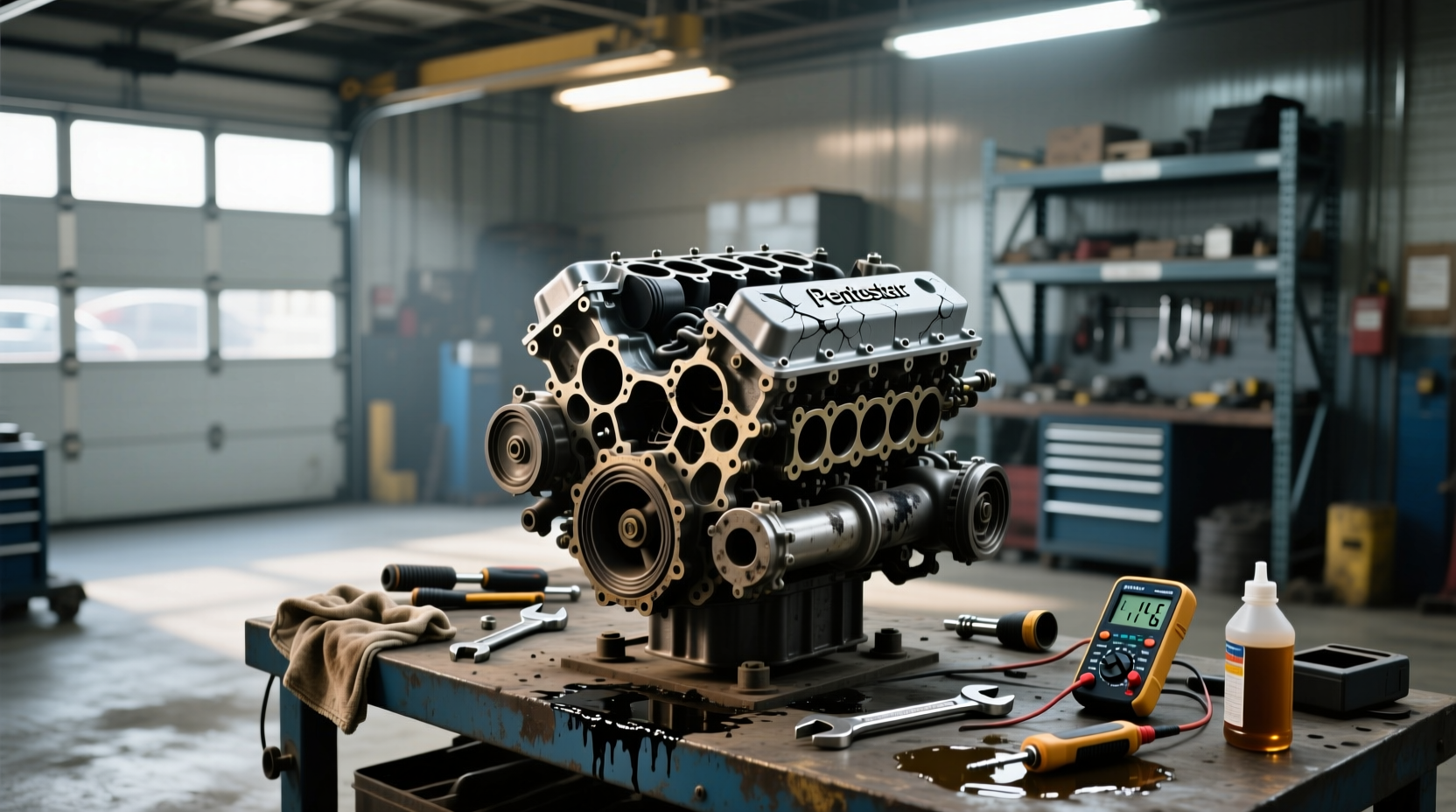
If you're researching common 3.6 Pentastar engine problems, you're not alone—thousands of owners of Jeep Grand Cherokee, Dodge Charger, Ram 1500, and Chrysler 300 have reported recurring mechanical issues tied to this otherwise praised V6 powerplant. While the 3.6L Pentastar is known for its balance of performance, fuel efficiency, and smooth operation, certain model years and design flaws have led to widespread reliability concerns. Key issues include premature rocker arm failure, engine oil cooler leaks, cylinder head cracking, and cooling system inefficiencies that can lead to overheating. This guide breaks down every major problem, which model years are most affected, how to spot early warning signs, and what you can do to extend the life of your engine.
Understanding the 3.6L Pentastar V6 Engine
The 3.6L Pentastar V6 engine was introduced by Chrysler in 2011 as a modern, all-aluminum, dual overhead cam (DOHC), 24-valve gasoline engine. It replaced older V6 designs and quickly became the standard powertrain across many FCA (Fiat Chrysler Automobiles) vehicles, including:
- 🔸 Jeep Grand Cherokee (2011–present)
- 🔸 Jeep Wrangler (2012–present)
- 🔸 Jeep Gladiator (2020–present)
- 🔸 Dodge Charger (2011–present)
- 🔸 Dodge Challenger (2011–present)
- 🔸 Chrysler 300 (2011–present)
- 🔸 Chrysler Pacifica (2017–present)
- 🔸 Ram 1500 (2012–2018, pre-Hemi switch)
⚙️ With 292 horsepower and 260 lb-ft of torque in later versions, the Pentastar offered strong acceleration and improved fuel economy over its predecessors. It features variable valve timing (VVT), sequential multi-port fuel injection (not direct injection), and a 60-degree V6 layout that allows for compact packaging.
Are 3.6 Pentastar Engines Reliable? A Balanced View
The answer isn't black and white. ✅ Many 3.6L Pentastar engines have reached 200,000 miles with only routine maintenance. However, ❗ a significant number of owners report major failures between 80,000 and 140,000 miles due to specific design weaknesses. The engine's reliability depends heavily on:
- 📍 Model year (some batches had higher defect rates)
- 🔧 Maintenance history (especially coolant and oil changes)
- 🌡️ Operating conditions (towing, stop-and-go driving, climate)
- 🛠️ Factory updates and service campaigns applied
While it’s not inherently unreliable, the presence of known failure points means vigilance is required.
Top 5 3.6 Pentastar Engine Problems
1. Rocker Arm Failure (Most Common Issue)
🔧 One of the most frequently reported 3.6L Pentastar engine problems is premature wear or breakage of the rocker arms, particularly in models from 2011 to 2014. These components transfer motion from the camshaft to the valves. When they fail, symptoms include:
- 🔊 Ticking or tapping noise from the engine (often mistaken for lifter noise)
- 📉 Reduced engine performance or misfires
- 🛞 Check engine light with codes like P0300 (random misfire) or P0016/P0017 (cam/crank correlation)
- 🔥 In severe cases, metal debris can circulate through the oil system, damaging bearings
The root cause is believed to be inadequate lubrication due to oil flow restrictions and weak rocker arm shafts in early production runs. Chrysler issued technical service bulletins (TSBs) and updated the design around 2015 with stronger materials and revised oil passages.
2. Engine Oil Cooler Leaks
🧼 The 3.6L Pentastar uses an integrated oil cooler within the engine block. Over time, especially in high-mileage vehicles, the cooler can develop cracks or seal failures, leading to:
- 💧 Oil leaking into the cooling system (causing milky residue in radiator or overflow tank)
- 🌡️ Coolant mixing with engine oil (creating a mayonnaise-like sludge under the oil cap)
- 🔥 Risk of catastrophic engine damage due to loss of lubrication or coolant
This issue is more common in hot climates or vehicles used for towing. Early detection via regular inspection of the oil and coolant can prevent total engine failure.
3. Cylinder Head Cracking and Warping
📌 Some owners have reported cracked or warped cylinder heads, often linked to overheating events. Although less common than rocker arm issues, this problem typically arises when:
- 🚗 The cooling system is neglected (old coolant, clogged radiator)
- 🌡️ The thermostat fails or water pump degrades
- 🔧 Previous repairs didn’t use proper torque specs during reassembly
When the head warps, compression drops, coolant enters combustion chambers, and white smoke appears from the exhaust. This requires a full head replacement or rebuild—costly and labor-intensive.
4. Cooling System Design Flaws
🌐 The Pentastar’s cooling system has been criticized for inefficient flow and air pocket formation, especially after coolant flushes. Airlocks can cause false temperature readings and localized hot spots, increasing stress on internal components.
Common related issues:
- 🌡️ Intermittent overheating despite full coolant levels
- 📊 Temperature gauge fluctuations
- 🔧 Need for multiple bleed procedures after servicing
Some mechanics recommend installing a modified bleed screw or using a vacuum fill system during coolant changes to prevent these issues.
5. Timing Chain and Phaser Issues (Later Models)
⏱️ While earlier models focused on rocker arms, some 2016–2020 vehicles have reported timing chain tensioner and phaser failures. Symptoms include:
- 🔊 Rattling noise at startup (especially cold)
- 📉 Rough idle or hesitation
- 🛞 Check engine light with camshaft position codes
These issues are less widespread but can result in expensive internal engine work if ignored. Updated tensioners and redesigned guides are available through OEM and aftermarket suppliers.
Which Years Should You Avoid?
Based on owner reports, repair data, and YouTube teardowns (such as those from 8020 Automotive and Used Car Guide), the following model years show the highest incidence of 3.6 Pentastar engine problems:
| Model Year | Key Issues | Risk Level |
|---|---|---|
| 2011–2014 | Rocker arm failure, oil cooler leaks | High |
| 2015 | Transition year; mixed results (updated rockers) | Medium |
| 2016–2018 | Cooling system issues, early phaser rattle | Low-Medium |
| 2019–2025 | Fewer mechanical issues; mostly isolated cases | Low |
✅ If buying used, prioritize 2019 and newer models, or verify that any 2011–2015 vehicle has had a rocker arm update or engine refresh.
Lifespan: How Long Does a 3.6 Pentastar Last?
📈 The expected lifespan of a well-maintained 3.6L Pentastar engine is between 150,000 and 200,000 miles. However, this assumes:
- ✅ Regular oil changes every 5,000 miles (or per manual in severe conditions)
- ✅ Coolant flushed every 5 years or 100,000 miles
- ✅ Use of OEM-spec fluids (e.g., MS-6395 oil specification)
- ✅ Addressing small issues (like ticking noises) before they escalate
Engines that exceed 200,000 miles typically have undergone preventive upgrades or professional maintenance.
How to Spot Problems Early
🔍 Catching issues before they become catastrophic saves thousands. Here’s what to monitor:
- Listen for unusual noises: A persistent ticking sound, especially on startup, could indicate rocker arm wear.
- Check under the hood: Look for oil residue, coolant leaks, or milky film under the oil cap.
- Scan for trouble codes: Use an OBD2 scanner periodically to catch misfires or camshaft errors early.
- Monitor temperature gauge: Frequent spikes or fluctuations suggest cooling system problems.
- Inspect coolant color: Brown or oily coolant indicates contamination from oil cooler failure.
Preventive Maintenance Tips
🛠️ Proactive care significantly reduces the risk of major failures:
- 🧼 Change oil regularly: Use high-quality synthetic oil (5W-20 or 5W-30) meeting Chrysler MS-6395 standards.
- 🌡️ Maintain the cooling system: Flush coolant every 5 years and replace the thermostat if needed.
- 🔧 Upgrade when possible: Consider installing updated rocker arms or an aftermarket oil cooler bypass kit.
- 📊 Review service history: For used vehicles, ask for records of any TSB-compliant repairs.
- 🌐 Join owner forums: Communities like JeepForum.com or Allpar provide real-world insights and DIY fixes.
Is It Worth Buying a Vehicle with a 3.6 Pentastar?
🛒 The decision depends on context:
- ✅ Yes, if: It’s a 2019+ model, low mileage, with full service history and no signs of oil/coolant mixing.
- ⚠️ Proceed with caution if: It’s a 2011–2014 model with high mileage and no documented engine work.
- ❌ Avoid if: There’s evidence of past engine repairs, unresolved ticking noises, or coolant contamination.
For budget-conscious buyers, a pre-purchase inspection by a mechanic familiar with FCA engines is essential.
Rebuilt and Crate Engines: Are They a Good Option?
🚚 If your engine has failed, replacing it with a remanufactured unit may be more cost-effective than a full rebuild. Companies like Jasper Engines and Fraser Engines offer tested 3.6L Pentastar crate engines with warranties.
🔹 Benefits:
- 🏭 Built to OEM specs with updated parts
- ✅ Often include new lifters, timing sets, and gaskets
- 🔧 Come with installation support and warranty (typically 1–3 years)
However, ensure the replacement includes the latest design revisions to avoid repeating the same failures.
Final Thoughts: Weighing the Pros and Cons
The 3.6L Pentastar V6 is a capable engine with a mixed reputation. Its strengths—smoothness, power, and fuel economy—are overshadowed for some owners by predictable mechanical flaws rooted in early design choices. Understanding the most common 3.6 Pentastar engine problems empowers you to make informed decisions whether you're buying, maintaining, or repairing one.
By focusing on model year risks, listening for early warning signs, and adhering to strict maintenance, many of the pitfalls can be avoided. While not flawless, the Pentastar remains a viable option—especially in later-model vehicles where Chrysler addressed key weaknesses.
Frequently Asked Questions
- ❓ What is the most common problem with the 3.6 Pentastar engine?
- The most common issue is rocker arm failure, particularly in 2011–2014 models, caused by inadequate lubrication and weak materials in early production runs.
- ❓ Can I drive my vehicle if the oil and coolant are mixing?
- No. Mixing indicates a failing oil cooler or head gasket. Continued driving risks severe engine damage due to loss of lubrication or hydrolock.
- ❓ How much does it cost to fix a 3.6 Pentastar engine?
- Repairs vary: rocker arm replacement costs $1,500–$3,000; full engine replacement with a reman unit ranges from $4,000–$6,000 depending on labor and location.
- ❓ Are there any recalls for the 3.6L Pentastar V6?
- There are no full-scale recalls, but Chrysler issued several Technical Service Bulletins (TSBs) addressing rocker arm updates and oil cooler inspections. Check with a dealer using your VIN.
- ❓ Is the 3.6 Pentastar better than the 5.7 Hemi?
- It depends on needs. The Pentastar offers better fuel economy and lower maintenance costs; the Hemi provides more torque and towing capability. For daily driving, the Pentastar is often sufficient.





 浙公网安备
33010002000092号
浙公网安备
33010002000092号 浙B2-20120091-4