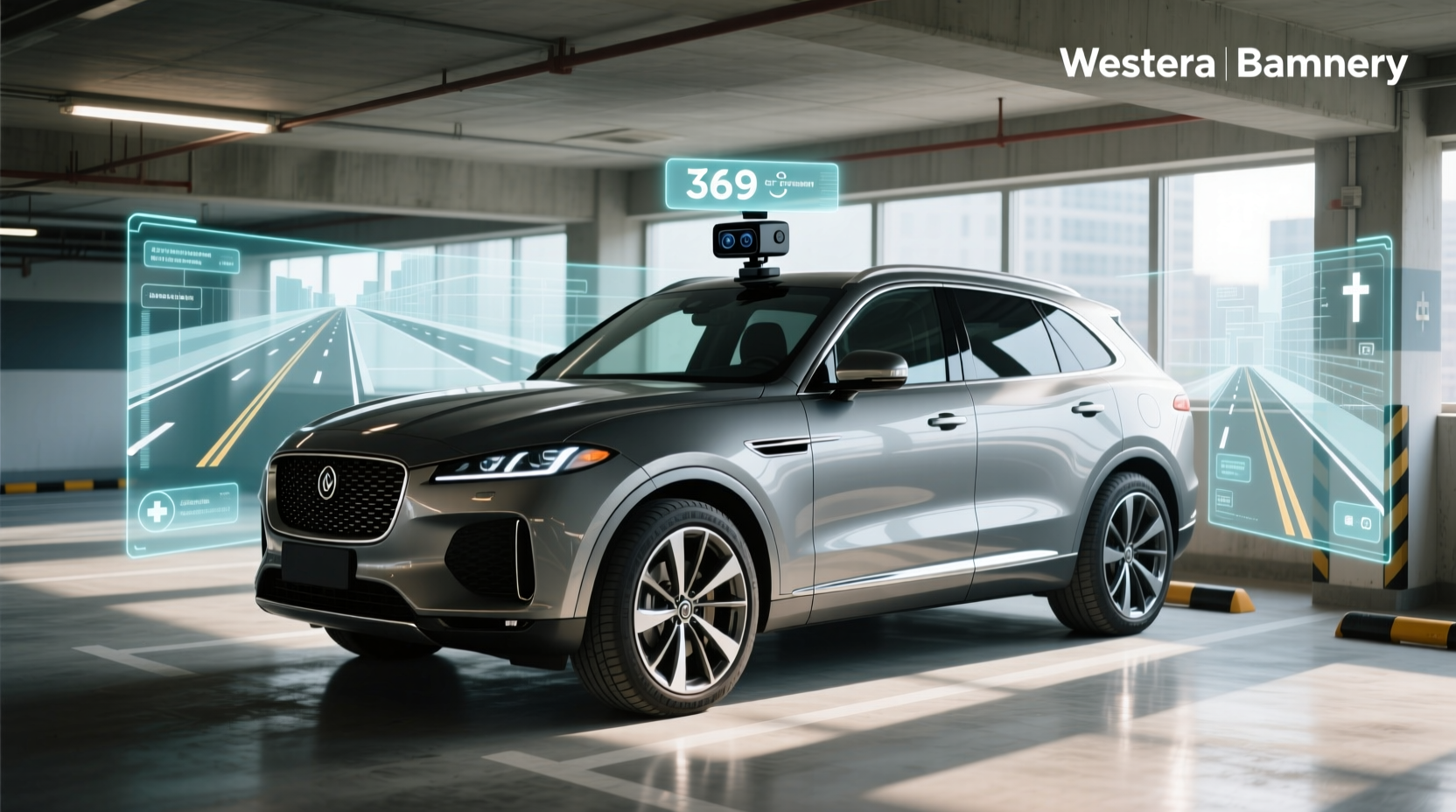
🚗 A 360 surround view camera system car solution gives drivers a complete bird’s-eye view of their vehicle, making parking, tight maneuvers, and low-speed navigation significantly safer and easier. By stitching together video feeds from four wide-angle cameras—mounted on the front, rear, and sides of the car—the system creates a seamless panoramic view displayed directly on your dashboard screen. This technology, often called a 360-degree bird view or top-view camera system, is increasingly common in modern vehicles but can also be added aftermarket. For drivers dealing with blind spots, urban driving challenges, or frequent trailer towing, this system offers real-time visual feedback that standard backup cameras can't match.
What Is a 360 Surround View Camera System?
A 360 surround view camera system uses multiple high-resolution cameras positioned around the vehicle to capture its immediate surroundings. These typically include:
- 📍 Front grille or near the license plate area
- 📍 Rear tailgate or trunk handle
- 📍 Side mirrors or fender-mounted locations
- 📍 Roofline or third-brake light housing (for overhead perspective)
The footage from each camera is processed in real time by an onboard video processor or embedded software. Using image warping and stitching algorithms, the system generates a unified overhead (bird’s-eye) view of the car. Some advanced systems even offer dynamic guidelines that shift based on steering input, showing predicted vehicle trajectory during turns.
This setup helps eliminate traditional blind zones, especially at low speeds where accidents are most common—such as when pulling into parking spaces, navigating narrow alleys, or backing out of driveways with obstructed sightlines.
Why Drivers Are Adding 360-Degree Systems Aftermarket
While factory-installed 360-degree camera systems are available in many mid-to-high-end models—from brands like Toyota, Honda, BMW, and Ford—not all vehicles come equipped with them. Many owners opt for aftermarket 360 surround view camera installations to gain these benefits without upgrading their entire vehicle.
Key reasons include:
- ✅ Improved safety for families with young children or pets near driveways
- ✅ Easier parking in crowded urban environments
- ✅ Enhanced visibility when towing trailers or hauling large loads
- ✅ Reduced risk of curb damage during parallel parking
- ✅ Greater confidence for new or older drivers
According to the National Highway Traffic Safety Administration (NHTSA), backover incidents cause over 200 fatalities and 14,000 injuries annually in the U.S., mostly involving children under five 1. A comprehensive 360-degree system goes beyond basic reverse cameras by offering full perimeter monitoring.
How Does a 360-Degree Bird View Camera Work?
The magic behind a 360 degree bird view car camera lies in both hardware coordination and software processing:
- Camera Placement: Four ultra-wide-angle (typically >170°) cameras are installed to cover all quadrants around the car.
- Image Capture: Each camera records its field of view simultaneously as soon as the vehicle is shifted into gear or moving below a set speed (usually under 15 mph).
- Video Processing: A central control unit maps each image onto a virtual 3D model of the car, correcting for lens distortion and perspective.
- Stitching & Display: The corrected images are blended into a single top-down view shown on the infotainment screen. Some systems allow switching between views—front, side, rear, or full surround.
Advanced versions support 3D rendering, allowing users to rotate the viewpoint virtually. Others integrate with GPS and navigation data to overlay directional cues.
Can You Add a 360 Camera System to Any Car?
🔧 Yes, it's possible to add a 360 degree bird view camera system to most vehicles manufactured after 2000, provided they have a compatible display screen or head unit. However, compatibility depends on several factors:
| Factor | Considerations |
|---|---|
| Display Screen | Must accept external video input (RCA, HDMI, or AV-in). Factory screens may require bypass modules. |
| Wiring Access | Cameras need power and data lines routed through doors, bumpers, and pillars—requires drilling or disassembly. |
| Head Unit Compatibility | Android Auto/Apple CarPlay units often support multi-camera inputs natively. |
| Processor Requirement | Aftermarket kits include a dedicated video processor for image stitching. |
| Vehicle Shape | Boxy SUVs and trucks provide better mounting angles than sloped sedans. |
While DIY installation is feasible for experienced enthusiasts, professional installation ensures proper calibration and weatherproofing. Misaligned cameras result in distorted or misstitched views, reducing effectiveness.
Top Features to Look for in a 360 Surround View System
When evaluating a car 360 view camera system, focus on performance-driven specifications rather than marketing claims. Key features include:
- ✨ Resolution: Look for at least 1080p HD per camera. Higher resolution improves clarity, especially in low light.
- ⚡ Night Vision: Infrared (IR) LEDs or low-light sensors ensure visibility after dark or in garages.
- 🌧️ Waterproof Rating: Cameras should be rated IP67 or higher to withstand rain, snow, and car washes.
- 🔄 Dynamic Guidelines: Lines that adjust with steering angle help predict path during turns.
- 📱 Mirror Mode Support: Some systems mirror left/right views correctly when indicating.
- 💾 DVR Functionality: Built-in recording lets you save events before and after impact.
- 🌐 Wireless vs Wired: Wireless systems simplify installation but may suffer interference; wired setups are more reliable.
Be cautious of cheap systems advertising “360-degree” coverage but using poor stitching algorithms or low-frame-rate video, which can create lag or visual gaps.
Cost of a 360-Degree Camera System for Cars
💰 The price of a 360 degree bird view car camera system varies widely depending on quality, brand, and whether it's OEM or aftermarket:
- 🛒 Basic Aftermarket Kits: $60–$150 – Suitable for older cars with simple displays. May lack night vision or DVR.
- 🛒 Premium Aftermarket Systems: $180–$400 – Include 1080p cameras, DVR, wireless transmission, and better processors.
- 🏭 OEM Factory Systems: $1,000+ – Integrated seamlessly with vehicle electronics, often part of larger tech packages.
- 🔧 Professional Installation: $100–$300 extra if not self-installed.
While budget options exist, investing in a mid-range system ($200–$300) typically delivers the best balance of reliability, image quality, and long-term durability.
Advantages of a 360 Surround View Camera System
Choosing to install a surround view camera system car upgrade comes with tangible benefits:
- ✅ Safer Low-Speed Maneuvering: Eliminates blind spots directly around the bumper zone.
- ✅ Fewer Scrapes and Dents: Helps avoid contact with curbs, poles, or adjacent vehicles.
- ✅ Better Trailer Alignment: Visual feedback aids hitching and reversing with trailers.
- ✅ Increased Resale Value: Modern tech upgrades appeal to used car buyers.
- ✅ Reduced Driver Stress: Especially helpful in tight parking structures or busy streets.
Disadvantages and Limitations to Consider
No system is perfect. Be aware of the following limitations before purchasing a 360 bird view camera system:
- ❗ Weather Sensitivity: Snow, mud, or heavy rain can obscure camera lenses, temporarily disabling views.
- ❗ Calibration Needs: After tire changes or suspension work, recalibration may be required.
- ❗ Installation Complexity: Requires access to interior panels and wiring harnesses—time-consuming for beginners.
- ❗ Limited Speed Use: Most systems deactivate above 10–15 mph, so not useful for highway driving.
- ❗ Screen Dependency: If your display fails, the system becomes unusable unless paired with a secondary monitor.
Additionally, some insurance companies don’t offer discounts for aftermarket camera systems, unlike factory-installed safety tech.
DIY vs Professional Installation: What’s Best?
🛠️ Installing a 360 surround view camera system yourself can save money, but requires technical skill. Here’s a comparison:
- Lower cost
- Full control over component selection
- Learning experience
- Time-intensive (4–8 hours average)
- Risk of damaging trim or wiring
- Difficult calibration without tools
- Proper routing and sealing
- Accurate camera alignment
- Warranty on labor
- Higher total cost
- Dependence on shop availability
If your vehicle has complex body panels or active safety sensors nearby (like blind-spot monitors), professional help reduces the risk of unintended disruptions.
Common Myths About 360-Degree Camera Systems
Despite growing popularity, misconceptions persist about 360 degree birdview car camera systems:
- ❌ Myth: They replace the need to look over your shoulder.
Reality: Cameras assist but don’t eliminate the need for physical checks. Always combine visual tech with active observation. - ❌ Myth: All 360 systems are created equal.
Reality: Image quality, latency, and stitching accuracy vary greatly between brands and price points. - ❌ Myth: Once installed, no maintenance is needed.
Reality: Lenses get dirty; periodic cleaning and software updates (if supported) are necessary. - ❌ Myth: These systems prevent all parking accidents.
Reality: While they reduce risks, driver attention remains critical. Technology supports, not substitutes, safe habits.
How to Maintain Your 360 Camera System
To keep your 360 surround view camera system functioning optimally:
- 🧼 Clean Lenses Regularly: Use a microfiber cloth and lens-safe cleaner. Avoid abrasive materials.
- 🔍 Inspect Mounts: Check for looseness or misalignment after off-road use or car washes.
- 🔌 Verify Wiring Seals: Ensure connections remain waterproof, especially near wheel wells.
- 🔄 Test Views Monthly: Cycle through camera modes to confirm all feeds are active.
- 📎 Update Firmware (if applicable): Some digital processors receive updates via USB.
Keep spare fuses on hand—if the system suddenly stops working, a blown fuse is a common culprit.
Future Trends in Surround View Technology
The evolution of 360 degree bird view car camera systems continues rapidly. Emerging trends include:
- 📈 AI-Powered Object Detection: Alerts for pedestrians, animals, or obstacles entering the danger zone.
- 🌐 Integration with ADAS: Linking with lane departure, automatic braking, and adaptive cruise systems.
- 📱 Smartphone Streaming: Viewing live feed remotely via mobile app (useful for valet or security checks).
- 📊 Cloud Recording: Storing footage securely online instead of relying solely on local storage.
- 🌍 Solar-Powered Cameras: Experimental designs aim to reduce battery drain and wiring needs.
As autonomous driving advances, 360-degree vision will play a foundational role in environmental perception—even in partially automated vehicles.
Frequently Asked Questions (FAQs)
Is a 360 camera in a car worth it?
Yes, for most drivers—especially those who frequently park in tight spaces, drive larger vehicles, or have children nearby. The enhanced situational awareness reduces minor collisions and boosts confidence. However, if you rarely drive in congested areas or already have excellent spatial judgment, the benefit may be marginal.
Can I add a 360-degree camera to my existing car?
Yes, most vehicles made after 2000 can accommodate an aftermarket 360 surround view camera system, provided there’s a compatible display and space for wiring. Compatibility depends on head unit inputs, available mounting points, and electrical access.
Do 360 camera systems work at night?
High-quality systems with infrared lighting or low-light sensors perform well at night. However, extremely dark or foggy conditions may limit visibility. Always test night mode before relying on it in critical situations.
How accurate are the stitched images?
Accuracy depends on camera alignment and processor quality. Professionally calibrated systems produce near-seamless views. Poorly aligned or low-cost units may show gaps or warping, especially near corners.
Are there legal restrictions on installing 360 cameras?
No major federal laws prohibit installation in the U.S. However, modifications must not interfere with safety-critical components. In some regions, recording audio or storing footage may fall under privacy regulations—check local laws before enabling DVR features.





 浙公网安备
33010002000092号
浙公网安备
33010002000092号 浙B2-20120091-4