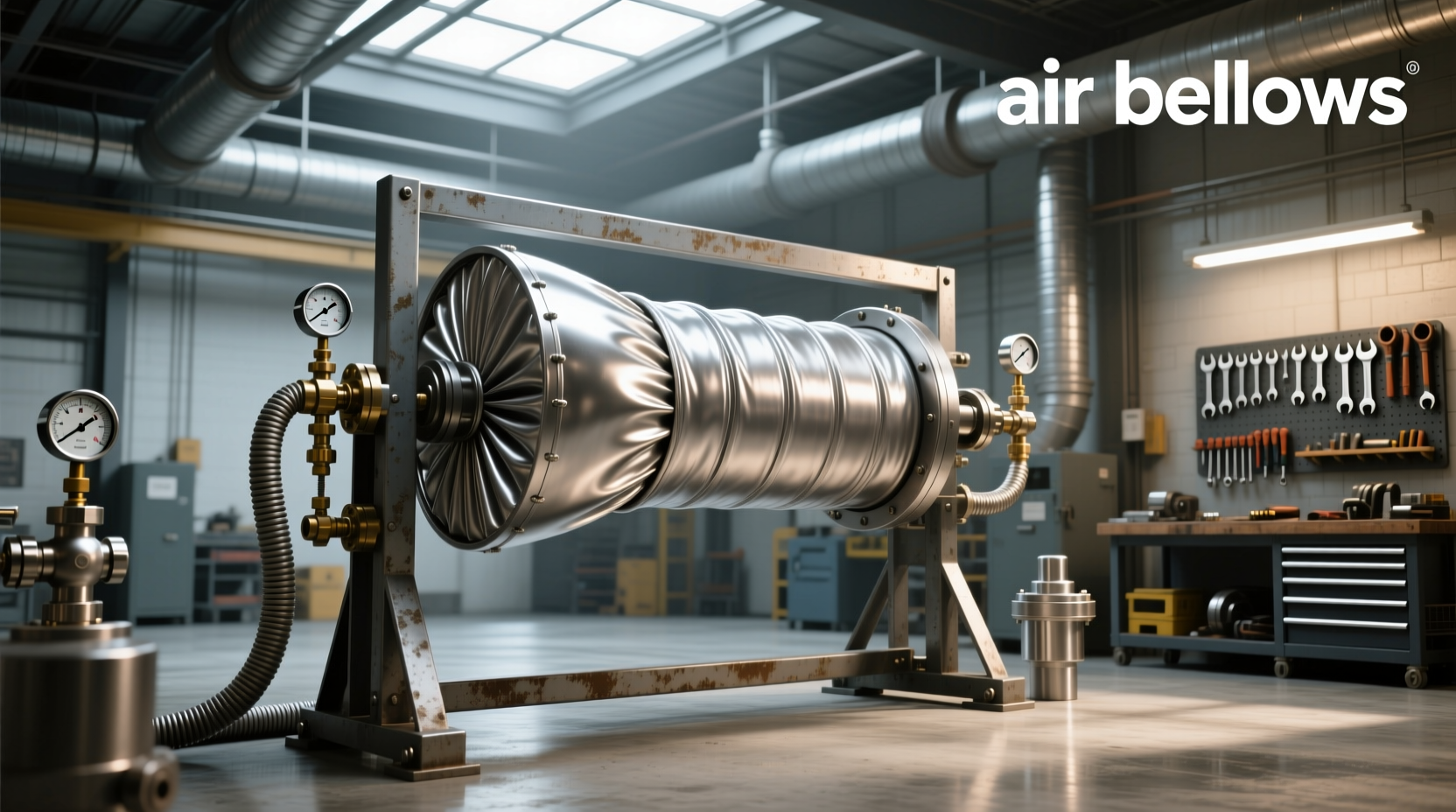
When it comes to maintaining ride comfort, load stability, and proper vehicle height—especially in trucks, SUVs, and commercial vehicles—air bellows, also known as air springs or air suspension bellows, play a critical role. These reinforced rubber components replace or supplement traditional coil or leaf springs by using compressed air to support the vehicle’s weight and absorb road impacts. Understanding how air suspension bellows work, their typical failure signs, and factors affecting longevity can help drivers make informed decisions about maintenance, upgrades, or replacements.
What Are Air Bellows in Automotive Suspension?
Air bellows—commonly referred to as air bags, air springs, or pneumatic springs—are flexible, airtight chambers typically made from layered rubber and reinforced with fabric or steel cords. Mounted at each wheel or axle point, these bellows inflate and deflate via an onboard air compressor system to adjust ride height, improve handling under load, and enhance driving comfort. Unlike metal springs, which have a fixed spring rate, air bellows allow dynamic adjustment based on conditions such as cargo weight, road surface, or driver preference.
They are most commonly found in:
- Heavy-duty pickup trucks (e.g., Ford F-250/F-350, Ram 2500/3500)
- Luxury sedans and SUVs (e.g., Mercedes-Benz, BMW, Audi)
- Commercial vehicles like buses, delivery vans, and semi-trailers
- RVs and motorhomes requiring leveling support
How Do Air Suspension Bellows Work?
The operation of air bellows is integrated into a broader air suspension system that includes several key components: the air compressor, air reservoir tank, solenoid valves, height sensors, and an electronic control unit (ECU). Here's a step-by-step breakdown of how the system functions:
- Sensing Load Changes: Height sensors monitor the distance between the chassis and axle. When the vehicle sags due to added weight (like towing a trailer), the ECU detects this change.
- Activating the Compressor: The ECU signals the air compressor to pump pressurized air into the storage tank.
- Distributing Air: Solenoid valves open to direct air from the tank to the appropriate air bellow(s).
- Inflating the Bellows: As air enters the bellow, it expands vertically, lifting the vehicle back to its preset ride height.
- Deflating When Needed: Excess air is released through exhaust valves when the load decreases or when lowering the vehicle for easier entry/exit.
This closed-loop system ensures consistent ground clearance and optimal alignment, improving both safety and comfort1.
Types of Air Bellows: Single, Double, and Triple Convolution
Air bellows come in different structural designs, primarily distinguished by the number of folds or 'convolutions' in the rubber sleeve. Each type offers unique advantages depending on application needs.
🔸 Single Bellow Design
The simplest form, featuring one large chamber with a single fold. It provides moderate stroke length and is often used in lighter applications such as passenger SUVs.
- Pros: Compact design, lower cost, sufficient for standard loads
- Cons: Limited travel range, less durability under heavy use
🔸 Double Bellow Design
Features two stacked chambers connected internally, allowing greater extension and compression compared to single bellows. This design is widely used in performance air suspension kits and heavy-load scenarios.
- Pros: Increased stroke, better stability during articulation, improved lifespan
- Cons: Larger footprint, slightly higher price
🔸 Triple Bellow Design
Includes three nested convolutions, maximizing vertical movement and load capacity. Common in extreme lowering setups (e.g., 'bagged' cars) or high-capacity commercial suspensions.
- Pros: Maximum travel, superior load distribution, excellent for aggressive stance tuning
- Cons: Expensive, requires precise installation, not ideal for daily-driven stock-height vehicles
| Bellow Type | Typical Use Case | Load Capacity Range | Average Lifespan |
|---|---|---|---|
| Single Convolution | Passenger SUVs, light trucks | 500–1,000 lbs | 60,000–80,000 miles |
| Double Convolution | Towing rigs, lifted trucks, performance builds | 1,000–2,500 lbs | 80,000–100,000 miles |
| Triple Convolution | Extreme lowering, commercial fleets | 2,000–4,500 lbs | 70,000–90,000 miles |
Common Problems with Air Suspension Bellows
Despite their benefits, air bellows are prone to certain failures over time. Recognizing early warning signs can prevent costly damage to other suspension components.
❗ Cracking and Dry Rot
Rubber degrades due to exposure to ozone, UV light, road chemicals, and temperature fluctuations. Over time, microscopic cracks appear, especially near creases or mounting points. Once cracking begins, air leakage accelerates rapidly.
❗ Air Leaks and Loss of Pressure
A hissing sound near the wheels or gradual sagging after parking may indicate a leak. Causes include:
- Punctures from debris
- Failed seals at top or bottom mounts
- Fatigue in rubber layers
❗ Compressor Overwork
If a bellow leaks, the compressor runs more frequently to maintain pressure, leading to premature failure. A constantly running compressor is often a symptom—not the root cause—of a failing air spring.
❗ Mounting Hardware Wear
Metal brackets, bolts, and eyelets corrode or loosen over time, especially in humid or salty environments. Misalignment can stress the bellow and lead to uneven wear.
Factors That Affect Air Bellows Longevity
Lifespan varies significantly based on usage, environment, and design quality. Most OEM air bellows last between 80,000 and 120,000 miles under normal conditions2. However, several factors influence durability:
- Driving Conditions: Frequent off-roading or rough roads increase stress on bellows.
- Cargo Load: Regularly exceeding recommended payload shortens life expectancy.
- Climate: Extreme cold makes rubber brittle; heat accelerates aging.
- System Maintenance: Draining moisture from the air tank prevents internal corrosion.
- Quality of Materials: Reinforced multi-ply rubber with protective coatings lasts longer than basic formulations.
Replacement vs. Conversion: Should You Repair or Upgrade?
When air bellows fail, owners face a choice: replace with original-style air springs or convert to conventional coil springs.
✅ Option 1: Replace with New Air Bellows
Ideal for those who value factory-like ride quality, self-leveling features, or plan to keep the vehicle long-term.
- Cost: $100–$300 per corner (parts only)
- Labor: 1.5–3 hours per axle depending on accessibility
- Considerations: Ensure compatibility with existing compressor and ECU; inspect all lines and valves during replacement.
✅ Option 2: Coil Spring Conversion Kits
Permanently removes air suspension and replaces it with durable steel springs. Popular among truck owners tired of recurring air system issues.
- Cost: $200–$600 for full kit
- Labor: Similar to replacement, but no need to reuse compressor
- Trade-offs: Loses automatic leveling and adjustable ride height; gains reliability and reduced maintenance.
There is no universal "better" option—it depends on your priorities: convenience and adjustability vs. simplicity and durability.
Buying Replacement Air Bellows: What to Look For
With numerous aftermarket options available, selecting the right air bellow requires attention to several technical and practical factors.
🔍 Compatibility
Ensure the model matches your vehicle’s make, model, year, and trim. Some vehicles have multiple suspension configurations (e.g., base vs. heavy-duty towing package), so verify fitment carefully.
🔧 Build Quality
Look for bellows made with:
- Multi-layer rubber construction
- Internal fabric reinforcement (e.g., polyester or nylon)
- Corrosion-resistant end caps (zinc-coated or stainless steel)
- Ozone- and UV-resistant outer coating
📦 Rebuildable vs. Sealed Units
Some industrial-grade bellows allow rebuilds (replacing internal bladders or seals), while most automotive versions are sealed and non-serviceable. Rebuildable units offer long-term savings but are rare in consumer vehicles.
🏷️ Brand and Warranty
Reputable manufacturers often provide 1–3 year warranties. While brand names don’t guarantee performance, established suppliers tend to adhere to stricter quality controls.
Installation Tips and Safety Precautions
Replacing air bellows involves working under a raised vehicle and dealing with pressurized systems. Follow these guidelines to ensure safety and proper function.
- Depressurize First: Turn off the ignition and disconnect the battery. Allow the system to fully deflate before starting work.
- Support Properly: Use jack stands—never rely solely on a hydraulic jack.
- Inspect Surrounding Parts: Check air lines, solenoids, and mounting hardware for wear while the system is disassembled.
- Follow Torque Specs: Overtightening mounting bolts can damage rubber seals.
- Bleed Moisture: After reassembly, run the compressor several times to purge any moisture in the lines.
Air Bellows Beyond Automotive: Industrial and Commercial Uses
While this guide focuses on vehicle applications, air bellows are also used in industrial machinery, robotics, and pneumatic actuators where controlled linear motion is needed. In these contexts, they serve as compact alternatives to hydraulic cylinders, offering smooth operation and minimal maintenance3.
Key differences include:
- Smaller stroke lengths
- Higher cycle rates
- Use in automation equipment, printing presses, and conveyor systems
FAQs About Air Bellows
- ❓ What is an air suspension bellow?
- An air suspension bellow is a flexible rubber chamber that uses compressed air to support vehicle weight and absorb shocks, functioning as a spring in place of metal coils or leaf springs.
- ❓ Which is better: sleeves or bellows in air suspension?
- Bellows offer greater load capacity and stability compared to sleeve-style air springs. Sleeves are simpler and cheaper but less durable under heavy loads or frequent cycling.
- ❓ What is the most common problem with air suspension?
- The most common issue is air leakage due to rubber degradation, leading to sagging corners, compressor overuse, and eventual system failure if not addressed.
- ❓ How much do suspension air bags cost?
- Replacement air bellows typically cost between $100 and $300 each, with premium or heavy-duty models reaching up to $500. Labor adds $150–$400 depending on complexity.
- ❓ Can I drive with a broken air bellow?
- Short-distance driving may be possible, but it risks damaging adjacent components, creating unsafe handling, and causing further system strain. Immediate repair is strongly advised.





 浙公网安备
33010002000092号
浙公网安备
33010002000092号 浙B2-20120091-4