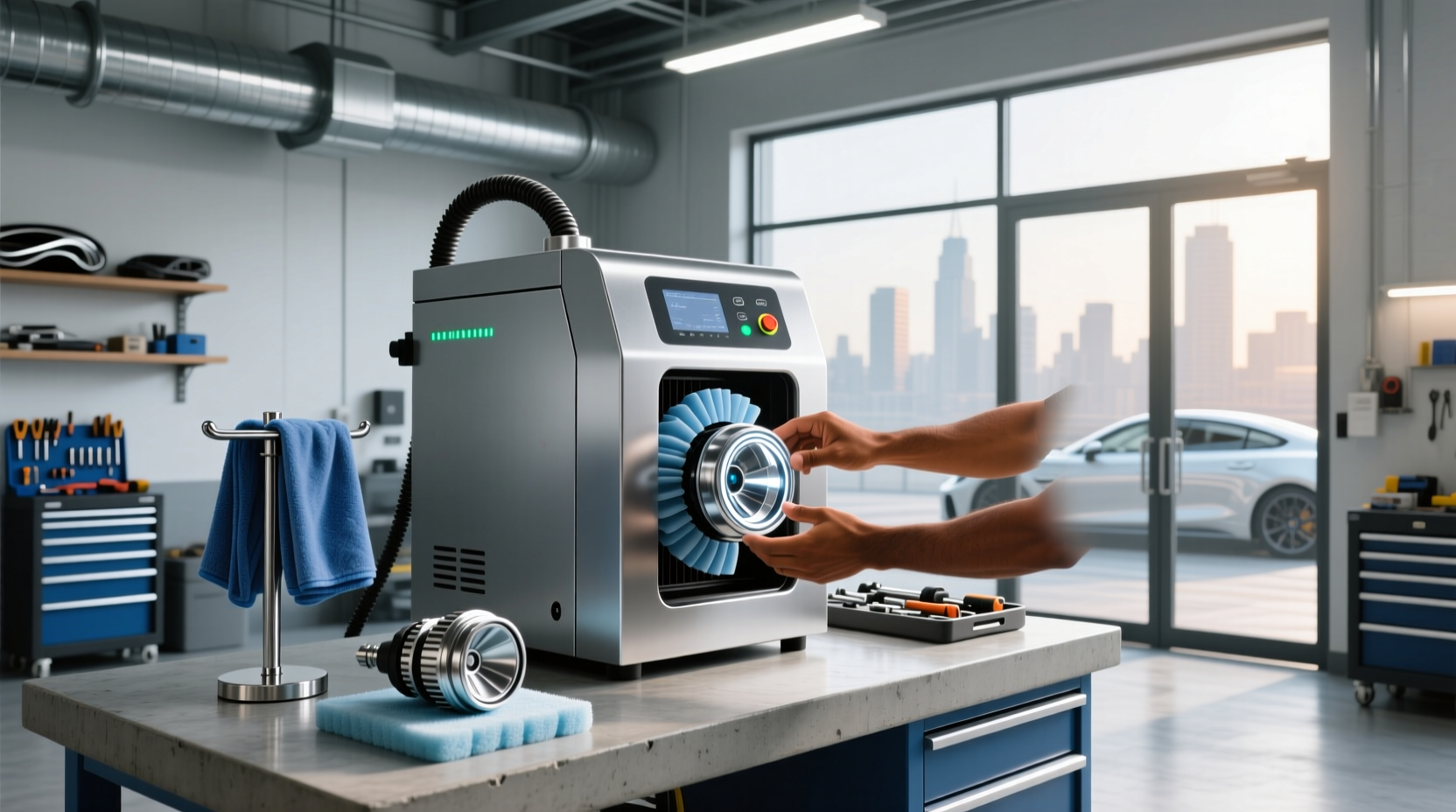
Restoring cloudy or yellowed headlights doesn’t require expensive replacements—many drivers are turning to car headlight cleaning machines and restoration systems to improve visibility and safety. These tools, combined with proper abrasives and sealants, can remove oxidation, UV damage, and surface haze from polycarbonate lenses in under an hour. While some opt for handheld polishing kits, others invest in motorized buffing systems or semi-professional tabletop units designed for repeated use. Understanding the difference between manual methods and actual mechanical cleaning devices is key to choosing the right solution for your needs.
What Is a Car Headlight Cleaning Machine?
A car headlight cleaning machine refers to any powered device engineered to automate or enhance the process of restoring degraded plastic headlight lenses. Unlike simple chemical sprays or sandpaper-based DIY kits, these machines typically involve rotating pads, orbital polishers, or even enclosed chambers that uniformly apply abrasives and polishes to eliminate oxidation without damaging the lens surface.
There are three main types:
- Orbital polishers – Handheld power tools (like dual-action buffers) used with compound pads.
- Tabletop restoration stations – Semi-professional units often found at auto shops that hold the headlight in place while automated arms polish it.
- Diy-compatible motorized kits – Compact electric tools bundled with restoration chemicals for home use.
While many products marketed as 'headlight cleaning machines' are actually just chemical kits with no moving parts, true machines incorporate mechanical action to ensure consistent, swirl-free results 1.
Why Headlights Deteriorate Over Time
Modern vehicle headlights are made from polycarbonate plastic, which is lightweight and impact-resistant but vulnerable to environmental degradation. The primary causes of cloudiness include:
| Factor | Effect on Headlights | Mitigation Strategy |
|---|---|---|
| UV Exposure | Causes polymer breakdown, leading to yellowing and brittleness | Apply UV-blocking sealant after restoration |
| Oxidation | Surface layer becomes porous and hazy due to oxygen exposure | Mechanical removal via polishing |
| Road Debris | Micro-scratches scatter light and trap dirt | Use fine-grade compounds during buffing |
| Poor Quality Coatings | Factory clear coat wears thin over time | Reapply protective layer post-cleaning |
Without intervention, this deterioration reduces light output by up to 80%, significantly affecting nighttime driving safety 2.
Manual Kits vs. Mechanical Cleaning Machines
When searching for a car headlight cleaning solution, consumers often encounter two categories: chemical restoration kits and actual powered machines. It's important to distinguish between them based on performance expectations and longevity of results.
Chemical Restoration Kits (DIY Approach)
These are the most commonly sold products online and usually contain:
- Oxidation remover gel
- Fine-grit sandpaper or scouring pads
- Polishing compound
- UV-protective sealant
They rely on manual effort using sponges or hand-applied pads. Though inexpensive (often under ₹1,500), they demand precision and patience. Uneven pressure can cause 'pigtailing'—swirl marks that degrade optical clarity further.
Powered Cleaning Systems (Machine-Based)
True headlight cleaning machines use controlled rotational speed and even pad contact to achieve uniform results. Key advantages include:
- Consistent pressure distribution ⚙️
- Faster processing time (15–30 minutes per headlight) ⏱️
- Reduced risk of overheating or gouging the lens
- Better finish quality when paired with multi-step compounds
However, these systems tend to be more expensive and may not be cost-effective for one-time users.
Key Features to Evaluate in a Headlight Cleaning Machine
If you're considering investing in a machine—whether for personal use or small-scale detailing work—focus on these technical aspects:
1. Variable Speed Control ⚙️
Machines with adjustable RPM settings allow safer operation on delicate plastics. Start at lower speeds (1,200–1,800 RPM) for coarse correction, then increase for final polishing.
2. Pad Compatibility ✅
Ensure the machine accepts standard foam or microfiber polishing pads (typically 5-inch diameter). Universal backing plates make it easier to source replacement pads locally.
3. Ergonomics and Weight 🛠️
For handheld models, balance and grip matter. A poorly balanced tool can lead to user fatigue and inconsistent finishes, especially during extended sessions.
4. Integrated Dust Extraction (for Bench Models) 🌬️
Semi-professional bench-top units sometimes include vacuum ports to capture plastic dust generated during wet sanding—a useful feature for indoor workshops aiming to maintain air quality.
5. Inclusion of Step-by-Step Process Guides 📋
The best systems come with detailed instructions covering grit progression, compound selection, and sealing techniques. Look for those specifying exact dwell times and application pressures.
Step-by-Step: Using a Car Headlight Cleaning Machine
Whether using a full machine or a powered buffer, follow this standardized procedure for optimal clarity restoration:
- Remove Headlights (Optional but Recommended): For best access and control, detach the headlight assembly from the vehicle. This prevents accidental overspray or liquid ingress into electrical components.
- Clean Surface Thoroughly: Use isopropyl alcohol or degreaser to remove wax, oil, and grime. Any residue will interfere with abrasion effectiveness.
- Begin Wet Sanding (if needed): On heavily oxidized lenses, start with 800–1000 grit wet sandpaper to level the surface. Rinse frequently to avoid clogging.
- Progress to Finer Grits: Move through 1500, then 2000 grit paper to eliminate sanding marks before machine polishing.
- Apply First Polish Stage: Attach a wool or firm foam pad to the machine. Use a cutting compound at ~1,500 RPM in overlapping passes until haze lifts.
- Final Buffing: Switch to a soft foam pad and finishing polish at higher speed (~2,500 RPM) for a glossy, clear finish.
- Seal the Lens: Immediately apply a UV-resistant coating to prevent rapid re-oxidation. Silicone-based sprays or ceramic sealants last longest.
- Reinstall and Test: Reattach headlights and verify beam pattern alignment.
This entire process, when done correctly, restores up to 95% of original luminosity.
Cost Comparison: DIY Kit vs. Machine Investment
Understanding long-term value helps determine whether a machine makes sense financially.
| Solution Type | Average Cost (INR) | Lifespan | Best For |
|---|---|---|---|
| Basic Chemical Kit | ₹299 – ₹799 | Single use | One-time home restoration |
| Premium Multi-Step Kit | ₹999 – ₹1,600 | 1–2 uses | Enthusiasts wanting better results |
| Entry-Level Orbital Polisher | ₹2,500 – ₹5,000 | Years (with care) | Multiple vehicles or side business |
| Professional Tabletop Unit | ₹15,000+ | 5+ years | Auto detail shops |
For occasional users, a high-quality kit offers better ROI. But for professionals or frequent restorers, a machine pays for itself within 5–6 jobs.
Common Misconceptions About Headlight Cleaning Machines
Several myths persist about what these machines can achieve:
Myth 1: "Any Power Tool Will Work"
Using a generic drill or rotary tool risks melting the plastic due to excessive speed or uneven pressure. Only dual-action (DA) or gear-driven polishers designed for automotive use should be used.
Myth 2: "Cleaning Eliminates Need for Replacement"
While effective for mild-to-moderate oxidation, severely cracked or internally fogged lenses cannot be repaired mechanically. In such cases, replacement is safer and more durable.
Myth 3: "Results Last Forever"
Even with proper sealing, restored headlights will eventually re-oxidize—typically within 1–3 years depending on climate and exposure. Regular waxing extends life.
Regional Considerations: Climate Impact on Restoration Longevity
Environmental conditions significantly affect both the rate of headlight degradation and the durability of cleaned results:
- Tropical/Humid Regions: High moisture accelerates oxidation; recommend hydrophobic ceramic coatings.
- Arid/Sunny Climates: Intense UV radiation increases yellowing; prioritize UV-blocking sealants.
- Cold Weather Areas: Freeze-thaw cycles can compromise adhesion of aftermarket coatings; ensure full curing before exposure.
In India, for example, regions like Rajasthan and Gujarat see faster lens degradation due to prolonged sun exposure, making periodic maintenance essential 3.
Can You Rent or Access Machines Without Buying?
Yes. Many auto parts stores and tool rental outlets offer orbital polishers and DA sanders for daily hire. This is ideal for homeowners who want professional-grade results without upfront investment.
Alternatively, local detailing garages often provide headlight restoration services for ₹800–₹2,000 per pair, using commercial equipment. Compare labor cost versus self-repair before deciding.
Are There Permanent Fixes Available?
No restoration method is truly permanent because all plastic degrades over time. However, newer technologies like ceramic-infused coatings and nano-sealants extend clarity duration beyond traditional solutions.
Some advanced kits now include UV-stable topcoats that bond chemically with polycarbonate, offering protection for up to 3 years under normal conditions. These are especially useful in markets where replacement headlights are costly or hard to source.
Environmental and Safety Precautions
During the cleaning process, fine plastic particles and chemical residues are produced. Follow these guidelines:
- Work in a well-ventilated area or outdoors 🔍
- Wear N95 mask and nitrile gloves 🧤
- Use water during sanding to suppress dust 🌧️
- Dispose of used pads and liquids responsibly ♻️
Never pour polishing slurry down drains—it can clog pipes and harm aquatic ecosystems.
Alternatives to Machine-Based Cleaning
If a machine isn't feasible, consider these alternatives:
- Toothpaste Method: Mild abrasive in white toothpaste can temporarily reduce haze (not recommended for deep oxidation).
- WD-40: Provides short-term shine but does not remove oxidation and may degrade rubber seals over time.
- Replacement Lenses: OEM or aftermarket units offer factory-new clarity but at higher cost.
While convenient, these lack the precision and durability of proper mechanical restoration.
How to Verify Product Claims Before Purchase
Many products claim 'instant' or 'permanent' fixes. To assess legitimacy:
- Check independent testing videos (e.g., Project Farm on YouTube) 🔍
- Look for real-world before-and-after photos, not stock images ✅
- Review return policies and warranty terms 📝
- Avoid kits lacking ingredient lists or application instructions ❗
Transparency in formulation and process steps indicates a credible product.
Conclusion: Is a Car Headlight Cleaning Machine Worth It?
A dedicated car headlight cleaning machine delivers superior, repeatable results compared to manual kits—especially for users planning multiple restorations. For single-use scenarios, a premium chemical kit with step-by-step guidance may suffice.
The decision ultimately depends on frequency of use, desired finish quality, and budget. Regardless of method, always apply a UV-protective sealant post-cleaning to maximize longevity.
Frequently Asked Questions
- Do headlight cleaning kits really work?
- Yes, for mild to moderate oxidation. They remove surface haze using abrasives and restore clarity, but results vary based on technique and product quality.
- Does WD-40 clean headlights permanently?
- No. WD-40 temporarily fills micro-scratches, creating a shiny appearance, but it evaporates quickly and doesn’t address oxidation.
- How do I restore cloudy headlights effectively?
- Use a multi-step process: clean, wet-sand (if needed), polish with a machine or pad, then seal with UV-protective coating.
- What is the best thing to clean headlights with?
- A structured restoration kit with graded abrasives and a final sealant works best. For machines, use automotive-specific polishing compounds.
- Can I use a regular buffer on car headlights?
- Only if it’s a dual-action (DA) polisher with variable speed. Rotary buffers generate too much heat and can melt plastic lenses.





 浙公网安备
33010002000092号
浙公网安备
33010002000092号 浙B2-20120091-4