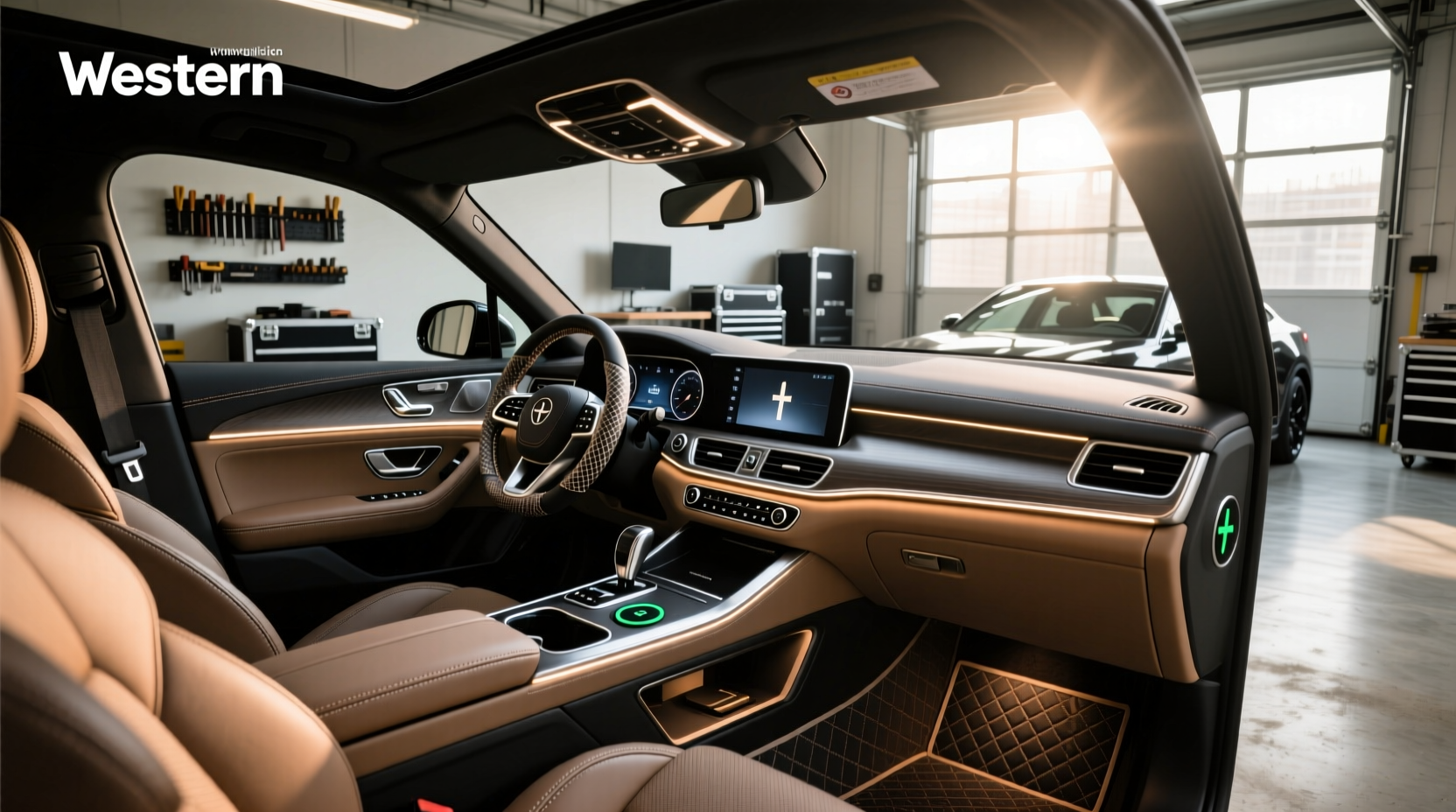
Car interior modification is a growing trend among vehicle owners looking to personalize comfort, improve aesthetics, or upgrade functionality. Whether you're considering dashboard customization, installing LED lighting, adding sound-deadening materials, or reupholstering seats, understanding the right techniques and materials can make a significant difference in both outcome and long-term durability ✅. This guide covers everything from beginner-friendly upgrades like vinyl wrapping and ambient lighting ⚡ to advanced projects such as custom dash fabrication and infotainment integration — helping you avoid common pitfalls and achieve professional results without overspending.
Why People Modify Their Car Interiors
Car interior modification goes beyond mere appearance; it's often driven by a desire for personalization, improved driving experience, or restoring older vehicles to modern standards. Many drivers feel their factory-installed interiors lack character or fail to meet evolving lifestyle needs. For example, parents may want easier-to-clean surfaces, while enthusiasts seek performance-oriented features like short-throw shifters or racing seats 👥.
According to automotive customization trends, interior upgrades are among the most accessible ways to enhance a vehicle’s value and daily usability 1. Unlike engine modifications, which require technical expertise and regulatory compliance, interior changes typically involve lower risk and cost. However, poor execution can lead to peeling wraps, electrical issues, or even safety concerns if airbag zones are compromised ❗.
Popular Types of Interior Modifications
Understanding the range of available modifications helps prioritize projects based on budget, skill level, and desired impact. Below are some of the most common types:
Dashboard Customization (Dashboard Painting & Wrapping)
One of the most visible areas in any car, the dashboard sets the tone for the entire cabin. Over time, UV exposure causes fading and cracking, making restoration appealing. Two popular methods include spray painting and vinyl wrapping ✨.
Spray painting requires sanding, priming, and applying heat-resistant paint that matches OEM finishes. When done correctly — especially with a clear coat — the result can mimic factory quality 2. However, improper ventilation or incorrect materials can lead to bubbling or discoloration.
Vinyl wrapping, particularly with carbon fiber or matte finish films, offers a reversible option. It protects the original surface and comes in various textures and colors. Installation requires precision around vents and instrument clusters to prevent lifting 🔧.
LED Lighting Upgrades
Ambient lighting is one of the easiest and most impactful car interior modifications. Modern kits offer RGB color control via smartphone apps, allowing mood-based settings 🌐. These lights are typically installed under dashboards, footwells, door panels, and cup holders.
While plug-and-play kits are widely available, care must be taken not to overload circuits or block critical indicators. Some high-end systems integrate with vehicle data (e.g., changing color during turn signals), but these require professional wiring knowledge ⚙️.
Sound Deadening and Acoustic Insulation
Noisy cabins detract from comfort, especially on highways. Sound-deadening mats made from butyl rubber or asphalt-based composites reduce road, wind, and engine noise. Applied to doors, floor pans, and wheel arches, they also improve audio system clarity.
DIY installation involves removing trim panels and cutting sheets to fit contours. While labor-intensive, this modification pays off in ride quality and perceived luxury. Be cautious not to cover sensors or drainage channels when reinstalling panels 🧰.
Seat Reupholstery and Trim Replacement
Fabric wear, stains, or outdated styles prompt many to re-cover seats. Options include leather, Alcantara, or durable synthetic fabrics. Full reupholstery may require sewing skills or professional help, but pre-cut kits simplify the process.
When modifying seat covers, ensure airbag deployment paths remain unobstructed. Sewn-in seams or thick padding could interfere with inflation speed, posing safety risks ❗.
Center Console and Storage Modifications
Adding USB ports, wireless chargers, or custom storage compartments enhances convenience. Some owners install sliding trays or hidden compartments for secure item storage.
Electrical additions should use fused circuits and proper gauge wiring. Direct battery connections without fuses risk fire hazards. Consider using OBD-II powered adapters for low-draw devices like phone chargers 🔋.
Infotainment and Display Upgrades
Replacing factory head units with touchscreen displays is a common tech upgrade. These allow Apple CarPlay, Android Auto, navigation, and backup camera integration.
Compatibility varies by make and model. Aftermarket units may lose steering wheel controls or climate display functions unless harness adapters are used. Alternatively, some opt for digital instrument cluster swaps or heads-up displays (HUDs) for real-time driving data 📊.
Materials Used in Interior Modifications
The choice of material significantly affects durability, appearance, and cost. Here’s a breakdown of commonly used options:
| Material | Best For | Pros | Cons |
|---|---|---|---|
| Vinyl Wrap | Dash, trim, pillars | Low cost, reversible, wide variety | Lifts over time, sensitive to heat |
| Spray Paint (Heat-Resistant) | Dashboards, plastic trims | Durable finish, OEM-like look | Requires prep work, toxic fumes |
| Carbon Fiber (Real/Simulated) | Trim accents, shift knobs | Premium look, lightweight | Expensive, real version fragile |
| Leather/Alcantara | Seats, steering wheel | Comfort, luxury feel, easy clean | High cost, needs maintenance |
| Acoustic Damping Mats | Floors, doors, roof lining | Reduces noise, improves audio | Heavy, messy installation |
DIY vs Professional Modification: What to Choose?
Many car owners debate whether to tackle modifications themselves or hire professionals. The decision depends on several factors:
- Skill Level: Basic tasks like installing LED strips or applying vinyl wraps can be learned through tutorials. More complex jobs like rewiring dashboards or fabricating new console parts require experience ⏱️.
- Time Investment: A full sound-deadening job might take 10–15 hours for a novice. Professionals complete it faster but charge $300–$800 depending on region 📍.
- Warranty Concerns: Modifying electronic components may void manufacturer warranties. Always check terms before altering infotainment or sensor systems.
- Budget: DIY saves labor costs but risks mistakes. Poorly applied wraps or loose wires can lead to higher repair bills later 💸.
For high-visibility or safety-critical areas (e.g., dashboard near airbags), professional service is often worth the investment. For temporary or cosmetic changes, DIY offers flexibility.
Common Mistakes to Avoid in Car Interior Modification
Even experienced modifiers encounter setbacks. Learning from others’ errors can save time and money:
- Ignoring Heat Resistance: Standard paints or adhesives degrade under dashboard temperatures exceeding 160°F (70°C). Always use automotive-grade, UV-stable products.
- Blocking Air Vents or Sensors: Adding layers behind dash panels can obstruct HVAC airflow or blind-spot monitoring systems. Test all functions post-installation 🔍.
- Using Non-Conductive Adhesives Near Electronics: Certain foams or tapes can cause static buildup, damaging sensitive modules.
- Overlooking Ventilation During Painting: Spray painting indoors without proper exhaust exposes you to harmful VOCs. Work in well-ventilated areas with respirators.
- Improper Grounding in Electrical Mods: Poor grounding leads to flickering lights or ECU interference. Use dedicated grounding points, not random metal bolts.
Legal and Safety Considerations
Not all modifications are legal everywhere. Regulations vary by country and state:
- In the U.S., federal law prohibits modifications that impair required safety equipment, including airbags and seat belts 3.
- Bright interior lighting may be restricted at night in certain states (e.g., California Vehicle Code Section 25102) if it distracts the driver.
- Aftermarket screens must not obstruct forward visibility — mounting tablets on dashboards is illegal in many jurisdictions.
Always verify local laws before proceeding. When in doubt, consult a certified mechanic or dealership technician.
Tips for Planning Your Interior Modification Project
A successful modification starts with planning. Follow these steps:
- Define Your Goal: Are you enhancing comfort, upgrading tech, or improving resale value? Clear objectives guide material and method choices.
- Set a Realistic Budget: Include tools, materials, and potential professional help. Unexpected costs arise from damaged clips or missing fasteners.
- Research Compatibility: Not all kits fit all models. Check forums or owner groups for your specific year/make/model.
- Gather Tools: Common tools include trim removal tools, heat guns, multimeters, and socket sets. Rent specialized tools if needed.
- Document Disassembly: Take photos during teardown to remember wiring routes and clip locations.
- Test Before Final Assembly: Power up electronics and test switches before closing panels.
Cost Overview of Common Interior Modifications
Prices vary widely based on vehicle type and labor rates. Below is a general estimate for common upgrades:
| Modification | DIY Cost Range | Professional Cost Range | Time Required |
|---|---|---|---|
| Vinyl Dashboard Wrap | $30–$80 | $150–$300 | 3–6 hours |
| LED Ambient Lighting Kit | $20–$60 | $100–$200 | 2–4 hours |
| Sound Deadening (Full Car) | $100–$200 | $500–$900 | 10–15 hours |
| Seat Reupholstery (Per Seat) | $100–$300 | $400–$800 | 4–8 hours |
| Aftermarket Touchscreen Install | $200–$500 | $600–$1,200 | 5–8 hours |
Note: Luxury or classic cars may incur higher costs due to rarity of parts or complexity.
Future Trends in Car Interior Customization
As vehicles become more digital, interior mods are shifting toward smart integration. Emerging trends include:
- Smart Surfaces: Dashboards with touch-sensitive zones or haptic feedback.
- Biometric Controls: Voice, gesture, or fingerprint recognition replacing physical buttons.
- Modular Interiors: Swappable trim panels or seating configurations for different uses (commute vs. cargo).
- Sustainable Materials: Recycled fabrics, bamboo trim, or plant-based leathers gaining popularity.
These innovations suggest that future modifications will focus less on aesthetics and more on seamless connectivity and eco-conscious design 🌍.
Frequently Asked Questions (FAQ)
Below are answers to common questions about car interior modification:
- Can you modify a car dashboard safely?
- Yes, but only if you avoid drilling into structural supports or airbag zones. Use non-invasive methods like wrapping or overlay kits when possible.
- How to make a car dashboard look better without replacement?
- You can restore or enhance appearance using UV-protective cleaners, paint restoration, or apply a matte/glossy vinyl wrap tailored to your dashboard shape.
- Is it possible to change the dashboard of a car?
- It’s technically possible but highly complex. Requires rewiring, HVAC duct adaptation, and alignment with safety systems. Usually done in full restorations or kit cars.
- What are the best DIY car interior mods for beginners?
- Beginner-friendly options include LED lighting, floor mat upgrades, steering wheel covers, and vinyl trim wraps — all low-risk and reversible.
- Do interior modifications affect car resale value?
- Well-executed, tasteful upgrades can increase appeal, especially tech or comfort features. Over-the-top or poorly done mods may deter buyers.





 浙公网安备
33010002000092号
浙公网安备
33010002000092号 浙B2-20120091-4