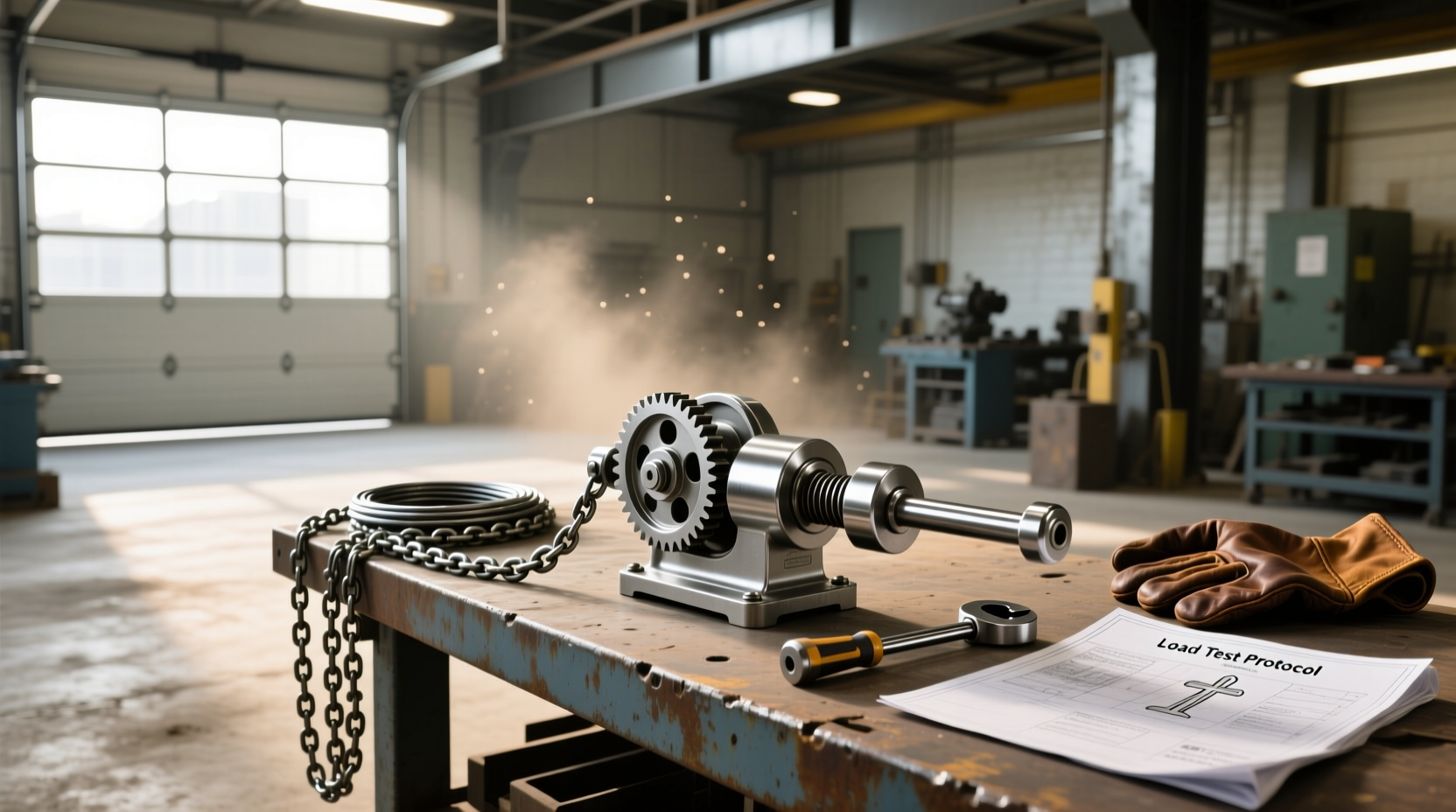
🔧 A chain puller tool is an essential device used to tension and connect roller chains efficiently, especially in tight spaces where manual force isn’t enough. Whether you're maintaining a motorcycle, ATV, go-kart, or industrial machinery, understanding how to use a chain puller tool can save time and prevent damage to chain links during installation. This guide breaks down everything you need to know—from function and types to proper usage techniques and common mistakes to avoid—so you can choose and apply the right tool with confidence.
What Does a Chain Puller Tool Do?
A chain puller, sometimes referred to as a roller chain connecting tool or chain tensioning holder, applies controlled pressure to bring two ends of a roller chain together. This makes it easier to insert the master link (also known as a connecting link), which secures the chain loop. Without sufficient alignment and tension, inserting the master pin can be difficult and may result in misalignment, premature wear, or even chain failure under load.
This tool is particularly useful when working with stiff or worn chains that resist compression by hand. It ensures even force distribution across the inner plates, reducing the risk of bending pins or damaging side plates. In both workshop and field environments, using a dedicated chain puller improves safety and reliability during maintenance tasks.
Common Applications Across Industries
⚙️ Chain pullers are widely used across several mechanical domains:
- Motorcycle Maintenance: When replacing or repairing drive chains, mechanics often struggle to align the chain ends due to sprocket tension. A chain puller simplifies this process significantly.
- ATV and Go-Kart Repair: Compact drivetrains make access challenging; these tools provide leverage where fingers can't reach.
- Industrial Machinery: Conveyor systems, agricultural equipment, and manufacturing lines rely on durable roller chains. During scheduled servicing, technicians use chain pullers to reconnect chains after inspection or replacement 1.
- Bicycle Drivetrains: Especially e-bikes or high-torque models with stiffer chains benefit from precise alignment tools.
These scenarios share a common challenge: limited space and high resistance when trying to compress inner links. The chain puller addresses this by acting as a temporary clamp that pulls the chain rollers into position.
Different Types of Chain Puller Tools
Not all chain pullers work the same way. Understanding the variations helps ensure compatibility with your specific chain type and pitch size.
1. Manual Screw-Type Chain Pullers
✅ These are the most common and affordable options. They feature a threaded rod that turns via a handle or wrench, gradually increasing tension between two jaws that grip the chain’s inner plates. As the screw advances, it draws the chain ends closer together.
- Pros: Durable, reusable, no power source required.
- Cons: Slower operation; requires steady torque application.
- Ideal For: Occasional users, DIY mechanics, small workshops.
2. Ratcheting Chain Pullers
⚡ These tools operate like a cable tie mechanism—each pull of the handle increases tension incrementally. Once engaged, they lock automatically until released.
- Pros: Faster setup, consistent force delivery.
- Cons: More complex internal parts may wear over time.
- Ideal For: High-frequency repairs in service centers.
3. Integrated Chain Breaker/Puller Combos
🔧 Some multi-function tools combine chain breaking (pushing out pins) and pulling capabilities in one unit. While convenient, they may sacrifice precision compared to specialized single-purpose models.
- Pros: Saves storage space; cost-effective for generalists.
- Cons: May not perform optimally at extreme chain sizes. \li> Ideal For: Mobile technicians or hobbyists with limited tool budgets.
4. Heavy-Duty Hydraulic Models
🏭 Used primarily in industrial settings, hydraulic chain pullers deliver massive force for large-pitch chains (#80, #100, etc.). These are typically mounted or bench-fixed and powered by external pumps.
- Pros: Handles extreme loads; suitable for conveyor belts and mining equipment.
- Cons: Expensive, bulky, requires training.
- Ideal For: Plant maintenance teams handling heavy machinery.
| Tool Type | Best For Chain Sizes | Force Output | Portability | Price Range |
|---|---|---|---|---|
| Screw-Type | #25–#60 | Moderate | High | $20–$50 |
| Ratcheting | #35–#80 | High | Medium | $40–$90 |
| Combo Tool | #25–#50 | Low-Moderate | High | $30–$70 |
| Hydraulic | #80+ | Very High | Low | $200+ |
How to Choose the Right Chain Puller Tool
Selecting the correct model depends on several factors beyond just price. Here’s what to evaluate before making a decision:
1. Match Chain Size and Pitch
📌 Roller chains are standardized by ANSI or ISO designations such as #40, #50, or 428H. Each has a specific pitch (distance between pins), width, and roller diameter. Your chain puller must accommodate the exact dimensions of your chain.
- For example, a #25 chain has a 0.25” pitch, while a #60 chain uses a 0.75” pitch. Using a mismatched tool can damage the chain or fail to engage properly.
- Check manufacturer specs for supported range—some tools cover #25 through #60, others only narrow bands.
2. Consider Jaw Design and Grip Mechanism
🔍 Look for models with adjustable or interchangeable jaws that conform to different chain widths. Smooth but secure contact prevents slippage during tensioning. Some designs include grooved surfaces to match roller curvature, enhancing stability.
3. Material Quality and Durability
🛠️ Most quality pullers are made from forged steel or heat-treated alloy. Avoid plastic-bodied or thin-metal versions—they may bend under pressure. Check for rust-resistant coatings if used in humid environments.
4. Ease of Use and Ergonomics
⏱️ If you perform frequent chain changes, prioritize tools with quick-release mechanisms or ergonomic handles. A poorly designed lever arm can cause fatigue or inconsistent results.
5. Compatibility with Master Link Installation
🧰 Ensure there's enough clearance around the chain end to allow insertion of the master link once compressed. Some compact tools obstruct access, requiring disassembly mid-process—an inefficient workflow.
Step-by-Step: How to Use a Chain Puller Tool
Follow these steps to safely and effectively connect a roller chain using a chain puller:
- Prepare the Chain Ends: Make sure both ends are clean and free of debris. Align the inner plate holes so they face each other directly.
- Position the Puller Jaws: Attach the tool’s gripping arms to the outer side plates of the chain, ensuring full engagement with the rollers.
- Engage the Tensioning Mechanism: Turn the screw slowly or pump the ratchet until the inner links begin to close. Watch for alignment—do not force if binding occurs.
- Insert the Master Link: With tension maintained, slide the master link into place. Secure with a cotter pin or spring clip depending on type.
- Release Pressure Gradually: Back off the screw or release the ratchet mechanism carefully to avoid sudden movement.
- Inspect the Connection: Rotate the chain manually to confirm smooth articulation and proper seating of the master link.
❗ Never stand in line with the chain during compression—stored energy could cause injury if components fail. Always wear protective eyewear.
Common Mistakes When Using Chain Pullers
Even experienced users make errors that compromise performance or safety. Be aware of these pitfalls:
- Over-tightening the Screw: Excessive force can deform inner plates or stretch side links, leading to uneven wear.
- Using on Worn Chains: Severely elongated chains may not compress evenly, causing false alignment. Replace excessively worn chains instead of forcing reconnection.
- Ignoring Chain Directionality: Some master links are directional. Installing backward reduces strength and increases risk of disengagement.
- Skipping Lubrication: Dry chains increase friction and require more pull force. Lightly lubricating the rollers beforehand eases the process.
Chain Puller vs. Chain Breaker: What’s the Difference?
❓ Many confuse these tools, but their functions differ:
- Chain Breaker: Pushes out rivet pins to separate chain links. Used for shortening or removing sections.
- Chain Puller: Brings two ends together without altering pin position. Used solely for reconnection.
While some combo tools offer both features, standalone units usually perform better due to optimized mechanics. If you frequently install and remove chains, consider owning both.
Tips for Maintaining Your Chain Puller Tool
To extend lifespan and ensure reliable performance:
- Clean After Use: Wipe away grease, dirt, and metal shavings.
- Lubricate Moving Parts: Apply light machine oil to threads and pivot points every few uses.
- Store Properly: Keep in a dry toolbox; avoid dropping or stacking heavy items on top.
- Inspect Regularly: Check for cracked jaws, stripped screws, or bent levers.
Frequently Asked Questions (FAQs)
- Can I use a chain puller on a stretched chain?
- No, severely worn or elongated chains should be replaced. Attempting to reconnect them may create weak points prone to failure under load.
- What is the difference between #40 and #41 roller chains?
- #40 has a 0.5” pitch and standard roller width; #41 has the same pitch but narrower rollers and higher tensile strength, often used in motorcycles.
- How much force does a typical chain puller generate?
- Manual models produce 500–1,500 lbs of force depending on design and leverage. Industrial hydraulic versions exceed 5,000 lbs.
- Is a chain puller necessary for bicycle chains?
- For standard derailleur bikes, finger pressure is usually sufficient. However, e-bikes or shaft-driven models with stiffer chains may benefit from a mini puller.
- Can I make a DIY chain puller?
- Some users fabricate simple holders from metal brackets and bolts, but homemade tools lack precision and safety certification. Not recommended for critical applications.





 浙公网安备
33010002000092号
浙公网安备
33010002000092号 浙B2-20120091-4