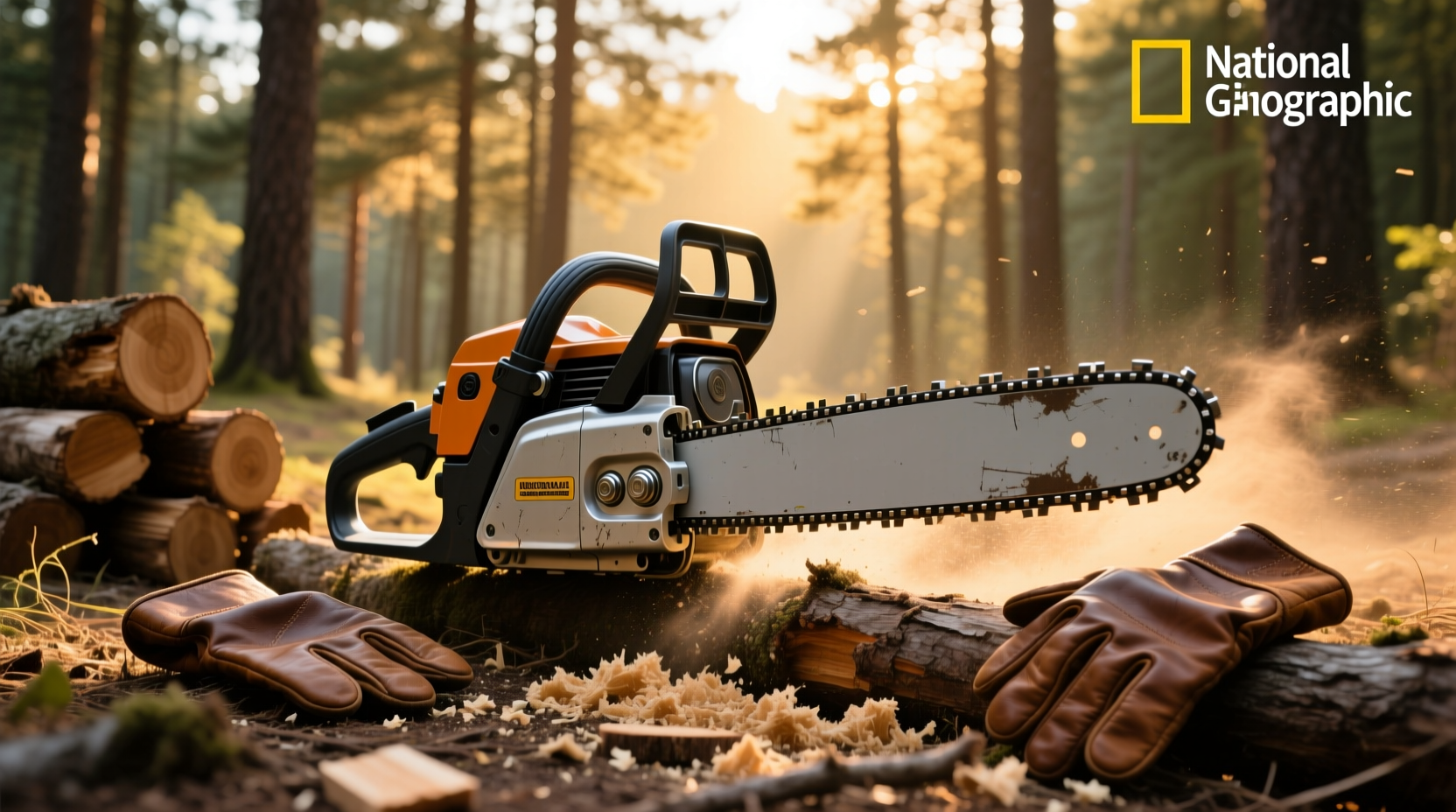
🔧 A decompression valve on a chainsaw is a small but critical component that makes engine starting significantly easier—especially in cold conditions. By temporarily releasing cylinder pressure during pull-starting, it reduces resistance and prevents kickback, allowing the engine to spin up faster before full compression resumes. This feature is common in modern 2-stroke gasoline chainsaws and plays a key role in user safety and convenience. Understanding how it works, recognizing when it fails, and knowing how to maintain or replace it can save time, effort, and potential damage during operation.
Why Chainsaws Need a Decompression System
Starting a small internal combustion engine like the one in a chainsaw requires overcoming significant compression force. In a typical 2-stroke engine, each pull of the starter rope must rotate the crankshaft while compressing the air-fuel mixture inside the cylinder. Without assistance, this creates high resistance—often making cold starts difficult, especially for older users or those with limited strength.
⚙️ The decompression valve mechanism addresses this by opening a passage that allows some of the compressed gases to escape from the combustion chamber just before ignition. This effectively lowers the peak compression pressure during cranking, reducing the physical effort needed to turn over the engine. Once the engine begins rotating at sufficient speed, the valve closes automatically, restoring normal compression so combustion can occur.
This system is particularly valuable in outdoor environments where temperature fluctuations affect engine performance. Cold weather increases oil viscosity and slows fuel vaporization, both of which make engines harder to start. A functioning decompression valve mitigates these challenges by ensuring smoother, more consistent pull starts.
How a Decompression Valve Works: Step-by-Step
The operation of a decompression valve may seem simple, but its integration into the engine’s timing and valvetrain (or in this case, cylinder head design) is precise. Here's how it functions in most small-engine applications:
- Pre-Start Position: When the chainsaw is off and you prepare to start it, the decompression valve—usually located near the cylinder head—is closed under spring tension.
- Activation (Manual or Automatic): Some models have a manual lever; others use an automatic system triggered by slow cranking speed. Pressing the decompression button (if equipped) lifts a small plunger that briefly opens the exhaust port or a dedicated bleed passage.
- Reduced Compression Phase: As the piston rises during the compression stroke, pressure builds—but instead of being fully contained, excess pressure escapes through the open valve. This prevents the engine from locking up due to high resistance.
- Engine Spin-Up: With reduced compression, the flywheel gains momentum more easily with fewer pulls. This increases the likelihood of reaching the minimum RPM required for spark ignition.
- Valve Closure: Once cranking speed increases past a threshold (typically above 300–400 RPM), centrifugal force or spring action closes the valve. Full compression returns, enabling proper combustion if fuel and spark are present.
📌 This process happens within seconds and is designed to be intuitive. However, malfunctions can disrupt the entire starting sequence, leading many users to mistakenly believe the issue lies with the spark plug, carburetor, or fuel supply.
Signs of a Failing Decompression Valve
When a decompression valve isn't working correctly, starting becomes noticeably harder. Recognizing early warning signs helps prevent extended downtime or unnecessary part replacements. Common symptoms include:
- Excessive Pull Resistance: If every pull feels extremely stiff—even after warming the engine slightly—it may indicate the valve isn’t releasing pressure.
- Inconsistent Starts: The saw might start fine one day but become nearly impossible the next, especially in cooler temperatures.
- Need for Multiple Priming Cycles: Users often compensate for hard starts by flooding the engine with extra fuel, which can foul the spark plug over time.
- Starter Rope Recoil Issues: A damaged or stuck valve can cause abrupt jerking or kickback during pulling, increasing injury risk.
- No Difference When Using the Decompression Button: On models with a manual release, pressing the button should noticeably reduce pull effort. If there’s no change, the valve may be clogged, broken, or misaligned.
🔍 Diagnosing these issues requires basic mechanical inspection. Before assuming the valve itself is faulty, rule out other common problems such as low-quality fuel, dirty air filters, or worn recoil assemblies.
Common Causes of Decompression Valve Failure
Despite their durability, decompression valves can fail due to several factors. Knowing the root causes helps extend component life and avoid repeat repairs.
Carbon Buildup
One of the most frequent issues is carbon accumulation from incomplete combustion. Over time, residue from ethanol-blended fuels or improper oil mixtures coats internal passages, including the tiny vent hole in the decompression valve. This restricts airflow and prevents proper opening or closing.
🧼 Regular maintenance, including periodic cleaning of the cylinder head area, can prevent this. Use a carburetor cleaner spray and a thin wire (like a guitar string) to gently clear deposits without damaging seals.
Mechanical Wear or Spring Fatigue
The valve relies on a small spring to maintain closure under operating conditions. After years of use, this spring can weaken or break, causing the valve to remain open or close too slowly. Similarly, the plunger or seat may wear down, creating a poor seal.
🛠️ Replacement is usually necessary in such cases. OEM parts are recommended because aftermarket components sometimes lack precision tolerances, leading to inconsistent performance.
Improper Installation or Adjustment
Some chainsaws allow minor adjustment of the decompression mechanism via a set screw or cam position. If improperly adjusted—too tight or too loose—the valve won’t function as intended. Misalignment during reassembly after head removal is another common error.
✅ Always refer to the manufacturer’s service manual for torque specs and alignment procedures. Even slight deviations can impact performance.
Corrosion or Contamination
Moisture ingress, especially in humid climates or after washing the tool, can lead to rust inside the valve assembly. Dirt or sawdust entering through cracks in the housing also contributes to jamming.
📍 Store your chainsaw in a dry place and cover the cylinder port if possible. Applying a light coat of anti-seize compound on metal threads (not inside moving parts) can help resist corrosion.
Differences Between Manual and Automatic Decompression Systems
Not all chainsaws use the same type of decompression setup. There are two primary designs: manual and automatic. Each has advantages depending on user preference and application.
| Feature | Manual Decompression | Automatic Decompression |
|---|---|---|
| Activation Method | User presses a button or lever | Engages automatically at low RPM |
| Effort Required | Slightly higher cognitive load | Fully automatic, no input needed |
| Common Brands | Husqvarna, Stihl (older models) | Bolens, Poulan, some newer Husky models |
| Maintenance Complexity | Moderate (moving parts exposed) | Lower (sealed internal mechanism) |
| Likelihood of User Error | Possible (forgetting to disengage) | Very low |
While manual systems give users control over when decompression occurs, they require correct usage. Forgetting to release the lever after starting can prevent the engine from building full compression, resulting in poor performance or stalling. Automatic systems eliminate this step but rely more heavily on internal mechanics that are harder to inspect without disassembly.
How to Test Your Chainsaw’s Decompression Valve
If you suspect a problem, perform these simple checks before replacing any parts:
- Perform a Pull Test: Remove the spark plug for safety, then pull the starter cord slowly. Note resistance. Now press the decompression button (if available) and repeat. You should feel significantly less resistance with the valve activated.
- Listen for Air Leakage: During slow cranking with the plug removed, listen near the cylinder head. A working valve will produce a faint hissing sound as pressure escapes.
- Inspect Visually: Remove the cylinder cover or shroud to access the valve. Look for cracks, corrosion, or debris blocking movement. Check whether the plunger moves freely.
- Check Movement with Tool: Using a plastic pick or similar non-metallic tool, gently press the plunger. It should depress smoothly and return quickly when released.
⚠️ Never use metal tools directly on the plunger tip, as this can scratch or deform the sealing surface, causing leaks.
Replacing a Faulty Decompression Valve: What You Need to Know
When testing confirms failure, replacement is the best option. While some users attempt repairs, most valves are sealed units not designed for rebuilding.
Tools Required
- Socket wrench set
- Feeler gauge (for checking valve clearance, if adjustable)
- Clean rags and degreaser
- Replacement gasket (cylinder head or valve cover)
- New decompression valve assembly (OEM preferred)
Step-by-Step Replacement Process
- Disconnect Spark Plug: Always begin by disconnecting the spark plug wire to prevent accidental starts.
- Remove Cylinder Cover/Shroud: Expose the cylinder head and locate the decompression valve, typically mounted on the side or top.
- Unscrew Old Valve: Use the appropriate socket or wrench to remove the valve. Be careful not to drop hardware into the engine compartment.
- Clean Mounting Area: Wipe away old gasket material and inspect for cracks or warping on the cylinder head surface.
- Install New Gasket and Valve: Place the new gasket, then thread in the replacement valve. Tighten according to manufacturer specifications (usually 8–12 Nm).
- Reassemble and Test: Replace covers and reconnect spark plug. Perform a pull test to verify improved starting ease.
🛒 Replacement valves typically cost between $15 and $70, depending on brand and availability. They are widely available through authorized dealers, farm supply stores, and online platforms like eBay or specialized parts sites such as FinditParts.com.
Can You Start a Chainsaw Without a Working Decompression Valve?
Yes, but it's not ideal. A chainsaw can still start without a functioning decompression valve, provided the engine is warm, fuel mixture is optimal, and the user applies enough force to overcome compression. However, repeated hard pulls increase wear on the starter rope, pulley, and clutch assembly.
⏱️ Cold starts become significantly more challenging, and the risk of injury from kickback or rope snap rises. In professional settings, this delay can impact productivity. Therefore, timely repair or replacement is strongly advised.
Myths and Misconceptions About Decompression Valves
Several myths persist about how decompression valves work and their importance:
- Myth: It’s Just for Older People. Reality: While it helps those with less upper-body strength, even experienced operators benefit from reduced fatigue during repeated startups.
- Myth: It Reduces Engine Power. Reality: The valve only operates during startup and has zero effect on running performance.
- Myth: All Small Engines Have One. Reality: Many budget or older model chainsaws lack this feature entirely, relying solely on skilled starting technique.
- Myth: You Can Bypass It Safely. Reality: Attempting to modify or disable the system can lead to dangerous kickback or engine damage.
Comparison with Similar Mechanisms in Other Equipment
The concept of a decompression device isn’t unique to chainsaws. Similar systems appear across various small engines and larger machinery:
- Lawn Mowers: Some push mowers use a primer bulb or choke to enrich the mixture rather than mechanical decompression.
- Diesel Engines: Larger diesel-powered equipment (e.g., tractors) often have manual decompression levers that lift exhaust valves to reduce compression for hand-cranking 1.
- Motorcycles: Certain off-road bikes feature automatic compression release systems integrated into the camshaft for easier kick-starting.
While the underlying principle is the same—reducing initial resistance to rotation—the implementation varies based on engine size, configuration, and intended use.
Final Tips for Maintaining Optimal Performance
To keep your chainsaw’s decompression valve working reliably:
- Use fresh, properly mixed 2-stroke oil and gasoline.
- Run the engine periodically, even during storage, to prevent gumming.
- Clean the cylinder head area during routine tune-ups.
- Avoid using harsh solvents that could degrade rubber seals.
- Store the saw in a clean, dry environment to minimize contamination.
Regular attention to these details ensures long-term reliability and safer, easier starts—especially when you need your chainsaw most.
Frequently Asked Questions
Q: How do I know if my chainsaw has a decompression valve?
A: Look for a small button or lever near the cylinder head or handle. Pressing it should make pulling the starter rope noticeably easier. Consult your owner’s manual for confirmation.
Q: Should the decompression valve be open or closed when the engine is running?
A: It should be closed during normal operation. Opening it while running would cause loss of power and potential backfiring.
Q: Can I install a decompression valve on a chainsaw that doesn’t have one?
A: Generally no—this requires modifying the cylinder head, which is not feasible or safe without engineering expertise.
Q: Does ethanol in fuel affect the decompression valve?
A: Yes. Ethanol attracts moisture and leaves behind varnish-like residues that can clog small passages over time. Using ethanol-free fuel or adding a stabilizer helps protect internal components.
Q: Is a decompression valve the same as a choke?
A: No. A choke enriches the fuel mixture for cold starts, while a decompression valve reduces mechanical resistance by releasing cylinder pressure.





 浙公网安备
33010002000092号
浙公网安备
33010002000092号 浙B2-20120091-4