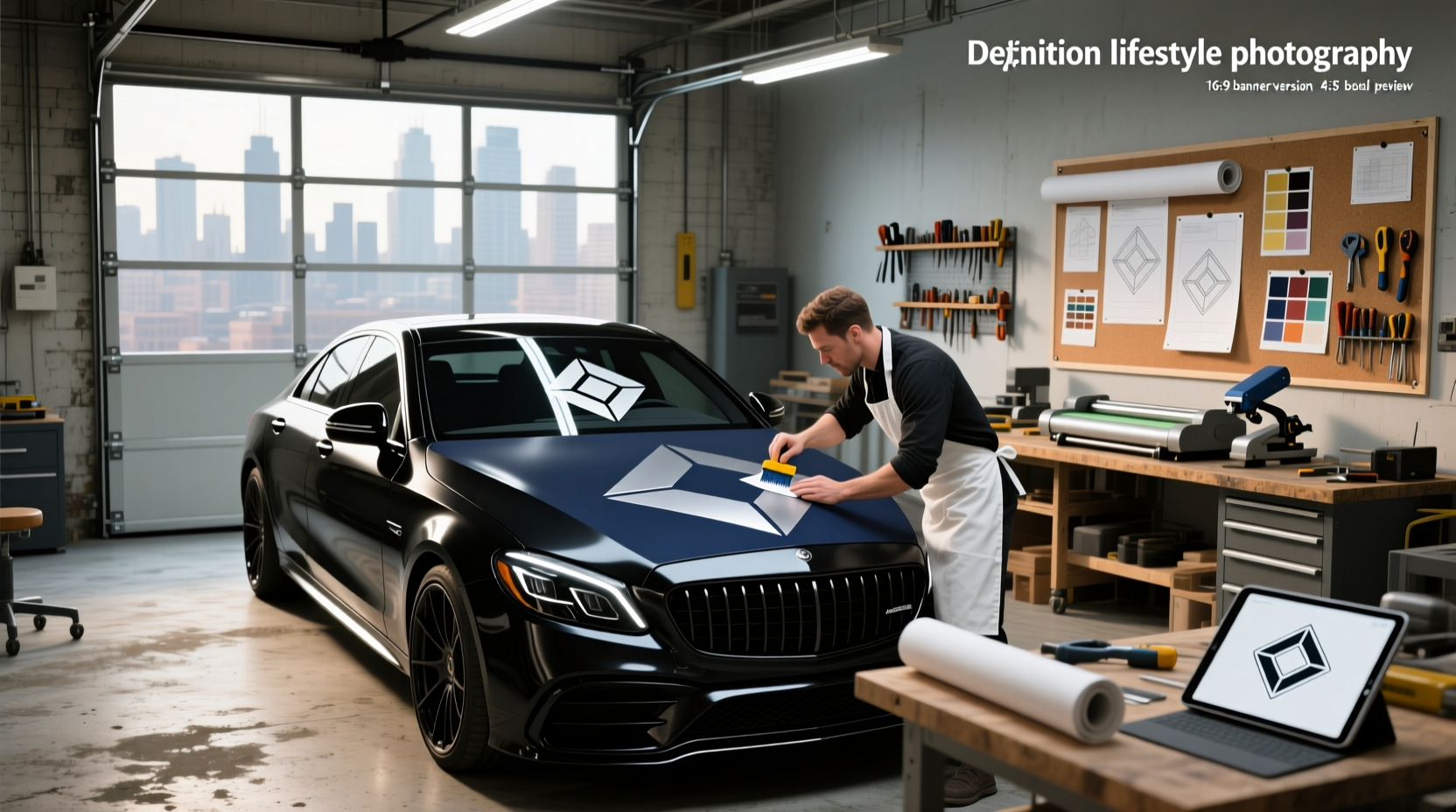
Installing custom windshield decals is a popular way for drivers to personalize their vehicles, promote businesses, or show support for causes. However, many car owners are unsure whether it’s legal, safe, or practical to place stickers on the front windshield. The short answer: it depends on your location, the size of the decal, and where it’s placed. In most U.S. states and several European countries, laws restrict any obstruction in the driver’s primary field of vision, meaning large or poorly positioned custom windshield decals can be illegal and may result in fines 1. This guide breaks down everything you need to know before applying a vinyl sticker to your car’s front glass — from legal regulations and safety concerns to design options and installation best practices.
Why Drivers Use Custom Windshield Decals
Car owners choose windshield decals custom designs for various reasons. Some use them for personal expression — displaying favorite quotes, family names, or hobby-related graphics. Others apply them for branding purposes, especially small business owners who turn their cars into mobile advertisements. Nonprofits and political campaigns also rely on windshield banners to raise awareness.
🛒 Common uses include:
- Personalized messages (e.g., "Proud Parent of a Soccer Star")
- Business logos and contact information
- Promotional slogans or event announcements
- Safety reminders (e.g., "Student Driver")
- Seasonal or holiday-themed designs
While these applications seem harmless, they must comply with local traffic laws to avoid penalties.
Legal Considerations: Are Windshield Stickers Allowed?
📍 The legality of custom car window stickers varies significantly by jurisdiction. Most regulations focus on visibility and driver safety. Obstructing the windshield — especially the area swept by the wipers — is typically prohibited.
United States Regulations
In the U.S., each state sets its own rules under broader motor vehicle codes. For example:
- California: No stickers or markings allowed in the windshield’s upper 7 inches, outside of required inspection or registration stickers 2.
- Texas: Prohibits any object that impairs clear vision through the windshield.
- New York: Only allows small stickers near the bottom corners, provided they don’t block the driver’s view.
✅ General rule: If the decal interferes with your line of sight or covers more than a few square inches in critical viewing areas, it’s likely illegal.
European Union Guidelines
The EU does not have a unified law but follows UNECE safety standards. Countries like Germany, France, and the UK enforce strict visibility rules:
- Germany: Any non-transparent material on the front windshield is generally banned unless part of factory-installed tinting or heating elements.
- UK: The Road Vehicles (Construction and Use) Regulations 1986 prohibit obstructions in the driver’s view. Even small stickers can lead to prosecution if deemed hazardous.
- France: Allows only official stickers (e.g., vignettes, inspection marks) on the lower corner of the windshield.
❗ Always check your national or regional transportation authority website before installing any windshield decals for cars.
Where Can You Safely Place a Custom Decal?
🔧 Proper placement minimizes legal risk and maintains driving safety. Here are accepted zones in most regions:
| Location | Visibility Risk | Legality | Recommended Use |
|---|---|---|---|
| Lower left or right corner (passenger side preferred) | Low | Generally allowed | Small logos, inspection tags |
| Top center (above rearview mirror) | Moderate | Rarely permitted | Avoid; may impair upward vision |
| Center of windshield (wiper zone) | High | Illegal in most places | Never recommended |
| Side windows (front door glass) | Variable | Often allowed if non-reflective | Branding, decorative accents |
📌 Tip: Measure your decal. Most jurisdictions allow items under 5x5 cm (about 2x2 inches) in non-critical zones.
Types of Materials Used in Custom Windshield Decals
🏭 Not all vinyls are created equal. Choosing the right material affects durability, appearance, and compliance.
1. Opaque Vinyl
These solid-color stickers block light and are ideal for bold designs. However, they’re often restricted on front windshields due to reduced visibility.
2. Transparent or Clear Vinyl
Allows light transmission while displaying text or logos. Often used for subtle branding. More likely to pass legal scrutiny, especially when applied to less critical areas.
3. Perforated Vinyl (See-Through Film)
Micro-perforated material lets drivers see out while appearing solid from the outside. Commonly used in fleet vehicles and advertising. ✅ Legal in many areas when installed correctly.
4. Reflective & Holographic Films
Attractive but potentially dangerous at night due to glare. Banned in some regions for front glass use.
⚙️ Material comparison:
- Durability: High-quality vinyl lasts 3–7 years outdoors.
- Weather resistance: Look for UV-protected, waterproof coatings.
- Removability: Air-release adhesives prevent bubbles and allow clean removal.
Design Tips for Effective and Compliant Decals
✨ A well-designed auto window sticker balances aesthetics with functionality.
- Keep text concise: Long phrases are hard to read at speed.
- Use high contrast: Dark letters on light backgrounds (or vice versa) improve readability.
- Limit colors: Two- or three-color designs are cleaner and cheaper.
- Test size: Print a paper mockup and tape it to your windshield to assess visibility impact.
- Consider reverse printing: For inside application, print backward so ink faces the glass, protecting against weather and vandalism.
Installation: Inside vs. Outside Application
🛠️ Where you install the decal matters for both protection and legality.
Inside Installation (Most Common)
- Pros: Protected from rain, snow, car washes, and tampering.
- Cons: Glass curvature can distort large designs; harder to align perfectly.
- Best for: Permanent messaging, business branding, family identifiers.
Outside Installation
- Pros: Crisper appearance; easier to position.
- Cons: Exposed to damage; may degrade faster.
- Best for: Temporary promotions, removable decals, test placements.
🧼 Installation steps:
- Clean the glass thoroughly with alcohol-based cleaner.
- Measure and mark the desired location.
- Peel backing slowly and apply using a squeegee to remove air bubbles.
- Allow 24–48 hours for adhesive curing, especially in humid conditions.
Alternatives to Front Windshield Decals
If regulations or safety concerns limit your options, consider these alternatives:
- Rear window decals: Highly visible and legally unrestricted in most areas.
- Door window stickers: Side glass offers space for larger designs without obstructing forward vision.
- Magnetic signs: Removable and repositionable; ideal for contractors or service providers.
- Car wraps (partial): Wrap only doors or rear panels instead of the windshield.
- Hanging tags: Non-permanent solutions that attach to the rearview mirror (check local laws).
Common Misconceptions About Windshield Stickers
🔍 Several myths persist about automotive window stickers:
Myth 1: “If it’s small, it’s always legal.”
❌ Not true. Even tiny stickers in the wrong spot — like directly in front of the driver’s eye level — can be cited if they impair vision during an officer’s discretion.
Myth 2: “Clear stickers don’t count as obstructions.”
❌ False. Transparent materials still scatter light and create glare, especially at night. Some states explicitly regulate all non-factory additions.
Myth 3: “Registration stickers are the only ones allowed.”
⚠️ Mostly true, but exceptions exist. Some states permit additional stickers (e.g., veterans, university affiliations) in designated corners.
Myth 4: “Everyone has them, so they must be fine.”
❌ Popularity doesn’t equal legality. Enforcement may be inconsistent, but you’re still liable if stopped.
How to Check Local Laws Before Applying a Decal
🌐 Since rules vary widely, follow this verification process:
- Visit your state or country’s Department of Motor Vehicles (DMV) or equivalent transport agency website.
- Search for “windshield obstruction,” “window tinting laws,” or “vehicle modifications.”
- Look for diagrams showing acceptable sticker zones.
- Contact customer service if guidelines are unclear.
- Document the regulation (save a screenshot or URL) in case of disputes.
📌 Example search terms:
- “Can I put a sticker on my front windshield [State/Country]”
- “Windshield decal laws [City Name]”
- “Vehicle window sticker regulations”
When Businesses Use Windshield Banners
👥 Companies sometimes use personalized windshield banners for marketing. While effective, commercial use raises additional considerations:
- Fleet compliance: Ensure every vehicle meets local standards.
- Professional appearance: Poorly aligned or peeling decals reflect badly on your brand.
- Insurance implications: Some policies may exclude coverage if an accident is linked to reduced visibility.
- Permit requirements: Certain cities require permits for advertising on private vehicles.
✅ Best practice: Use rear or side windows for business branding instead of the front windshield.
Removing Old or Illegal Decals
🧰 Over time, decals may fade, peel, or become outdated. Removal should be done carefully to avoid damaging glass or leaving residue.
- Use a hairdryer or heat gun to soften the adhesive.
- Gently lift one edge with a plastic scraper.
- Peel slowly at a 45-degree angle.
- Clean residue with isopropyl alcohol or commercial adhesive remover.
- Avoid razor blades on laminated glass to prevent scratches.
❗ Never leave behind torn pieces or sticky film — this can worsen visibility and attract dust.
What Law Enforcement Looks For
🚨 During traffic stops, officers assess whether any item obstructs safe operation. Signs that may trigger a citation:
- Decals in the driver’s direct line of sight
- Multiple stickers clustered in the lower center
- Bubbles, creases, or peeling edges
- Reflective surfaces causing glare
- Large text blocking cross-street visibility
Even if your decal is technically within size limits, poor condition can justify removal orders.
Final Recommendations
Before installing any custom windshield decals, ask yourself:
- Does this enhance safety or hinder it?
- Is it placed in a legally acceptable zone?
- Could the same message go on the rear or side window?
- Will it degrade quickly and look unprofessional?
- Am I prepared to remove it if questioned by authorities?
✅ Bottom line: Personalization is fine — but never at the cost of safety or compliance. When in doubt, opt for alternative locations or temporary solutions.
Frequently Asked Questions
- Can I put a custom decal on the inside of my windshield?
- Yes, but only in areas that don’t obstruct your view. Most laws apply regardless of which side the sticker is on. The lower passenger-side corner is usually safest.
- Are transparent windshield stickers legal?
- Transparency doesn’t guarantee legality. Even clear films can distort vision or cause glare. Check local laws before applying.
- What size windshield decal is allowed?
- It varies by location. In many U.S. states, stickers under 5x5 cm in the lower corners are permitted. Never cover the wiper sweep area.
- Do windshield decals damage the glass?
- Not if applied and removed properly. Low-quality adhesives or improper removal (e.g., using sharp tools) can scratch or pit the glass surface.
- Can I use a windshield banner for business advertising?
- You can, but front windshield use is risky. It’s better to advertise on rear or side windows to stay compliant and maintain professionalism.





 浙公网安备
33010002000092号
浙公网安备
33010002000092号 浙B2-20120091-4