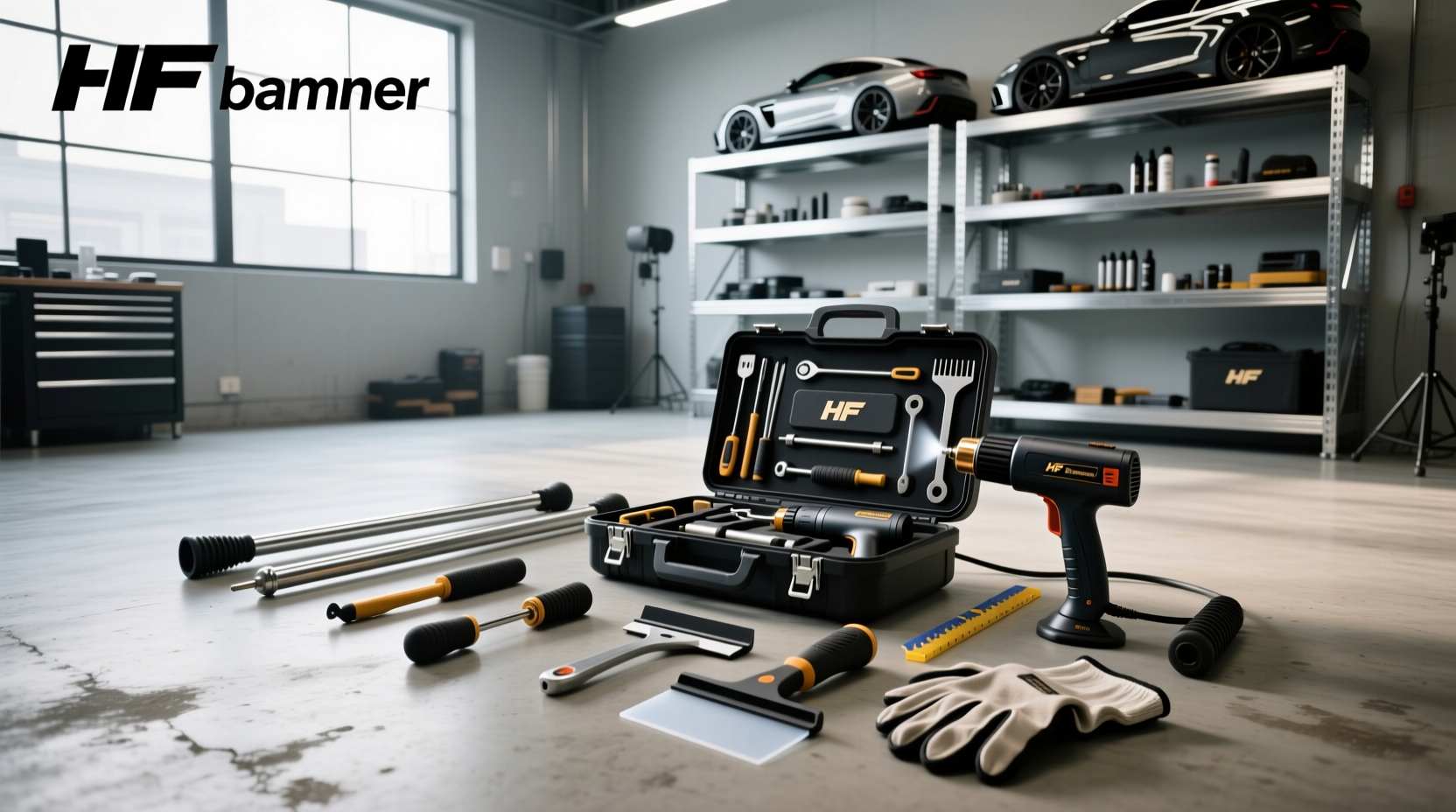
Installing paint protection film (PPF) effectively requires more than just high-quality film—success hinges on using the right PPF tools kit designed for precision, durability, and efficiency. Whether you're a beginner or an experienced installer, understanding which tools make up a complete setup can dramatically improve application quality, reduce rework, and increase customer satisfaction. Key components like squeegees, heat guns, cutting tools, and application fluids are not optional extras—they’re foundational to achieving bubble-free adhesion, seamless edges, and proper contouring over complex vehicle surfaces.
Why a Complete PPF Tools Kit Matters
A well-curated PPF tools kit ensures every phase of installation—from surface preparation to final trimming—is executed with control and accuracy. Without the correct tools, even premium films can suffer from lifting edges, trapped moisture, poor conformity, or visible seams. Many DIYers and new professionals underestimate how much tool choice affects outcome, often starting with improvised or low-grade equipment that leads to frustration and wasted materials.
Professionals rely on specialized kits because they streamline workflow, reduce labor time, and minimize errors during critical steps such as stretching film over curved panels or removing memory from thermoplastic urethane (TPU) material. Using substandard tools may seem cost-effective initially but often results in higher long-term costs due to film damage, redo jobs, and reputational risk.
Core Components of a Professional PPF Tools Kit
To achieve consistent, high-quality results, a comprehensive PPF tools kit should include the following essential items:
1. Squeegees (Application Tools)
Squeegees are arguably the most frequently used tools in any PPF installation process. They come in various shapes, sizes, and durometers (hardness levels), each serving a specific purpose:
- Hard squeegees (80–90 Shore A): Ideal for initial water expulsion and positioning large sections of film.
- Medium squeegees (60–70 Shore A): Used for smoothing out ripples and ensuring full adhesive contact without damaging the film. \li> Soft squeegees (40–50 Shore A): Best for delicate areas like headlights, mirrors, or textured surfaces where scratching must be avoided.
- Tapered or contoured edge squeegees: Designed to reach tight corners and follow body lines precisely.
Many kits feature multi-edge squeegees made from durable plastics or rubber compounds resistant to solvents found in slip solutions. Ergonomic handles reduce hand fatigue during extended use.
2. Heat Gun or Butane Torch
Heat is crucial when installing PPF on compound curves such as bumpers, hoods, or fenders. The heat gun for PPF installation softens the film, allowing it to stretch and conform without cracking or shrinking post-installation.
Key considerations:
- Temperature control: Adjustable heat settings prevent overheating, which can degrade film integrity.
- Airflow consistency: Even distribution avoids hot spots that cause distortion.
- Butane torch alternative: Some installers prefer micro-flame torches for localized heating at edges and corners, though these require greater skill to avoid burns or discoloration.
According to industry discussions among professionals, the heat gun ranks as one of the most important tools for any paint protection film installer, particularly when working with pre-cut digital templates that require precise tensioning1.
3. Precision Cutting Tools
Clean, accurate cuts define the professionalism of a PPF job. Common cutting tools include:
- Single-edge blades: Offer superior sharpness and clean slicing through thick TPU layers.
- Swivel knives: Allow smooth tracking along panel gaps and contours without gouging paint.
- Blade changers: Quick-release mechanisms let users swap dull blades fast—critical since PPF rapidly dulls standard utility blades.
Reddit threads highlight that blade sharpness and frequent replacement are non-negotiable for avoiding jagged edges or undercuts2.
4. Slip Solution & Spray Bottle / Pump Sprayer
The application fluid for PPF installation acts as a lubricant between the film and painted surface, enabling repositioning before final adhesion. Most formulas contain distilled water, wetting agents, and mild soaps.
Best practices:
- Use non-abrasive pump sprayers with fine mist settings for even coverage.
- Avoid household cleaners containing ammonia or alcohol, which can degrade adhesive layers.
- Some advanced systems use pressurized kegs (e.g., True Spray Keg) for consistent pressure and reduced waste.
5. Diabetic Needles or De-bubbling Tools
Even with careful application, trapped air or moisture can form bubbles beneath the film. Diabetic needles (insulin syringes) allow pinpoint puncturing to release gas without creating visible marks.
Technique tips:
- Inject small amounts of slip solution into the bubble to help it migrate out.
- Apply gentle pressure with a soft squeegee after venting.
- Only use on non-gloss finishes or hidden areas if possible; improper use can leave micro-scratches.
6. Surface Preparation Supplies
Proper prep prevents contamination-related failures. Essential prep tools include:
- Isopropyl alcohol (IPA) wipes or solution: Removes oils, waxes, and residues before film application.
- Clay bars: Extract embedded contaminants from paint for optimal bonding.
- Misting bottles: Pre-wet the surface evenly before applying film.
Optional but Useful Add-Ons in Advanced Kits
Beyond basics, some professional PPF tools kits include accessories that boost efficiency and safety:
Digital Measuring Systems (DMS)
While not part of the physical toolset per se, integration with DMS platforms like WrapIN, iCut, or ORACAL enables precise template cutting. These systems feed data to plotter cutters, reducing manual measuring errors.
Film Handling Stands
Freestanding frames keep large sheets dust-free and taut during pre-trimming. This reduces handling damage and improves pre-fit accuracy.
Edge Sealants and Coatings
Post-installation treatments enhance durability by sealing cut edges against moisture ingress and delamination. Ceramic-infused top coats also improve gloss and hydrophobic properties.
Microfiber Towels & Cleaning Kits
Dedicated lint-free cloths ensure residue-free wiping without scratching. Include both dry and damp options for different stages.
How to Choose the Right PPF Tools Kit for Your Needs
Selecting a kit depends on several factors: experience level, shop volume, budget, and service offerings. Here’s how to evaluate your options:
For Beginners
If you're just starting, look for entry-level kits that bundle core tools at a reasonable price. Prioritize:
- A set of three hardness-level squeegees
- A variable-temperature heat gun
- Single-edge blades with a safe holder
- A reusable spray bottle
- Slip solution sample pack
Avoid overly cheap kits with flimsy plastic construction—they wear out quickly and compromise performance.
For Professionals & High-Volume Shops
Commercial operations benefit from modular, brand-consistent tool ecosystems. Consider:
- Kits with replaceable parts (e.g., swappable squeegee edges)
- Ergonomic designs to reduce repetitive strain injuries
- Compatibility with existing equipment (e.g., keg-based spraying systems)
- Durable storage cases for organization and transport
Investment in German-engineered tools (often labeled *Made in Germany*) is common among pros due to tighter manufacturing tolerances and longer lifespan3.
Common Mistakes When Using PPF Tools
Even with the best PPF tools kit, poor technique can ruin an otherwise good installation. Watch out for these pitfalls:
Using the Wrong Squeegee Hardness
Applying a hard squeegee on a soft surface like a headlight can cause micro-scratches or clouding. Always match tool firmness to substrate sensitivity.
Overheating the Film
Excessive heat causes PPF to shrink unpredictably or yellow over time. Maintain a distance of 4–6 inches and keep the gun moving constantly.
Improper Blade Angle During Trimming
Angling the blade too steeply creates undercut edges that lift. Hold the knife perpendicular or slightly inward for flush cuts.
Neglecting Tool Maintenance
Dirty squeegees transfer grit; dull blades tear film. Clean all tools after use and store them properly.
Regional Differences in Tool Preferences
Tool selection can vary based on climate and regional standards:
- In humid regions (e.g., Southeast Asia), faster-drying slip solutions are preferred to speed curing.
- In colder climates, installers may pre-warm vehicles to improve film flexibility.
- European shops often favor compact, precision-focused tools due to smaller workspace norms.
DIY vs. Professional Grade: What’s the Difference?
Consumer-grade kits sold online often lack the durability and precision of professional sets. Key distinctions include:
| Feature | DIY Kit | Professional Kit |
|---|---|---|
| Material Quality | Basic plastic, generic metals | Industrial-grade polymers, stainless steel |
| Ergonomics | Limited grip design | Contoured, anti-fatigue handles |
| Heat Control | Fixed temperature | Adjustable thermostat |
| Blade Sharpness | Standard utility blades | High-carbon, single-edge specialty blades |
| Warranty & Support | Rare or short-term | Extended coverage, technical support |
Where to Buy Reliable PPF Tools Kits
Reputable suppliers offer curated kits tailored to different skill levels. Look for vendors who:
- Provide detailed product specifications
- Offer compatibility information
- Supply instructional content or training resources
- Have responsive customer service
Many detailers source tools from dedicated automotive supply warehouses that specialize in wrapping and protection services rather than general hardware stores.
Final Tips for Maximizing Your PPF Tools Investment
To get the most value from your PPF tools kit, follow these guidelines:
- Train thoroughly on each tool before client work.
- Follow manufacturer care instructions for cleaning and storage.
- Replace consumables (blades, fluids) regularly.
- Stay updated on new tool innovations through trade forums and workshops.
- Keep spare tools on hand to avoid downtime.
Frequently Asked Questions (FAQs)
- What is the most important tool in a PPF tools kit?
- The heat gun is widely considered the most critical tool because it allows the film to stretch and conform to complex vehicle curves, preventing lifting and poor adhesion.
- Can I install PPF without a heat gun?
- It's possible on flat surfaces, but highly discouraged for full vehicle wraps. Without heat, the film won’t conform properly to contours, leading to edge lifting and premature failure.
- How often should I change my cutting blades?
- Change blades after every 1–2 installations or whenever you notice resistance or jagged cuts. Fresh blades ensure clean, precise trimming.
- Are expensive PPF tools worth it?
- For professionals, yes. Higher-priced tools typically offer better ergonomics, durability, and precision, reducing fatigue and rework over time.
- Do I need special fluids for PPF installation?
- Yes. Use pH-neutral, ammonia-free slip solutions specifically formulated for PPF. Household cleaners can weaken adhesives and void warranties.





 浙公网安备
33010002000092号
浙公网安备
33010002000092号 浙B2-20120091-4