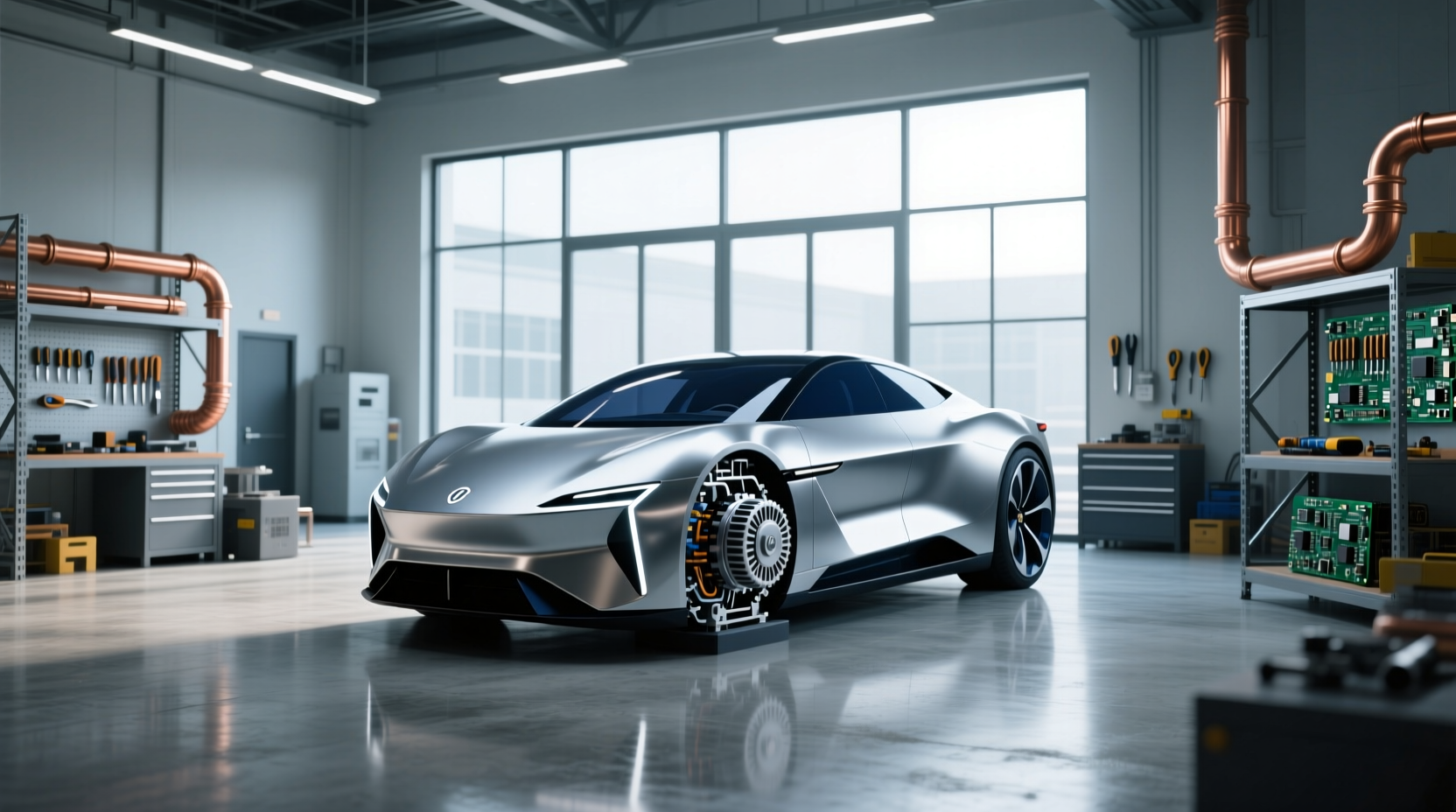
⚡ The AC compressor for electric vehicle is a critical component in maintaining cabin comfort, especially as EVs eliminate traditional engine-driven compressors. Unlike internal combustion engine (ICE) vehicles that rely on belt-driven compressors powered by the engine, electric vehicles use high-voltage electric compressors directly powered by the main battery pack or auxiliary power systems 1. These compressors are typically scroll-type units driven by brushless DC motors operating between 200V and 400V, allowing independent climate control regardless of propulsion status. This design enables continuous cooling even when the vehicle is parked with the drivetrain off—a feature impossible in conventional cars. Understanding how these systems work, what causes failure, and how to maintain them is essential for owners, technicians, and fleet managers alike.
Why Electric Vehicles Use Electric AC Compressors
🛒 In traditional gasoline-powered vehicles, the air conditioning compressor is mechanically linked to the engine via a serpentine belt. When the engine runs, the compressor can operate; when it stops—such as during idle-stop features—the A/C temporarily shuts down. This setup doesn’t work in battery electric vehicles (BEVs), where there’s no engine to drive mechanical accessories.
✅ To ensure uninterrupted climate control, BEVs employ fully electric compressors. These units draw power from the high-voltage traction battery, enabling operation anytime the vehicle’s electrical system is active. This independence supports advanced thermal management strategies, including preconditioning the cabin while charging, which improves energy efficiency and passenger comfort.
🔋 Most modern electric compressors are inverter-controlled, meaning they adjust speed based on cooling demand rather than running at fixed RPMs. This variable-speed capability enhances efficiency, reduces noise, and extends component life compared to older on/off cycling designs.
How an Electric AC Compressor Works
⚙️ At its core, an electric AC compressor functions similarly to any refrigeration system: it compresses gaseous refrigerant (typically R-134a or newer R-1234yf), raising its pressure and temperature before sending it to the condenser. However, the driving mechanism differs significantly.
The electric motor inside the compressor is sealed within the unit and operates using three-phase alternating current generated from the vehicle’s DC battery through an integrated or external inverter. The most common type used in EVs is the scroll compressor, known for its quiet operation, reliability, and ability to handle variable loads efficiently.
| Feature | Traditional ICE Compressor | Electric Vehicle Compressor |
|---|---|---|
| Power Source | Engine (belt-driven) | High-voltage battery (electric motor) |
| Voltage Range | N/A | 200–400 V DC |
| Speed Control | Fixed or clutch-cycled | Inverter-controlled variable speed |
| Operation During Idle | Limited (engine must run) | Full functionality |
| Common Type | Swaying plate, rotary | Scroll-type |
📍 The integration of electronics also allows precise communication between the HVAC control module and the compressor. Using CAN bus signals, the system modulates compressor speed based on cabin temperature, ambient conditions, battery state of charge, and defrost requirements.
Differences Between Hybrid and Full Electric Vehicle Compressors
🔍 While both hybrids and EVs use electrically driven compressors, there are subtle but important distinctions:
- Hybrid Vehicles: Often use lower-voltage systems (e.g., 48V or 100–200V) depending on the platform. Some early hybrids still retained mechanically assisted compressors with electric override modes.
- Plug-in Hybrids (PHEVs): Typically adopt higher-voltage compressors similar to full EVs to support extended all-electric driving.
- Full Battery Electric Vehicles (BEVs): Utilize robust, high-efficiency compressors optimized for prolonged operation and seamless integration with battery thermal management systems.
❗ A common misconception is that hybrid compressors are interchangeable with those in pure EVs. Due to differences in voltage, control protocols, and mounting configurations, direct swaps are rarely possible without extensive modifications and safety risks.
Signs of AC Compressor Failure in Electric Vehicles
🔧 Like any electromechanical device, electric AC compressors can fail. Recognizing early symptoms helps prevent complete system breakdown and costly repairs.
📌 Common failure indicators include:
- No cooling despite system activation – If the fan runs but air remains warm, the compressor may not be engaging.
- Unusual noises from underhood or cabin – Grinding, rattling, or whining sounds may indicate internal bearing wear or motor faults.
- Intermittent cooling performance – Suggests failing windings, overheating protection kicking in, or inverter issues.
- Error codes related to HVAC or refrigerant pressure – Diagnosed via OBD-II scanner (e.g., P261B, P377F).
- Excessive energy consumption during climate operation – Could point to inefficient compression due to worn components.
⚠️ Because electric compressors are sealed units, internal diagnostics require specialized tools. Technicians often check input voltage, ground continuity, and CAN signal integrity before concluding replacement is necessary.
Challenges in Replacing an AC Compressor in an EV
🏭 Replacing an AC compressor in an electric vehicle is more complex than in conventional models due to several factors:
High-Voltage Safety Requirements
⚡ EV compressors operate at dangerous voltages. Before any service, the high-voltage system must be de-energized following manufacturer-specific lockout/tagout procedures. This usually involves disconnecting the service plug and waiting several minutes for capacitors to discharge.
Refrigerant Handling Regulations
🌐 Refrigerants like R-134a and R-1234yf are greenhouse gases regulated under environmental laws (e.g., EPA Section 608 in the U.S.). Only certified technicians can legally recover and recharge refrigerant. Mishandling leads to fines and environmental harm.
Calibration and Software Matching
✅ Many EV compressors require post-installation calibration via diagnostic software. Simply installing a new unit won't guarantee operation unless the vehicle's control module recognizes it. Some systems even verify serial numbers or production dates.
Sealed Unit Limitations
🔧 Unlike older compressors where mechanical parts could sometimes be rebuilt, most electric units are non-serviceable. Once failed, they must be replaced entirely, increasing repair costs.
Cost Considerations for EV AC Compressor Replacement
💰 The total cost of replacing an AC compressor in an electric vehicle varies widely based on make, model, labor rates, and part availability.
Average price ranges:
- Compressor unit only: $300–$900 (OEM remanufactured or aftermarket)
- Labor: $400–$800 (due to complexity and safety protocols)
- Refrigerant recharge: $100–$200
- Total estimate: $800–$1,900
🛒 While some online marketplaces offer lower-priced units, buyers should verify compatibility, warranty terms, and whether the unit includes necessary sensors or connectors. Units sold without proper documentation or testing history risk premature failure.
Maintenance Tips to Extend EV AC Compressor Life
🧼 Preventive care plays a major role in avoiding unexpected failures:
- Run the A/C regularly—even in winter. Moisture buildup can corrode internal components if the system sits unused for months.
- Use cabin pre-conditioning wisely. Schedule cooling/heating during charging to reduce drain on the main battery and minimize compressor stress.
- Keep cabin filters clean. Restricted airflow forces the system to work harder, increasing thermal load.
- Monitor refrigerant levels during routine service. Low refrigerant causes the compressor to overheat and cycle abnormally.
- Avoid extreme temperature settings constantly. Gradual adjustments reduce strain on the compressor motor.
Aftermarket vs OEM: What Buyers Should Know
📌 When sourcing a replacement ac compressor for electric vehicle, consumers face choices between original equipment manufacturer (OEM) parts, remanufactured units, and third-party alternatives.
OEM Parts: Offer guaranteed fit, performance, and compatibility. Often come with multi-year warranties but at premium prices.
Remanufactured Units: Refurbished originals with tested components. Cost-effective option if sourced from reputable suppliers who follow strict quality controls.
Aftermarket Brands: May offer competitive pricing, but vary widely in build quality, material selection, and electronic integration. Some lack proper shielding against electromagnetic interference (EMI), leading to communication errors.
🔎 Always confirm voltage rating, connector type, refrigerant compatibility, and control protocol before purchase. Mismatched specs can lead to immediate damage or long-term reliability issues.
Environmental and Efficiency Advantages of Electric Compressors
🌍 Beyond convenience, electric AC compressors contribute to sustainability goals:
- Improved energy efficiency: Variable-speed operation matches output to demand, reducing waste.
- Better integration with heat pump systems: Many EVs combine heating and cooling functions using reversible refrigerant flow, improving overall thermal efficiency.
- Lower emissions: No need to idle an engine just to run A/C, reducing urban pollution.
- Support for smart grid integration: Future vehicles may coordinate climate operation with off-peak electricity rates.
Future Trends in EV Climate Systems
✨ As battery technology advances, so do thermal management systems. Emerging innovations include:
- CO₂-based refrigerants (R-744): Natural refrigerant with low global warming potential, already used in some European EVs.
- Integrated thermal modules: Combine compressor, condenser, expansion valve, and controls into one compact unit.
- AI-driven climate prediction: Systems learn user preferences and adjust cabin temperature proactively.
- Waste heat recovery: Capture excess heat from batteries and power electronics for cabin heating, reducing reliance on resistive heaters.
These developments aim to increase range, improve occupant comfort, and reduce lifecycle environmental impact.
Frequently Asked Questions (FAQs)
Below are common questions users have about ac compressor for electric vehicle systems:
- ❓ Can I replace an electric AC compressor myself?
- No, due to high-voltage hazards, refrigerant handling regulations, and software calibration needs, replacement should only be performed by certified EV technicians.
- ❓ How long does an electric AC compressor last?
- Most last between 8–15 years depending on usage, climate, and maintenance. Regular system checks help extend lifespan.
- ❓ Are EV AC compressors noisier than traditional ones?
- Generally quieter due to scroll design and absence of belt noise. However, some high-frequency whines may be noticeable at startup.
- ❓ Do all electric vehicles use the same type of compressor?
- No, designs vary by manufacturer. Tesla, Nissan, Hyundai, and others use different compressor types, voltages, and control methods.
- ❓ What happens if the AC compressor fails in an EV?
- You’ll lose cooling ability. In extreme heat, this affects comfort and safety. Some systems may limit regenerative braking or battery charging if thermal management is compromised.





 浙公网安备
33010002000092号
浙公网安备
33010002000092号 浙B2-20120091-4