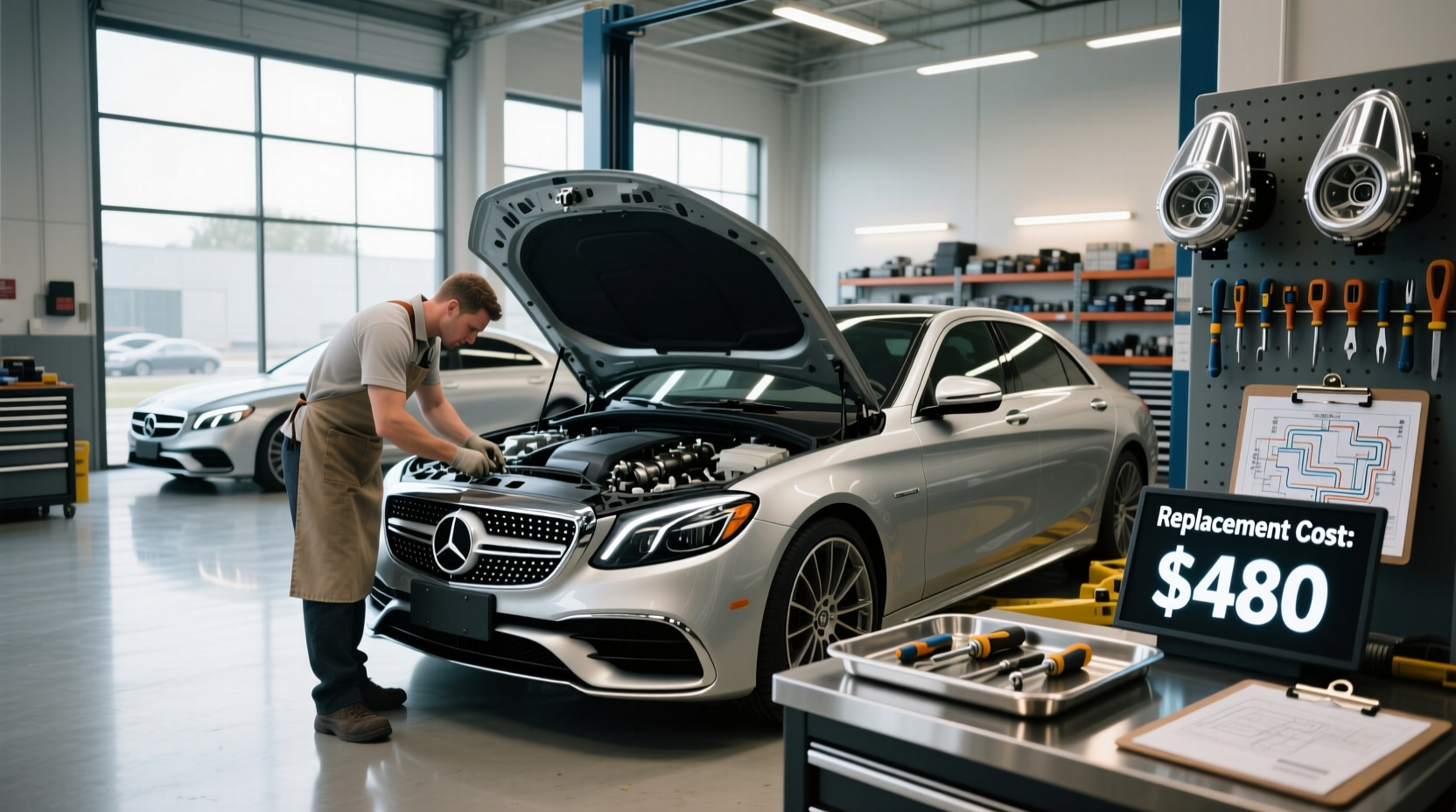
Replacing car headlights can cost anywhere from $25 to over $1,500, depending on whether you're changing just the bulb or the entire headlight assembly, as well as the vehicle model and lighting technology used. Car headlights replacement cost varies significantly between halogen, LED, and HID systems, with labor fees adding another $50–$200 if done professionally. This guide breaks down every factor influencing price—bulb type, vehicle compatibility, DIY vs. professional installation, and regional differences—so you can make an informed decision without overspending.
What Affects Car Headlight Replacement Cost?
The total expense of replacing headlights isn't a one-size-fits-all figure. Several interrelated factors determine how much you'll pay, from the type of bulb to your car’s make and model. Understanding these elements helps prevent unexpected charges and ensures you’re getting fair value.
Bulb Type: Halogen vs. LED vs. HID/Xenon
The most significant factor in pricing is the type of headlight technology your vehicle uses. Each has different lifespans, brightness levels, energy efficiency, and upfront costs.
- Halogen bulbs: These are the oldest and most affordable option. A single halogen bulb typically costs between $10 and $30 🛒. They produce a warm yellow light and are common in older or base-trim vehicles. While cheap to replace, they have shorter lifespans (around 1,000 hours) and consume more power than newer technologies.
- LED (Light Emitting Diode): Increasingly standard in modern cars, LED headlights offer brighter, whiter light, use less energy, and last up to 30,000 hours ⚡. However, individual LED bulbs can cost $40–$100+, and full assemblies may exceed $500 per side due to integrated circuitry and cooling systems.
- HID (High-Intensity Discharge) or Xenon: These produce intense, daylight-like illumination and were popular in mid-2000s luxury models. Bulbs range from $30–$75 each, but require ballasts and igniters that add complexity and cost. Over time, color temperature fades, reducing effectiveness.
When comparing options, consider long-term savings. Although LEDs cost more initially, their longevity often offsets replacement frequency and energy use 📊.
Replacement Scope: Bulb vs. Assembly vs. Complete Unit
Costs diverge sharply based on what exactly needs replacing:
| Replacement Type | Average Cost (Parts Only) | Labor Cost (If Applicable) | Notes |
|---|---|---|---|
| Single Halogen Bulb | $10–$30 | $0–$25 | Often user-replaceable; minimal labor needed |
| Pair of LED Bulbs | $80–$200 | $50–$150 | May require coding or alignment in some vehicles |
| HID Ballast + Bulb | $100–$300 | $75–$200 | Ballast failure common; check both components |
| Headlight Assembly (Driver Side) | $50–$600 | $100–$300 | Includes housing, lens, bulb; varies by brand and OEM status |
| Complete Pair (Both Sides) | $100–$1,200+ | $200–$600 | Recommended for even lighting and appearance match |
For example, a 1992 Ford E-150 Econoline might need a basic halogen assembly for under $35 🛒, while a 2020 Toyota Camry could require a $200+ LED unit due to advanced design and integration 🏭.
Vehicle Make, Model, and Year
Your car's specifications directly impact availability and pricing. Older vehicles generally have lower-cost, widely available parts. Newer models, especially those with adaptive driving beams or laser-assisted lighting, face higher prices due to proprietary designs and limited aftermarket support.
Import vehicles like BMW, Audi, or Lexus often use specialized housings and sensors, increasing part and labor costs. Domestic trucks and SUVs tend to have more affordable, standardized replacements 🌐.
OEM vs. Aftermarket Parts
You’ll encounter two main categories when sourcing replacements:
- OEM (Original Equipment Manufacturer): Made by the same company that supplied your vehicle’s factory lights. These ensure perfect fitment and compliance with DOT/SAE standards but come at a premium—often 20–50% more than aftermarket.
- Aftermarket: Produced by third-party companies like TYC or Sylvania. Many meet safety regulations and offer competitive performance at lower prices. However, quality varies—some may yellow faster or lack proper beam focus.
Always verify certifications (DOT, SAE) and reviews before choosing aftermarket units. Poor-quality assemblies can lead to glare, reduced visibility, or legal issues in states with strict lighting laws 🔍.
DIY vs. Professional Installation: What’s More Cost-Effective?
Labor accounts for a large portion of total cost. Knowing whether you can install headlights yourself saves hundreds.
When DIY Makes Sense
Replacing a halogen or HID bulb is often a simple process taking 15–30 minutes ⏱️. Most vehicles allow access through the engine bay without removing bumpers or fenders. Tools required are usually minimal—a screwdriver or socket set.
Steps include:
- Turn off the engine and disconnect the battery negative terminal.
- Locate the back of the headlight housing.
- Unplug the electrical connector.
- Release the retaining clip and remove the old bulb.
- Insert the new bulb (avoid touching glass with bare hands).
- Reconnect and test before reassembling.
Many auto parts stores offer free bulb installation with purchase, making this option nearly cost-free 📍.
When to Hire a Professional
Full headlight assembly replacement often requires disassembling front-end components—grilles, bumper covers, or radiator supports. This increases labor time to 1–3 hours per side, costing $100–$300 in shop fees 🔧.
Additionally, LED and adaptive systems may need recalibration using diagnostic tools. Misaligned headlights reduce nighttime visibility and can blind oncoming drivers. Some states require alignment checks during safety inspections.
If your vehicle has rain-sensing wipers, cameras, or radar units near the front grille, improper handling during replacement can trigger error codes or disable driver aids. In such cases, professional service is strongly advised ⚠️.
Regional and Market Factors Influencing Price
Location plays a role in both part availability and labor rates. Urban areas typically have higher hourly shop rates ($90–$150/hour) compared to rural regions ($60–$90). However, city shops may offer faster turnaround and better access to specialty parts.
Shipping costs also affect online purchases. Large assemblies may incur additional delivery fees unless bundled with other items. Some suppliers offer free shipping over certain thresholds, which can influence where you buy 🚚.
Sales tax applies to both parts and labor in most U.S. states, adding 5–10% to final cost. Additionally, environmental disposal fees may be charged for old assemblies containing hazardous materials.
Common Misconceptions About Headlight Replacement
Several myths persist that lead consumers to make poor financial or safety decisions.
Myth: All LED Upgrades Are Plug-and-Play
While some LED retrofit kits claim “no modification needed,” many vehicles require CANBUS decoders or anti-flicker resistors to prevent error messages. In high-end models, the car’s computer may reject non-OEM bulbs entirely unless programmed ⚙️.
Moreover, improper heat dissipation in enclosed housings can damage wiring or lenses over time. Always confirm compatibility before purchasing.
Myth: Brighter Lights Always Improve Safety
Excessively bright or poorly aimed headlights create glare, reducing visibility for others. The National Highway Traffic Safety Administration (NHTSA) sets beam pattern and intensity standards for a reason 1.
Aftermarket projectors that aren’t properly focused scatter light, increasing accident risk. It’s better to have correctly aligned, moderately bright lights than blinding ones.
Myth: You Can Wait Until Both Bulbs Fail
Driving with only one functioning headlight is illegal in all 50 states and drastically reduces visibility. Moreover, halogen bulbs degrade over time—even if not burned out, they may emit only 60–70% of original output after 3–5 years.
Experts recommend replacing bulbs in pairs to maintain balanced illumination. Mismatched brightness confuses depth perception and makes it harder to judge distances at night 👁️.
How to Estimate Your Exact Replacement Cost
To get an accurate estimate tailored to your situation, follow these steps:
Step 1: Identify Your Headlight Type
Check your owner’s manual or look up your vehicle on a trusted auto parts database. Enter your year, make, model, and trim level to see compatible options. Note whether it uses separate bulbs or integrated LED modules.
Step 2: Decide on Replacement Scope
Assess damage: Is it just the bulb? Is the lens cloudy or cracked? Does the housing show moisture intrusion? Surface scratches can sometimes be polished, but deep cracks require full replacement.
Step 3: Get Multiple Quotes
Visit at least three sources:
- Local repair shops for labor estimates
- Online retailers for part pricing
- Dealerships for OEM quotes
Compare total installed costs, not just part prices. Ask if alignment or recalibration is included.
Step 4: Factor in Warranty and Return Policies
Many online sellers offer 30–90 day returns, but restocking fees (up to 20%) may apply. OEM parts often come with longer warranties (1–3 years), while budget aftermarket units may offer only 6 months.
Keep receipts and packaging until you’ve confirmed proper function and fitment.
When to Replace vs. Repair
Not every headlight issue demands full replacement. Minor problems can be addressed more affordably.
Restoring Cloudy Lenses
UV exposure causes plastic lenses to oxidize and turn yellow, reducing light output by up to 80%. Instead of replacing the whole unit, consider a restoration kit 🧼. Products using sanding compounds and UV sealants can restore clarity for under $20 and take about an hour.
However, if the lens is deeply pitted or the seal is broken (moisture inside), replacement is safer and more durable.
Fixing Broken Mounting Tabs
Plastic tabs that secure the headlight assembly can break during removal. Rather than buying a new housing, some mechanics use epoxy or metal brackets to repair them. This temporary fix works if no structural stress is involved, but isn’t recommended for high-vibration environments.
Final Tips to Avoid Overpaying
Before committing to any replacement, keep these practical tips in mind:
- Verify bulb size: Common sizes include H1, H7, H11, 9005, and 9006. Using the wrong size leads to poor fit and unsafe operation.
- Check for recalls: Some manufacturers issue recalls for defective headlight assemblies. Visit NHTSA’s recall lookup tool to see if your vehicle qualifies for free replacement 2.
- Buy in pairs: Even if only one side failed, replace both bulbs simultaneously to ensure uniform brightness and color temperature.
- Avoid ultra-blue filters: Bulbs labeled “8000K” or higher emit a blue-purple hue that looks flashy but reduces usable light and increases glare.
- Test before final assembly: Always power on the light before reinstalling all components to catch defects early.
Frequently Asked Questions
- Can I replace a headlight bulb myself?
- Yes, most halogen and HID bulbs can be replaced at home with basic tools. Refer to your owner’s manual for access instructions. Avoid touching halogen glass with bare fingers to prevent premature burnout.
- How much does it cost to replace a headlight assembly?
- Assembly replacement typically costs $100–$600 per unit, plus $100–$300 in labor. Prices vary by vehicle and whether OEM or aftermarket parts are used.
- Are LED headlight bulbs worth the extra cost?
- For frequent night drivers, yes. LEDs last longer, improve visibility, and reduce strain on the electrical system. However, ensure compatibility with your vehicle’s housing and electronics.
- Why do my headlights keep burning out?
- Repeated failures may indicate voltage spikes from a failing alternator, poor grounding, or excessive vibration. Have your charging system inspected by a mechanic.
- Do I need to align my headlights after replacement?
- Yes, especially if the assembly was removed. Improper aim reduces visibility and can blind other drivers. Use a wall alignment method or visit a shop with optical equipment.





 浙公网安备
33010002000092号
浙公网安备
33010002000092号 浙B2-20120091-4